Eggplant Parmesan: the Chefs Crispy, Baked Melanzane Recipe
- The Ultimate Non-Greasy Eggplant Parmesan: A Baked Approach to Melanzane
- Engineering the Perfect Texture: The Science Behind Crispy Layers
- Essential Components for Classic Eggplant Parmesan
- Method Overview: From Salting to Stacking
- Troubleshooting Your Eggplant Parm: Chef's Tips and Fixes
- Make Ahead, Store, and Reheat: Practical Meal Prep Guide
- What to Serve With Classic Eggplant Parmesan
- Recipe FAQs
- 📝 Recipe Card
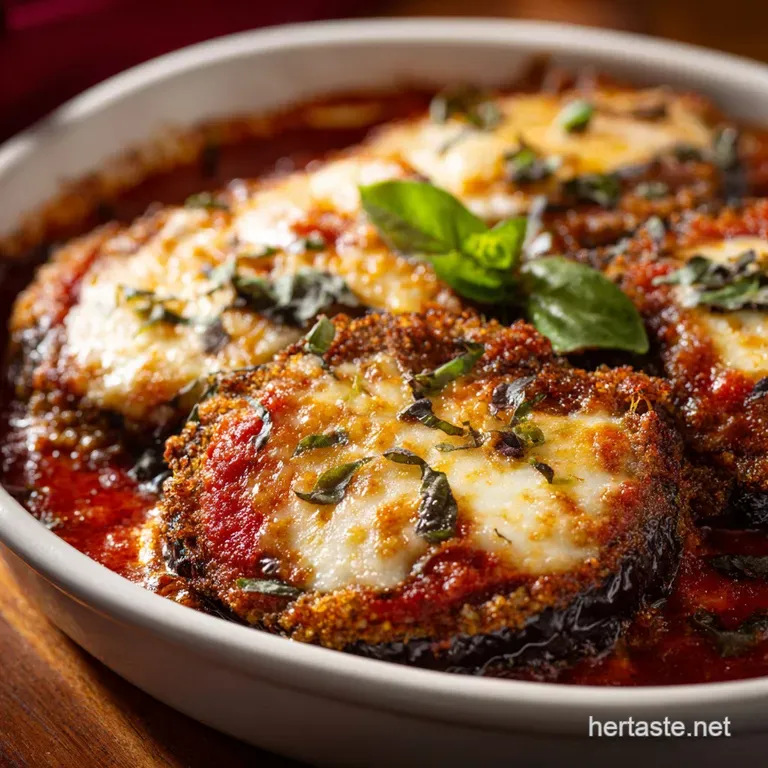
The Ultimate Non-Greasy Eggplant Parmesan: A Baked Approach to Melanzane
That smell. It’s what hits you first when you pull this bubbling beauty out of the oven, right? The rich, sweet tomato sauce meets the deep, nutty fragrance of roasted Parmesan and basil. Trust me, the sheer pleasure of slicing through that golden, crispy crust is absolutely unmatched.
Look, everyone thinks classic Eggplant Parmesan (or Melanzane alla Parmigiana ) is a massive weekend project, but it’s actually a brilliant, affordable lifesaver. We ditch the greasy frying pan entirely for a baked method that saves time, cleanup, and significantly cuts down on fat.
It turns humble aubergines into a centerpiece that feeds a hungry crowd cheaply and impressively.
I learned the hard way that moisture is the enemy of great melanzane I used to make soggy Eggplant Parm dripping oil and dissolving into a sad mush. Now, I’ve locked down the exact blueprint for layers that hold their own, guaranteeing a crispy, satisfying texture every single time.
This is the ultimate comfort food, period. Let’s crack on and make this masterpiece.
Engineering the Perfect Texture: The Science Behind Crispy Layers
The Problem with Traditional Frying (And Our Solution)
Deep frying eggplant works, but it’s messy, labor intensive, and the slices act like greedy sponges. They soak up oil faster than you can say Parmigiana . We skip the frying and head straight for the oven, which creates a crispy shell without the grease.
Baking is the secret weapon against a watery, oily final dish. It pre-cooks the coating just enough so the slices don't collapse under the weight of the sauce and cheese.
Prep Time vs. Payoff: Why This Dish is Worth the Effort
Yes, there are several distinct phases to this recipe, and it’s not a 30 minute weeknight meal. However, the time spent salting and double baking the eggplant is an investment in flavor and structure.
When you taste that perfect balance of crispy crust and melting interior, you'll understand why this dish remains a classic. We’re aiming for something memorable, not just fast.
Defining 'Crispy': Texture Goals for Baked Aubergine
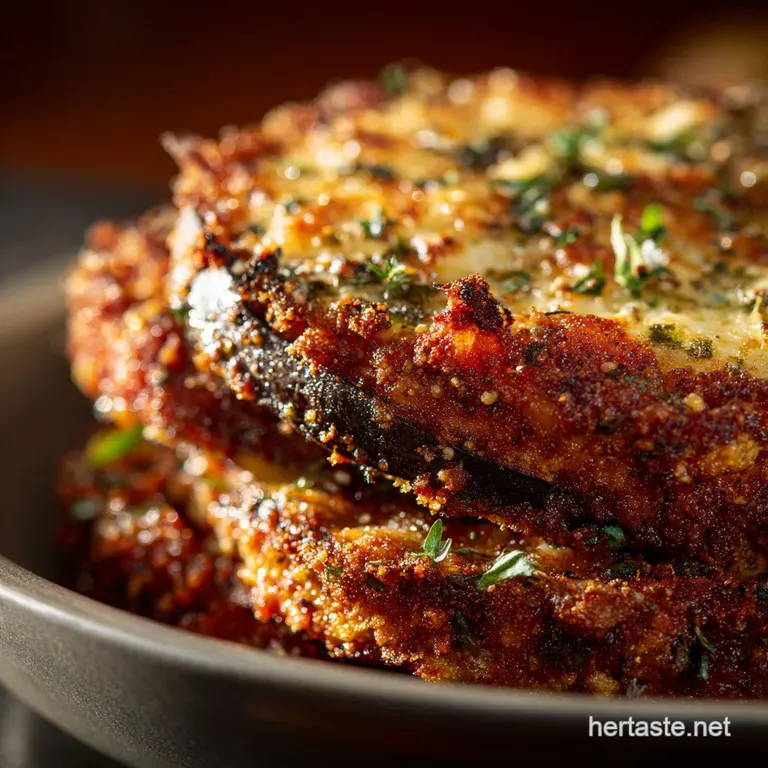
When we talk about crispy eggplant, we don’t mean chip like crunch; we mean structural integrity. Our goal is a firm, golden brown crust that holds up under the acidic tomato sauce, providing a wonderful textural contrast to the soft, creamy interior.
Think of it like a perfectly structured lasagne layer, but with panko breadcrumbs.
Moisture Management: The Crucial Salting Process
This is non-negotiable, my friend. Eggplant is full of water and natural bitterness. Salting the slices and letting them weep for 30 minutes draws out both the excess liquid and any lingering bitter compounds.
If you want to know more about handling eggplant, check out my tips for Foolproof oven-roasted Eggplant Silky Caramelised Lemon Herb Recipe . Never, ever skip rinsing and aggressively patting the slices dry afterward. Moisture is death to a crispy crust.
The Double Bake Method for Maximum Crunch
We bake the breaded eggplant slices before they meet the casserole dish. This initial blast of high heat hardens the crust and sets the Panko, ensuring it won't steam or turn mushy once it's layered with sauce.
This crucial first bake is what guarantees your foundation won’t be soggy when you pull the casserole out later.
Achieving Depth of Flavor with Slow Simmered Sauce
Eggplant Parm stands or falls on its sauce. Use high-quality canned tomatoes or, ideally, a homemade Marinara sauce that has simmered low and slow for at least an hour. The rich, concentrated flavor of a quality sauce cuts through the fat from the cheeses perfectly.
Essential Components for Classic Eggplant Parmesan
Selecting the Best Aubergine (Size and Age Matters)
Choose medium to large globe eggplants that feel firm and look shiny. Younger eggplants have fewer seeds and less bitterness, meaning less work for you! Avoid soft spots or dull, shriveled skin, which are signs of an older, potentially bitter vegetable.
The Cheese Ratio: Fresh Mozzarella vs. Aged Parmesan
We use a combination for textural balance. Fresh mozzarella provides the stretch and the creamy, gooey melt, but make sure it’s well drained! Aged, salty Parmesan (Parmigiano Reggiano, please!) delivers the essential nutty flavor and the golden, crusty topping. This ratio is also perfect for things like The Ultimate Crispy ParmesanCrusted Roasted Brussels Sprouts , if you need a side dish idea.
Building the Breading Station: Panko vs. Standard Crumbs
Panko breadcrumbs are superior here, full stop. They are larger, lighter, and absorb far less oil than standard dry breadcrumbs, even when baked. This structure prevents the crust from becoming dense or greasy, maintaining that wonderful texture contrast.
Sourcing Authentic Canned Tomatoes
Don't skimp here. Seek out whole, peeled Italian San Marzano tomatoes, or simply look for cans labeled D.O.P. or P.D.O. They have a richer flavor and lower acidity than many generic brands. It truly makes all the difference in the world.
| Ingredient | Viable Substitution |
|---|---|
| Fresh Mozzarella | Sliced provolone or Monterey Jack (sharper flavour) |
| Panko Breadcrumbs | Crushed sourdough breadcrumbs or dry Italian crumbs |
| Eggplant | Zucchini (courgette) or large, sliced portobello mushrooms (adjust cooking time down) |
| Marinara Sauce | high-quality Passata mixed with Italian herbs |
Method Overview: From Salting to Stacking
Phase 1: Preparing and Dehydrating the Eggplant Slices
Slice your beautiful eggplants into half inch rounds. Arrange them on a wire rack and salt them heavily; I mean really salt them. Give them the crucial 30 minutes to weep, then rinse off every crystal of salt. This rinsing is essential for flavor control.
Pat them down aggressively with paper towels until they feel nearly dry.
Phase 2: Mastering the Triple Breading Technique
Set up your assembly line: Flour, Egg Wash, and Panko mixture. Season the Panko mix heavily with oregano, garlic powder, and salt this is where flavor lives! Lightly coat the dried slices in flour first, then the egg wash, and finally press firmly into the seasoned Panko.
A firm press ensures maximum crispiness.
Chef's Note: Don’t let the raw breaded slices sit around for long. The moisture from the egg wash starts seeping out quickly and can make the Panko mushy before it even hits the oven.
Phase 3: over High heat Baking for a Non-Soggy Base
Preheat your oven to 400°F (200°C) and brush your parchment lined sheets with olive oil. Bake the breaded slices for 15 minutes, flip, and bake for another 10 to 15 minutes until they are golden and firm.
They should be cooked enough to hold their shape, but not fully soft. This pre-baking is the secret to avoiding a wet middle layer.
Phase 4: The Art of Layering and Final Assembly
Start with a thin schmear of sauce on the bottom of your casserole dish this prevents sticking. Then create beautiful, overlapping layers: Eggplant, Marinara, Fresh Mozzarella, Parmesan, and a few torn basil leaves. Repeat the whole process.
Finish the top layer with a generous sprinkle of Parmesan, which creates that glorious golden crust.
Troubleshooting Your Eggplant Parm: Chef's Tips and Fixes
Avoiding the Soggy Middle Layer
The solution to a watery casserole is twofold: You must salt the eggplant, and you must pre-bake the breaded slices. If your fresh mozzarella is packed in water, slice it and let it drain on paper towels for 15 minutes before assembly.
Handling Excess Salt After Purging
If you forget to rinse the eggplant completely, the final dish will taste too salty. The only real fix is to use an unsalted Marinara sauce and opt for reduced sodium mozzarella. Next time, just be sure to give those slices a proper bath after the salting time is up!
Ensuring the Cheese Melts, Not Burns
Cover the baking dish loosely with foil for the first 20 minutes of the final bake. This traps the steam and heat, allowing the eggplant to finish cooking and the cheese to melt beautifully without scorching the top.
Remove the foil for the last 10– 15 minutes to achieve that perfect golden brown Parmesan crust.
make-ahead, Store, and Reheat: Practical Meal Prep Guide
Freezing Eggplant Parmesan (Cooked vs. Uncooked)
This casserole freezes brilliantly! You can freeze it either completely assembled and uncooked, or fully baked. If freezing uncooked, do not thaw before baking; cover and bake slightly longer (about 1 hour 15 minutes).
If freezing cooked, let it cool completely, slice it into individual portions, wrap tightly in foil, and place in a freezer bag. It keeps well for up to 3 months.
Best Methods for Reheating Leftovers
Forget the microwave if you want to maintain that crispy crust. The best method is the oven or a toaster oven. Wrap leftovers loosely in foil and reheat at 350°F (175°C) until piping hot throughout, usually 20– 25 minutes.
If you are reheating individual portions, the air fryer works amazingly well to crisp up the edges!
Shelf Life and Food Safety
Leftover Eggplant Parmesan, covered tightly, will last safely in the refrigerator for 3 to 4 days. If you meal prep and want some other fantastic meatless meals, I highly recommend checking out my recipe for Garlic Parmesan Shirataki Noodles Keto Low Carb Pasta Dream .
What to Serve With Classic Eggplant Parmesan
Because this dish is rich, flavorful, and deeply satisfying, you want sides that offer a fresh, light contrast. A simple green salad tossed in a sharp vinaigrette is classic. If you're feeling ambitious, serve it alongside thick slices of crusty, freshly baked focaccia for scooping up all the extra sauce. If you’re looking for a slightly different take on the main dish, maybe try my Ultimate Stuffed Eggplant Parmesan Boats The Trick to No Soggy Bottoms for a portion controlled meal!

Recipe FAQs
Do I really need to salt (de-gorge) the eggplant slices before coating?
Yes, salting the eggplant is a non-negotiable step for achieving the best texture. This process draws out excess moisture and removes any residual bitterness, which is crucial when using the baking method described in this recipe. Skipping this step often results in a soggy, watery final dish.
Why is my baked eggplant still soggy and not crispy?
Sogginess is usually due to insufficient drying or oven issues. Ensure the slices were thoroughly patted dry after rinsing the salt, and avoid crowding the baking sheets during the initial bake.
Use a high oven temperature (as specified in the recipe) and bake in batches if necessary to ensure hot air circulation around every piece.
Can I assemble the Eggplant Parmesan ahead of time?
The entire casserole can be assembled and refrigerated up to 24 hours before baking. Cover the dish tightly with plastic wrap and foil before chilling. When ready to bake, remove the dish from the refrigerator about 30 minutes prior to baking to allow it to temper, and increase the final baking time by 10 to 15 minutes.
What is the best way to store and reheat leftovers?
Store cooled leftovers tightly covered in the refrigerator for up to 4 days. To reheat, the oven is highly recommended; portion out servings and bake at 350°F (175°C) until hot throughout. Avoid the microwave, as it tends to steam the coating and make the dish excessively soft.
Can I substitute other cheeses for the fresh mozzarella?
While fresh mozzarella provides the signature melt and creaminess, you can use high-quality low-moisture shredded mozzarella as an alternative. For a richer, creamier layer, you may also combine ricotta cheese with an egg and herbs, alternating layers with the sauce and baked eggplant.
How can I make this recipe gluten-free?
The recipe is easily adapted by substituting traditional breadcrumbs with gluten-free Panko breadcrumbs, which provide excellent texture and crunch. Ensure that the flour used for the initial dredging step is also a gluten-free flour blend.
No other ingredients require substitution to accommodate this dietary restriction.
Can I freeze the Eggplant Parmesan?
Yes, this dish freezes very well when baked in an aluminum foil tray. Cool the fully assembled and baked casserole completely, then cover it tightly and freeze for up to 3 months. Thaw overnight in the refrigerator before reheating in a 350°F (175°C) oven until bubbly.
Baked Crispy Eggplant Parmesan
Ingredients:
Instructions:
Nutrition Facts:
| Calories | 450 calories |
|---|---|
| Fat | 20 g |
| Fiber | 8 g |
