Autumn Chopped Salad with Apple Cider Vinaigrette and Candied Pecans
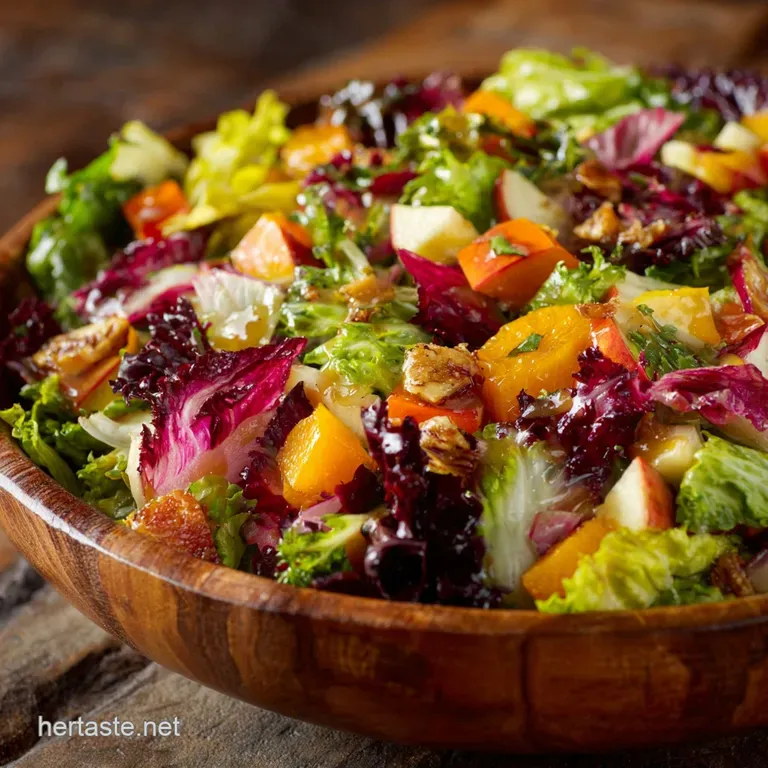
- Welcome the Season: Introducing the Harvest Jewel Autumn Chopped Salad
- The Science of Satisfaction: Why This Chopped Salad is a Complete Meal
- Gathering the Harvest: Essential Ingredients for the Perfect Autumn Chopped Salad
- From Prep to Plate: Mastering the Art of the Chop and Assembly
- Achieving Uniformity: Expert Tips for the Ultimate Chopped Texture
- Making it Ahead: Storage and Shelf Life for Your Harvest Salad
- Robust Pairings: What to Serve Alongside Your Seasonal Salad
- Recipe FAQs
- 📝 Recipe Card
Welcome the Season: Introducing the Harvest Jewel Autumn Chopped Salad
Forget flimsy summer greens that collapse the second they see dressing. This Autumn Chopped Salad brings the glorious crunch, the earthy sweetness of roasting squash, and the punchy aroma of maple right into your kitchen.
It’s a riot of harvest colour deep purple onion, vibrant emerald kale, and sunny orange butternut squash that just screams seasonal celebration.
Honestly, this recipe is a total lifesaver when you need something robust but not heavy. It works brilliantly as a quick Sunday lunch main or transitions beautifully into the best side dish for any holiday gathering.
Plus, almost every component can be prepped early in the week, saving you massive amounts of time later.
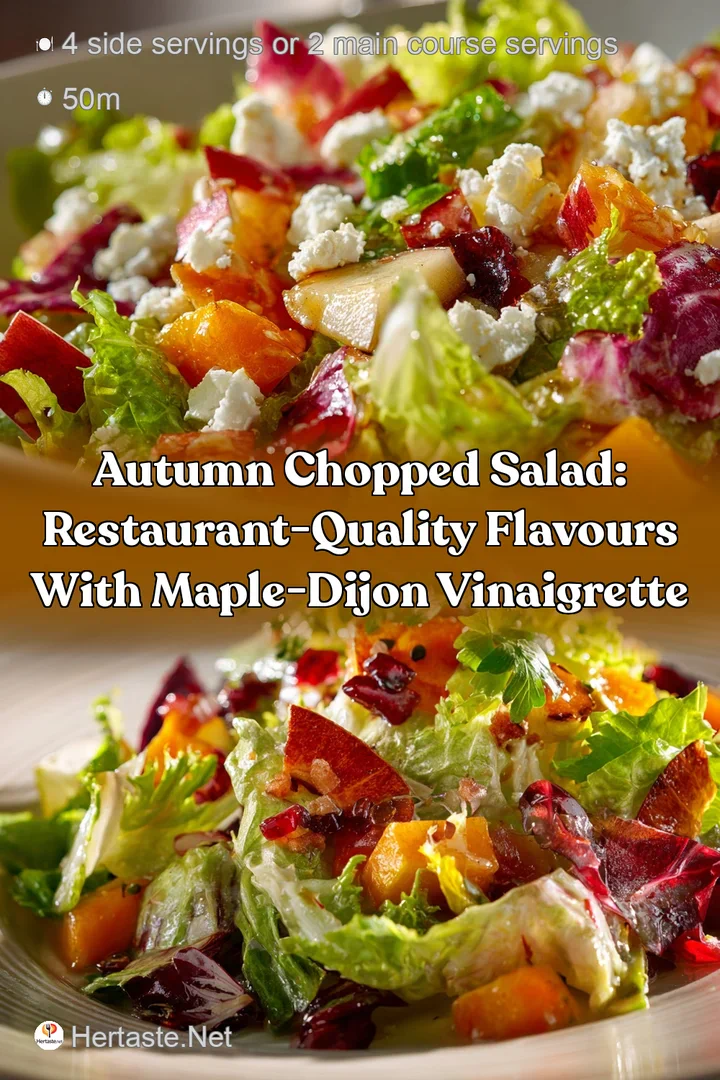
We are completely skipping the boring, predictable salads today and focusing intensely on texture and that incredible, slightly sticky Maple Mustard Vinaigrette. Trust me, the small, focused effort of uniform chopping yields massive flavour dividends in this autumn chopped salad recipe .
Let's crack on and get this harvest jewel assembled.
The Science of Satisfaction: Why This Chopped Salad is a Complete Meal
Beyond the Side Dish: Defining a Robust Autumn Meal
Most leafy salads feel like appetizers, leaving you hungry again 30 minutes later, right? This one is different because it uses the holy trinity of satisfying ingredients: complex carbohydrates from the roasted butternut squash, healthy fats from the candied pecans, and dense, nutrient rich greens like kale.
It is genuinely filling, balancing fibre and flavour perfectly.
The Secret to the Uniform 'Chopped' Technique
The entire point of a proper chopped salad is that everything should be roughly the same small size. This uniformity isn't just for good looks; it ensures you get tart apple, sweet squash, and crunchy pecans in every single forkful.
You eliminate the awkward situation where you have to hunt and peck for the "good bits" because every bite is the perfect bite.
Why the Maple Mustard Vinaigrette is the Star
The dressing has to work hard here, cutting through the natural richness of the nuts and the earthiness of the root vegetables. Our Maple Mustard Vinaigrette does this brilliantly.
Maple syrup provides that desirable sticky sweetness, while the potent Dijon mustard helps emulsify the dressing perfectly, coating every leaf without turning it soggy.
Balancing Earthy Sweetness with Acidic Brightness
Autumn ingredients can lean heavy or even a little bland if you’re not careful with your composition. We actively combat that weight by pairing the sweet roasted butternut squash with a sharply tart apple and the bite of apple cider vinegar.
This crucial contrast keeps the whole bowl tasting incredibly fresh and vibrant, making it one of the best autumn salad recipes .
The Crucial Role of Crunchy Components
Texture, my friend, is everything in a truly great salad. If the bowl is all soft, it is boring, plain and simple. The crisp Romaine base, the incredibly crunchy candied pecans, and the firm, hard apple give that essential, satisfying snap that keeps you coming back for more.
How Uniformity Enhances Flavor Delivery
When all your components the apple, the onion, the squash are diced small and evenly, the maple cider dressing adheres better to the entire mixture.
Think of it like a perfectly mixed beverage; every sip, or in this case, every bite, should deliver the full spectrum of flavour and texture.
Gathering the Harvest: Essential Ingredients for the Perfect Autumn Chopped Salad
Decoding the Greens: Textural Contrast from Your Lettuce Base
We use Romaine because it holds its structure well, even when chopped, offering a fantastic clean crispness. The addition of Lacinato kale (Dino Kale) provides a welcome heartiness and a slight chewiness. Quick tip: Never skip the step of thoroughly drying your greens, or your dressing will weep right off!
Core Ingredients for the Sticky Sweet Vinaigrette
The absolute base of this dressing is high-quality extra virgin olive oil and the sharpness of apple cider vinegar (ACV). Using real maple syrup provides a deeper, richer sweetness than white sugar or honey would. The shallot adds a crucial aromatic depth without the harshness of raw onion.
Sourcing the Best Seasonal Fruit and Nuts
Look for a hard, crisp apple variety like Honeycrisp or Gala; something that doesn't bruise easily or soften immediately when chopped. For the nuts, pecans are naturally buttery, which contrasts beautifully with the tart cranberries and salty goat cheese.
Ingredient Swaps for Dietary Needs and Availability
Don't have everything on hand? No sweat. Cooking is all about flexibility!
| Ingredient | Viable Substitution | Why it Works |
|---|---|---|
| Butternut Squash | Diced Sweet Potato or Acorn Squash | Similar starch and sweetness levels. |
| Goat Cheese | Crumbled Feta or Mild Blue Cheese | Provides necessary salty tanginess. |
| Pecans | Toasted Walnuts or Slivered Almonds | Keeps the essential crunchy texture. |
| Apple Cider Vinegar | White Wine Vinegar or Lemon Juice | Maintains the required acidic profile. |
| Maple Syrup | Good quality Honey | Provides the stickiness and residual sweetness. |
From Prep to Plate: Mastering the Art of the Chop and Assembly
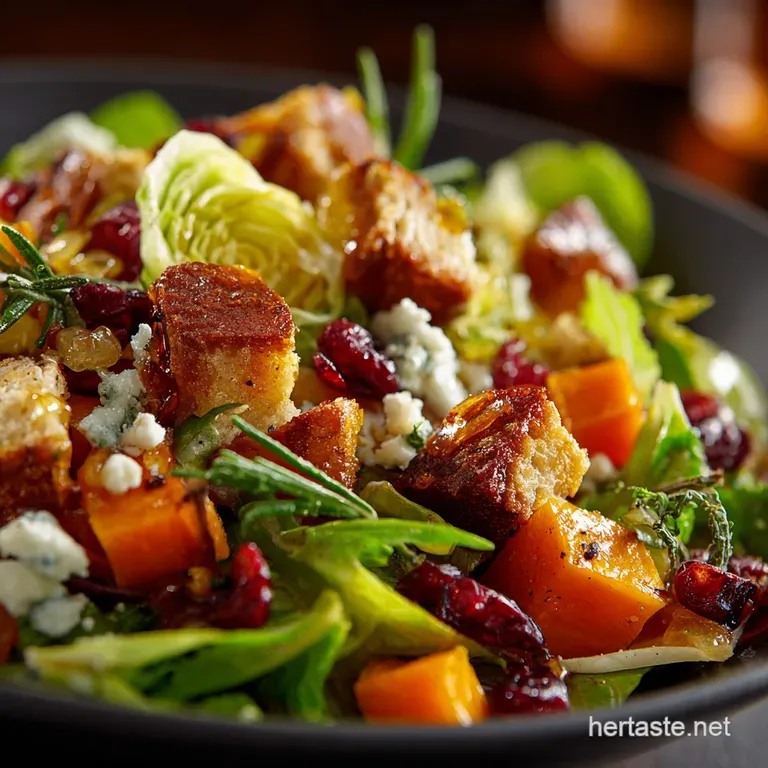
Step 1: Prepping the Hard Components and Root Vegetables
Preheat your oven to 400°F (200°C). Toss your 1 cm butternut squash cubes with olive oil, salt, and pepper and roast for 15 minutes. This gives them a head start. Now, here is a crucial mistake I once made: I tried to add the pecans too early and they burned!
After those 15 minutes, add the pecans to the tray, drizzle them only with maple syrup, and return them for 5– 7 minutes. Pull the tray when the squash is tender and the pecans are fragrant and slightly caramelized.
Let them cool completely warm squash will instantly wilt your lettuce.
Step 2: Whisking the Maple Mustard Dressing to Emulsion
In a small jar, combine all your vinaigrette components: the olive oil, ACV, Dijon mustard, maple syrup, and minced shallot. Put the lid on tight you need serious arm power here. Shake vigorously for a good 30 seconds until the mixture is cloudy and looks slightly thickened.
That’s your emulsion, meaning the oil and acid have temporarily bonded! Taste it. Does it need more salt? Adjust now.
Step 3: The Final Toss: When and How to Dress the Salad
First, place your chopped Romaine and kale in the largest bowl you own. Grab about a teaspoon of the finished dressing and gently rub it into the kale for 30 seconds. This simple act tenderizes it and makes it far easier to chew. Then, add the cooled squash, candied pecans, diced apples, and dried cranberries.
Just before serving, pour three quarters of the dressing over the top and toss gently but thoroughly until everything is lightly coated. Then, transfer the autumn chopped salad with maple cider dressing to your serving platter and top with those glorious goat cheese crumbles.
Chef’s Note: Do NOT dump all the dressing in at once. You want enough to coat, but not so much that the bottom of the bowl is swimming. Always start with less and add more if needed.
Quick Reference: Printable Recipe Card
(The printable recipe card outline from the plan goes here, detailing ingredients and steps briefly.)
Achieving Uniformity: Expert Tips for the Ultimate Chopped Texture
The Knife Skills Needed for a True Chopped Finish
You don't need fancy Japanese knives, but you do need a sharp chef's knife and a large cutting board. Start by chopping the Romaine into small ribbons, then chop those ribbons crosswise. For the harder items like the apple and squash, aim for a 1 cm dice. That’s about the size of a standard dried cranberry.
This makes the salad incredibly easy to eat.
Troubleshooting a Wilted or Soggy Salad
If your salad is turning soggy, one of two things happened: A) Your greens were not dry enough, or B) You added warm roasted squash. If you’re battling moisture, you must ensure everything is cold and dry.
For a quick fix, toss the soggy ingredients gently with a pinch of fresh salt and a touch of neutral oil not more dressing and serve immediately.
Adjusting Vinaigrette Consistency for Optimal Coating
If you find your dressing is too thin, it means your oil and acid aren't bonding properly, or you need a stronger emulsifier. Try adding half a teaspoon more Dijon mustard and shake again violently. If it’s too thick, thin it out gently with a single teaspoon of water or a little splash of apple juice.
Making it Ahead: Storage and Shelf Life for Your Harvest Salad
Separating Components for Maximum Freshness
This is the key to successful meal prep! You should never store a dressed salad. Keep all the components in separate airtight containers in the fridge.
- Vinaigrette: The Maple Mustard Dressing holds up beautifully for 5 7 days in the refrigerator. Just give it a good shake before using, as it might separate slightly.
- Roasted Components (Squash/Pecans): These should be stored together and last 3 4 days.
- The Chopped Base (Greens/Apples/Cranberries/Onion): The lettuce and kale, provided they are completely dry, will stay crisp for about 2 days. For longer storage, slice the apple just before assembly to prevent browning.
Ideal Refrigerator Storage Times for Undressed Salad
If you mix the chopped Romaine, kale, cranberries, and onion, expect a crisp shelf life of about 48 hours. Always add the goat cheese, dressing, and apples right before serving.
Addressing the Question: Can You Freeze Any Part of This Recipe?
Absolutely not! Freezing lettuce, apples, or dressed goat cheese results in a watery, mushy mess when thawed. The only component that could technically be frozen is the roasted butternut squash, but thawing it often results in a slightly grainy texture, which isn't ideal for a chopped salad . Save the freezing for something like my Cranberry Jello Salad with Cream Cheese Topping (The Layered Classic) .
Robust Pairings: What to Serve Alongside Your Seasonal Salad
This Harvest Jewel Chopped Salad is hearty enough to stand alone, but it truly shines when paired with warming main courses or comforting desserts. It is the perfect counterpoint to any heavy protein.
For a holiday spread, this salad pairs beautifully next to a classic turkey dinner or a roasted ham. If you're looking for lighter, contrasting sides, you might want to look at my lighter Cranberry Fluff Salad: The Easiest No-Bake Holiday Side Dish for another easy option.
If you’re serving this as a main course for lunch, consider pairing it with a simple slice of toasted sourdough bread drizzled with garlic oil. And for dessert? You absolutely must try the comforting stickiness of my Caramel Apple Cheesecake Bars: Silky Autumn Squares with Salted Caramel . That dessert and this salad? Peak autumn perfection.
Recipe FAQs
How far in advance can I prepare this Autumn Chopped Salad?
To maintain peak crispness, keep the greens, hard vegetables, and dressing separate until serving time. You can chop all components (excluding the delicate apples) and store them airtight in the refrigerator for up to 48 hours. The vinaigrette should be whisked and added immediately before serving.
My kale and shaved Brussels sprouts are tasting tough or bitter. How can I troubleshoot this?
Hearty greens benefit immensely from 'massaging.' Before adding any other ingredients, gently rub the kale and sprouts vigorously with about a teaspoon of olive oil and a small pinch of salt. This process breaks down the cellular structure, tenderizing the leaves and removing any undesirable bitterness.
Can I make the Harvest Jewel Salad vegan or entirely dairy-free?
Yes, this modification is straightforward. Simply omit the specified cheese or replace it with a generous portion of roasted, spiced pecans or pumpkin seeds for a textural crunch. Ensure that any purchased maple syrup is pure and does not contain non-vegan additives or honey.
My Maple Mustard Vinaigrette looks separated and thin. How can I ensure a better emulsion?
Separation usually means the oil and acid have not bound properly. To fix this, place the dressing ingredients back into a jar or bowl, and while whisking aggressively, slowly stream in about half a teaspoon of warm water.
The Dijon mustard acts as a natural emulsifier, but sometimes the warm water provides the necessary bridge for a stable mixture.
I don't have butternut squash on hand. What is a suitable seasonal substitute?
Delicata or sweet potato are excellent seasonal substitutes for butternut squash, offering similar earthiness and sweetness when roasted. Ensure that whichever option you choose is roasted until it is tender and exhibits slight caramelization on the edges to achieve the necessary sweetness profile.
Why is the uniformity of the "chopped" technique so critical for this specific salad?
The culinary objective of a true "chopped" salad is textural balance; every component should be roughly the same size. This consistency ensures that the vinaigrette evenly coats all ingredients, and you receive a perfect medley of crunch, softness, and flavor in every single forkful.
Without uniform chopping, flavors can be overwhelming or lacking in certain bites.
How should I store leftovers, and how long are they safe to eat once dressed?
Unfortunately, once the salad is dressed, the acid and salt in the vinaigrette begin breaking down the greens and vegetables rapidly. Leftovers should be stored immediately in an airtight container and consumed within 24 hours. After that time, the salad will become noticeably soggy and lose its desirable texture.
Autumn Chopped Salad With Vinaigrette
Ingredients:
Instructions:
Nutrition Facts:
| Calories | 578 kcal |
|---|---|
| Protein | 12.3 g |
| Fat | 48.9 g |
| Carbs | 28.0 g |
