The Best Ever Shrimp Etouffee a Taste of the Bayou
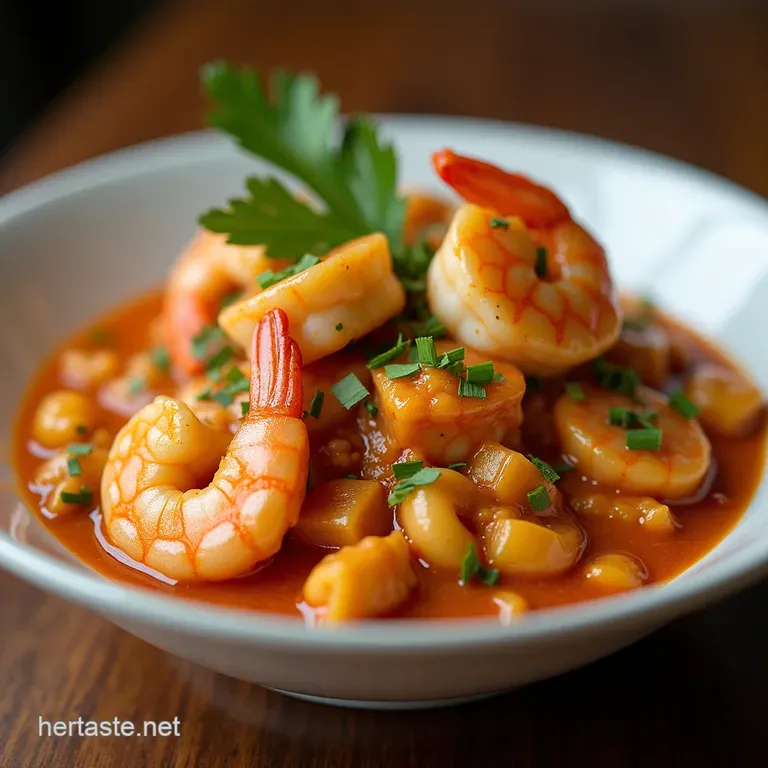
- Unlocking the Soulful Depths of Authentic Shrimp Etouffee
- Why This Etouffee Recipe Sits Atop the Comfort Food Pyramid
- Assembling Your Bayou Bounty: Essential Components for Superior Shrimp Etouffee
- The Alchemy of Flavor: Step-by-Step Cooking Guide
- Elevating Your Meal: Pairing Perfection for Your Shrimp Etouffee
- Troubleshooting and Long-Term Enjoyment of This Classic Dish
- Recipe FAQs
- 📝 Recipe Card
Unlocking the Soulful Depths of Authentic Shrimp Etouffee
Right then, pull up a stool! Today, we’re diving deep into the heart of Louisiana comfort food with a cracking Shrimp Etouffee . It’s rich, deeply savoury, and warming the culinary equivalent of wrapping yourself in a cosy blanket on a blustery day.
This isn't just another weeknight meal; it’s a celebration of slow building flavour, anchored by that glorious roux. This recipe delivers a classic, deeply satisfying Shrimp Etouffee , originating from the Creole and Cajun kitchens of South Louisiana.
The magic lies in creating a perfect brown roux, which provides a nutty, complex depth, followed by layering the "Holy Trinity" (onion, celery, bell pepper) before simmering the plump shrimp in a richly spiced, tomato tinged sauce. It’s savoury, slightly spicy, and utterly addictive when spooned over fluffy rice.
Why This Etouffee Recipe Sits Atop the Comfort Food Pyramid
Creating an Authentic Shrimp Etouffee requires a specific mindset: one of patience and respect for the foundation of Cajun cooking. While some might deem this an advanced dish, I assure you, with clear guidance, anyone can achieve this spectacular result.
This is a Medium difficulty undertaking, primarily because mastering the roux demands unwavering attention. Once that base is established, the remainder of the Shrimp Etouffee Recipe unfolds into a smooth, satisfying rhythm.
The Storied Heritage of Louisiana's Beloved Stew
Etouffee, meaning "smothered" in French, embodies the resourceful spirit of Louisiana cooking. Unlike a thicker gumbo, the definitive New Orleans Shrimp Etouffee aims for a sauce consistency that coats but doesn't completely engulf the ingredients it should allow the flavour of the shrimp to shine through the rich seasoning.
It’s a dish perfected over generations, often utilizing whatever fresh catch was available, though today, shrimp reigns supreme in many variations, making this a fantastic Easy Shrimp Etouffee option for beginners willing to commit to the roux process.
Defining the Perfect Etouffee Experience: Richness vs. Lightness
The eternal debate centers on the roux. While some recipes favour a quick, blonde roux for a lighter colour and quicker preparation, the truly profound flavour profile, the kind you might compare favourably to Pappadeaux Shrimp Etouffee , relies on a darker foundation.
We are aiming for a dark peanut butter to milk chocolate hue nutty, deep, and complex which contributes significant body to the final sauce without tasting burnt. This richness is what separates a good stew from an exceptional one.
A Culinary Invitation: Setting the Stage for Savory Bliss
With a total time commitment hovering around an hour and a half, this dish proves that profound flavour doesn't need an entire weekend. We’re blending the savoury depth of the roux with the bright aromatics of the "Holy Trinity" (onions, celery, and bell pepper) and the punch of cayenne.
This careful layering sets the stage for the plump shrimp, which are introduced only at the very end to ensure perfect tenderness. We want the result to be reminiscent of the masterful techniques taught by chefs like Emeril Shrimp Etouffee showcases deeply seasoned, perfectly textured, and undeniably Louisiana.
Assembling Your Bayou Bounty: Essential Components for Superior Shrimp Etouffee

To achieve the best Cajun Shrimp Etouffee Recipe results, attention must be paid to the quality and preparation of the raw materials. Having everything prepped before you turn on the heat is crucial, especially when dealing with the rapid cooking time of the roux.
The Fundamental Flavor Architects: Roux, Trinity, and Stock
The backbone of this dish rests on three pillars. First, the roux, made simply from equal parts fat (vegetable oil in our case for a higher smoke point) and all-purpose flour, cooked to that signature dark brown.
Second, the Holy Trinity equal parts diced onion, celery, and green bell pepper must be diced finely so they integrate seamlessly into the sauce, sweating down to natural sweetness. Finally, the liquid component: a good quality, low-sodium chicken or seafood stock is vital.
Warming this stock slightly before adding it to the roux prevents seizing and ensures a velvety smooth sauce base.
Choosing the Right Crustaceans: Tips for Selecting Peak Freshness
For 1 1/2 pounds of shrimp, aim for large or jumbo size, peeled and deveined. Whether you leave the tails on is purely aesthetic, but keeping them on can sometimes add a subtle sweetness during the brief cooking time.
The key is freshness; look for shrimp that are firm and have a slight saline aroma, not a strong fishy smell. Since they only require 3– 5 minutes to cook, they should be added when everything else is ready to go.
Necessary Equipment for Flawless Execution
Your primary tool here is a heavy bottomed Dutch oven or a similarly deep, wide pot. This ensures even heat distribution across the base, which is non-negotiable when making a dark roux. Uneven heating leads to scorching, and a scorched roux means starting over.
You’ll also need a good whisk for the initial stages and a sturdy wooden spoon for stirring the vegetables and sauce.
The Spice Symphony: Balancing Heat and Depth
The seasoning defines the Cajun character. We rely on classic dried herbs like thyme and oregano, augmented by a bay leaf for subtle background flavour. However, the crucial element is cayenne pepper; 1/2 teaspoon provides a pleasant warmth, but adjust this based on your tolerance.
Remember, seasoning is added in stages some in the initial simmering, and final adjustments made right before serving, as the simmering process concentrates these profiles.
Related Recipes Worth Trying
- The Best Authentic Shrimp Creole Recipe Rich Flavorful — Skip the bland stuff This genuine Shrimp Creole recipe builds deep flavour using the Holy Trinity for an unforgettable Southern comfort food experience
- The Best Easy Shrimp Creole Recipe for Authentic Flavor — Get the Best Shrimp Creole Recipe that brings Louisiana soul to your table This authentic version is surprisingly easy and packed with rich tomato sauce
- Authentic Shrimp Creole Recipe Rich Flavor Easy Prep — Master this authentic Shrimp Creole recipe We show you how to build a deep rich sauce using the Holy Trinity for a taste of New Orleans Serve over rice tonight
The Alchemy of Flavor: step-by-step Cooking Guide
The journey to a perfect Shrimp Etouffee is structured in distinct phases, each building upon the last to create complexity. We begin with transformation, move to integration, and conclude with gentle simmering.
Mastering the Slow Build: Key Turning Points in Etouffee Construction
The entire process hinges on managing heat and patience. We are transforming simple flour and oil into a flavour agent through slow caramelization.
Forging the Deepest Brown Roux: Patience is Your Primary Ingredient
Over medium low heat, combine the 1/2 cup of vegetable oil and 1/2 cup of flour. This step demands constant, uninterrupted whisking for 25 to 35 minutes. Your goal is a colour resembling dark chocolate. This process extracts incredible nutty, toasted notes.
If you see wisps of thick smoke, immediately pull the pot off the heat for a moment to cool slightly, then resume stirring. Stop immediately when you hit that deep, rich hue.
Sautéing the Holy Trinity Until Sweet Submission
As soon as the roux achieves its dark colour, the heat must be managed to prevent burning. Immediately dump in your finely diced onion, celery, and bell pepper. The vegetables' moisture will halt the roux’s cooking process.
Stir vigorously, allowing them to sauté in the roux for about 8 to 10 minutes until they soften and begin to yield their inherent sweetness. Next, stir in the minced garlic and 2 tablespoons of tomato paste, cooking for just one minute until fragrant.
Simmering the Foundation: Developing the Sauce's Body
Now, we introduce the liquids. Slowly, ladle by ladle, whisk in your warmed chicken or seafood stock. It is vital to whisk thoroughly after each addition to dissolve the roux smoothly into the stock, avoiding lumps.
Once all the liquid is incorporated, stir in the can of diced tomatoes (undrained), Worcestershire sauce, dried thyme, oregano, bay leaf, and the initial dose of cayenne, salt, and pepper.
Bring the entire mixture up to a gentle simmer, partially cover the pot, and allow it to cook low and slow for a full 30 minutes. This simmering time allows the roux to fully integrate and thicken the sauce to the correct coating consistency.
The Final Flourish: Gently Incorporating the Shrimp
Once the sauce has developed beautifully, it’s time for the star of the show. Raise the heat slightly to maintain a steady simmer. Gently fold in the 1 1/2 pounds of peeled and deveined shrimp. They require very little time typically 3 to 5 minutes.
Watch them closely; once they turn pink and opaque, they are done. Overcooking them here will result in a rubbery texture, which is the cardinal sin of any well made Shrimp Etouffee . Immediately remove the bay leaf, taste the sauce, and adjust your final salt and pepper levels.
Elevating Your Meal: Pairing Perfection for Your Shrimp Etouffee
A dish this rich and flavourful demands specific accompaniments that can either balance the richness or serve as the perfect vehicle for soaking up that incredible sauce.
Recommended Side Dishes to Soak Up Every Last Drop
The classic, essential partner for any Etouffee is hot, fluffy, long grain white rice. The starch from the rice is designed perfectly to absorb the sauce without becoming soggy. Beyond that, consider adding texture and freshness.
Simple, lightly seasoned steamed green beans or blanched asparagus tossed with fresh lemon zest provide a necessary green counterpoint to the deep flavour of the stew. For maximum comfort, a side of crusty French bread or warm, slightly sweet cornbread is non-negotiable for mopping the plate clean no morsel of that gorgeous sauce should go to waste!
Navigating the Spice Level: Customizing Heat Profiles
If you are serving guests with varying heat tolerances, remember that cayenne is our primary source of fire. You can start with just 1/4 teaspoon in the simmering stage and reserve the rest. After the 30-minute simmer, taste the sauce.
If it needs more heat, stir in small pinches of additional cayenne until you reach your preferred level of warmth. This ensures everyone enjoys their Shrimp Etouffee .
Troubleshooting and Long Term Enjoyment of This Classic Dish
Even expert cooks sometimes face minor hiccups. Knowing how to course correct ensures your effort isn't wasted, and understanding storage preserves that amazing flavour for later enjoyment.
Proper Storage Protocols for Leftover Etouffee
Etouffee stores exceptionally well, often improving overnight as the flavours meld further. Once cooled slightly, transfer the finished dish (without the rice) to an airtight container. It will keep well in the refrigerator for 3 to 4 days. When reheating, do so gently on the stovetop over low heat, stirring often.
If the sauce seems too thick upon reheating, thin it out with a splash of warm seafood or chicken stock. Freezing is also an option for up to three months, provided you freeze it without the rice.
Creative Variations: Exploring Alternative Seafood Additions
While we focused on shrimp, the beauty of Etouffee lies in its adaptability. If you prefer shellfish, this exact preparation works perfectly as Crawfish Etouffee; simply substitute the 1 1/2 pounds of shrimp with pre-cooked crawfish tails, adding them during the final 3 minutes of cooking just as you would the shrimp.
For a more luxurious touch, a combination of shrimp and small pieces of firm white fish, like redfish or snapper, can also be incorporated.

Recipe FAQs
I’m worried about the roux; how dark should it really be for this Shrimp Etouffee recipe?
Ah, the roux the heart and soul of the dish! You're aiming for a colour somewhere between peanut butter and milk chocolate, definitely darker than golden brown. It needs to be nutty but not burnt; if you see wisps of heavy smoke or smell burning toast, take it off the heat immediately!
Patience here is key, so keep that whisk moving constantly over medium low heat.
Can I make this dish ahead of time, or does Shrimp Etouffee need to be eaten straight away?
While it’s tempting to dive in immediately, this recipe genuinely benefits from sitting overnight, much like a Sunday roast. The deep Cajun spices need time to meld together, making the flavour much more complex the next day.
Just store leftovers carefully in the fridge and add the shrimp in the last five minutes of reheating so they don't turn rubbery.
What can I use instead of shrimp if I don’t like shellfish or need a variation?
You have a couple of cracking options if you’re avoiding shrimp! For the most traditional swap, use 1 1/2 lbs of peeled, cooked crawfish tails instead that makes it Crawfish Etouffee, a proper classic.
Alternatively, firm chunks of boneless, skinless chicken thigh work wonderfully as they stand up well to the long simmering time.
My sauce seems a bit thin after simmering; how can I thicken this Shrimp Etouffee properly?
If your sauce is running like water, don't fret; it’s usually an issue of not simmering long enough, or perhaps your roux wasn't quite as robust as it needed to be. The easiest fix is to make a small 'slurry' of cornstarch mixed with a tablespoon of cold water, stir it into the simmering sauce, and cook for about two minutes until it thickens up.
If you’re feeling traditional, a sprinkle of filé powder stirred in off the heat also adds body.
How spicy should this be? Can I tone down the heat for less adventurous eaters?
Authentic Etouffee definitely needs a bit of a kick, so we call for half a teaspoon of cayenne, but you can absolutely adjust that down to a mere pinch if you prefer it mild. If you want to keep the deep flavour profile without the chilli burn, you can omit the cayenne entirely and use a splash of your favourite hot sauce right at the table, letting everyone customise their own heat level.
Authentic Shrimp Etouffee Recipe

Ingredients:
Instructions:
Nutrition Facts:
| Calories | 1818 kcal |
|---|---|
| Protein | 27.1 g |
| Fat | 16.1 g |
| Carbs | 158.0 g |
| Fiber | 51.2 g |
| Sodium | 638 mg |
