Authentic Bengali Rasgulla Spongy Clouds Chhena Masterclass
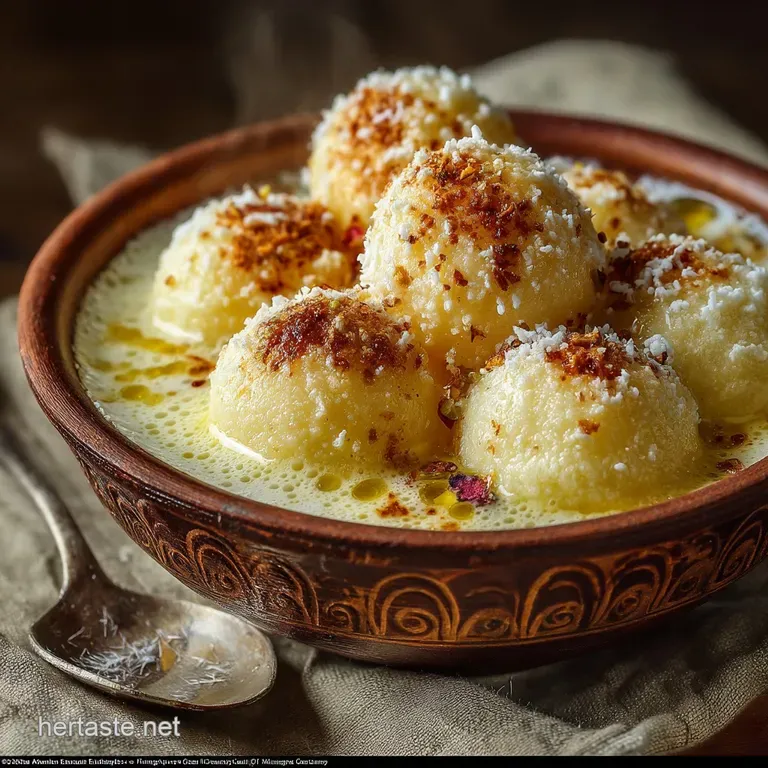
Unlocking the Secret to Authentically Spongy Rasgulla
The pursuit of the perfect, melt-in-your mouth Rasgulla is a journey every dedicated home cook must undertake. This iconic Indian sweet, which translates to "syrup ball," stands apart from other dairy based desserts due to its exceptionally light, airy, and inherently spongy texture.
Achieving this texture relies less on elaborate ingredients and more on rigorous attention to technique, particularly the preparation of the curd base. When executed flawlessly, the homemade Rasgulla recipe results in sweet spheres that are juicy, fragrant, and far superior to any store-bought equivalent.
Why Homemade Chhena is the Foundation of Perfect Rasgulla
The heart of any successful Rasgulla dessert is chhena , which is essentially fresh, soft curdled milk. Unlike the firm block of paneer typically used for savory dishes, chhena must possess a delicate, pliable consistency.
Since the finished chhena constitutes over 90% of the Rasgulla ingredients , its quality is non-negotiable. If you try to make Rasgulla from paneer that has been pressed too hard or is store-bought and pre-refrigerated, the resulting dumplings will be dense, grainy, and unable to absorb the sugar syrup, yielding a tough texture.
By controlling the curdling, draining, and kneading process at home, we ensure the chhena retains just the right amount of moisture and fat needed for elasticity and volume expansion during cooking.
What Makes Bengali Rosogolla Different from Tinned Sweets?
The authentic Bengali Rosogolla (the regional pronunciation) is famed globally for its almost ethereal lightness. This differs significantly from the dense, sometimes chewy texture found in mass produced versions, such as those often sold by brands like Rasgulla Haldiram in tins.
Tinned sweets, while convenient, are typically processed to maximize shelf life, often resulting in a product with a harder outer shell and less syrup absorption. In contrast, the homemade version achieves a truly spongy cellular structure, allowing the clear, thin sugar syrup to fully saturate the interior.
This critical sponginess is the benchmark for the dessert and is the primary factor that elevates the fresh preparation.
A Brief History: The Sweet Dispute Between Bengal and Odisha
No discussion of the Rasgulla dessert is complete without acknowledging its debated history. While Bengal traditionally claims the modern Rosogolla originating in Kolkata in the mid-19th century, the state of Odisha fiercely contests this, citing historical evidence of a similar dairy sweet offered at the Puri Jagannath temple dating back centuries.
Both regions successfully obtained Geographical Indication (GI) tags Bengal for the "Banglar Rosogolla" and Odisha for the "Odishara Rasagola." Regardless of its precise birthplace, the widespread popularity of this dairy delight confirms its standing as one of South Asia’s most beloved sweet creations.
Essential Building Blocks: high-quality Ingredients for Chhena
Achieving the perfect chhena requires minimal but highly specific Rasgulla ingredients . The simplicity of the component list means there is absolutely no room for compromise on quality.
Selecting the Best Milk for Optimal Curdling Results
To create high-quality chhena , you must use full fat (whole) milk. The fat content is crucial for the richness and pliability of the final product. We use approximately 1 litre (1 quart) of milk for this recipe. Crucially, avoid Ultra High Temperature (UHT) processed milk.
UHT milk’s protein structure is altered, often resulting in rubbery or poor quality curds that are difficult to knead into a smooth dough, which ultimately leads to cracked Rasgullas.
Opt for pasteurized, non-homogenized whole milk whenever possible, bringing it to a rolling boil before initiating the curdling process.
Acid Agents Compared: Lemon Juice vs. Vinegar for Paneer Making
The curdling agent is responsible for separating the milk proteins. While many recipes recommend using 3 tablespoons of freshly squeezed lemon juice, diluted with an equal amount of water, white vinegar serves as an equally effective and consistent alternative. The key step, regardless of the agent chosen, is dilution.
Never add concentrated acid directly to the hot milk. Slow, gentle introduction of the diluted acid ensures that the chhena forms into soft, velvety curds, not tough, granular pieces.
Immediately following separation, the curds must be thoroughly rinsed to eliminate any residual sour flavor imparted by the acid.
Necessary Kitchen Tools: From Muslin Cloth to Pressure Cooker
While the cooking process is straightforward, the right equipment is essential for technical success. The most vital tool is a high-quality muslin cloth or clean cheesecloth .
This porous material is necessary for both straining the curds from the whey and for the subsequent critical step of hanging and draining. For the actual cooking, you will need a deep, wide vessel, ideally a pressure cooker or a large, heavy bottomed pan with high walls.
The rapid boiling technique requires the Rasgullas to be completely submerged, and the vessel must accommodate the dramatic doubling in size the balls undergo as they expand.
Related Recipes Worth Trying
- Authentic Bengali Rasgulla Recipe Spongy Perfection at Home — Master the perfect spongy texture of authentic Bengali Rasgulla using homemade chhena Forget the tinned stuffthis traditional recipe is meltinyourmouth magic
Phase One: Mastering the Chhena Preparation
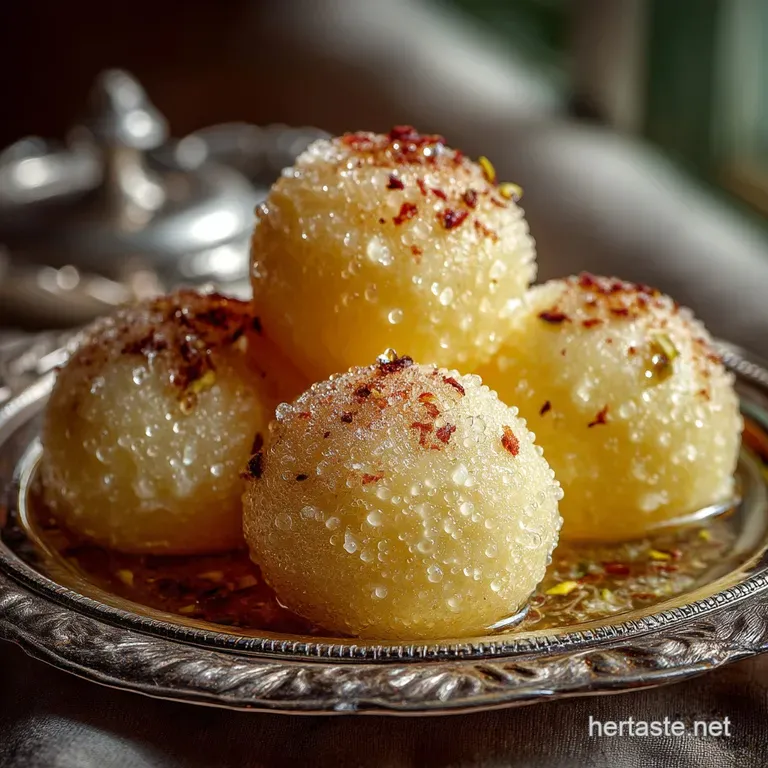
The initial step focuses entirely on transforming milk into the foundational curd. Start by heating the milk gently, stirring constantly to prevent scorching at the base, and bring it to a full, rolling boil. Immediately reduce the heat, and begin drizzling in your diluted acid mixture.
Stir very gently over-agitating can toughen the chhena . You will quickly observe the separation into pale green whey and white curds. Once fully separated, immediately pour the entire contents into the muslin lined sieve.
Thoroughly rinse the chhena under cold running water to stop the cooking process and eliminate all acidic remnants, ensuring the final product tastes clean and milky sweet.
Phase Two: The Science of Syrup and Expansion
With the chhena prepped, the next stage involves manipulating its moisture content and then executing a precise cooking method to maximize sponginess.
The Art of Draining: Achieving the Right Moisture Level
The moisture level of the chhena is the single most significant factor dictating success. After the initial rinse, gather the muslin cloth edges, gently squeeze out the bulk of the water, and then hang the bundle for a minimum of 1. 5 hours. This passive draining time is crucial.
If the chhena is too wet, the Rasgulla balls will disintegrate in the boiling syrup. If it is too dry (which can happen if left hanging overnight), they will form hard, non-spongy dumplings. The goal is a texture that is crumbly yet cohesive, similar to soft playdough.
Kneading Technique: Transforming Chhena into a Smooth Dough
Once drained, transfer the chhena to a large, flat surface. This is where physical labor comes in. Use the heel of your palm to mash, smear, and knead the chhena for a focused 8 to 10 minutes.
This process breaks down any residual grains and releases the natural milk fats, transforming the curds into a homogeneous, silken dough. If the dough feels slightly delicate, incorporating 1 teaspoon of fine semolina (or maida ) at this stage acts as a binding agent, helping to prevent the balls from dissolving when they hit the hot syrup.
The finished dough should be smooth enough to roll without cracking.
Rolling the Perfect Spheres (Avoiding Cracks)
Divide the kneaded chhena into 15 equal portions. Take care to roll each portion between your palms until it is a perfectly smooth, crack free sphere. Any crack, however small, will expand in the boiling syrup, causing the ball to split open or collapse.
Keep the finished balls covered with a damp cloth to prevent them from drying out while you prepare the syrup.
Building the Signature Light Sugar Syrup
Unlike the thick, sticky syrup used for sweets like Gulab Jamun, the syrup for Rasgulla must be thin and watery to encourage maximum absorption. Combine 2 cups of white granulated sugar with 6 cups of water in your deep cooking vessel, along with 6 to 8 lightly crushed green cardamom pods.
Bring this mixture to a rigorous, rolling boil. The high volume of water ensures the syrup remains thin and the temperature stays consistent, which is paramount for expansion.
Rapid Boiling: Achieving Maximum Rasgulla Expansion
The successful expansion of the Rasgulla from paneer relies on maintaining a furious boil throughout the entire cooking process. Gently drop the crack free chhena balls into the rapidly boiling syrup one-by-one.
The initial heat causes steam to build up inside the milk solids, which forces the structure to expand and become spongy. Cover the pan tightly and allow the dumplings to cook on high heat for 15 minutes. They should double in size.
After the initial expansion, uncover the pan and continue boiling for another 10 to 15 minutes to fully cook the center, allowing some steam to escape.
Resting and Cooling: The Final Step to Juiciness
Once cooked, the Rasgulla will be perfectly formed but still hot and fragile. Turn off the heat and stir in 1 teaspoon of rose water (or kewra water) for fragrance. Do not remove the sweets from the syrup.
Allow them to cool completely at room temperature, continuing to absorb the liquid. Finally, transfer the Rasgullas and their syrup to the refrigerator to chill for a minimum of four hours, though overnight chilling is always recommended for the best flavor and texture.
Troubleshooting and Expert Tips for Rasgulla Success
Even seasoned cooks can face challenges when preparing this technical dessert, but understanding common pitfalls ensures future success.
Why Did My Rasgullas Crack or Disintegrate in the Syrup?
Disintegration is the most common failure point and almost always links back to the chhena preparation. If the balls dissolve, the chhena was either too moist (insufficient draining time, like less than 1.
5 hours) or it was under kneaded, leaving the dough grainy and lacking the binding structure. If the Rasgulla cracks but holds its shape, the fault lies with the rolling technique the surface was not perfectly smooth or the chhena was too dry, preventing it from expanding uniformly.
Storage and Shelf Life: Keeping Them Fresh and Moist
Homemade Rasgullas are best served chilled, straight from the syrup. They should always be stored submerged in their syrup in an airtight container in the refrigerator. Properly stored, they maintain their quality for about one week.
Unlike packaged versions, fresh Rasgullas benefit significantly from the overnight soak, as the texture and flavor deepen considerably.
Flavor Variations: Introducing Saffron or Rose Water
While the classic preparation relies on the subtle fragrance of green cardamom and rose water, there are elegant variations. For a rich, golden hue and aromatic depth, try making Kesar Rasgulla .
Simply steep a few strands of saffron in a tablespoon of warm milk and add this liquid directly to the sugar syrup during the initial boil. Another popular option is using kewra water, which offers a distinctly floral aroma, particularly popular in North Indian variations.
Understanding the Nutritional Profile of This Dairy Dessert
While they are unquestionably a delicious indulgence, it is helpful to understand the nutritional profile of this sweet. A single, standard sized Rasgulla calories count is estimated to be around 180 kcal, with the majority derived from the absorbed sugar.
Compared to other Indian sweets, the primary ingredient is pure milk protein, making it relatively lower in fat than fried counterparts like Gulab Jamun. For those comparing Rasgulla vs Rasmalai , Rasmalai involves soaking the spongy dumplings in rich, thickened, sweetened milk ( rabri ), resulting in a significantly higher calorie and fat count than the simple syrup base of a classic Rasgulla.
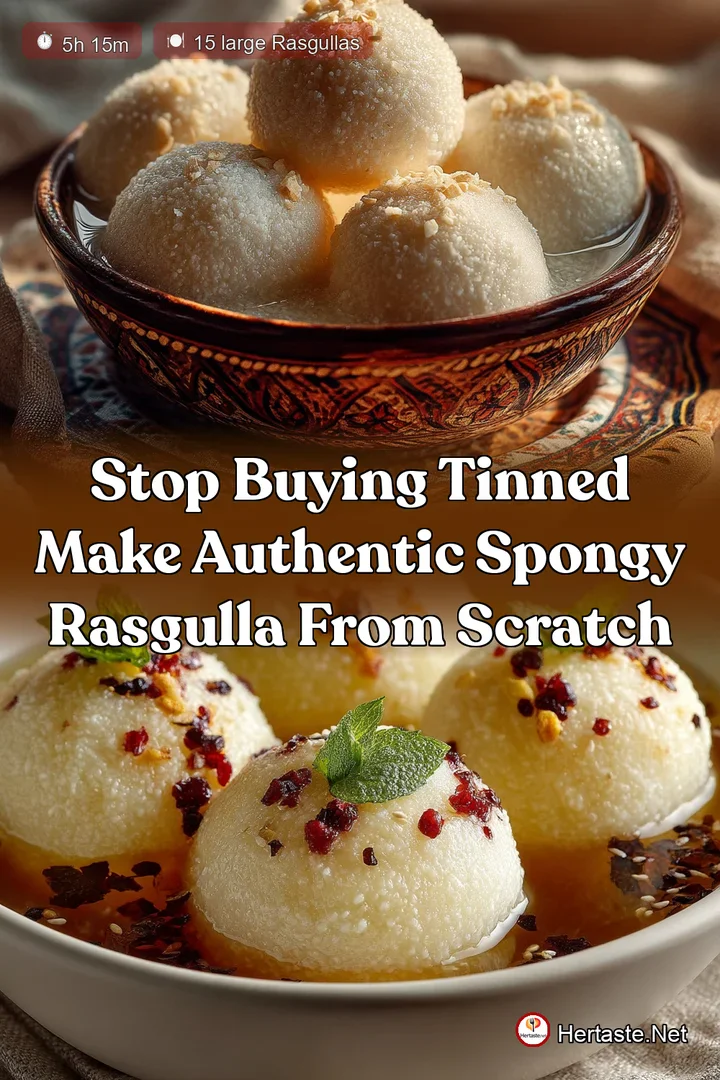
Recipe FAQs
Help! My Rasgulla balls dissolved in the syrup. What went wrong?
Ah, the classic sinker! This common disaster is usually down to the chhena (curds) having too much moisture or being severely under kneaded. If the dough is too wet, it won't hold its shape in the boiling water, turning into a milky mess instead of a perfect sphere.
Make sure you drain the chhena until it feels like soft playdough and that your finished balls are perfectly smooth and crack free before they hit the pan.
My finished Rasgullas are a bit tough and chewy, not spongy clouds. How do I achieve that perfect soft bounce?
If your sweets are coming out tough rather than airy, you’ve likely over kneaded the chhena, which releases too much fat and results in a rubbery texture. Secondly, the syrup must maintain a furious, rolling boil throughout the cooking time.
This high heat and steam force the dumplings to expand rapidly, which is the secret to that magnificent, light, melt-in-your mouth sponginess.
What’s the best way to store these beautiful sweets, and how long do they keep?
Rasgulla must always be served chilled! Store them completely submerged in their syrup in an airtight container in the fridge; they will happily last for 5 to 7 days, giving you plenty of time to enjoy them with a nice cup of tea.
If you want them to keep longer, ensure your storage syrup is fresh and that the container is spotlessly clean.
Can I use shop bought paneer instead of making the fresh chhena?
I wouldn't recommend it, to be honest. Shop bought paneer is pressed much too firmly, making it dry and dense, which will inevitably result in hard, granular Rasgullas that lack that distinctive light texture.
For truly authentic, melt-in-the-mouth results, you really must make the fresh chhena at home, ensuring it has that crucial high moisture content that only soft, homemade curds can provide.
Is there a way to reduce the sugar content without ruining the final texture?
You absolutely can cut back a little, but remember that sugar is essential for both flavour and texture in this recipe. Try replacing half of the granulated sugar with a heat stable sugar substitute like erythritol, which works well in thin syrups.
Alternatively, you can always make the syrup thinner than instructed and gently squeeze out the excess liquid before serving to reduce the overall sugar intake.
Authentic Bengali Rasgulla Recipe
Ingredients:
Instructions:
Nutrition Facts:
| Calories | 122 kcal |
|---|---|
| Protein | 1.6 g |
| Fat | 9.3 g |
| Carbs | 18.4 g |
| Fiber | 2.1 g |
| Sodium | 2 mg |
