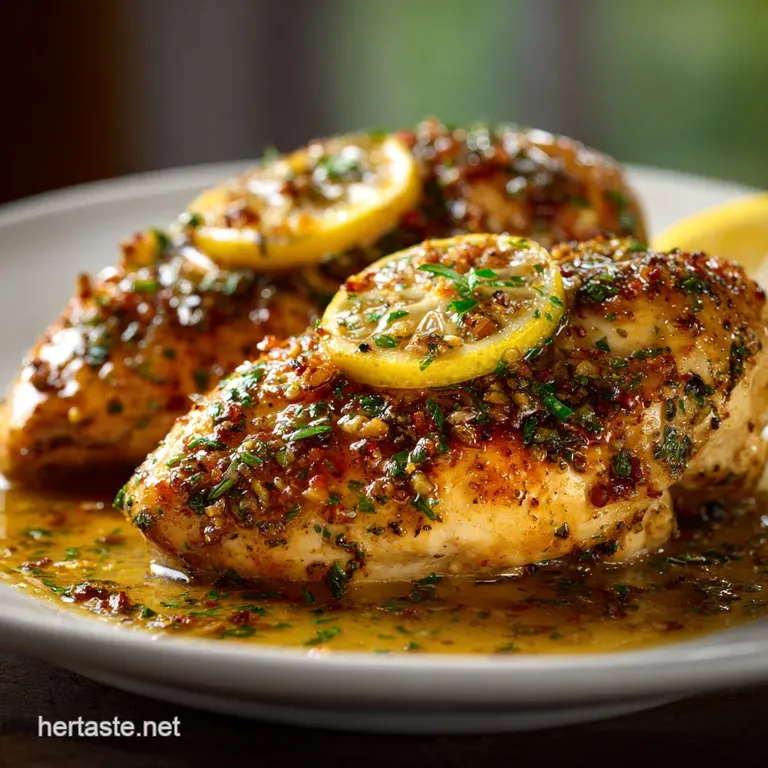
Zesty Lemon Garlic Chicken with Browned Butter Pan Sauce
- Why This Lemon Garlic Chicken Recipe Stands Apart
- The Mediterranean Secret to Weeknight Flavor
- Essential Components for Zesty Lemon Garlic Chicken
- The Kitchen Toolkit: Equipment for a Perfect Pan Sear
- Mastering the Pan Sear: Step-by-Step Lemon Garlic Chicken Instructions
- Creating the Iconic Pan Sauce from Scratch
- Troubleshooting & Pro Tips for Perfect Results Every Time
- Enhancing Your Meal: Serving Suggestions and Global Variations
- Recipe FAQs
- 📝 Recipe Card
Why This Lemon Garlic Chicken Recipe Stands Apart
This isn't just another weeknight chicken recipe; this is the dish I turn to when I need a blast of sunshine and sophisticated flavor, but only have thirty minutes to spare. What sets this particular Lemon Garlic Chicken apart is the marriage of two critical techniques: the aggressive, confidence building pan-sear that yields a perfect golden crust, and the quick, luxurious browned butter pan sauce that we build directly from the chicken's caramelized residue.
I’m obsessed with recipes that promise huge flavor payoff for minimal effort, and this one delivers. We aren't relying on long marinades or complex reductions. Instead, we’re using fresh, bold flavors brilliant lemon zest and loads of minced garlic to quickly penetrate the thin chicken cutlets, and then using the heat management skills of a true home cook to create a sauce that tastes like hours of work.
If you follow the steps, you’ll end up with meat that is moist and tender, drenched in a glossy, light sauce that begs to be spooned over rice or potatoes.
The Mediterranean Secret to Weeknight Flavor
The secret to why this dish tastes so vibrant is rooted firmly in Mediterranean cooking philosophy: start with stellar ingredients and treat them simply. When you combine high-quality olive oil, fresh citrus, and robust herbs like oregano and thyme, you create an almost perfect flavor profile that requires very little else.
This approach lets the natural savory depth of the chicken truly shine.
The Magic of the Browned Butter Pan Sauce
Browned butter, or beurre noisette , is a flavor cheat code. By allowing the butter to cook gently after deglazing the pan, the milk solids toast, developing gorgeous, nutty, almost toffee like notes.
When we whisk this browned butter into the wine and stock reduction, it doesn’t just thicken the sauce; it adds a subtle, deep warmth that perfectly grounds the sharp acidity of the lemon. It's the nuance that moves this dish from "good" to "restaurant worthy."
From Prep to Plate in Under 30 Minutes
The key to achieving this speed is preparation. We aren't searing thick, unruly chicken breasts. By butterflying or pounding the meat to an even half inch thickness, we drastically cut down the required cooking time.
This ensures that the chicken cooks quickly and evenly throughout the sear, hitting that crucial internal temperature of 165°F right as the exterior is perfectly caramelized.
Finding the Perfect Balance: Bright Acidity Meets Savory Garlic
When tackling citrus, it’s vital to use both the zest and the juice. The zest holds the volatile oils of the lemon, which are intensely aromatic and provide a foundational "brightness" that permeates the meat. The juice, conversely, provides the actual acidic tang and tenderness in the marinade.
We use generous amounts of fresh garlic, which mellows beautifully when cooked, moving from sharp and pungent to savory and sweet, forming the ideal counterpoint to the lemon's high notes.
Essential Components for Zesty Lemon Garlic Chicken
The foundation of any great dish is the quality of its components. For this recipe, the mantra is "freshness, freshness, freshness." Skip the bottled lemon juice; the flavor simply won't be as clean or aromatic.
Likewise, choose a good quality extra virgin olive oil for the marinade it’s going into a pan and flavor is everything here.
The herbs we choose oregano and thyme are classic Mediterranean staples because they are sturdy. They stand up well to both the acidic marinade and the high heat of the sear without becoming bitter or dissolving into nothingness.
Don’t be shy with the salt; proper seasoning before cooking is the first step toward building flavor deep into the muscle fibers.
The Kitchen Toolkit: Equipment for a Perfect Pan Sear
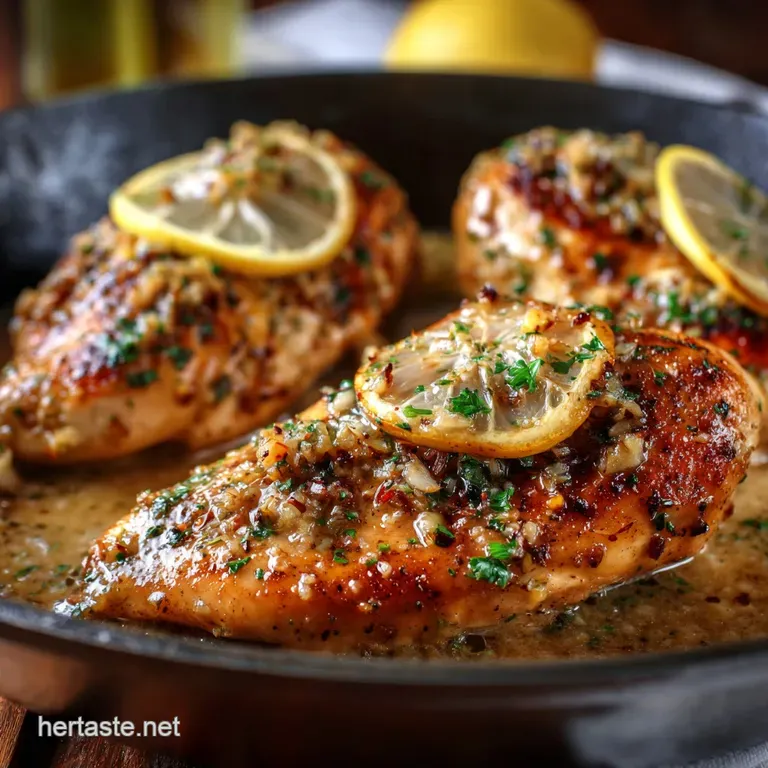
The tools you use directly impact the outcome of a pan-seared dish. While you could technically use any frying pan, the quality of your sear and your ability to build the sauce the 'fond' relies entirely on the pan’s ability to retain and distribute heat consistently.
Selecting the Optimal Cut: Breast vs. Thigh Fillets
For speed and lightness, I always lean toward boneless, skinless chicken breasts . However, they demand precise temperature control as they dry out easily. If you prioritize maximum juiciness and flavor depth, switch to boneless chicken thighs .
They have higher fat content, making them far more forgiving under high heat, though they will require a slightly longer cook time.
The Art of Flavor Building: Fresh vs. Jarred Garlic and Herbs
I cannot stress this enough: use fresh garlic . The bottled, pre-minced stuff contains additives and often has a flat, sometimes metallic taste. When building a concentrated flavor bomb like this marinade, you need the volatile, pungent compounds found only in freshly crushed or minced cloves.
The aroma alone is half the joy of cooking!
Necessary Prep: Butterfly Cut or Pounding Chicken Thin
To guarantee swift and even cooking, we must make sure the chicken is uniform in thickness. If your breasts are thick, slice them horizontally (the butterfly cut) to create two thinner cutlets, or lay them between plastic wrap and gently pound them to about a half inch thickness.
This prevents the edges from drying out while the center is still cooking.
Specialized Gear: Choosing the Right Skillet for Fond
The choice of skillet determines how successfully you capture the caramelized bits (fond) needed for the sauce.
| Skillet Type | Why It Works | Avoid If… |
|---|---|---|
| Stainless Steel | Excellent heat control; perfect for seeing and scraping fond. | You struggle with sticking (must be well preheated). |
| Cast Iron | Superior heat retention; provides the best sear and crust. | You need to cook the sauce for a long time (acidic sauce reacts slightly). |
Related Recipes Worth Trying
- Foolproof oven-roasted Eggplant Silky Caramelised Lemon Herb Recipe — The ultimate oven-roasted Eggplant Cubes Learn the secret salting trick for creamy nonbitter aubergine with delicious caramelised edges A healthy easy side dish
- The Proper Summer Pesto Chicken Pasta Salad Brilliant for Meal Prep — This vibrant Cold Pesto Chicken Pasta Salad is the perfect sunny day winner Loaded with flavour and a lemonpesto boost its a doddle to make Get the...
- Easy LemonHerb Baked Tilapia Recipe Ready in Under 30 Minutes — Our foolproof method for healthy Baked Tilapia Get flaky tender fillets baked at 400F in under 30 minutes The easy lemonherb dressing makes it a speedy...
Mastering the Pan Sear: step-by-step Lemon Garlic Chicken Instructions
We are moving into the action phase! Ensure your chicken is patted completely dry after marinating. Excess moisture will cause the temperature in the pan to drop rapidly, essentially steaming the chicken instead of searing it. Once the oil shimmers in your heavy bottomed skillet, that's your cue.
Lay the chicken cutlets in, ensuring they have room to breathe; if they’re too close, the pan temperature plummets. Listen for that aggressive sizzle that's the sound of the Maillard reaction beginning its magic.
Creating the Iconic Pan Sauce from Scratch
The pan sauce is the reward for the careful searing. It uses the remnants of the cook the fond —to build a rich, cohesive, highly flavorful dressing for the chicken.
Phase 1: Deepening Flavor with the Citrus Garlic Marinade
While we want the chicken dry for the sear, we reserve the excess marinade. This liquid is packed with flavor compounds extracted by the olive oil and the acidity. It serves as a potent base for the sauce.
After the initial searing step, adding this liquid (along with the wine and stock) instantly boosts the complexity of the sauce, allowing the lemon and garlic essence to infuse into the reduction.
Achieving the Golden Crust (The Maillard Reaction)
The Maillard reaction is simply the caramelization of amino acids and sugars under high heat, which creates hundreds of complex, savory flavor compounds that we perceive as "crust." To facilitate this, use medium high heat and resist the urge to move the chicken once it hits the pan.
Allow those 3 to 4 minutes per side undisturbed you’ll know it’s ready to flip when the cutlet easily releases from the pan.
The Critical Rest: Why Letting Chicken Sit Matters
Once the chicken hits 155°F (68°C) internally, pull it from the pan and place it on a plate, tented loosely with foil. While the chicken rests, its muscle fibers relax and redistribute the internal moisture, guaranteeing a juicier final product.
On top of that,, the residual heat will cause the temperature to climb another 5 to 10 degrees (carryover cooking), bringing it perfectly up to the safe 165°F (74°C). If you skip this step, all those delicious juices run right out onto your cutting board.
Building the Fond: Deglazing and Emulsifying the Browned Butter
This is where the magic happens. After removing the chicken, pour in your white wine (or extra stock) while the pan is still hot. Use a wooden spoon to scrape every last browned bit off the bottom. That is the essence of flavor. Once the liquids have reduced, turn the heat to low and finish with cold butter.
The secret to a perfectly glossy, restaurant style pan sauce (a monte au beurre ) is using cold butter chunks. Whisking cold fat into the warm reduction helps emulsify the sauce beautifully, preventing it from breaking and giving it that signature glistening sheen.
Troubleshooting & Pro Tips for Perfect Results Every Time
Even experienced home cooks run into snags. Here are the things I tell my friends when they attempt this recipe for the first time:
- Heat Management is Key: If your garlic begins to burn during the initial sear (usually visible as tiny black flecks on the fond), pull the chicken out, wipe the pan quickly with a paper towel, and add new oil before continuing with the sear or building the sauce. Burnt garlic tastes acrid.
- Don't Overcrowd the Pan: If you are cooking for a crowd, cook the chicken in two separate batches. Crowding lowers the pan temperature, and you will braise the chicken instead of searing it.
- The Power of Zest: Always zest your lemon before you juice it. Zesting a floppy, spent lemon half is nearly impossible.
- Skip the Salt Shaker: Taste the finished sauce after reduction and adding the butter. Reduction concentrates the sodium already present in the stock, and you may not need any extra salt.
Enhancing Your Meal: Serving Suggestions and Global Variations
This Lemon Garlic Chicken is robust enough to stand on its own but light enough to pair with simple sides.
Storing and Reheating Leftover Lemon Garlic Chicken Safely
Store leftovers in an airtight container in the refrigerator for up to 3 days. To reheat without drying out the chicken breast, the oven or stovetop is best. Place the chicken and sauce in an oven safe dish, add a tablespoon of chicken stock, cover tightly with foil, and warm at 300°F (150°C) until just heated through.
Avoid the microwave if possible, as it tends to seize the meat fibers.
Solving Dry Chicken: Temperature Control and Internal Doneness
If you are consistently serving dry chicken, the solution is always the instant read thermometer. Pull the chicken the moment it reaches 155°F (68°C) and let it rest for 5 minutes.
If you wait until it hits 165°F (74°C) while still in the pan, it will overshoot the target during the rest period and become tough. Temperature is your safeguard against sadness.
Adapting the Recipe: Incorporating Yogurt for a Creamier Lebanese Style Marinade
For a drastically different texture and flavor profile, switch out half the olive oil in the marinade for plain whole milk yogurt (about ¼ cup). Yogurt’s gentle enzymes tenderize the meat beautifully without the tough, rubbery effect sometimes caused by prolonged exposure to lemon juice.
This creates a wonderfully creamy, slightly tangy final result reminiscent of shish tawook.
Ideal Pairings: What to Serve Alongside Your Zesty Dish
This bright, savory dish calls for something that can absorb the fantastic pan sauce while offering textural contrast.
- Fluffy Couscous or Orzo Pasta tossed with a little fresh mint.
- Roasted Broccolini or sautéed Spinach , simply seasoned with olive oil and a dash of salt. The slight bitterness of the greens balances the richness of the butter sauce perfectly.
- A classic side salad dressed with a simple vinaigrette to provide a crunchy, cool contrast.

Recipe FAQs
I always struggle to keep chicken breast juicy. Any cheats for that?
The key is heat management and quick cooking; pound or slice your cutlets thin to achieve a beautiful sear fast, and use an instant read thermometer to pull them off the heat right at 160°F (71°C) so residual heat carries them to the safe 165°F (74°C).
If I make a huge batch of this Lemon Garlic Chicken, how long can I keep the leftovers?
Like most cooked chicken dishes, leftovers should be stored in an airtight container in the fridge for up to 3 days; ensure you reheat it thoroughly until piping hot before serving again, perhaps adding a splash of stock to prevent it drying out.
I don't drink alcohol. Can I skip the white wine in the pan sauce?
Absolutely! The wine is primarily used for deglazing the pan and adding flavour depth; simply replace the quantity of wine with additional chicken stock, or use water with a splash of apple cider vinegar for a similar acidic tang.
I fancy a more comforting sauce. Can I make this dish creamy?
You bet! For a proper indulgent sauce, simply stir in ¼ cup (60 ml) of heavy cream after you’ve reduced the stock (Step 9), let it simmer gently for one minute, and then proceed with whisking in the cold butter cubes.
What cut of chicken works best if I only have thighs in the freezer?
Chicken thighs work brilliantly as they are more forgiving and less likely to dry out; you should increase the searing time slightly, and for best results, use bone-in, skin-on thighs, finishing them off in a 400°F (200°C) oven until cooked through.
What’s the perfect side dish to serve with the leftover pan sauce?
You’ll want something brilliant for mopping up every drop of that gorgeous buttery pan sauce, so think creamy mashed potatoes or crusty artisan bread, paired with quick blanched green beans for a bit of welcomed crunch.
Zesty Lemon Garlic Chicken Cutlets
Ingredients:
Instructions:
Nutrition Facts:
| Calories | 401 kcal |
|---|---|
| Protein | 17.9 g |
| Fat | 9.0 g |
| Carbs | 11.1 g |
| Fiber | 1.8 g |
| Sugar | 0.2 g |
| Sodium | 43 mg |
