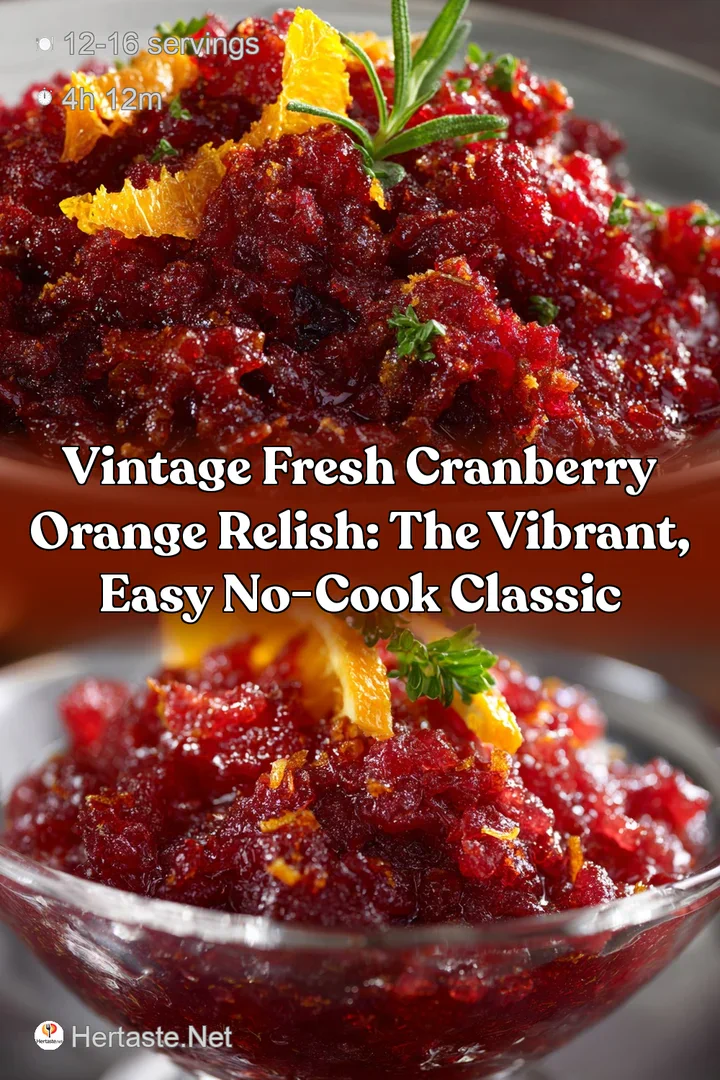
Vintage Fresh Cranberry Orange Relish (A 10-Minute No-Cook Classic)
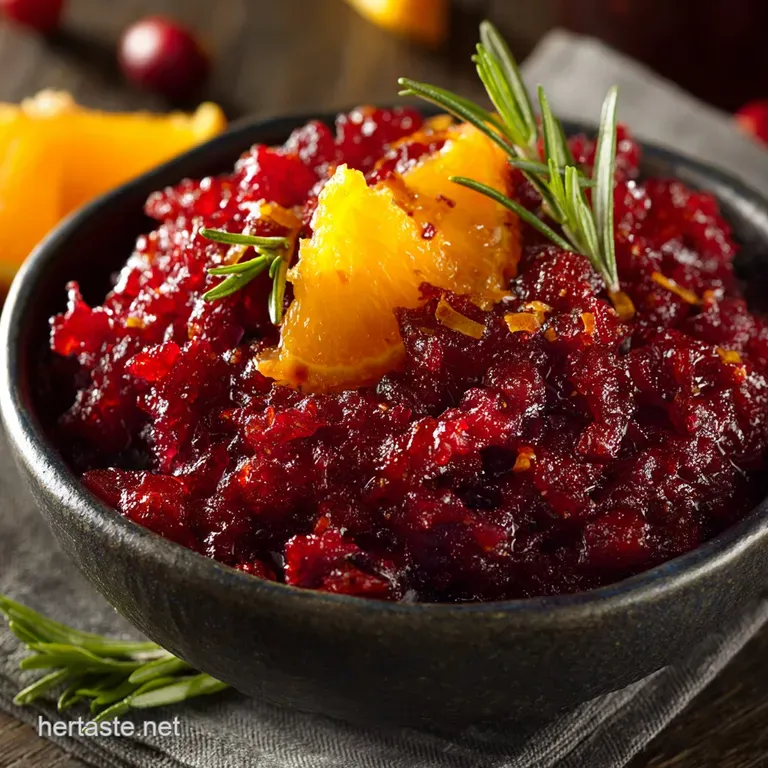
- The Bright & Bouncy Vintage Cranberry Orange Relish (A No-Cook Classic)
- The Science of Fresh: Why Uncooked Relish Offers Superior Flavor and Texture
- The Three Essential Ingredients for the Perfect Relish
- From Hopper to Bowl: Making Your No-Cook Vintage Relish in Under 10 Minutes
- Troubleshooting Your Relish: Expert Tips and Avoiding Common Processing Pitfalls
- Preparation Timeline: Storing and Freezing Your Vintage Fresh Cranberry Orange Relish
- Beyond the Roast: Creative Ways to Use Leftover Cranberry Relish
- Recipe FAQs
- 📝 Recipe Card
The Bright & Bouncy Vintage Cranberry Orange Relish (A No-Cook Classic)
It’s time to talk about the main event and no, I don't mean the turkey. I mean the stuff that makes the whole plate sing: that vibrant, coarse, impossibly fragrant side dish we call cranberry relish. This isn’t the wobbly, gelatinous log your grandma bought from a can (bless her heart).
This is the fresh, zesty, chunky version that uses the entire orange, peel and all. The scent of that citrus oil hitting the raw cranberry is pure holiday magic.
Honestly, this Vintage Fresh Cranberry Orange Relish is a true lifesaver when the kitchen chaos hits critical mass. Because it’s entirely no-cook, your oven and stovetop stay free for more demanding things, like gravy or rolls.
It takes maybe ten minutes of actual work, mostly just pressing a button on your food processor, and costs next to nothing to make. Why wouldn't you ditch the cans forever?
If you think a raw, unprocessed fruit salad sounds too tart for polite company, trust me, you are wrong. The magic happens while it rests, allowing the sugar to dissolve the fruit gently and mellow the intense acidity. Let’s crack on and make the absolute best cranberry side dish you’ve ever had.
The Science of Fresh: Why Uncooked Relish Offers Superior Flavor and Texture
Defining the Difference: Relish vs. Sauce vs. Jelly
In the world of cranberries, the key difference is heat. Cranberry Sauce is cooked long enough for the fruit to pop and the pectin to activate, giving you that soft, lightly set consistency.
Cranberry Jelly is cooked even longer and strained, resulting in a perfectly clear, firm sliceable block. Relish, however, is all about the fresh stuff. Relish is defined by its coarse texture; the flavor is bright, crisp, and clean because the fruit has never met a saucepan.
The Historical Appeal of the Raw Cranberry Grind
Back in the day, before we all had fancy food processors, resourceful home cooks would use a meat grinder or even manually mince the fruit with a knife to achieve this vintage texture. The beauty of this recipe is its simplicity and reliance on raw ingredients.
It was a fast way to get maximum flavor onto the holiday table without fussing over boiling temperatures or reduction times.
The "No-Cook" Promise: Maximum Flavor, Minimum Effort
The biggest advantage of skipping the stove is preserving those volatile oils and delicate vitamin C molecules. Boiling fruit, while necessary for sauces, always dulls the intensity slightly. By keeping it raw, every bite delivers a powerful, zesty burst that simply cannot be replicated by simmering.
It’s an easy promise to keep, and the flavour payoff is huge.
Utilizing the Zest: Extracting Fragrance from the Whole Orange
This is where the Vintage Relish really shines. We aren't just using orange juice; we're using the whole scrubbed orange (minus the seeds and tough pith). All the best fragrance is contained in the zest, that brightly colored outer layer of the rind.
The food processor blade shatters those tiny oil glands, releasing the intense citrus essence right into the cranberries and sugar, resulting in maximum flavor saturation.
The Tannin Sugar Balancing Act
Raw cranberries are notoriously tannic and sour. If you taste this immediately after pulsing, you might pucker up! However, when the mixture rests in the fridge, the sugar begins to dissolve and is drawn into the fruit, essentially macerating it.
This process naturally mellows the harsh tannins and acidity, thickening the relish into a syrupy, deeply flavored side dish. This chill time is non-negotiable for flavour development.
Achieving the Perfect Coarse Grind Texture
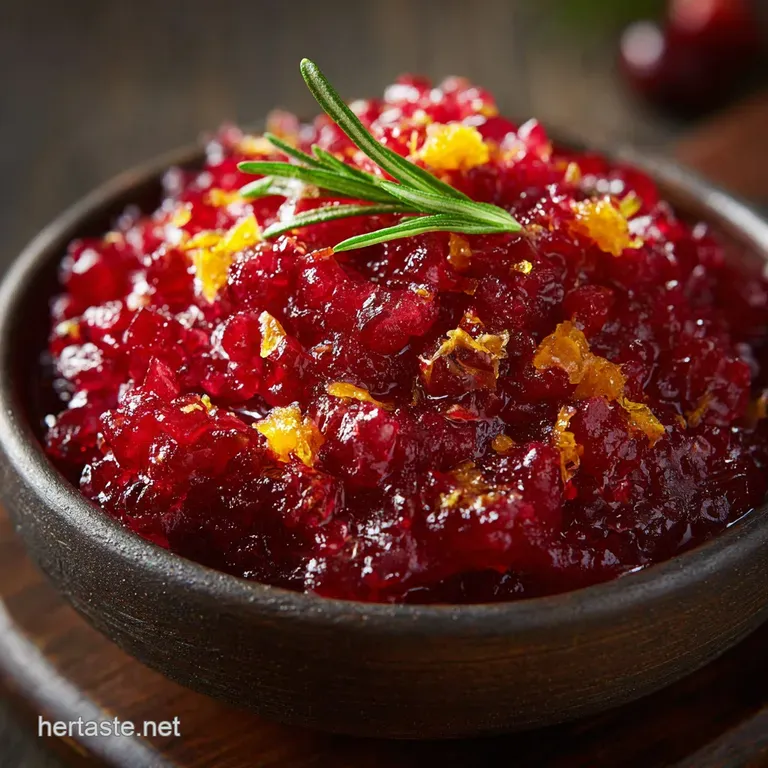
The key to a successful Vintage Relish is stopping at the right texture. We are aiming for a coarse, chunky grind, similar to a very thick marmalade or chunky salsa, not a purée or smoothie.
If you let the food processor run too long, you’ll end up with cranberry sludge, which lacks the vibrant bounce this classic is famous for. Remember: Pulse, pulse, pulse.
The Three Essential Ingredients for the Perfect Relish
You only need a few simple things for this recipe, proving that the best holiday sides don't require fancy ingredients.
Selecting the Brightest, Freshest Cranberries
Always choose fresh, firm berries that are brightly colored. If you find a bag with many wrinkled, soft berries, leave it be; those are past their prime. Give them a good rinse and pick out any rogue stems or sad, mushy ones before using.
| Ingredient | My Top Pick | Substitution/Alternative |
|---|---|---|
| Cranberries | Fresh, firm berries | Use thawed frozen cranberries, but drain off excess liquid before pulsing. |
| Orange | Navel or Cara Cara | Use a large lemon plus 1/2 cup of orange juice, but discard the lemon rind to avoid extreme bitterness. |
| Sweetener | Granulated Sugar | Light brown sugar (adds molasses flavour) or 3/4 cup of maple syrup. |
Navigating Oranges: Should I Use Navel or Valencia?
I always lean toward a large Navel orange for this recipe. Why? They tend to be thick skinned, meaning you get maximum, fragrant zest, and they are usually seedless or contain very few seeds.
Valencia oranges work too, but they can be a bit juicier and sometimes contain more seeds, which you absolutely must remove before processing.
Sweetener Breakdown: Granulated Sugar vs. Alternative Options
Plain granulated sugar is traditional and really lets the fruit flavors shine without interference. It’s the easiest to dissolve during the chilling process. If you decide to go with a liquid sweetener like honey or maple syrup, start slow.
Use about 3/4 cup, then taste test after the mandatory chill, as liquids can thin the consistency slightly.
Can I Use Frozen Cranberries in This Recipe?
Yes, you totally can, but there's a quick caveat. You must thaw them completely first. Frozen berries hold much more water than fresh ones, so dump them into a sieve once thawed and let that extra moisture drain away for 10 minutes. If you skip this, your final relish will be too watery.
From Hopper to Bowl: Making Your No-Cook Vintage Relish in Under 10 Minutes
Prepping the Fruit: Cleaning and Quartering the Orange (Rind Included)
This is the only fiddly part, so pay attention. Give that orange a good scrub under warm water to remove any surface wax. Quarter the orange, but here is the essential step: use a sharp knife to physically cut out and discard all the white, spongy pith from the center and scoop out every single seed.
Pith and seeds equal bitterness, and we don't want that! Once prepped, chop those quarters into 1 inch chunks.
The Critical Role of the Food Processor (Grinding Technique)
Place your prepped orange chunks and the cup of granulated sugar into the food processor bowl first. Process this mixture for about 5 to 8 short pulses. You’ll see the sugar turn bright orange and get instantly fragrant.
We do this first to ensure the sugar is fully saturated with those beautiful citrus oils, ready to work its magic on the cranberries.
Checking the Texture: When to Stop Processing
Now add your rinsed cranberries, the salt, and the vanilla (if using) into the bowl. Start pulsing immediately. I usually use 10 to 15 quick, one-second pulses. You are listening for the sound of the berries breaking down.
Stop when the mixture looks uniform but still has distinct, chunky pieces of cranberry visible. Scrape down the sides if needed, then give it one or two final bursts.
Chef's Note: Once you scrape the relish into the storage bowl, take a tiny taste. It will be overwhelmingly sour right now. That's okay! Do not add more sugar yet. The magic of the chill time mellows the flavour drastically, and you don't want to overshoot the sweetness.
Marinating for Maximum Flavor (The Critical Chill Time)
Transfer your glorious, vibrant mixture into an airtight container. Cover it tightly and tuck it away in the fridge for at least 4 hours, though overnight (12 to 24 hours) is truly best.
As it rests, the sugar draws out moisture, creating a lovely, naturally syrupy consistency. It gets glossier, richer in colour, and perfectly balanced.
Troubleshooting Your Relish: Expert Tips and Avoiding Common Processing Pitfalls
Over processing Warning: When Your Relish Becomes Paste
The most common mistake I see people make (and yes, I made this mistake when I first started) is walking away and letting the processor run too long. If your beautiful relish resembles pink baby food, it’s been over processed. You’ve lost that essential chunky texture.
Fix it: Grab a small handful of whole, raw cranberries and finely mince them by hand. Stir them into the paste. This will add back some much needed textural dimension.
Adjusting the Acidity and Sweetness Post Chill
Only adjust the flavour after the relish has chilled for at least 4 hours. If it’s still too tart for your liking, stir in powdered (confectioners') sugar one tablespoon at a time until you hit the right balance. I prefer powdered sugar here because it dissolves instantly without adding granules. For a really fancy touch, a splash of liqueur works wonders, too you can make a slightly boozy version similar to my recipe for Cranberry Relish: Easy, Bright Cranberry Orange Relish for Thanksgiving Dinner .
Tips for Relish That Tastes Too Bitter
If your relish tastes bitter, you likely missed some pith or seeds during the prep. Unfortunately, there’s no great way to remove that bitterness entirely once it’s processed. However, you can try masking it.
Stir in an extra 1/2 teaspoon of pure vanilla extract and perhaps 1 tablespoon of good quality honey. The goal is to round out the flavor profile and push the bitterness to the back.
Preparation Timeline: Storing and Freezing Your Vintage Fresh Cranberry Orange Relish
How Long Does Homemade Relish Keep in the Fridge?
This relish is an absolute champion of make-ahead cooking. Because of the high sugar and acid content, it acts as a natural preservative. When stored properly in a sealed, non-reactive container (glass is best), this relish will last beautifully in the refrigerator for up to two weeks .
It actually tastes better on day three!
Safely Freezing Cranberry Relish for Later Use
But does it freeze well? You bet it does. Cranberry relish freezes exceptionally well, making it a brilliant option for meal prep or saving leftovers. Divide the finished, chilled relish into freezer safe containers, leaving about half an inch of headspace. It will keep well in the freezer for up to three months.
To thaw, simply move it to the fridge overnight and give it a good stir before serving.
Beyond the Roast: Creative Ways to Use Leftover Cranberry Relish
The possibilities don't stop once the main roast is done; frankly, I make extra relish just for the leftovers.
Elevating Breakfasts and Baked Goods
Forget boring toast! Use this vibrant relish as a spread on bagels with cream cheese, or stir a spoonful into your morning oatmeal for a festive kick. It also works brilliantly as the filling for classic shortbread sandwiches or folded into homemade quick breads. If you're looking for other ways to use up those gorgeous berries, my MakeAhead Thanksgiving Desserts: Cranberry Crumble Bars are always a winner!
Pairings and Side Dishes
This relish is the perfect accompaniment to sharp cheeses, but it also creates the most incredible, tangy dressing base for salads. If you love a refreshing holiday side, try mixing a spoonful or two of this relish into a crisp, light side dish like my Cranberry Walnut Salad: The Best Holiday Side Dish Recipe — the texture contrast is divine. It also makes incredible gourmet sandwiches the day after the big meal.
Recipe FAQs
How long will this fresh cranberry relish last in the refrigerator?
Because this relish is entirely uncooked, it relies on the natural acidity of the cranberries and oranges for preservation. Stored in an airtight container, it remains fresh and vibrant in the refrigerator for up to 10 to 14 days. This extended shelf life makes it an excellent make-ahead dish for holiday preparations.
My relish seems too watery or runny. What could be the cause?
The texture of the relish depends heavily on the ratio of whole fruit pulp to residual liquid after grinding. If the relish seems too wet, ensure you did not add additional orange juice or liquid beyond what the recipe calls for, and check that the whole cranberries were properly ground, not pureed.
Allow adequate time for chilling, as the natural fruit pectins will thicken the relish slightly as it rests.
Can I use a regular blender instead of a food processor to grind the ingredients?
While a high speed blender can be used, it must be pulsed extremely carefully to avoid over processing the ingredients. A food processor is generally preferred because it yields a more uniform, coarse chop, ensuring the relish retains its delightful "bouncy" texture.
If using a blender, work in very small batches and scrape down the sides frequently.
The relish is too tart for my palate. Can I adjust the sweetness?
Absolutely. The ideal time to adjust sweetness is after the initial chilling period, allowing the initial amount of sugar to fully dissolve and integrate. Stir in an additional tablespoon of granulated sugar, honey, or maple syrup, tasting gradually until you achieve your desired balance.
Keep in mind the tartness is a signature characteristic of this fresh relish.
Can I freeze large batches of homemade cranberry relish?
Yes, this vintage relish freezes beautifully due to its high acidity and sugar content. Transfer the finished, chilled product to a freezer safe container, leaving about half an inch of headspace to allow for expansion, and freeze for up to 3 months.
Thaw overnight in the refrigerator and stir well before serving, as the texture may soften only marginally upon defrosting.
Do I need to peel the orange before putting it into the food processor?
No, the classic, vintage preparation of this relish uses the whole orange, including the peel, which provides essential oils and intense fragrance. Ensure you wash the orange thoroughly before chopping it into chunks to remove any wax or debris.
The bitterness from the white pith (albedo) mellows significantly during the required overnight chilling.
What are some creative uses for leftover cranberry orange relish?
Beyond traditional holiday roasts, this vibrant relish is fantastic used as a spread alongside sharp hard cheeses, such as aged cheddar, on a charcuterie board. You can also mix it into cream cheese for an easy bagel spread, or swirl it into plain yogurt or oatmeal for a tart breakfast boost.
It also makes a wonderful filling for shortbread thumbprint cookies.
Vintage Cranberry Orange Relish No Cook
Ingredients:
Instructions:
Nutrition Facts:
| Calories | 233 kcal |
|---|---|
| Protein | 0.4 g |
| Fat | 0.2 g |
| Carbs | 61.4 g |
