The Maharajahs Velvety Shahi Paneer a Rich Restaurantstyle Indian Classic
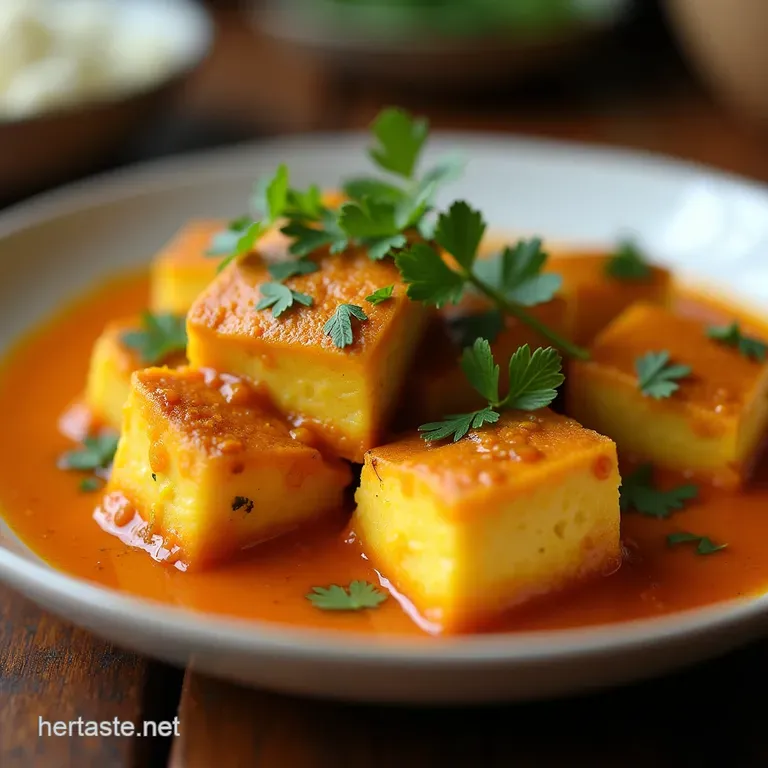
- Unveiling the Secrets to Truly Regal Shahi Paneer
- Why This Authentic Indian Recipe Deserves Center Stage
- Assembling Your Royal Pantry: Essential Components
- The Crafting Sequence: Building the Perfect Shahi Paneer Masala
- Mastering the Gravy Base: From Soaking to Simmering
- Elevating Your Experience: Expert Adjustments and Serving Suggestions
- Recipe FAQs
- 📝 Recipe Card
Unveiling the Secrets to Truly Regal Shahi Paneer
When the craving for truly luxurious Indian cuisine strikes, there are few dishes that satisfy quite like Shahi Paneer . This isn't just a meal; it’s an experience a culinary embrace reserved for celebrations and special occasions.
The word "Shahi" translates to "royal," and this recipe lives up to its name by featuring tender cubes of paneer (Indian cottage cheese) suspended in an exquisitely smooth, delicately spiced, and unbelievably rich cashew based gravy.
Forget the rushed versions you find in overly enthusiastic takeout containers; we are diving deep to uncover the techniques required to create an Authentic Shahi Paneer that echoes the grandeur of Indian royal kitchens.
This journey requires patience, especially in crafting the perfect base, but the velvety reward is unmatched.
Why This Authentic Indian Recipe Deserves Center Stage
Creating a truly memorable Shahi Paneer Recipe hinges on texture and balance. Many home cooks achieve decent flavour but miss the hallmark silkiness that defines this dish.
We aim for a gravy that coats the back of a spoon beautifully, achieved not through excessive simmering, but through careful pureeing and straining. This Rich Paneer Gravy stands apart from other creamy classics, and understanding its heritage helps unlock its potential.
The Culinary History Behind the 'Royal' Dish
Historically, dishes destined for the tables of Mughal emperors and Indian Maharajas were characterized by the use of rich dairy, dried fruits, and nuts ingredients that signified wealth and required meticulous preparation. Shahi Paneer Korma falls directly into this category.
Unlike the more tomato forward, spicier curries, the "Shahi" variants prioritize sweetness, creaminess, and a symphony of aromatic whole spices blended into a pale, elegant sauce. It is the epitome of Indian Cuisine Royal flair, transforming simple ingredients into something grand.
Distinguishing Our Velvety Gravy From the Ordinary
If you’ve ever wondered about the difference between Paneer Makhani vs Shahi Paneer , the distinction often lies right here in the base. While Paneer Makhani (Butter Paneer) relies heavily on ripe tomatoes and butter for its signature colour and tang, this Shahi Paneer Cashew recipe shifts focus dramatically.
Cashews, soaked and blended, form the bulk of the thickness, mellowing the acidity of the tomatoes and creating a naturally pale, ivory coloured, and extremely dense mouthfeel that is utterly luxurious.
Setting Expectations: A Mildly Spiced Masterpiece
Crucially, royalty seldom demanded scorching heat. This is why this Comfort Food Paneer variation should remain mild on the spice register. We use Kashmiri chilli powder primarily for its vibrant red hue, not for aggressive heat.
The flavour focus is on the sweetness of the onions, the nuttiness of the cashews, and the perfume of the whole spices like cardamom and cinnamon, creating an accessible, sophisticated profile perfect for family gatherings, including festive occasions like Diwali Paneer Recipes .
Assembling Your Royal Pantry: Essential Components
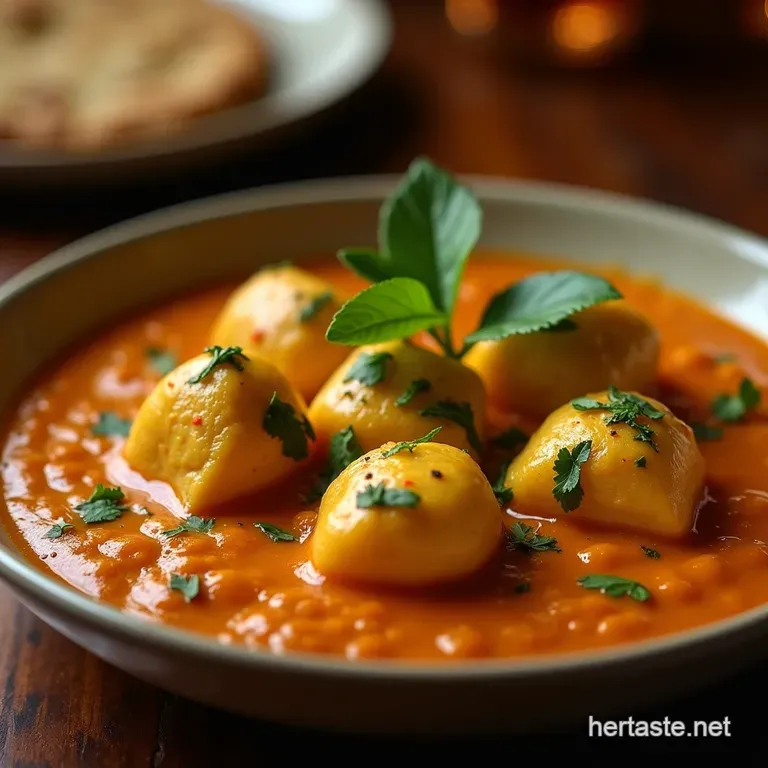
To achieve this high standard, we must be precise with our components. The success of any complex gravy begins with preparing the flavour foundation the paste. For this recipe, we will be using 14 ounces (400g) of paneer, cut into approximately one-inch cubes, ensuring they are ready to soak up the surrounding richness.
The Core Elements for the Signature Cashew Paste
The foundation of the supreme texture comes from properly preparing the Shahi Paneer Cashew component. You’ll need about half a cup of raw cashew nuts.
These must be soaked in hot water for at least twenty minutes this softens them significantly, ensuring your blender can turn them into a completely homogeneous, smooth liquid rather than grainy pebbles.
Alongside the nuts, we need volume and body from three medium Roma tomatoes, one medium white onion, a one-inch piece of fresh ginger, and three cloves of garlic. These elements are cooked until thoroughly soft before blending.
Essential Spices: Balancing Aroma and Depth
Our dry spice mix must be balanced. We rely on half a teaspoon of turmeric, one teaspoon each of Kashmiri chilli powder (for colour) and coriander powder, and half a teaspoon of cumin powder.
These are tempered briefly in fat to release their oils, a technique known as blooming, which maximizes their flavour impact before the wet ingredients are introduced. Whole spices a bay leaf, four lightly crushed green cardamom pods, and a one-inch stick of cinnamon will be briefly sautéed to release their perfume into the fat.
Dairy & Fat Requirements for Ultimate Richness
Authenticity here demands dairy fat. We begin by heating two tablespoons of unsalted butter or ghee, sometimes bolstered by a tablespoon of neutral oil to prevent the butter from scorching. The final touch of richness comes from half a cup of heavy cream (double cream).
This is added right at the very end to give the curry its signature pale, glossy finish. Don't forget a teaspoon of granulated sugar, essential for rounding out the slight acidity from the tomatoes.
Related Recipes Worth Trying
- The Ultimate Sticky Spicy Chilli Paneer Restaurant Style at Home — Make flawless restaurantstyle Chilli Paneer at home Get the foolproof steps for perfectly crisp paneer tossed in a glossy fiery IndoChinese sauce
- Firecracker Chilli Paneer Crispy Zesty IndoChinese Starter — Stop ordering lukewarm takeaway Learn how to make truly crispy Chilli Paneer Dry in 35 minutes Perfect for a spicy paneer starter
- RestaurantStyle Chilli Paneer Easy Homemade Recipe — Ditch the takeaway queue Master this Restaurant Style Chilli Paneer Recipe for irresistibly crispy paneer tossed in a fiery sticky glaze Perfect for an easy...
The Crafting Sequence: Building the Perfect Shahi Paneer Masala
The creation process is divided into three distinct phases: creating the silky base, tempering the aromatics, and finally, marrying the components together. Remember, patience in the first two stages dictates the quality of the final dish.
Mastering the Gravy Base: From Soaking to Simmering
This phase is where we eliminate any potential graininess. After soaking and draining your cashews, we cook the aromatics and tomatoes until they surrender their structure. This blend is then processed and, critically, strained.
step-by-step: Creating the Silky Nut and Onion Foundation
Begin by heating your fat (butter/oil) in a heavy bottomed saucepan. Add the roughly chopped onion, tomatoes, ginger, and garlic. Sauté these for about eight minutes until the onions become translucent and the tomatoes begin to break down.
Add a small splash of water (about a quarter cup) and cover the pan, allowing everything to steam and soften for another ten minutes. Once cooled slightly, transfer this entire mixture cashews included into a powerful blender. Blend until it forms the smoothest possible puree.
Now, for the magic: press this entire mixture through a fine mesh sieve placed over a bowl, using the back of a spoon to push all the liquid through. Discard any fibrous solids left behind. This strained liquid is your perfect, silken gravy base.
Tempering Aromatics: Blooming Whole Spices for Maximum Impact
Wipe out your saucepan and return it to medium heat. Add the remaining butter/oil. Once shimmering, introduce the whole spices: bay leaf, cinnamon stick, and crushed cardamom pods. Let them sizzle for about 30 seconds until intensely fragrant.
Immediately drop the heat to low, then stir in your ground spices: turmeric, chilli powder, coriander, and cumin powder. Stir constantly for just 30 seconds. This brief cook time in the fat "blooms" these powders, preventing that raw, dusty spice taste in the final product.
The Final Marriage: Integrating Paneer Without Breakage
Pour the strained puree into the pan containing the bloomed spices, stirring to combine. Introduce the sugar and salt. Let this mixture simmer gently, uncovered, for about ten minutes, stirring occasionally. This allows the raw flavours to cook out and the sauce to thicken slightly.
Next, gently fold in your paneer cubes. Once the paneer is nestled in, stir in half a cup of water or stock to reach your desired consistency aim for a rich but pourable thickness. Allow this to simmer for five more minutes. Finally, stir in the Garam Masala and the crushed Kasoori Methi (dried fenugreek leaves).
Gently fold in the heavy cream last, heating through for only two minutes until warm, but never allowing the sauce to reach a rolling boil after the cream is added.
The Garnish Ritual: Finishing Touches for Presentation
The presentation of Shahi Paneer should match its royal flavour. A final drizzle of cream swirled artfully across the top, perhaps a few threads of saffron if you are feeling extra decadent, and a generous scattering of freshly chopped cilantro will complete the visual appeal.
Elevating Your Experience: Expert Adjustments and Serving Suggestions
While the core recipe is robust, expert cooks understand the need for minor tweaks based on preference. Adjusting the flavour profile is easy once you master the base.
Flavor Variations: Achieving Different Levels of Sweetness or Tang
If you desire a slightly tangier profile reminiscent of some North Indian roadside eateries, you can introduce a teaspoon of dried mango powder ( amchur ) along with the ground spices in step 8.
Conversely, for an even deeper, more complex sweetness often associated with rich Mughlai cooking, substitute the granulated sugar with 1 teaspoon of honey or maple syrup, introduced along with the cream at the end.
Nutritional Snapshot: Understanding the Richness
It is important to acknowledge that this is a luxurious preparation. Due to the high content of cashews and heavy cream, this dish is energy dense, providing significant fat and protein per serving.
While certainly a treat, it’s best enjoyed in moderation alongside lighter accompaniments that complement its richness rather than adding further heaviness.
Perfect Pairings: What Breads and Rice Complement This Dish?
The ideal vehicle for soaking up every molecule of this Rich Paneer Gravy is a soft, pillowy bread. Think warm, buttered Garlic Naan or the flaky layers of a Lachha Paratha.
For rice accompaniments, keep things simple: plain, fluffy Basmati rice or a lightly spiced Saffron Pulao allows the complex flavour of the curry to remain the star attraction.
Shelf Life and Reheating Techniques for Maintained Texture
This curry stores beautifully. Once cooled, transfer any leftovers to an airtight container and refrigerate for up to three days. When reheating, use a very low heat setting on the stovetop.
Adding a small splash of water or milk before reheating helps restore the gravy's initial consistency, ensuring the texture remains smooth and the paneer stays tender without becoming rubbery.
With these detailed steps and insider tips, you are now fully equipped to recreate a restaurant quality Shahi Paneer in your own kitchen a true triumph of Indian Cuisine Royal tradition!

Recipe FAQs
Why is my Shahi Paneer gravy grainy instead of smooth like in a restaurant?
Ah, that’s usually down to the cashews and tomatoes not being fully pureed, or skipping the crucial straining step. Make sure you blend the cooked base mixture until it’s absolutely liquid velvet, and then, the secret ingredient: push the entire mixture through a fine mesh sieve before adding it to your spices.
It takes a moment, but it guarantees that signature silky texture!
Do I really need to use heavy cream, or can I substitute it with milk or yogurt in this Shahi Paneer recipe?
While you certainly can substitute, heavy cream (or double cream over here in the UK) is key to achieving that authentic, rich "Shahi" (royal) mouthfeel. Milk will make it too thin, and yogurt risks curdling when added to the hot gravy.
If you must substitute, use coconut cream or a good quality crème fraîche for a similar thickness.
Can I prepare the gravy base for the Shahi Paneer ahead of time?
Absolutely! Preparing the base sautéing the onions/tomatoes, blending, and straining up to two days in advance is a brilliant time saver. Store the smooth puree in the fridge; when you're ready to eat, just temper your whole spices, bloom your ground spices, and simmer the base before adding the cream and paneer at the very end.
My paneer seems a bit tough. Is there a trick to keeping it soft in the curry?
Tough paneer is a let-down, isn't it? The best tip is to avoid frying it raw, as that dries it out instantly. If you want it extra soft, place the cut cubes into a bowl of warm, slightly salted water while you are busy making the gravy.
This plumps them up slightly, and they absorb the creamy sauce beautifully when folded in at the end.
This recipe seems mild; how can I make my Shahi Paneer spicier without ruining the creamy flavour?
This dish is designed to be more aromatic than fiery, but you can easily dial up the heat. For a clean spice hit, add one or two finely chopped green chillies right at the beginning with the onions.
Alternatively, use a spicier variety of chilli powder (like cayenne) instead of Kashmiri chilli powder, but add it slowly to taste.
Velvety Shahi Paneer
Instructions:
Nutrition Facts:
| Calories | 515 Cal |
|---|---|
| Fat | 38g |
| Fiber | 4g |
