Vegetable Fried Rice Recipe: Snappy Texture
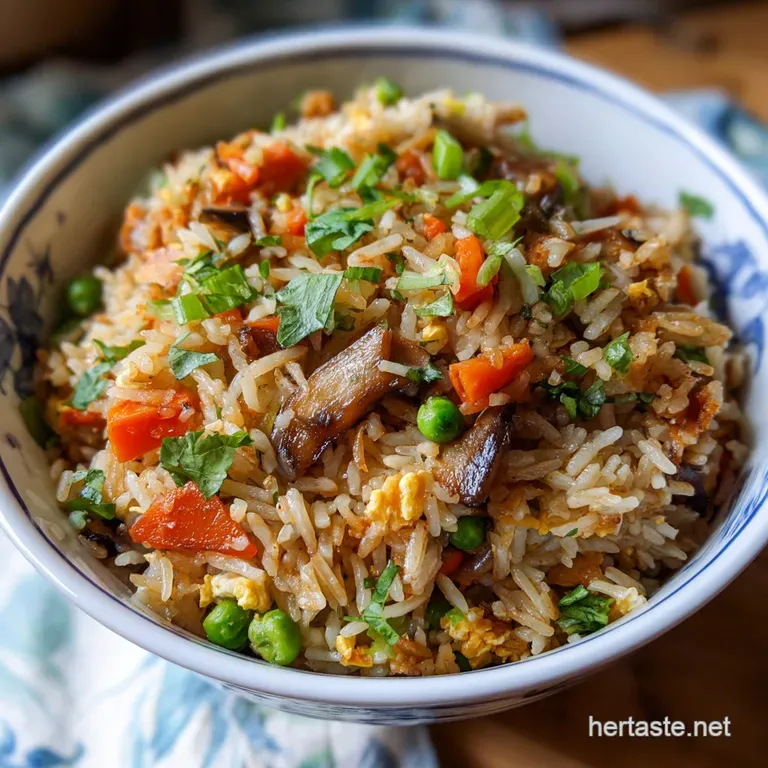
- Time: Active 15 mins, Passive 10 mins, Total 25 mins
- Flavor/Texture Hook: Nutty, charred, and snappy
- Perfect for: Quick weeknight dinners or clearing out the crisper drawer
- Why This Texture Works
- Key Specs and Fast Facts
- Ingredients and Smart Budget Swaps
- Essential Kitchen Tools Needed
- Step-by-Step Cooking Instructions
- Troubleshooting Common Kitchen Mishaps
- Clever Variations and Protein Additions
- Storing and Reheating Your Rice
- Side Dish Pairing Recommendations
- Recipe FAQs
- 📝 Recipe Card
Why This Texture Works
Controlling Starch Through Retrogradation
Starch Structure: When rice chills, the starch molecules realign into a firm, crystalline structure called retrogradation. This process prevents the grains from shattering or clumping into a sticky mass when they hit the intense heat of the pan.
Maximizing the Maillard Reaction
Surface Browning: over High heat frying triggers the Maillard reaction between the coconut sugar and the proteins in the soy sauce. This creates that characteristic "wok hei" or breath of the wok flavor that distinguishes restaurant style rice from home cooked versions.
Managing Vegetable Osmosis
Water Control: By searing the vegetables quickly over high heat, we flash evaporate surface moisture before it can draw out internal juices. This keeps the carrots and peppers snappy rather than letting them stew in their own liquid and soften the rice.
| Method | Time | Texture | Best For |
|---|---|---|---|
| over High heat Wok | 8 mins | Charred and smoky | Maximum flavor impact |
| Flat Skillet | 12 mins | Evenly browned | Consistent heat distribution |
| Cast Iron | 10 mins | Extra crispy | Those who love "crunchy" bits |
The over high heat wok method is my go to because the thin carbon steel reacts instantly to flame changes, though a heavy skillet works brilliantly if you let it preheat long enough.
If you're looking for the ultimate texture, the cast iron produces a wonderful "crust" on the bottom grains that adds a sophisticated layer of crunch.
Key Specs and Fast Facts
This vegetable fried rice recipe is designed for speed and budget friendly efficiency without sacrificing the depth of flavor you'd expect from a traditional Chinese kitchen. We are focusing on a 4 serving yield, which is perfect for a family dinner or a couple of days of high-quality meal prep.
| Component | Science Role | Pro Secret |
|---|---|---|
| Chilled Rice | Low surface moisture | Use jasmine for the best floral aroma and grain separation |
| Grapeseed Oil | High smoke point | Never use butter; it burns before the rice gets crispy |
| Fresh Ginger | Aromatic volatility | Grate it directly into the oil to release essential oils instantly |
Chilled rice is the non negotiable foundation here. When the grains are cold, they stay individual and bouncy. If you use fresh rice, the steam trapped inside the grain will release as soon as you start tossing, turning your stir fry into a steamed mess.
Grapeseed oil is a silent hero because it stays stable at the high temperatures we need to get that elusive sear.
Ingredients and Smart Budget Swaps
Getting the ingredients right is half the battle, but don't feel like you need to run to three different stores. Most of these are likely already in your pantry or can be swapped for what's currently in your fridge.
- 4 cups (600g) cooked jasmine rice, chilled: The floral notes of jasmine are elite here. Why this? Long grains stay separate and don't get mushy compared to short grain varieties.
- Substitute: Any long grain white rice or even brown rice for a nuttier, fiber rich profile.
- 2 tbsp (30ml) grapeseed oil: High smoke point is essential. Why this? Neutral flavor that doesn't compete with the ginger and sesame.
- Substitute: Canola or vegetable oil works perfectly if you don't have grapeseed.
- 3 large cloves garlic, minced: The base of all good things. Why this? Provides a sharp, savory backbone to the entire dish.
- Substitute: 1 tsp garlic powder in a pinch, though fresh is significantly better.
- 1 tbsp (15g) fresh ginger, grated: Zesty heat. Why this? Cuts through the richness of the sesame oil and soy sauce.
- Substitute: 0.5 tsp ground ginger, though it lacks the vibrant punch of fresh.
- 3 scallions: Divided use for cooking and garnish. Why this? Whites provide onion flavor; greens add fresh color and bite.
- Substitute: Shallots or a very finely diced white onion.
- 1 cup (150g) carrots, finely diced: Sweetness and crunch. Why this? Carrots hold their shape well under high heat.
- Substitute: Diced sweet potato or parsnips.
- 1 cup (150g) frozen peas, thawed: The classic pop of green. Why this? They cook instantly and add a needed sweetness.
- Substitute: Edamame or chopped green beans.
- 0.5 cup (75g) red bell pepper, diced: For color and vitamins. Why this? Adds a mild, fruity sweetness that balances the salt.
- Substitute: Any color bell pepper or even diced zucchini.
- 3 tbsp (45ml) low sodium soy sauce: The salt and umami. Why this? Controlled sodium allows you to season without making it inedible.
- Substitute: Tamari (for gluten-free) or liquid aminos.
- 1 tbsp (15ml) toasted sesame oil: The finishing touch. Why this? Provides an earthy, smoky aroma that screams "authentic."
- Substitute: A drizzle of peanut oil, though you'll lose the toasted scent.
- 1 tsp (5g) coconut sugar: To balance the salt. Why this? Has a deeper, caramel like flavor than white sugar.
- Substitute: Brown sugar or honey.
- 0.25 tsp white pepper: Traditional heat. Why this? Earthier and more floral than black pepper.
- Substitute: Black pepper, but use half the amount as it's more pungent.
- 2 large eggs, lightly beaten: The protein binder. Why this? Adds richness and little velvety ribbons throughout the rice.
- Substitute: Crumbled firm tofu for a vegan version.
Essential Kitchen Tools Needed
You don't need a professional grade jet engine stove to make a great vegetable fried rice recipe, but the right vessel makes a massive difference. If you have a wok, now is the time to pull it out. If not, a wide, heavy bottomed skillet is your best friend.
A wide surface area is the key to success. You want the rice to be in contact with the hot metal as much as possible. If the pan is too small, the rice will pile up and steam itself. I also highly recommend using a flat edged wooden spatula or a metal wok turner.
These allow you to scrape the bottom of the pan to prevent the ginger and garlic from sticking and burning, while also helping you "flip" the rice effectively.
If you are just starting your kitchen journey and need to know how to cook recipe for the rice itself, making sure you have a pot with a tight fitting lid is the first step. For the fried rice stage, however, heat retention is the priority. A cast iron skillet (like a Lodge) is a fantastic budget friendly option that holds heat much better than thin non stick pans, which can lose their temperature as soon as you add the cold rice.
step-by-step Cooking Instructions
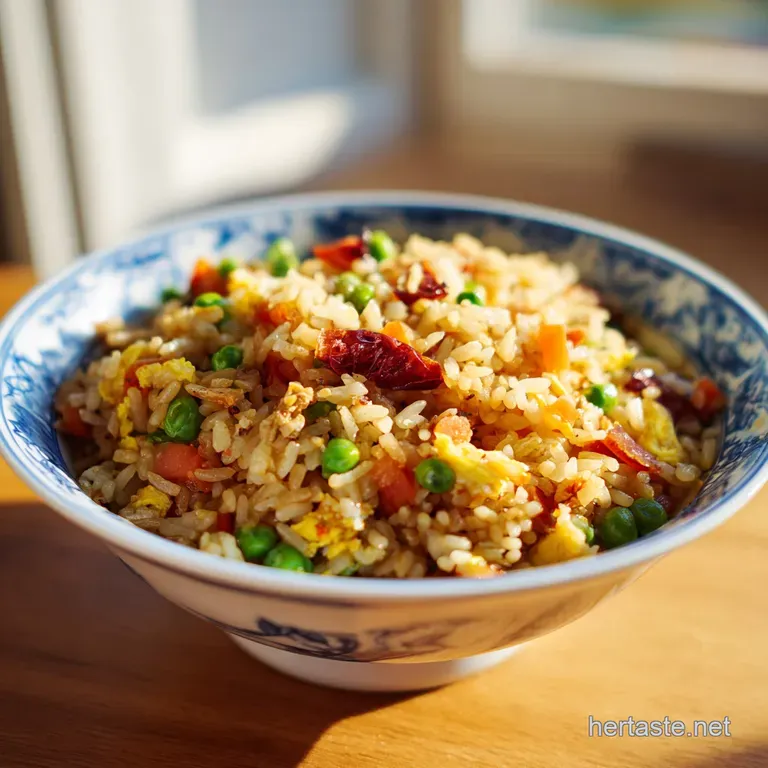
1. Preparing the Rice Canvas
Crumble the 600g of chilled jasmine rice with your hands into a bowl. Note: This ensures there are no large clumps before it hits the pan, allowing for even heating. It should feel dry and each grain should feel distinct.
2. Searing the Aromatics and Veggies
Heat the 30ml of grapeseed oil in a large skillet over high heat until a drop of water flicked onto it dances and evaporates instantly. Add the whites of the scallions, the 15g of grated ginger, and the 3 cloves of minced garlic.
Stir fry for 30 seconds until the air smells intensely fragrant.
3. Sautéing the Crisp Vegetables
Toss in the 150g of diced carrots and 75g of red bell pepper. Stir fry for 2 to 3 minutes until the carrots are slightly softened but still have a snap. Note: We want to preserve the vibrant color of the pepper without turning it into mush.
4. Scrambling the Base
Push the vegetables to the outer edges of the pan to create a clear space in the center. Pour the 2 beaten eggs into the middle and let them sit for 15 seconds. Scramble them quickly until they are just set but still look slightly velvety.
5. Incorporating the Grains
Add the crumbled rice into the pan and toss everything together vigorously. Using your spatula, press the rice against the hot surface of the pan. Let it sit for 30 seconds, then toss and repeat for about 3 minutes until the rice is heated through and looks slightly toasted.
6. Achieving the Final Glaze
Add the 150g of thawed peas, 45ml of soy sauce, 15ml of sesame oil, 5g of coconut sugar, and 0.25 tsp of white pepper. Stir fry for another 2 minutes until the rice is evenly coated and the liquid has mostly absorbed.
7. The Finishing Touch
Turn off the heat and fold in the green parts of the scallions. The residual heat will soften them just enough to release their flavor without making them wilted or brown.
Troubleshooting Common Kitchen Mishaps
Even the most seasoned home cooks can run into trouble when the heat is high and the pan is moving fast. The most common heartbreak with a vegetable fried rice recipe is the texture. If your rice feels like it's turning into a paste, you've likely encountered a moisture issue.
Rescuing Soggy Rice
If the rice looks wet and clumpy, it's usually because the pan wasn't hot enough or too much liquid (like extra soy sauce) was added at once. To fix this, spread the rice out in the pan as much as possible and stop stirring. Let the heat evaporate the excess moisture for a minute.
Balancing Overly Salty Rice
If your hand slipped with the soy sauce, don't panic. The easiest fix is to add more bulk. A handful of extra frozen peas or some quickly scrambled eggs can help dilute the saltiness.
If it's still too intense, a tiny squeeze of lime juice or a teaspoon of extra coconut sugar can help neutralize the salt on your palate.
| Problem | Root Cause | Solution |
|---|---|---|
| Rice is mushy | Using fresh, warm rice | Use chilled, day old rice only |
| Burnt garlic/ginger | Heat too high or not stirring | Stir constantly; add aromatics last |
| Grains are sticking | Not enough oil or poor pan | Use a seasoned cast iron or more oil |
Common Mistakes Checklist
- ✓ Always use rice that has been refrigerated for at least 12 hours.
- ✓ Ensure your pan is screaming hot before adding the oil and aromatics.
- ✓ Don't overcrowd the pan; cook in two batches if your skillet is small.
- ✓ Pat the thawed peas and vegetables dry to avoid adding extra water.
- ✓ Use a neutral oil with a high smoke point to avoid bitter, burnt flavors.
Clever Variations and Protein Additions
One of the best things about this vegetable fried rice recipe is that it's a blank canvas. While the veggie version is a star on its own, you can easily adapt it based on what's in your pantry or your dietary needs.
Converting to Vegan Rice
To make this entirely plant based, simply omit the eggs. I love replacing them with a "tofu scramble" base. Take 150g of firm tofu, crumble it with a fork, and toss it with a pinch of turmeric (for color) and nutritional yeast. Fry it first, set it aside, and then fold it back in at the end just like the eggs.
Swapping Low Carb Grains
If you're watching your carbs, you can use cauliflower rice. However, the technique changes slightly. Cauliflower rice releases a lot of water, so you'll want to sauté it over very high heat for a shorter time (about 4 minutes) to prevent it from becoming soggy.
You can even do a 50/50 split of real rice and cauliflower rice for a lighter meal that still feels satisfying.
Adding a Protein Kick
While this is a vegetable forward dish, adding leftover cooked chicken, shrimp, or even diced ham is a great way to use up leftovers. If you're using raw protein like shrimp, sear them in the oil first, remove them from the pan, and then add them back in with the soy sauce at the very end.
Storing and Reheating Your Rice
Fried rice is one of those rare dishes that almost tastes better the next day as the flavors have more time to meld. However, because rice can harbor bacteria if not handled correctly, you need to be smart about storage.
Fridge Storage: Once cooked, let the rice cool to room temperature quickly (don't leave it out for more than an hour). Store it in an airtight container for up to 3 to 4 days.
When reheating, add a splash of water or a tiny bit more soy sauce to help loosen the grains, as they tend to tighten up in the fridge.
Freezer Storage: Yes, you can freeze fried rice! It stays good for up to 2 months. Freeze it in individual portions in freezer safe bags. To reheat, you don't even need to thaw it; just pop it into a hot skillet with a teaspoon of oil and toss until it's steaming and revived.
Zero Waste Tip: Don't toss those broccoli stalks or the bottom of the celery bunch. Peel the tough outer layer off the broccoli stalks, dice the tender inside, and throw it in with the carrots. It adds a wonderful crunch and ensures nothing goes to waste.
Side Dish Pairing Recommendations
While this rice is a complete meal on its own, it plays very well with others. If you're hosting a dinner and want to create a full spread, think about textures and contrasting flavors.
Chef's Tip: If you want to impress your friends, serve this alongside some Crispy Korean Fried recipe. The sweet and spicy glaze of the chicken provides a beautiful contrast to the savory, salty notes of the vegetable fried rice.
If you happen to have leftovers of the fried rice and want to do something completely different the next day, you can actually use the cold fried rice as a filling. It works surprisingly well if you follow the logic of the Classic Arancini recipe, where you ball up the seasoned rice, bread it, and fry it. It’s an unconventional fusion that results in a crispy, umami packed snack.
For a lighter side, a simple smashed cucumber salad with plenty of rice vinegar and chili oil provides a cooling, acidic crunch that cuts through the richness of the fried rice. Whatever you choose, keep it simple the rice is the hero here.
Myth: Searing Meat Seals in Juices
Many believe that searing meat or vegetables "seals" the moisture inside. This is actually a misconception. Moisture is lost whenever heat is applied; the real benefit of searing is the development of the crust and deep flavors through the Maillard reaction.
Myth: You Must Use a Wok
While a wok is traditional and helpful for tossing, it's not a requirement for a great vegetable fried rice recipe. A heavy, flat bottomed skillet actually provides more direct surface contact for most home stovetops, which often don't get hot enough to properly heat the sides of a curved wok.
Myth: Fried Rice Is Unhealthy
This depends entirely on the amount of oil and salt used. By using 30ml of grapeseed oil and low sodium soy sauce, we keep the fat and sodium levels manageable. Adding a heavy ratio of vegetables like we do here increases the fiber and nutrient density, making it a balanced, vibrant meal rather than just a side of carbs.
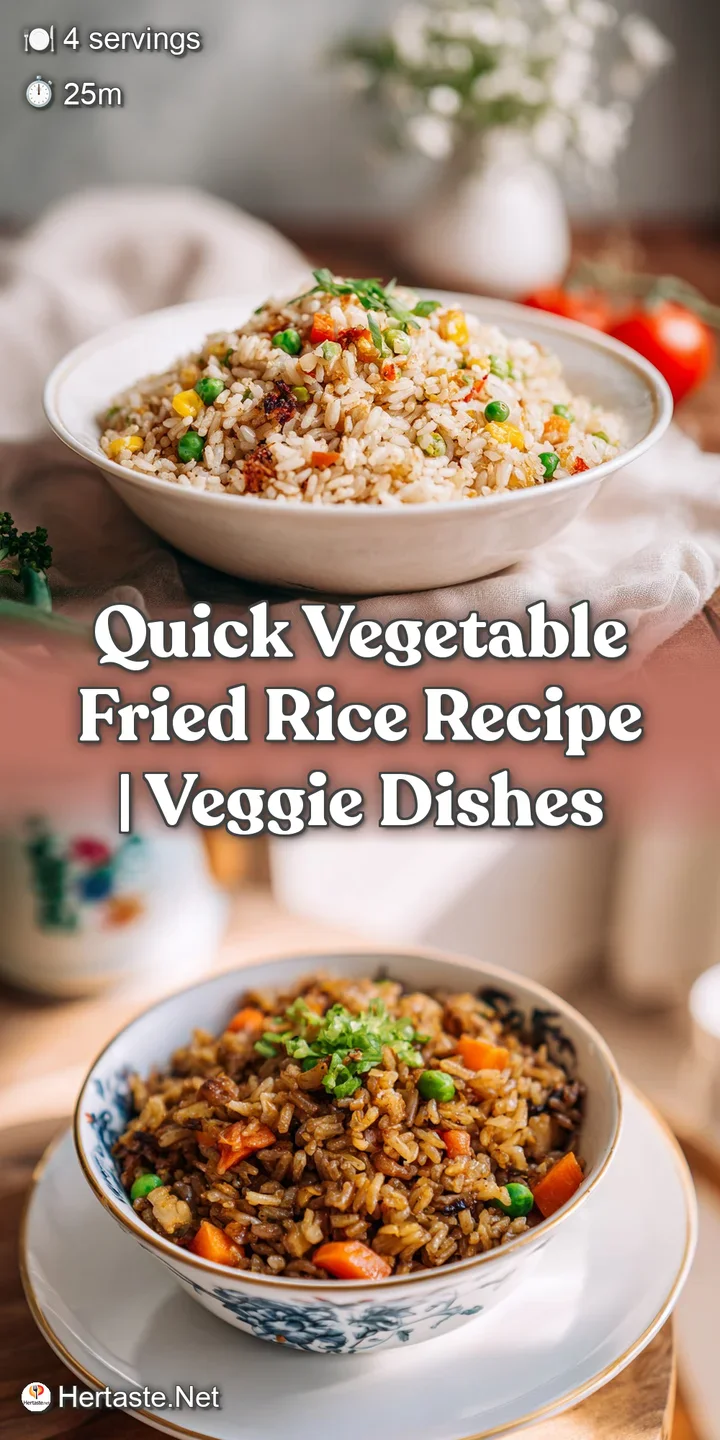
Recipe FAQs
What is the secret ingredient in Chinese fried rice?
Chilled, day-old rice is the indispensable secret, as fresh rice is too moist and will steam instead of fry. This dryness allows the grains to separate and achieve the necessary char via the Maillard reaction; mastering this texture principle is key to restaurant quality results, similar to how precise grain handling works in our How to Cook Fluffy Rice guide.
What vegetables are good in fried rice?
Carrots, peas, and red bell peppers offer the best combination of sweetness, color, and texture retention under high heat. Dice the carrots finely so they soften quickly while keeping the bell peppers slightly crisp for contrast, much like you would select ingredients for a quick, snappy Foolproof Vegetarian Stir recipe.
What is the trick to making fried rice?
Use extremely high heat and do not crowd the pan, ensuring the cold rice hits the hot surface quickly to develop a sear rather than steaming. The trick is managing moisture; always use cold rice and evaporate any water content from vegetables before adding the grains.
What is the 5 5 5 rule for rice?
No, the 5 5 5 rule is not standard for fried rice preparation; that rule often relates to proper refrigerator storage times for cooked rice to prevent Bacillus cereus growth. For fried rice specifically, the focus should be on the 12-hour chilling time for retrogradation, not a specific count of 5s.
Is it true I must use a wok for proper fried rice?
No, this is a common misconception. While a wok is excellent for tossing, a wide, heavy bottomed skillet or cast iron pan works nearly as well because it maintains high, consistent heat across a broad surface area for searing.
How to ensure the eggs don't become dry strings in the rice?
Scramble the eggs separately in a hot, well oiled spot of the pan until just barely set. Immediately push the vegetables and rice to surround the eggs, allowing the residual heat to finish them gently before fully mixing them into the final product.
Should I add the sauce ingredients all at once?
No, never add all the liquid sauce components at once, as this will drop the pan temperature too rapidly and cause steaming. Add soy sauce first to coat the rice, let it evaporate, and then incorporate the finishing oils and sugars at the very end to glaze the grains.
Vegetable Fried Rice Recipe
Ingredients:
Instructions:
Nutrition Facts:
| Calories | 396 calories |
|---|---|
| Protein | 10.8 g |
| Fat | 13.2 g |
| Carbs | 51.5 g |
| Fiber | 3.1 g |
| Sugar | 2.2 g |
| Sodium | 512 mg |
