Utah Pink Sugar Cookies: Tender and Tangy

- Time: Active 51 minutes, Passive 9 minutes, Total 60 minutes
- Flavor/Texture Hook: A velvety almond frosting atop a chilled, melt in-your mouth cookie with rustic, shattered edges.
- Perfect for: Afternoon porch snacks, neighborhood cookie swaps, or bringing a bit of bakery style joy to your kitchen.
- The Secret to Perfect Utah Pink Sugar Cookies
- Why This Cookie Texture Works
- Component Analysis for Cookie Success
- What You Need for Success
- Steps for the Ultimate Bake
- Solving Common Cookie Baking Problems
- Adjusting Recipe for Larger Crowds
- Myths About Soft Sugar Cookies
- Keeping Your Cookies Fresh Longer
- Recipe FAQs
- 📝 Recipe Card
The Secret to Perfect Utah Pink Sugar Cookies
The air in my kitchen always changes the moment I pop the lid off the almond extract. It’s a sharp, sweet scent that cuts through the heavy aroma of softened butter and sugar.
There’s a specific sound, too the soft clink of a flat bottomed drinking glass pressing into a ball of dough, followed by the satisfying sound of the edges cracking and shattering into that iconic, rustic fringe.
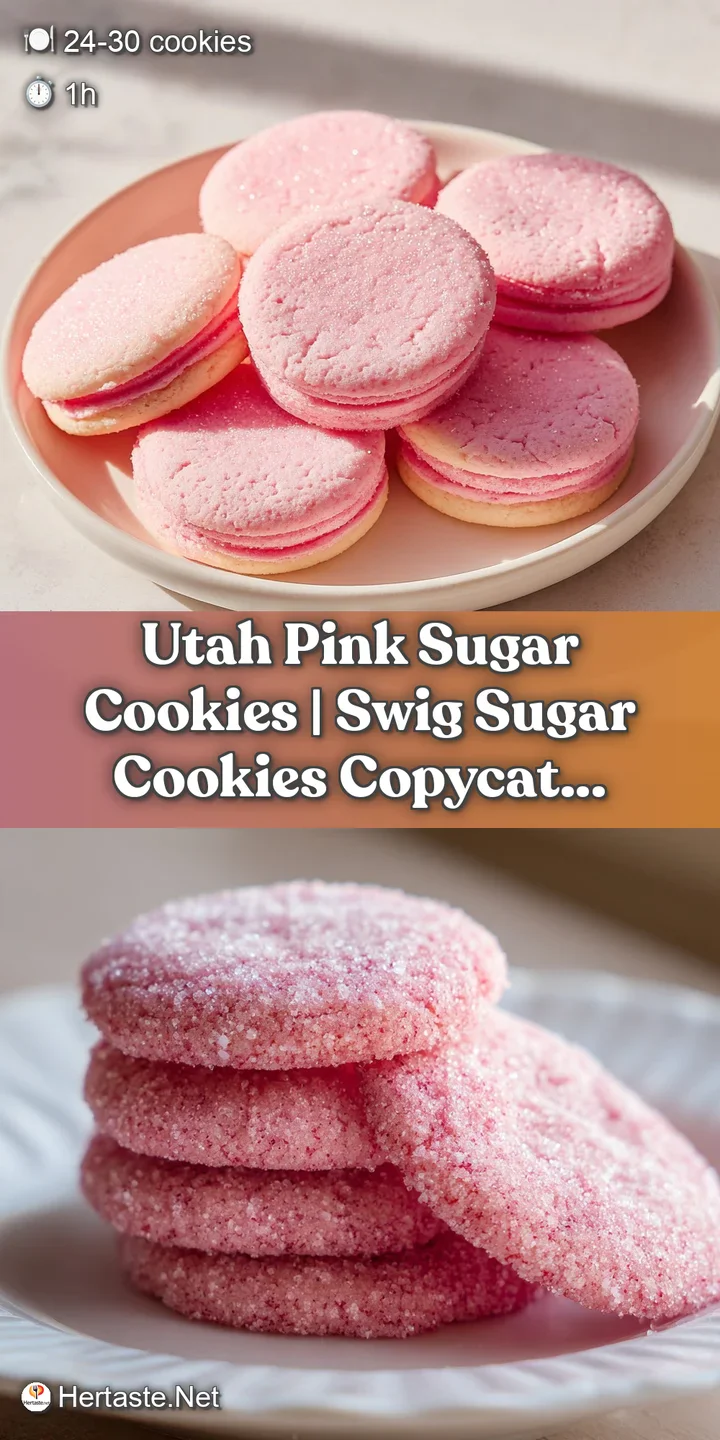
If you’ve ever stood in a long line at a soda shop in Provo or Salt Lake City, you know exactly what I’m talking about. These aren't your typical thin, crispy holiday biscuits; they are thick, substantial, and meant to be eaten cold.
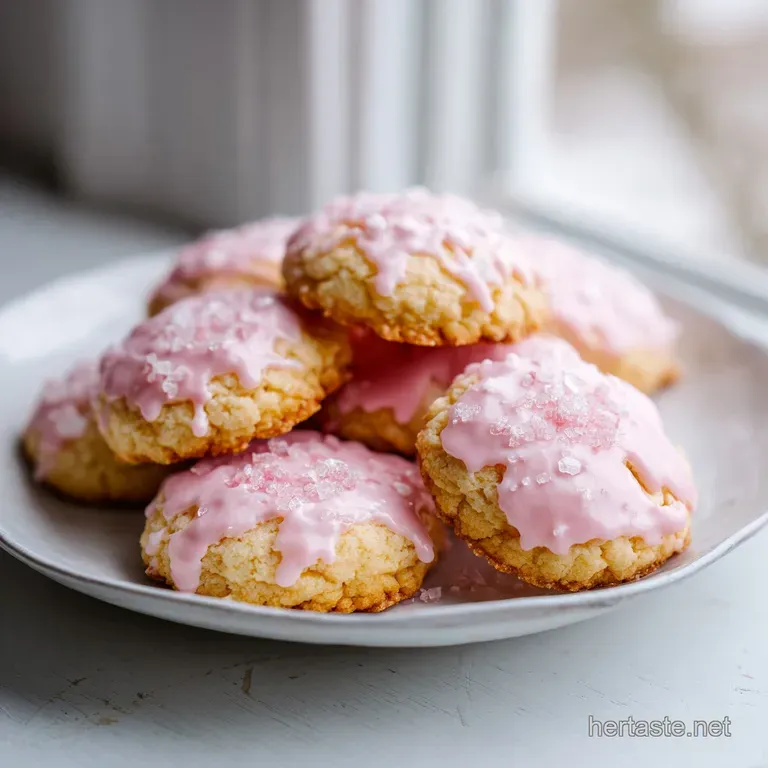
What I love most about these treats is the contrast. You have this chilled, dense cookie that almost feels like shortbread but stays soft enough to bite through without effort. Then, there’s that thick layer of pink frosting.
It isn’t just sweet; the sour cream gives it a tang that balances the sugar, making it impossible to stop at just one. Every time I pull a tray of these out of the oven, they look pale and almost unfinished, but that’s the trick.
The joy comes from that first bite where the velvety frosting hits your tongue followed by the tender, buttery crumb. Let’s get into how we build those layers of flavor and texture.
Why This Cookie Texture Works
Building the ultimate cookie requires a bit of understanding about how fats and acids interact under heat. We aren't just throwing ingredients together; we are creating a specific structural environment.
- Hybrid Fat Structure: Using both softened butter and neutral oil creates a crumb that is both flavorful and incredibly moist. The butter provides that classic richness, while the oil ensures the cookie remains soft and tender even after being chilled in the fridge.
- Acidic Softening: The combination of cream of tartar and sour cream (in the frosting) does more than add flavor. In the dough, the cream of tartar works with the baking soda to create a tiny bit of lift while keeping the protein structure relaxed for a melt in-your mouth feel.
- Density Control: By pressing the dough balls with a glass before baking, we force the air out and create a compact, dense interior. This prevents the cookie from becoming cakey and helps it maintain that signature "soda shop" weight.
- Cold Finish: Chilling the cookies after frosting is a non negotiable step. It sets the fats in the cookie and the frosting, resulting in a firm but yielding texture that feels much more substantial than a room temperature treat.
| Thickness | Internal Temp | Rest Time | Visual Cue |
|---|---|---|---|
| 1/2 inch | 175°F | 10 minutes | Edges are set and matte; center remains pale and soft |
| 3/4 inch | 170°F | 12 minutes | Very soft, almost dough like center; needs longer cooling |
| 1/4 inch | 185°F | 5 minutes | Golden edges; will be crunchy rather than soft |
Choosing the right thickness is vital because it dictates how the cookie carries the heavy frosting. A half inch thickness provides the structural integrity needed to support a generous swirl of pink icing without the cookie snapping in half. If you prefer something a bit more traditional, you might look at my classic sugar cookies which offer a lighter bite. However, for the authentic Utah experience, we want that thick, sturdy base that holds up to the cold temperature.
Component Analysis for Cookie Success
The ingredients we use are simple pantry staples, but their roles are quite specific. It’s like a puzzle where every piece contributes to that final, joyous bite. We use all purpose flour to provide just enough gluten to hold things together without making the cookie tough or bready.
| Ingredient | Science Role | Pro Secret |
|---|---|---|
| Powdered Sugar (Dough) | Controls spread and adds tenderness | Using a mix of granulated and powdered sugar creates a finer, tighter crumb. |
| Neutral Oil | Prevents gluten over development | This keeps the cookie from drying out, even if you accidentally overbake it by a minute. |
| Cream of Tartar | Provides a subtle tang and stabilizes air | It reacts with the soda to give a slight puff without making the cookie tall or cakey. |
| Full fat Sour Cream | Emulsifies the frosting for a matte finish | The fat and acid in the cream cut through the sweetness of the powdered sugar perfectly. |
When you’re mixing these, remember that the temperature of your ingredients matters more than you might think. Room temperature eggs emulsify much better into the creamed butter and oil mixture, preventing the dough from "splitting" or looking curdled before the flour even hits the bowl.
What You Need for Success
Gathering everything before you start is the best way to ensure a calm, happy baking session. I always like to measure my flour by weight if I can, but if you're using cups, just make sure you aren't packing it down.
- Unsalted Butter (1 cup + 1/2 cup): Softened. Why this? Provides the foundational fat and rich dairy flavor for both base and frosting.
- Neutral Oil (3/4 cup): Like canola or vegetable oil. Why this? Ensures the cookie stays moist and soft when served cold.
- Granulated Sugar (1 1/4 cups): For sweetness and those crackled edges.
- Powdered Sugar (3/4 cup for dough, 4.5 cups for frosting): Why this? Creates a delicate crumb in the dough and a smooth, spreadable frosting.
- Large Eggs (2): Room temperature.
- Vanilla Extract (1 tsp): Use a good quality pure extract for the best floral notes.
- All purpose Flour (5 1/2 cups): The backbone of our structure.
- Baking Soda (1/2 tsp): Our primary leavening agent.
- Cream of Tartar (1/2 tsp): For that signature slight tang and softness.
- Kosher Salt (1 tsp): To balance the high sugar content.
- Full fat Sour Cream (1/2 cup): Cold. Why this? The secret to the frosting's unique tang and creamy texture.
- Almond Extract (1 tsp): The essential flavor of a Utah sugar cookie.
- Whole Milk (1.5 tbsp): To adjust the frosting consistency.
- Pink Gel Food Coloring (2 drops): For that iconic, cheerful hue.
If you find yourself short on all purpose flour, you might be tempted to reach for something else. For those looking for different textures, checking out my guide on crisp sugar cookies might give you some ideas on how different flour ratios affect the final snap of the bake.
| Original Ingredient | Substitute | Why It Works |
|---|---|---|
| Full fat Sour Cream | Plain Greek Yogurt | Similar acidity and fat. Note: May make frosting slightly more tart. |
| Neutral Oil | Melted Coconut Oil | Provides the necessary liquid fat. Note: Adds a very subtle tropical scent. |
| Almond Extract | Vanilla Bean Paste | Rich, speckled appearance. Note: Loses the signature "soda shop" flavor profile. |
Steps for the Ultimate Bake
- Cream together 1 cup softened butter, neutral oil, granulated sugar, and 3/4 cup powdered sugar in a stand mixer on medium high for 3 minutes until pale and aerated. Note: This long creaming time builds the micro bubbles needed for a soft texture.
- Add the eggs and vanilla extract to the butter mixture, mixing just until combined. Stop as soon as the yellow streaks disappear to avoid over aerating the eggs.
- In a separate bowl, whisk together the flour, baking soda, cream of tartar, and salt. Gradually add the dry ingredients to the wet ingredients until a soft dough forms. Note: The dough should be soft but not sticky enough to cling to your fingers.
- Preheat oven to 350°F (175°C). Roll dough into 1/3 cup sized balls and place on a lined baking sheet. Space them about 2 inches apart as they will expand when pressed.
- Dip the bottom of a flat glass into extra granulated sugar and press down on each dough ball until the edges crack and the cookie is 1/2 inch thick. Note: The sugar prevents the glass from sticking and adds a lovely crunch to the rustic edges.
- Bake for 9 minutes until set but still pale. Do not brown. Note: If the edges turn golden, the cookie will lose its signature soft, fudge like interior.
- Let cookies cool completely on the pan for at least 15 minutes before moving them. They are very fragile while warm.
- Prepare the frosting by beating 1/2 cup butter, sour cream, 4.5 cups powdered sugar, almond extract, and milk until smooth. Tint with pink gel food coloring. Beat for at least 2 minutes to get it truly fluffy.
- Spread a thick layer of frosting over cooled cookies using a back and forth motion to create those pretty swirls.
- Chill the frosted cookies in the fridge for at least 30 minutes before serving. The cold temperature is essential for the right mouthfeel.
Solving Common Cookie Baking Problems
Sometimes things don't go quite as planned, but most cookie mishaps are easily fixed. One of the most common issues is the cookie spreading too much and losing that thick, substantial height.
Why Your Cookies Spread Too Much
If your cookies come out looking like thin pancakes rather than thick discs, the culprit is usually the temperature of the fat. If your butter was too melted or if the room was very warm, the structure collapses before the flour has a chance to set.
Another reason could be over creaming the butter and sugar for too long, which incorporates too much air.
To Fix Dry, Crumbly Cookies
When the dough feels like sand and won't hold a ball shape, you've likely over measured the flour. Next time, use the "spoon and level" method. To fix a dry batch of dough, you can try adding a tablespoon of oil or milk, one teaspoon at a time, until it just comes together.
However, be careful not to overwork it, or you'll end up with a tough cookie.
To Prevent Runny Frosting
If your frosting is sliding off the cookie like a glaze, it's either too warm or has too much liquid. The sour cream should be cold when it goes in. If it’s already runny, add more powdered sugar, a quarter cup at a time, until it holds a stiff peak.
| Problem | Root Cause | Solution |
|---|---|---|
| Cookies are tough | Overmixed flour | Mix dry ingredients only until no white streaks remain. |
| No "cracked" edges | Dough too wet | Add 2-3 tbsp of flour; ensure you are pressing firmly with the glass. |
| Frosting is grainy | Sugar not incorporated | Sift your powdered sugar and beat the frosting for a full 3 minutes. |
Common Mistakes Checklist
- ✓ Use room temperature eggs to ensure a smooth, emulsified dough.
- ✓ Do not skip the powdered sugar in the dough; it’s the secret to the fine texture.
- ✓ Pull the cookies out while they still look "underdone" they carry over cook on the pan.
- ✓ Let the cookies cool 100% before frosting, or the sour cream in the icing will melt.
- ✓ Always chill the finished cookies; the flavor peaks when they are cold.
Adjusting Recipe for Larger Crowds
If you are baking for a big party or a school event, you might need to scale things up. This recipe is quite sturdy, but there are a few things to keep in mind when doubling the batch.
When scaling UP, you can double everything exactly, but I suggest keeping the salt and almond extract at 1.5x the original amount first, then tasting. Spices and extracts can sometimes become overwhelming when doubled.
You will likely need to work in batches, keeping the unbaked dough in the fridge between tray rotations so the oil doesn't start to seep out.
For scaling DOWN to a half batch, the math is simple, but the eggs can be tricky. Use one large egg and one yolk for the best results. You'll want to use a smaller mixing bowl so the beaters can properly reach the butter and sugar to aerate them.
Smaller batches tend to bake a minute or two faster because the oven temperature doesn't drop as much when you open the door.
Myths About Soft Sugar Cookies
There’s a lot of old school advice out there that doesn't quite apply to the Utah style cookie. Let’s clear some of that up so you can bake with confidence.
One big myth is that "golden brown means done." For most cookies, that’s true. But for these, golden brown means you’ve made a traditional sugar cookie, not a Utah style one. The goal here is a pale, almost white appearance.
If you see the edges turning brown, you’ve lost that soft, dense, fudge like middle that makes these famous.
Another misconception is that you have to chill the dough before baking. While chilling helps some recipes, this specific dough is designed to be rolled and pressed immediately. The combination of oil and butter allows it to hold its shape well at room temperature.
In fact, if the dough is too cold when you press it with the glass, the edges might shatter too much or the dough might crumble instead of giving you those beautiful, rustic cracks.
Keeping Your Cookies Fresh Longer
Proper storage is the difference between a treat that lasts all week and one that goes stale by morning. Because of the sour cream in the frosting, these cookies belong in the fridge.
Storage: Place the frosted cookies in a single layer in an airtight container. If you must stack them, place a piece of parchment paper between the layers, but be warned the frosting is soft and may smudge. They will stay fresh and velvety in the refrigerator for up to 5 days.
Freezing: You can freeze the unfrosted, baked cookies for up to 3 months. When you're ready to eat, thaw them in the fridge, then frost fresh. You can also freeze the fully frosted cookies, but the texture of the frosting can sometimes change slightly upon thawing, becoming a bit more matte.
Zero Waste Tip: If you have leftover frosting (and you might, because I like to make a lot!), it is incredible as a dip for Graham crackers or apple slices. You can also sandwich it between two plain vanilla wafers.
If you have broken cookie bits, crumble them over vanilla ice cream for a "pink sugar cookie" sundae that is absolute comfort in a bowl.
These cookies are a labor of joy, from the first creaming of the butter to the final swoop of pink frosting. They bring a bit of that mountain town magic into any home, and I hope they become a staple in your kitchen just like they have in mine. Right then, let’s get those pans ready!
Recipe FAQs
Why do these cookies stay so pale during baking?
This is intentional for texture. By baking at 350°F (175°C) for only 8-10 minutes, the cookies set without developing a hard, golden crust, keeping the center incredibly soft.
How to achieve the signature thick, cracked edges?
Dip the bottom of a flat glass into extra granulated sugar before pressing down on each 1/3 cup dough ball. This creates the classic flattened look while ensuring the edges crack perfectly during the brief bake time.
Is it true I can skip the 3-minute creaming step?
No, this is a common misconception. Creaming the butter, oil, and sugars for a full 3 minutes is vital to incorporate enough air for that specific, cake like density. If you enjoyed mastering the creaming technique here, see how the same principle works in our snickerdoodles.
How to store these cookies once frosted?
Keep them in an airtight container in the refrigerator. Because the frosting contains sour cream and butter, they must stay chilled to maintain their structure and prevent the icing from softening too much.
What is the secret to a smooth, non-gritty frosting?
Ensure your 4.5 cups of powdered sugar are sifted and beat the mixture thoroughly until completely glossy. The addition of room temperature butter and sour cream helps create a velvety consistency that holds its shape on the cooled cookies.
How to prevent the dough from sticking to the glass when pressing?
Coat the base of your glass in a thin layer of granulated sugar every single time you press a dough ball. This acts as a barrier that prevents the sticky, high sugar dough from pulling up with the glass.
Can I use a different extract if I dislike almond flavor?
Yes, you can swap the almond extract for more vanilla extract. While the almond extract is the traditional choice for that specific pink sugar cookie profile, vanilla provides a softer, classic base flavor that works just as well.
Utah Pink Sugar Cookies
Ingredients:
Instructions:
Nutrition Facts:
| Calories | 563 kcal |
|---|---|
| Protein | 4.7 g |
| Fat | 25.5 g |
| Carbs | 78.9 g |
| Fiber | 1.0 g |
| Sugar | 50.1 g |
| Sodium | 174 mg |
