Zesty Italian Dressing: Sunshine in a Bottle
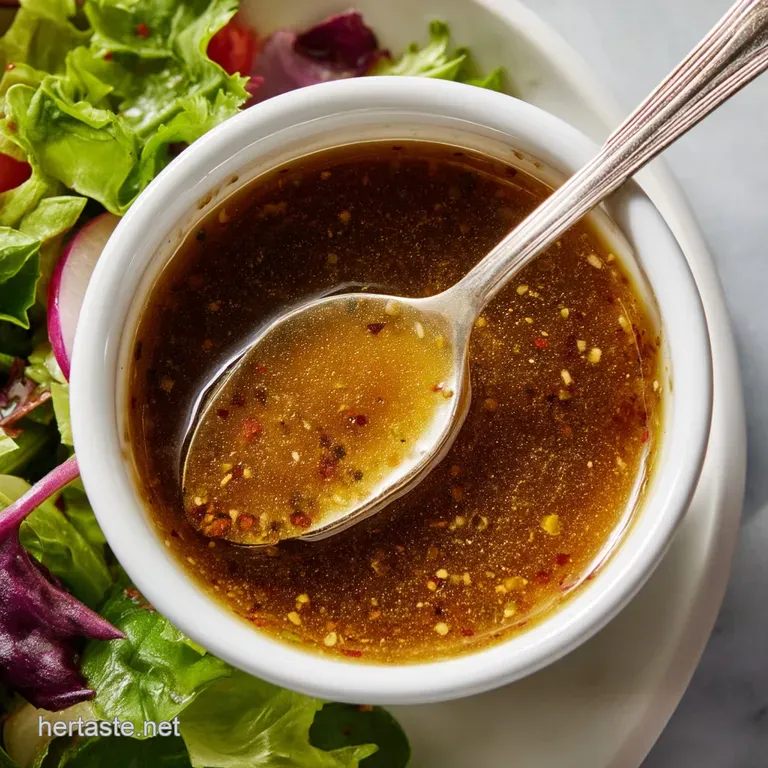
- The Ultimate Homemade Italian Vinaigrette Recipe
- Mastering the Emulsification: Flavor Science Explained
- Essential Components for the Brightest Zesty Italian Dressing
- Creating Your Zesty Italian Vinaigrette: Simple Step-by-Step Directions
- Troubleshooting and Expert Tips for a Professional Finish
- Extending Freshness: Storing Your Homemade Italian Dressing
- Beyond the Greens: Creative Uses for Your Vinaigrette
- Recipe FAQs
- 📝 Recipe Card
The Ultimate Homemade Italian Vinaigrette Recipe
When you unscrew the lid on a perfect batch of homemade dressing, you want that immediate, punchy aroma of sun-dried herbs and sharp vinegar, brightened by a kiss of fresh lemon. It should make your mouth water before it even touches the lettuce.
The texture needs to be cloudy, slightly thickened, clinging lovingly to everything it touches not separating into sad, greasy pools instantly. We’re aiming for the kind of vibrant flavor explosion that only the best Zesty Italian Dressing can deliver.
Let’s be real, those bottles lurking in the supermarket aisle? They are full of preservatives, stabilizers, and usually corn syrup, and they cost a small fortune for what is essentially oil and vinegar.
Making your own is not just cheaper; it takes maybe eight minutes of active work, and it tastes a hundred times better. This is truly a high impact, low-effort kitchen miracle, perfect for weeknight meal prepping when you just can't be bothered with anything complicated.
Ready to ditch the dull stuff and graduate to a superior, restaurant quality dressing that doubles as an incredible marinade? We're going to dive into the nuts and bolts of achieving the most robust, perfectly balanced Zesty Italian Dressing you’ve ever tasted.
Trust me, once you make this, you’ll never look back.
Mastering the Emulsification: Flavor Science Explained
Why This Vinaigrette is a Game Changer
This specific Zesty Italian Dressing recipe works because we treat the dried herbs right. Most people just toss everything into a jar and shake, but that results in sad, dusty herbs that haven't fully awakened.
The key here is letting the dried herbs and garlic steep in the acid (the vinegar and lemon juice) before the oil is added. This allows them to "bloom," fully hydrate, and release their essential oils and flavour compounds, giving us that deep, complex Italian flavour we crave.
We are also using Dijon mustard don't skip this. It's not just a flavour enhancer; it contains natural compounds called mucilage that act as the binding agent between the oil and the vinegar, creating a stable emulsion.
That stability is what makes the final Zesty Italian Dressing wonderfully creamy and cohesive, instead of thin and quickly separated.
The Difference Between Vinaigrette and Creamy Dressings
A vinaigrette, at its heart, is a temporary emulsion of oil and acid, often stabilized slightly by an emulsifier like mustard or honey. It’s light, bright, and typically clear (or cloudy, like ours). A creamy dressing, on the other hand, relies on dairy, eggs, or mayonnaise to provide a thick, opaque base.
If you want to transform this incredible Zesty Italian Dressing into something creamy, just whisk in a couple of tablespoons of Greek yoghurt or good quality mayonnaise after the initial shake.
Quick Prep Time and Yield Overview
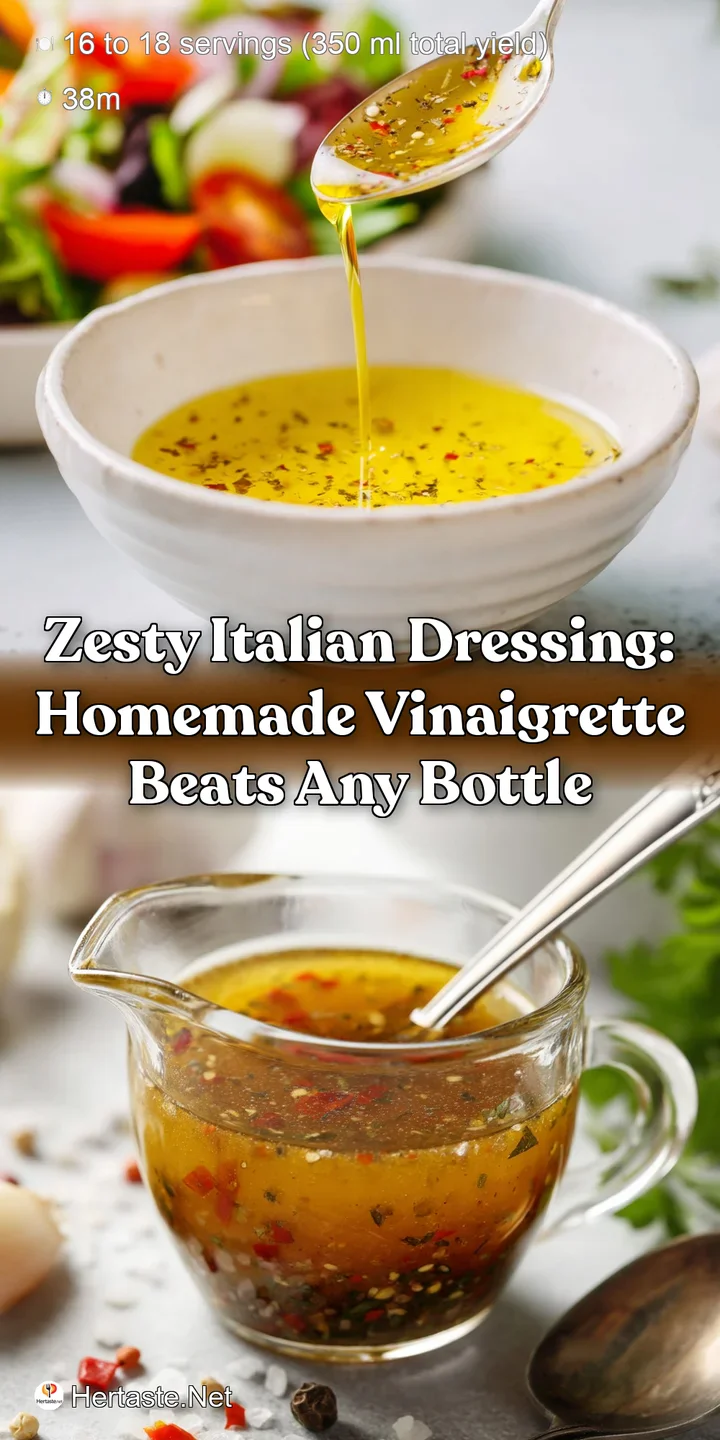
I’m serious about the speed here. You can have the initial vinaigrette prepped and shaken in less time than it takes to boil a pot of water. The total time on the clock is dominated by the necessary chilling phase, which lets the flavors truly mingle and become the vibrant, cohesive Zesty Italian Dressing we are aiming for.
This recipe yields a solid cup and a half, which is usually enough for a week's worth of lunches or two large family salads.
The Perfect Acid-to-Oil Ratio Balance
The classical French ratio for a vinaigrette is 1 part acid to 3 parts oil, but honestly, that can taste a bit dull and overly oily, especially when using pungent ingredients like garlic and red pepper flakes.
For a truly zesty flavour profile, we lean closer to a 1:2 ratio (acid to oil), plus the extra splash of fresh lemon. This aggressive amount of acid is what gives this Zesty Italian Dressing its incredible brightness and satisfying tang.
Maximizing Herb Infusion for Depth of Flavor
As I mentioned, the acid bloom is everything. When you combine the dried oregano, basil, and thyme with the vinegar, the acid strips away some of the plant cell walls, speeding up the flavour release.
If you're using fresh herbs instead, you can skip the blooming time, but I actually prefer dried for vinaigrettes because their concentrated flavour holds up better over several days of storage. Using dried herbs guarantees a consistent Zesty Italian Dressing flavor.
The Role of Sweetness and Spice in Cutting Acidity
Sweetness is critical here, not because we want a sweet dressing, but because sugar is the perfect counter balance to the aggressive acidity of the red wine vinegar. A tiny teaspoon smooths out the edges of the tang, making the flavour profile rounder and more palatable.
Similarly, the red pepper flakes provide a fantastic background warmth, which elevates the "zesty" factor beyond just the lemon and vinegar, giving us the perfect homemade Zesty Italian Dressing .
Essential Components for the Brightest Zesty Italian Dressing
Making your own dressing means you control the quality of every single ingredient, and believe me, it matters. This simple list forms the backbone of the perfect homemade Zesty Italian Dressing and requires minimal fuss.
| Ingredient Focus | Why it’s Key | Smart Swaps (If You're Out) |
|---|---|---|
| Red Wine Vinegar | Provides the necessary depth and color. | White wine vinegar or even quality sherry vinegar (it's milder). |
| Extra Virgin Olive Oil | The carrier of all flavours; needs to be fruity, not bitter. | Avocado oil or a neutral grapeseed oil, but you lose the olive notes. |
| Dijon Mustard | The secret emulsifier and necessary flavour boost. | 1/4 teaspoon of lecithin powder (if you're a real food science nerd) or skip it, but expect separation. |
| Granulated Sugar | Balances the pucker factor of the vinegar. | Honey, agave nectar, or a tiny pinch of monk fruit for keto (use less!). |
| Dried Oregano | The essential heart of Italian seasoning. | Marjoram, though the flavour will be slightly sweeter and less robust. |
Choosing the Right Red Wine Vinegar and Olive Oil Base
Don’t buy the absolute cheapest stuff you can find for either component. Since oil makes up most of the volume, a bitter or bland oil will ruin your dressing. Look for an olive oil that specifies "Extra Virgin," ideally one that is cold pressed, offering a fruity, slightly peppery flavour.
For the vinegar, ensure it's around 6% acidity for that necessary punch. This careful selection ensures a superior homemade Zesty Italian Dressing every time.
Fresh vs. Dried Herbs: When to Use Which
For this particular vinaigrette one intended for batch cooking and storing dried herbs are actually superior. They are concentrated and durable, and they rehydrate beautifully in the vinegar over time, intensifying the flavour.
Fresh herbs (like chopped oregano or basil) are great if you plan on serving the dressing immediately, but they can sometimes discolour and turn slimy if left swimming in the oil for more than a day or two. Stick with dried for the best lasting flavor in your Zesty Italian Dressing .
Smart Swaps: Handling Dietary Restrictions and Salt Reduction
Need to cut down on sodium? Use half the amount of Kosher salt initially and rely on powerful seasonings like onion powder and garlic powder to compensate for the missing intensity.
If you are avoiding refined sugar, honey or maple syrup work flawlessly as substitutes, giving the Zesty Italian Dressing a slightly richer mouthfeel.
Sourcing the 'Warming Whisper of Chilli'
The red pepper flakes are non-negotiable for that crucial "zesty" heat. If you want something milder, you can swap them for smoked paprika, which offers warmth without the direct heat. If you want more heat, try adding a tiny pinch of cayenne pepper, but be warned: it’s potent!
Finding that perfect level of spice ensures the Zesty Italian Dressing really lives up to its name.
Creating Your Zesty Italian Vinaigrette: Simple step-by-step Directions
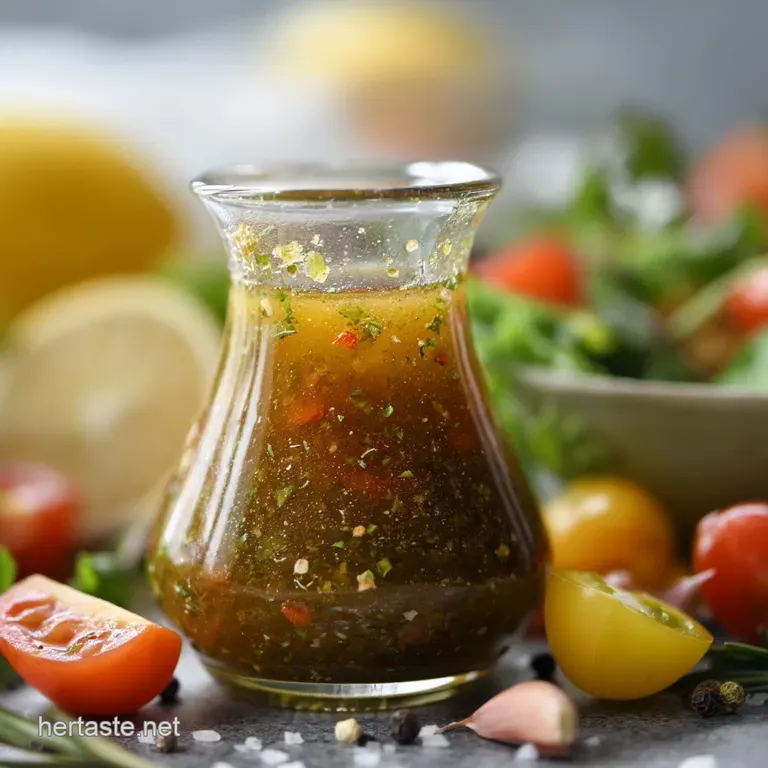
You’ll be amazed how quickly this comes together. Forget the whisking bowl we are doing this the lazy, efficient way: in a sealed jar.
Preparation: Mincing, Zesting, and Measuring
First, make sure your garlic clove is super finely minced. You don’t want huge chunks floating around. Get all your dried herbs measured out and waiting. This is also the time to make sure your Dijon mustard is fresh and your jar lid is tight.
A poorly secured lid is a disaster waiting to happen, especially when making something as potent as this Zesty Italian Dressing .
The Critical Mixing Phase: Shaking vs. Whisking
For a vinaigrette, shaking in a jar is superior to whisking in a bowl, especially for achieving that initial emulsion. The vigorous, contained movement breaks the oil into incredibly tiny droplets, allowing the Dijon to bind them effectively with the acid base.
Pour the vinegar, lemon juice, sugar, spices, and dried herbs into the jar first. Give this a quick stir or shake to bloom the herbs. Then, add the oil and the water, secure the lid, and shake like you mean it for a full minute. You should see a noticeable change in texture.
Resting Time: Letting the Flavors Marry
This step is truly non-negotiable. If you try to serve your Zesty Italian Dressing right away, it will taste harsh, overly acidic, and the herbs will still be dry and crumbly. Put the jar in the fridge for at least 30 minutes, or ideally, an hour.
This resting time lets the magic happen: the garlic mellows, the herbs soften, and the emulsion stabilizes, resulting in a perfectly balanced flavour profile.
Troubleshooting and Expert Tips for a Professional Finish
How to Fix a Broken or Separated Dressing
Vinaigrettes separate it’s just gravity and chemistry asserting themselves. But if your dressing completely separates even after shaking, you might have added the oil too quickly or not shaken hard enough.
To save a broken batch of Zesty Italian Dressing , pour the separated mixture back into a bowl. In a clean, separate bowl, add one teaspoon of fresh Dijon mustard. Then, very slowly, drizzle the broken dressing back into the clean bowl while vigorously whisking.
The fresh mustard acts as an anchor and rebuilds the emulsion. It's a quick fix!
Adjusting the Pucker: Balancing Acid and Salt
I once made a batch of this Zesty Italian Dressing where I forgot the sugar entirely. It was so sour it practically peeled the paint off the walls! If your dressing is too sharp, don't panic. Add a tiny pinch of sugar or a small drizzle of honey and shake again.
If it's too bland or flat, it likely needs more salt. Salt amplifies flavour, so always adjust it last.
Chef's Note: Remember that salt intensifies as the dressing chills. Taste it right before you serve it, not just immediately after mixing.
The Secret to a Cloud Free, Clear Vinaigrette
If you want a clearer, non-cloudy vinaigrette (often preferred for presentation), you need to skip the Dijon mustard and use slightly less vigorous shaking. However, for a proper, flavourful, thick Zesty Italian Dressing , the cloudy look is the goal because it signifies a beautiful, temporary emulsion.
The slight cloudiness shows the oil droplets are perfectly suspended.
Extending Freshness: Storing Your Homemade Italian Dressing
Refrigerator Shelf Life: How Long Will It Last?
Because this recipe uses quality vinegar (a natural preservative) and no fresh dairy, your homemade Zesty Italian Dressing will last quite a long time. Stored in an airtight container (like our glass jar) in the refrigerator, it is perfectly safe and delicious for up to 2 weeks.
The flavour actually peaks around Day 2 or 3!
Re-Emulsifying After Chilling
When chilled, the olive oil may solidify slightly, and some separation is normal. Don't worry if the dressing looks thick or separated when you pull it from the fridge. Simply let it sit on the counter for 10 minutes to warm up slightly, and then give the jar another firm, 15 second shake.
It will return immediately to its cloudy, beautiful texture. This is a normal process for a vinaigrette base like this amazing Zesty Italian Dressing .
Beyond the Greens: Creative Uses for Your Vinaigrette
This homemade Zesty Italian Dressing is far too good to be relegated just to green salads. It's an indispensable kitchen tool!
Marinating and Roasting Applications
This dressing makes an unparalleled marinade. The acids help tenderize tougher cuts of protein, and the oil carries the intense herb flavour deeply into the ingredients. It works wonders as a quick 30 minute soak for pork or as an overnight marinade for tofu or firmer vegetables. The punchy flavour profile of this Zesty Italian Dressing also shines when roasted. Try tossing potatoes or broccoli florets in it before roasting the herbs get slightly crispy and the vinegar caramelizes beautifully. I even use it to coat the veggies in my MealPrep Shrimp Burrito Bowls: Easy, Zesty, Healthy Lunch Meal Prep sometimes when I want an Italian twist.
Finishing Oil and Bread Dip
Don't underestimate this as a dipping oil! Pour a small amount into a shallow dish and serve alongside crusty bread. The brightness of the lemon and the warmth of the red pepper flakes are addictive. You could also drizzle a tiny bit over hummus or a cold lentil salad for an instant flavour lift.
I find this Zesty Italian Dressing delivers such a clean, powerful flavour that it makes other simple dishes sing.
Adjusting for Different Dish Profiles
If you’re using this dressing for a heavy pasta salad, you might want to increase the amount of oil slightly to ensure everything is coated without becoming overly acidic. If you’re using it as a dressing for lighter greens, keep the ratio as written for that strong, assertive zest.
The versatility is the reason I always have a jar of this incredible Zesty Italian Dressing waiting in my fridge. Once you start making your own, you realize how flexible and fantastic it is. It's the brightest, easiest, and most flavourful thing you'll make all week, guaranteed. Enjoy!
Recipe FAQs
Why does my dressing separate after sitting, and how do I fix it?
Vinaigrettes are temporary emulsions, meaning separation is completely natural and expected due to the density difference between oil and vinegar. Simply shake the jar vigorously for 30 seconds before each use to easily re-emulsify the dressing until it appears cloudy and uniform.
For a more stable emulsion that stays together longer, try adding 1/2 teaspoon of Dijon mustard, which acts as a powerful binder without changing the flavor profile.
How long does this homemade Zesty Italian Vinaigrette last in the refrigerator?
When stored in an airtight container in the refrigerator, this dressing will remain fresh and vibrant for up to 10 days. Since it contains fresh ingredients like garlic, it’s important to monitor the smell after the first week; discard it immediately if you notice any off odors or mold development.
Always allow the dressing to sit at room temperature for about 15 minutes before serving to let the olive oil loosen up.
Can I use a different oil instead of extra virgin olive oil?
While extra virgin olive oil provides the most robust and authentic Italian flavor, you can certainly substitute it if desired. Lighter, neutral oils like avocado oil or grapeseed oil work very well and will produce a milder dressing that remains liquid even when chilled.
Avoid heavier, high flavor oils like walnut or toasted sesame oil, as they will clash with the specified Italian herb profile.
I avoid sugar. What alternatives can I use to balance the acidity?
Balancing the acidity is crucial for a great vinaigrette, and many alternatives exist to replace the honey or traditional sugar. You can swap the honey for an equal measure of maple syrup, or use a few drops of liquid stevia or erythritol to taste for a non-caloric option.
If you prefer to skip added sweeteners entirely, finely grating a small amount of roasted carrot into the mix can add natural sweetness and body.
My dressing tastes too sharp and acidic. How do I mellow the flavor?
If the dressing is overly sharp, you likely need more fat or sweetener to achieve the perfect balance. Try adding another tablespoon of olive oil or half a teaspoon more of your chosen sweetener (honey/maple syrup) to counter the tanginess of the vinegar.
You can also temper the acidity slightly by whisking in one or two tablespoons of warm water or low-sodium vegetable broth.
Should I use fresh or dried herbs for this recipe?
For the brightest, most vibrant flavor, using a blend of fresh herbs like oregano, basil, and parsley is highly recommended for this recipe. However, good quality dried herbs are perfectly acceptable and often provide a more intense, classic "bottled Italian dressing" profile.
If you choose to use dried herbs, remember they are much more potent, so use only about 1/3 of the volume specified for fresh herbs.
Besides salad, how else can I use this Zesty Italian Vinaigrette?
This highly versatile vinaigrette makes an excellent marinade for poultry, firm tofu, or thin pork cutlets before grilling or baking, adding incredible flavor and promoting tenderness.
It can also be drizzled generously over roasted vegetables like asparagus or peppers, mixed into cold pasta salad, or simply used as a tangy dipping oil for crusty sourdough bread.
Ultimate Zesty Italian Dressing
Ingredients:
Instructions:
Nutrition Facts:
| Calories | 445 kcal |
|---|---|
| Protein | 32.2 g |
| Fat | 11.4 g |
| Carbs | 55.4 g |
