The Ultimate Sunday Roast Lasagna Rich Ragu Creamy Béchamel and Fresh Pasta Layers
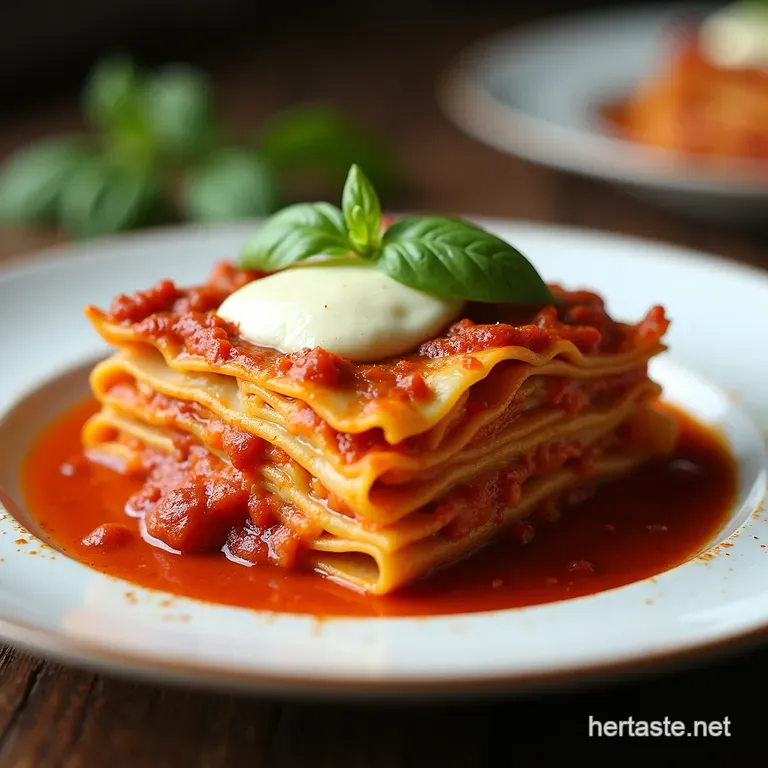
- Elevating Comfort Food: Why This Homemade Lasagna Stands Above the Rest
- The Philosophy Behind Our Layered Masterpiece
- The Essential Arsenal for Building Your Best Homemade Lasagna
- Phase One: Slow Simmering Perfection for the Meat Sauce
- Phase Two: Mastering the Velvety Smooth Béchamel Drip
- Phase Three: Strategic Stacking for Ultimate Structural Integrity
- Troubleshooting Common Lasagna Pitfalls and Pro Fixes
- Maximizing Flavor Over Time: Storage and Reheating Tips
- Recipe FAQs
- 📝 Recipe Card
Elevating Comfort Food: Why This Homemade Lasagna Stands Above the Rest
There are few dishes that evoke the same feeling of warmth, celebration, and pure satisfaction as a proper, deeply layered lasagna. Forget the hastily assembled casserole from a box; we are talking about crafting The Best Homemade Lasagna , a project that rewards effort tenfold.
This isn't just dinner; it’s a culinary event. Our approach focuses on building deep flavour through slow cooking and using contrasting textures from the robust, slow simmered ragu to the silken béchamel.
This Homemade Lasagna Recipe transforms simple ingredients into something truly transcendent, ensuring your result is the Ultimate Lasagna your family will talk about for years to come.
The Philosophy Behind Our Layered Masterpiece
Creating The Best Homemade Lasagna requires embracing a philosophy of unhurried quality at every step. We view this dish not as one component, but as three distinct, equally important players: the rich sauce, the creamy binder, and the tender pasta.
Each must be perfected individually before they unite in the baking dish.
Ditching the Shortcuts: The Secret to Deep Ragu Flavour
The core of any truly magnificent lasagna lies in its sauce. For this Homemade Lasagna , we insist on a deeply savoury, slow simmered ragu, incorporating both ground beef and Italian sausage for complexity. The crucial element here is time.
We begin by building a classic soffritto —finely diced onion, carrot, and celery sautéed patiently in olive oil and butter until sweet. Once the meats are deeply browned and deglazed with a robust red wine, the mixture must simmer, partially covered, for at least two to three hours.
This extended period allows the proteins to break down, marrying with the tomatoes and stock to form a Homemade Lasagna Sauce that is thick, rich, and utterly concentrated.
A Texture Revelation: Fresh Pasta vs. Dried Sheets
While convenience calls for dried sheets, achieving the pinnacle of texture requires commitment to Homemade Lasagna Noodles Recipe . Fresh pasta has a natural tenderness and elasticity that dried sheets simply cannot replicate, even the 'oven ready' types.
Our fresh dough, made simply with flour, eggs, a touch of olive oil, and salt, rests briefly before being rolled whisper thin. While these sheets are blanched briefly before assembly, their delicate nature ensures they melt seamlessly into the sauce layers, avoiding the chalky or overly chewy texture that plagues inferior versions.
Setting Expectations: What Makes This Recipe a Showstopper
What sets this Homemade Lasagna With Ricotta alternative (we use béchamel!) apart is the inclusion of a luscious, nutmeg spiced béchamel. This creamy element performs the magic trick of binding the robust meat sauce and tender pasta, preventing dryness and ensuring every slice holds its structure.
Combined with the rich ragu and the delicate fresh pasta, this balance of heft and silkiness is what elevates this from a simple baked pasta dish to a genuine showstopper. This entire method provides a roadmap to a Simple Homemade Lasagna experience, elevated through technique.
The Essential Arsenal for Building Your Best Homemade Lasagna
To successfully execute this rich, multi stage dish, you need the right tools and ingredients. Since this recipe involves slow cooking and delicate dough work, preparation is key to a smooth assembly process.
Sourcing Superior Components: A Checklist for Quality
Quality ingredients are non-negotiable when the cooking time is long. For the ragu, using San Marzano crushed tomatoes will provide a superior sweetness and lower acidity. When selecting cheese, prioritize freshly grated Parmigiano Reggiano over pre-shredded varieties; the difference in melt and flavour is astonishing.
Crafting the Rich Foundation: Ragu Meat and Aromatics Checklist
When sourcing meat for your Homemade Lasagna Sauce , aim for an 80/20 ground beef ratio to ensure enough fat renders to create a flavour base without leaving the final product greasy. Pair this with mild or hot Italian sausage, removing the casings entirely.
The aromatic base relies on perfectly diced onion, carrot, and celery sautéing these until they are translucent and sweet (the soffritto ) is the vital first step before adding the meat.
The Dairy Dialogue: Selecting Cheeses and Béchamel Basics
For the creamy element, full fat whole milk is mandatory for the béchamel, as this richness cannot be replicated with low-fat alternatives. The final cheese topping should blend low-moisture mozzarella (for stretch) with the sharp, salty notes of authentic Parmesan.
Although this recipe skips ricotta, the béchamel serves the same binding purpose, resulting in a smoother texture throughout the Homemade Lasagna .
Necessary Kitchen Apparatus for Seamless Assembly
A heavy bottomed Dutch oven or large saucepan is essential for the 2-3 hour simmer of the ragu, ensuring even, gentle heat distribution. For the pasta, either a dedicated pasta machine or a very sturdy rolling pin is needed to achieve the thinness required for the layers.
Finally, you’ll need a standard 9x13 inch baking dish, preferably a deeper one, to accommodate the necessary number of layers for this Ultimate Lasagna .
Phase One: Slow Simmering Perfection for the Meat Sauce
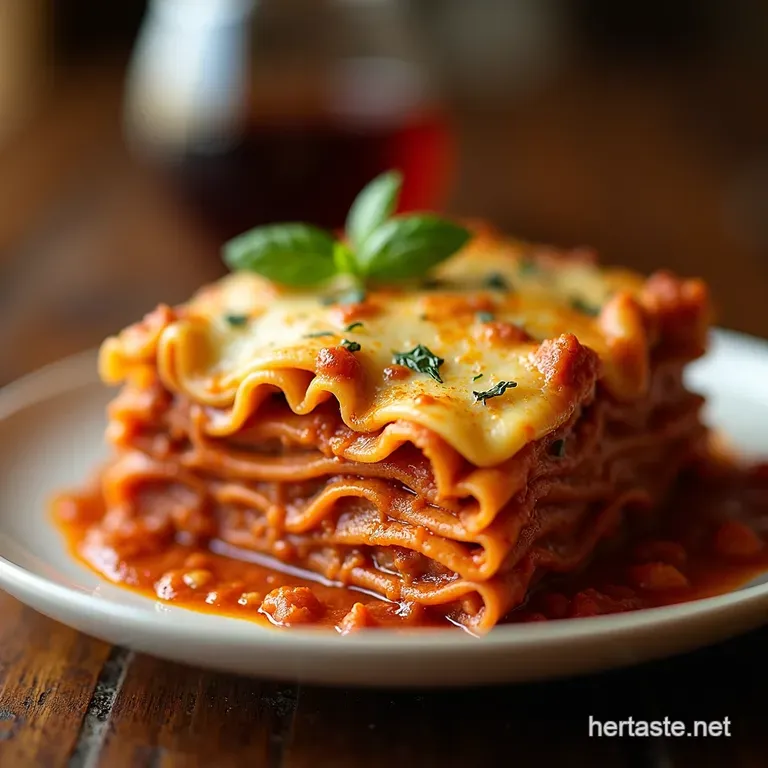
The journey begins long before the oven is preheated. Begin by sweating down your aromatics in the Dutch oven with olive oil and butter until they soften beautifully, about ten minutes. Next, introduce the ground beef and sausage.
The key here is not just cooking the meat but browning it thoroughly; let it develop a deep crust on the bottom of the pan before breaking it up. Once browned, the wine goes in to deglaze the pan this scraping up of fond is critical for flavour depth.
Allow the wine to reduce almost completely before introducing the tomatoes, stock, herbs, and seasoning. Once combined, reduce the heat to the lowest setting, partially cover, and let it whisper away for 2– 3 hours, stirring occasionally.
This patient simmer transforms simple ingredients into the foundation for The Best Homemade Lasagna .
Related Recipes Worth Trying
- The Ultimate Homemade Lasagna with Ricotta Cheese Recipe — Forget watery layers Learn how to make easy lasagna with ricotta cheesea truly hearty bubbling classic that tastes just like Nonna made Get the full...
- Easy Lasagna with Ricotta The Speedy Sunday Supper Recipe — Make the ultimate comfort food fast This Easy Lasagna with Ricotta uses noboil noodles and quality sauce for a creamy cheesy bake in under 90 minutes
- The Sunday Star Classic Lasagna with Creamy Ricotta Filling — Master the Best Ricotta Lasagna This recipe delivers perfectly layered homemade comfort with a rich ragù and luscious ricotta filling Get the foolproof...
Phase Two: Mastering the Velvety Smooth Béchamel Drip
While the ragu works its magic, turn your attention to the creamy counterpoint. The béchamel sauce begins with creating a roux: equal parts butter and flour cooked gently for two minutes to eliminate the raw flour taste.
It is crucial to warm your milk beforehand; adding cold milk to a hot roux results in lumps that are difficult to resolve. Whisk in the warm milk slowly, bit by bit, continuously whisking until the mixture thickens enough to coat the back of a spoon it should be flowing, but decidedly thick.
Finally, stir in that crucial whisper of freshly grated nutmeg, salt, and white pepper. This perfect, smooth binder will weave seamlessly between the other layers.
Phase Three: Strategic Stacking for Ultimate Structural Integrity
With the sauce simmered and the béchamel ready, it’s time for the construction phase of your Homemade Lasagna Recipe .
Building the Bolognese Base: Browning and Deglazing Techniques
We already covered the browning and deglazing in the sauce phase, which ensures maximum flavour extraction from the meats and wine before the long simmer begins. This initial deep colour sets the stage for the entire dish, making the resulting ragu incredibly savoury.
Achieving Al Dente Without Pre-Boiling Your Noodles
Making fresh Homemade Lasagna Noodles Recipe sheets requires a brief, gentle bath. Roll your dough out thinly setting 6 or 7 on most machines is usually perfect. Drop the sheets into rapidly boiling salted water for no more than 30 seconds per side, just enough to relax the gluten.
Shock them immediately in ice water to halt cooking, then drain them flat on clean kitchen towels. They should be pliable but still slightly firm; they will finish cooking in the oven.
Layering Logic: The Precise Order of Sauce, Pasta, and Cream
The assembly dictates the final texture. Start your 9x13 inch dish with a foundational spread of both ragu and béchamel this prevents the bottom layer of pasta from sticking or drying out. Lay down your first sheet of pasta.
Then, apply a generous layer of ragu, followed by a swath of béchamel, and a good sprinkle of Parmesan. Repeat this sequence Pasta, Ragu, Béchamel, Parmesan until you have built 4 or 5 satisfying layers.
The Golden Crown: Achieving the Perfectly Baked Finish
The final layer must be pasta, generously topped with the remaining béchamel, ensuring the entire surface is covered. Finish this crown with a robust topping of the low-moisture mozzarella and the final dusting of Parmesan.
Bake covered with foil for 30 minutes at 375° F ( 190° C) to steam and heat everything through evenly. Remove the foil for the final 15 minutes to allow that glorious, golden brown crust to develop.
Troubleshooting Common Lasagna Pitfalls and Pro Fixes
Even experts face minor hurdles. The most common issue is a lasagna that collapses into a watery mess upon slicing. This is almost always attributable to an under reduced ragu or skipping the resting period.
If your ragu seems thin after simmering, remove the lid for the last 30 minutes to allow excess moisture to evaporate. If your béchamel seems too thin, whisk in a small slurry of cornstarch and water, bring back to a simmer, and let it thicken for another minute.
Maximizing Flavor Over Time: Storage and Reheating Tips
The beauty of this Homemade Lasagna is that it is often even better the next day. The flavours meld overnight, making for an incredible meal prep solution.
Preventing the Dreaded Watery Middle Layer
As mentioned, ensure your ragu is thick enough to barely hold its shape before assembly. Plus,, when layering, make sure each slice of pasta is adequately covered by sauce; dry pockets of pasta are where water tends to collect during baking.
Creative Variations: Introducing Different Proteins or Veggies
While this recipe is rooted in meat, you can easily adapt it. A vegetarian version could substitute the meat with finely chopped, slow sautéed mushrooms and lentils, lending a deep umami flavour.
Alternatively, for a richer experience, supplement the beef/pork mix with finely minced prosciutto added during the browning stage. These minor tweaks keep the classic structure intact while offering new flavour profiles in your Homemade Lasagna .
make-ahead Strategies for Effortless Entertaining
This dish is the ultimate make-ahead meal. Assemble the entire lasagna, cover tightly with plastic wrap and then foil, and refrigerate for up to 24 hours before baking.
When ready to serve, allow it to sit on the counter for about 30 minutes before putting it into a preheated oven, increasing the initial covered baking time by about 10 minutes to ensure it heats through completely.
Freezing Your Masterpiece: Best Practices for Preservation
For longer storage, freeze the lasagna unbaked . Assemble it in an oven safe dish, cover it tightly with two layers of plastic wrap followed by a layer of foil to prevent freezer burn, and freeze flat.
When ready to bake from frozen, remove the plastic wrap, keep the foil on, and add approximately 1 hour 15 minutes to the covered baking time, checking for doneness before removing the foil for the final browning stage.
This guarantees a perfect slice of Homemade Lasagna whenever the craving strikes.

Recipe FAQs
Why is my Homemade Lasagna soggy? I swear I cooked the sauce down!
Ah, the dreaded 'lasagna flop'! This usually happens for two reasons: either your ragu wasn't thick enough before layering, or you skipped the essential 15-minute resting period after baking. The resting time allows the layers to set properly, soaking up excess moisture without collapsing into a puddle on your plate.
Can I make this ahead of time? I'm hosting a proper Sunday lunch soon.
Absolutely! Lasagna is perfect for making in advance; it often tastes even better the next day, like a good proper cottage pie. You can assemble the entire dish, cover it tightly, and store it in the fridge for up to two days before baking, or even freeze it unbaked for up to three months.
If baking from chilled, just add an extra 15-20 minutes to the initial covered baking time.
I’m short on time can I skip making the fresh pasta for this Homemade Lasagna?
You certainly can, though you'll miss out on that lovely, tender bite! If you use good quality, dried lasagna sheets, look specifically for the 'no-boil' or 'oven ready' variety. If you use the traditional dried sheets that require boiling, just make sure you undercook them slightly (al dente) as they will continue cooking in the oven.
What’s the secret to that beautifully golden and bubbly top layer?
That would be down to the final two cheeses and timing! Make sure you use a good combination of low-moisture mozzarella for stretch and plenty of high-quality, freshly grated Parmesan for flavour and browning.
Remember to remove the foil for the last 15 minutes of baking to allow that beautiful crust to form don't let it burn, though, keep an eye on it!
I’m worried about the béchamel how do I avoid lumps, you know, like lumps in the gravy?
Lumps are the bane of every home cook's existence! The key is making a proper roux (cooking the butter and flour paste for a couple of minutes) and always adding your milk gradually while whisking vigorously. Ensure the milk is warm before you add it, as cold milk hitting hot roux is a recipe for a grainy disaster.
Ultimate Homemade Lasagna
Ingredients:
Instructions:
Nutrition Facts:
| Calories | 800kcal |
|---|---|
| Fat | 45g |
| Fiber | 4g |
