Tomato Basil Bruschetta Recipe: Charred Bread
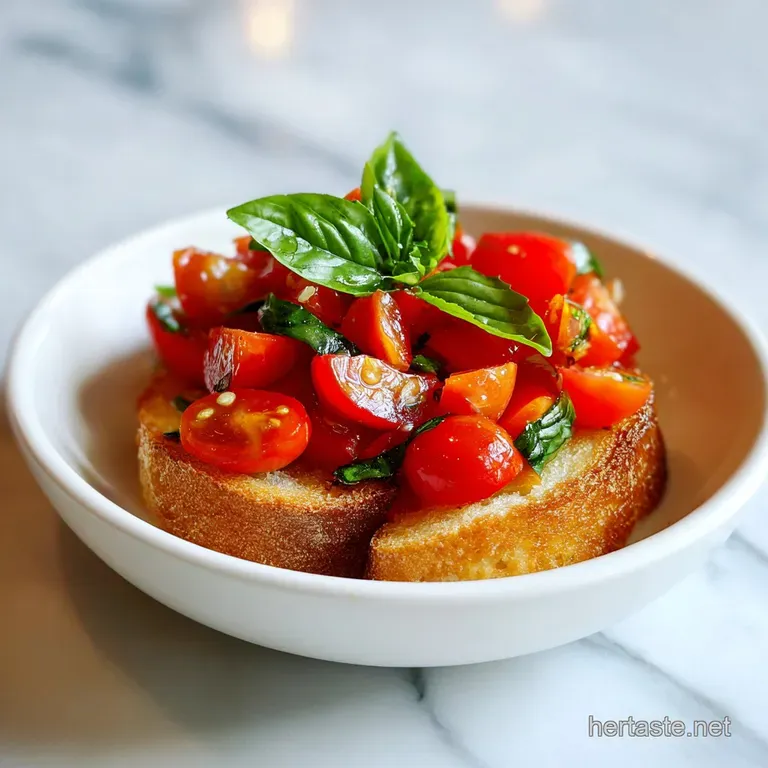
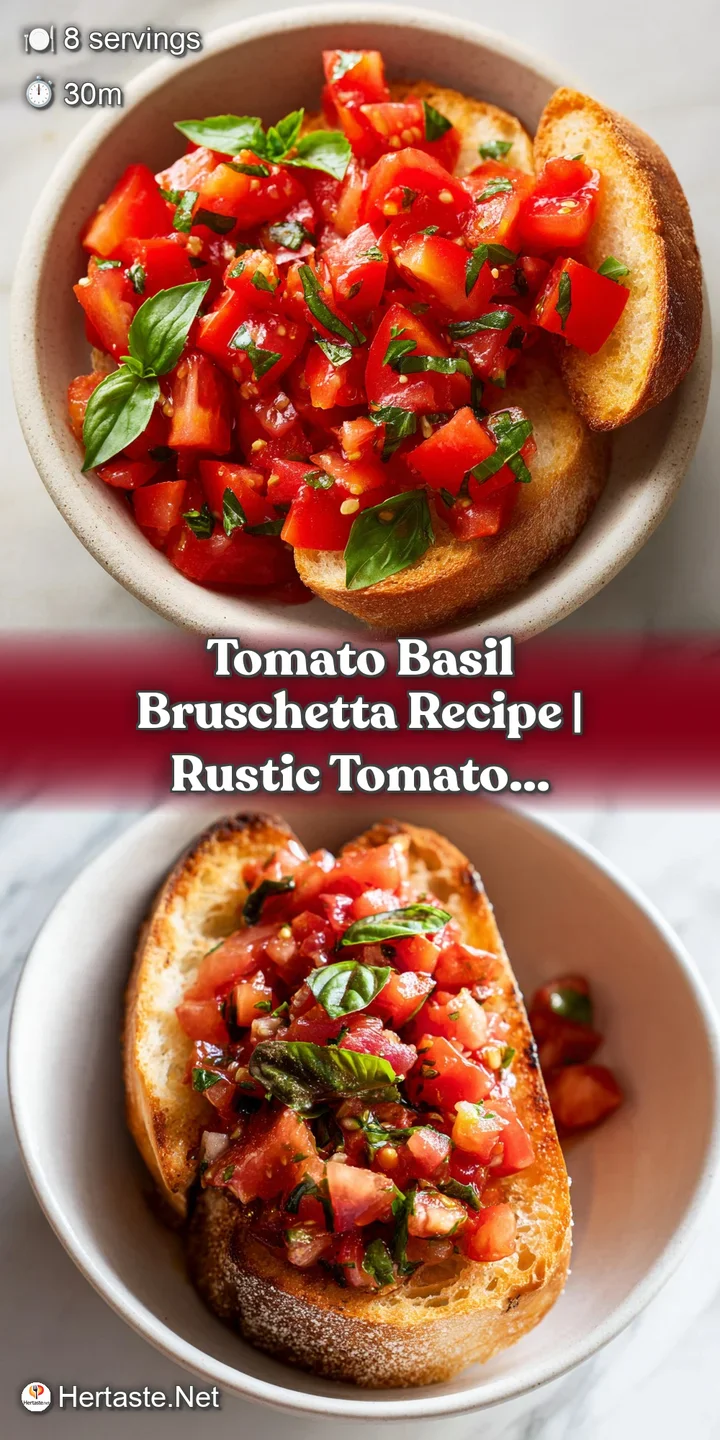
- Time: Active 20 minutes, Passive 10 minutes, Total 30 minutes
- Flavor/Texture Hook: A shatter crisp crust meets velvety olive oil and tangy, sun ripened tomatoes.
- Perfect for: Summer garden parties, quick weeknight appetizers, or beginner friendly entertaining.
- Mastering a Simple Tomato Basil Bruschetta Recipe
- Key Techniques for Appetizer Success
- Essential Specs for Toasted Appetizers
- Selecting Elements for Vibrant Flavor
- Basic Tools for Home Kitchens
- Step-by-Step Guide to Golden Crunch
- Avoiding Mistakes for Better Results
- Creative Twists to Customize Toast
- Keeping Bruschetta Fresh and Crisp
- Pairing Ideas for Best Experience
- Recipe FAQs
- 📝 Recipe Card
Mastering a Simple Tomato Basil Bruschetta Recipe
I still remember the first time I tried to make a tomato basil bruschetta recipe for a small housewarming party. I thought I was being clever by preping everything hours in advance. By the time my friends arrived, the beautiful, toasted baguette rounds had turned into something resembling wet cardboard.
The tomatoes had leaked everywhere, and the garlic was so raw it was physically painful to eat. It was a disaster, but it taught me everything I needed to know about the science of moisture control.
The secret isn't just in the ingredients, it's in how you treat them. You want that satisfying shatter when you bite into the bread, followed by the cool, silky texture of the tomatoes. To get there, we have to deal with the water inside the fruit.
Once I figured out that salting the tomatoes and draining them is non negotiable, my kitchen game changed forever. Now, this is the only way I make it, and honestly, you'll never go back to those soggy restaurant versions again.
This dish is about the harmony of three things: heat, salt, and timing. We're going to use high heat to create a structural barrier on the bread, salt to pull out the excess juices from the Roma tomatoes, and specific timing to ensure the basil stays bright green instead of turning black.
It’s simple, but it requires a bit of focus on the details. Trust me, once you hear that first crunch, you'll know every second of prep was worth it.
Key Techniques for Appetizer Success
- Osmotic Extraction: Salting the diced tomatoes draws out excess cellular water, preventing the bread from soaking up juice and becoming mushy.
- Starch Gelatinization: Toasting the baguette rounds at high heat creates a dehydrated, hardened surface that acts as a moisture resistant shield.
- Aromatic Abrasion: Rubbing raw garlic directly onto the hot, rough surface of the toasted bread deposits oils more evenly than mincing can.
- Capillary Action: Using high-quality extra virgin olive oil coats the tomato pieces, creating a fat barrier that further slows down juice migration.
Why Salting Changes Everything
When you toss 1 tsp kosher salt with your diced tomatoes, you're starting a process called osmosis. The salt pulls the water out of the tomato walls and into the bowl. If you skip this, that water ends up in your bread.
By letting them sit for 10 minutes and then draining, you're left with concentrated tomato flavor and a much better texture.
Rubbing Garlic for More Flavor
Mincing garlic and tossing it with the tomatoes often leads to "garlic breath" bites where one person gets a huge chunk and another gets none. Instead, we rub a halved clove against the toasted bread. The bread acts like sandpaper, grating just a microscopic layer of garlic across the entire surface.
It's subtle, sophisticated, and frankly, much more pleasant for your guests.
High Heat Toasting Explained
We want the oven at 400°F (200°C). This high temperature quickly dries out the surface of the bread rounds without turning the entire slice into a hard rock. You get a crispy exterior and a slightly chewy center.
This is much more effective than a low and slow toast, which can make the bread feel stale rather than fresh.
| Feature | Fresh Roma Tomatoes | Canned Diced Tomatoes |
|---|---|---|
| Texture | Firm, meaty, and crisp | Soft, mushy, and watery |
| Flavor Profile | Bright and acidic | Sweet but metallic |
| Best For | Traditional bruschetta | Quick pasta sauces |
Essential Specs for Toasted Appetizers
Before we get the knives out, let's look at the numbers that make this tomato basil bruschetta recipe work every single time. Precision matters here because we are working with very few ingredients.
| Thickness | Internal Temp | Rest Time | Visual Cue |
|---|---|---|---|
| 1/2 inch | N/A | 3 mins | Golden brown edges |
| 1/4 inch | N/A | 2 mins | Shatter crisp surface |
| 1 inch | N/A | 5 mins | Too thick for bite |
I've found that the 1/2 inch slice is the "Goldilocks" zone. It's thick enough to hold the weight of the tomatoes but thin enough that it doesn't hurt the roof of your mouth when you take a bite.
If you're using a denser sourdough, you might want to go slightly thinner, but for a standard Italian baguette, 1/2 inch is the sweet spot.
When it comes to the tomatoes, we're using 1.5 lbs of Romas. This specific variety is prized for bruschetta because they have a lower water content and more flesh than a beefsteak or heirloom tomato. If you've ever wondered why some recipes use my KnockYourSocksOff Homemade Pesto Sauce recipe as a base, it's because the oils in the pesto help create that same moisture barrier we're building with the olive oil and toasting.
Selecting Elements for Vibrant Flavor
Choosing the right ingredients is 90% of the battle here. Since we aren't cooking the topping, there is nowhere for low quality ingredients to hide.
- 1.5 lbs Roma tomatoes: These are the backbone. Pick ones that feel heavy for their size and have a deep red color. Why this? They have thick walls and fewer seeds, making them less watery.
- 0.5 cup fresh basil leaves: Use the brightest green leaves you can find. Avoid any with black spots. Why this? Freshness provides the essential aromatic lift that dried basil lacks.
- 5 tbsp extra virgin olive oil: Use the good stuff here, something cold pressed with a peppery finish. Why this? It acts as both a flavor enhancer and a moisture barrier.
- 1 long Italian baguette: Look for a loaf that isn't too airy. You want a tight crumb to hold the toppings. Why this? It provides the structural integrity needed for the heavy tomato topping.
- 2 large cloves garlic: Make sure they are fresh and firm, not sprouting. Why this? Fresh garlic has better oils for rubbing onto the hot bread.
Component Analysis
| Ingredient | Science Role | Pro Secret |
|---|---|---|
| Kosher Salt | Moisture Extractor | Apply 10 mins before draining to avoid "wet" bread later. |
| Balsamic Vinegar | Acid Catalyst | Adds tang that brightens the heavy fat of the olive oil. |
| Extra Virgin Olive Oil | Lipophilic Carrier | Coats the tongue to help the basil aromatics linger longer. |
Basic Tools for Home Kitchens
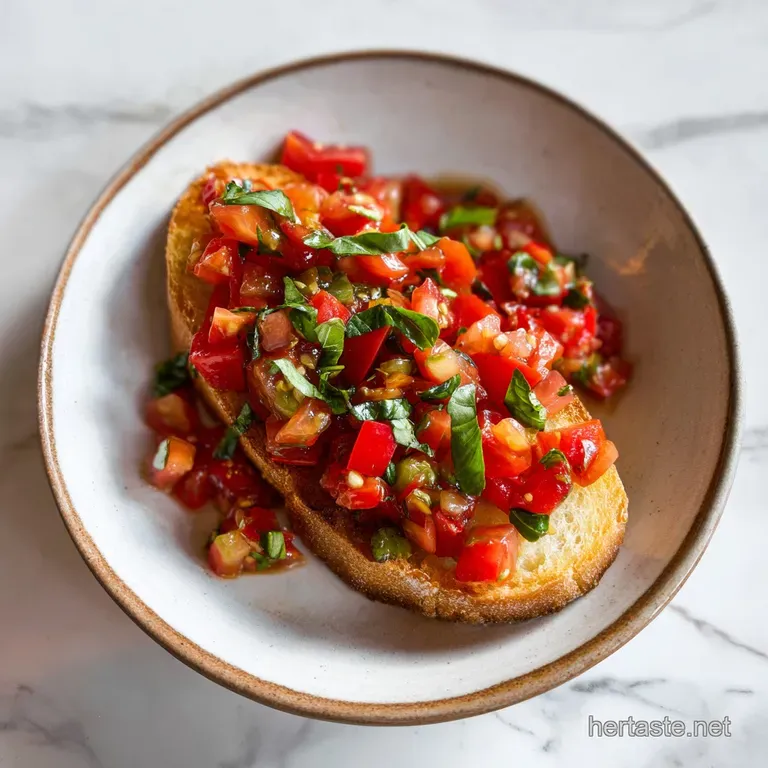
You don't need a lot of fancy gear for this, but a couple of specific tools make the job much easier. I always reach for my serrated bread knife first. If you try to slice a fresh baguette with a standard chef's knife, you'll likely crush the bread instead of cutting it.
A serrated knife saws through the crust without deforming the soft interior.
A large, fine mesh strainer is also essential. You'll need this to drain the tomatoes after they've sat with the salt. I once tried to just "pour off" the liquid, and I missed about half of it. The result? You guessed it soggy bread.
Use the strainer and give it a few good shakes to get every drop of excess juice out.
Finally, a large sheet pan is necessary for the toasting phase. Don't crowd the slices; they need airflow to get that perfect golden brown finish. If they are touching, the sides will stay soft while the tops get hard.
step-by-step Guide to Golden Crunch
- Prep the tomatoes. Slice the Roma tomatoes in half and use your thumb or a small spoon to scoop out the seeds and watery pulp. Note: This is the single most important step for a non soggy result.
- Dice and salt. Cut the tomato flesh into 1/4 inch pieces and place them in a bowl with 1 tsp kosher salt. Let sit for 10 minutes.
- Drain the liquid. Transfer the tomatoes to a fine mesh strainer over the sink. Let them sit until the dripping stops.
- Season the mix. Move the drained tomatoes back to a clean bowl and stir in 2 tbsp olive oil, 1 tsp balsamic vinegar, 0.5 tsp pepper, and the basil.
- Slice the bread. Cut your baguette into 1/2 inch rounds. Aim for 24 to 30 slices total depending on the loaf size.
- Oil and toast. Brush both sides of the bread with the remaining 3 tbsp olive oil and bake at 400°F (200°C) for 10 mins until the edges are golden and crackling.
- Apply the garlic. Immediately after removing from the oven, rub the halved garlic cloves over the top surface of each hot slice.
- Assemble with care. Spoon a generous portion of the tomato mixture onto each slice. Do this just seconds before serving.
- Add the glaze. Drizzle 2 tbsp balsamic glaze over the finished bruschetta in a zigzag pattern for a professional look.
- Serve immediately. Hand them out while the bread is still warm and the tomatoes are cool.
Chef's Tip: Freeze your baguette for exactly 10 minutes before slicing. This firms up the interior just enough that your serrated knife will glide through like butter, giving you perfectly uniform 1/2 inch rounds every time.
Avoiding Mistakes for Better Results
Why Bread Becomes Soggy
The biggest culprit is "seepage." Tomatoes are roughly 94% water. Even after de seeding, the salt continues to break down the cell walls. If you assemble the bruschetta and let it sit on a platter for 20 minutes, the bread acts as a sponge.
To prevent this, always serve immediately or keep the components separate until the last possible second.
Prepping the Tomatoes Early
You can certainly prep the tomato mixture up to 2 hours in advance, but don't add the basil until the very end. Basil is sensitive to acid and salt; it will start to wilt and turn a muddy brown color if it sits in the mixture for too long.
Keep the tomato base in the fridge, then toss in the fresh chiffonade basil right before you start toasting the bread.
Infusing Garlic without Overpowering
If you find the raw garlic rub too intense, you can mellow it out by roasting the garlic cloves in a little olive oil first. However, for a true Italian tomato basil bruschetta recipe, that sharp bite is part of the charm.
If you're worried about it, just do one light pass of the garlic per slice instead of a heavy scrub.
| Problem | Root Cause | Solution |
|---|---|---|
| Bread is too hard | Toasted too long or at too low temp | Increase heat to 400°F and reduce time to 8-10 mins. |
| Tomatoes are bland | Out of season or under salted | Add a pinch of sugar and another 0.5 tsp salt to the mix. |
| Garlic flavor is uneven | Mincing instead of rubbing | Use the "sandpaper method" by rubbing whole cloves on hot bread. |
Common Mistakes Checklist
- ✓ Forget to de seed the tomatoes (this adds too much moisture)
- ✓ Slice the bread too thin (it won't hold the weight of the topping)
- ✓ Add the basil more than 30 mins before serving (it will oxidize and turn black)
- ✓ Skip the olive oil brush on the bread (it won't get that golden brown glow)
- ✓ Crowd the baking sheet (this steams the bread instead of toasting it)
Creative Twists to Customize Toast
Tomato Basil Mozzarella Variation
If you want something a bit heartier, a tomato basil mozzarella bruschetta recipe is the way to go. Simply add 0.5 cup of tiny mozzarella pearls or finely diced fresh mozzarella to your tomato mixture. The creamy fat of the cheese balances the acidity of the balsamic vinegar beautifully.
If you're feeling fancy, you can even put the cheese on the bread and give it a quick 30 second broil before adding the tomatoes.
Adding a Smoky Twist
For a deeper flavor profile, try grilling the bread instead of baking it. The char from the grill adds a smoky element that pairs incredibly well with the fresh basil. You can also add a pinch of smoked paprika to the tomato mixture. If you love that rich, simmered flavor, you might enjoy the base flavors in my Sunshine in a recipe, which uses similar ingredients but in a warm, cooked application.
Scaling the Recipe
- Scaling DOWN (1/2): Use 0.75 lbs tomatoes and a small baguette. You can still use 1 large garlic clove. Reduce toasting time by about 2 mins as a smaller tray heats faster.
- Scaling UP (2x): Work in batches. Don't try to fit 60 slices of bread on one tray. For the spices, use 1.5x the salt and pepper first, then taste; spices often don't need a literal 2x increase.
- For Large Parties: Set up a "Build Your Own" station. Keep the toasted bread in a basket and the tomato mixture in a chilled bowl with a slotted spoon. This ensures every guest gets a crispy bite.
Keeping Bruschetta Fresh and Crisp
Storing Your Leftover Bruschetta
Honestly, I don't recommend storing fully assembled bruschetta. It just doesn't hold up. However, you can store the components. The tomato mixture will stay good in an airtight container in the fridge for up to 2 days.
The toasted bread rounds (without the topping) can stay in a zip top bag at room temperature for about 24 hours.
Refreshing Day Old Crostini Base
If your bread rounds have lost their crunch, don't throw them out! Pop them back into a 350°F (180°C) oven for about 3 to 5 minutes. This will drive out any moisture they've absorbed from the air and bring back that signature shatter.
You can also crush up stale rounds to make the best croutons you've ever had for a Caesar salad.
Zero Waste Tips
Don't toss the tomato seeds and guts you scooped out! Strain them to get "tomato water," which is a secret weapon for cocktails or adding to a risotto. The ends of the baguette that are too small for bruschetta can be tossed in a food processor to make fresh breadcrumbs. Nothing goes to waste in a smart kitchen.
Pairing Ideas for Best Experience
Bruschetta is incredibly versatile. It works as a standalone snack, but it really shines when paired with other Mediterranean flavors. I love serving this alongside a big platter of prosciutto and melon or a sharp Pecorino Romano cheese.
The saltiness of the meat and cheese cuts through the sweetness of the tomatoes perfectly.
If you're looking for a full meal, this tomato basil bruschetta recipe is the perfect precursor to a Vegetable Lasagna Recipe. The light, fresh appetizer prepares the palate for the rich, cheesy layers of the lasagna. Alternatively, if you want to keep the "toast" theme going, a spread of different crostini with olive tapenade and goat cheese makes for a wonderful light dinner.
Finally, don't forget the wine. A crisp, chilled Pinot Grigio or a light Sauvignon Blanc has the acidity to match the tomatoes without overpowering the delicate basil. If you prefer red, a light bodied Chianti is a classic choice that feels very authentic to the Italian roots of this dish.
Whatever you choose, just make sure to serve it while the bread is still singing with that fresh from the oven crunch.
Recipe FAQs
How to make tomato and basil bruschetta?
Dice Roma tomatoes, remove seeds/pulp, and toss with salt; let sit 10 minutes to draw out moisture. Drain thoroughly, then toss the drained tomatoes with olive oil, vinegar, and fresh basil.
Toast 1/2 inch baguette slices until golden, then immediately rub the hot surface with a raw garlic clove before topping.
What is the secret to good bruschetta?
The secret is moisture control through salt maceration. Salting the diced tomatoes and draining the excess liquid prevents the toasted bread from becoming soggy, ensuring you maintain that crucial textural contrast between crisp bread and juicy topping.
How far in advance can I make bruschetta?
No, assemble immediately before serving for best texture. You can prepare the tomato mixture up to 2 hours ahead, but keep it refrigerated and add the basil only just before topping the bread. The toasted bread itself will start to go stale after about 24 hours if left uncovered.
How to make a tomato bruschetta?
Cut Roma tomatoes into 1/4 inch pieces and lightly salt them to draw out excess water. After resting for 10 minutes, strain the mixture well. Mix the solids with olive oil, garlic, and basil, then spoon this vibrant topping onto oven toasted baguette rounds right before serving.
Is it true that I should never add the basil until the last minute?
Yes, this is critical for visual appeal and flavor. Fresh basil turns dark and wilts quickly when exposed to the acid and salt in the tomato mixture for too long. To keep it bright green, chiffonade it and fold it in just after you have finished draining the tomatoes and before you top the toast.
What is the best way to toast the baguette slices?
Brush 1/2 inch thick slices lightly with olive oil and bake at 400°F (200°C) for 8 to 10 minutes. You are aiming for a golden brown edge that produces a noticeable crunch when bitten. Mastering this heat application is similar to achieving the crust structure in our Mastering a Simple Tomato Toast technique.
Can I use beefsteak tomatoes instead of Romas?
No, stick with low-moisture tomatoes like Romas or Campari. Beefsteak and heirloom varieties contain significantly more water and seeds, making it nearly impossible to drain enough liquid to prevent the bruschetta from turning soggy, regardless of your toasting technique.
Tomato Basil Bruschetta Recipe
Ingredients:
Instructions:
Nutrition Facts:
| Calories | 217 kcal |
|---|---|
| Protein | 4.6 g |
| Fat | 10.4 g |
| Carbs | 27.3 g |
| Fiber | 1.5 g |
| Sugar | 3.5 g |
| Sodium | 488 mg |
