The Utterly Foolproof Sticky Toffee Pudding a Proper British Classic
- Crafting Culinary Blueprints: Why Structure Matters for Your Recipe Cards
- The Unveiling of Perfection: Mastering Sticky Toffee Pudding
- The Essential Toolkit: What You Need to Make This Wonder
- Ingredient Deep Dive: Ensuring Superior Flavor Components
- The Step-by-Step Execution: From Prep to Plating Mastery
- Building Blocks: Detailed Directions for Your Recipe Cards
- Maximizing Enjoyment: Post-Bake Considerations and Recipe Card Storage Tips
- Variations on a Theme: Tweaking This Quintessential British Dish
- Recipe FAQs
- 📝 Recipe Card
Crafting Culinary Blueprints: Why Structure Matters for Your Recipe Cards
In the world of home cooking, a recipe is more than just a list of ingredients; it’s a meticulously designed blueprint for success. If you’ve ever found yourself staring blankly at a recipe scrawled on a napkin or printed from a disorganized website, you know the frustration that ambiguity causes.
This is where the power of well structured Recipe Cards truly shines. A beautifully formatted card isn't just aesthetically pleasing; it acts as a navigable roadmap, ensuring that every step from gathering components to the final presentation is executed flawlessly.
We believe that creating high-quality, shareable recipes deserves a dedicated space, which is why we’re building the ultimate template around a foundational classic: Sticky Toffee Pudding.
When you organize your culinary thoughts clearly, you eliminate guesswork, turning potentially complex techniques into satisfying achievements.
The Unveiling of Perfection: Mastering Sticky Toffee Pudding
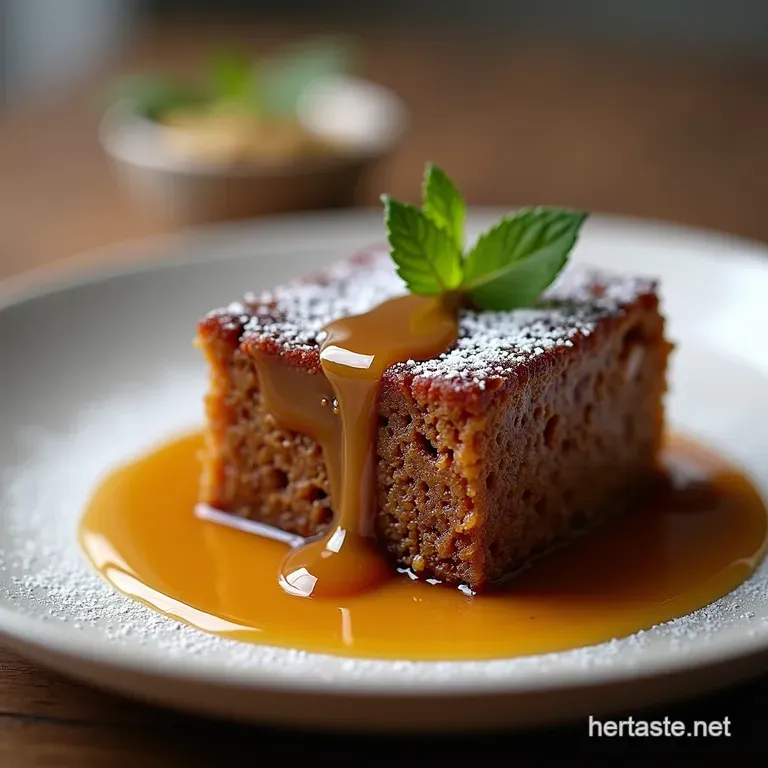
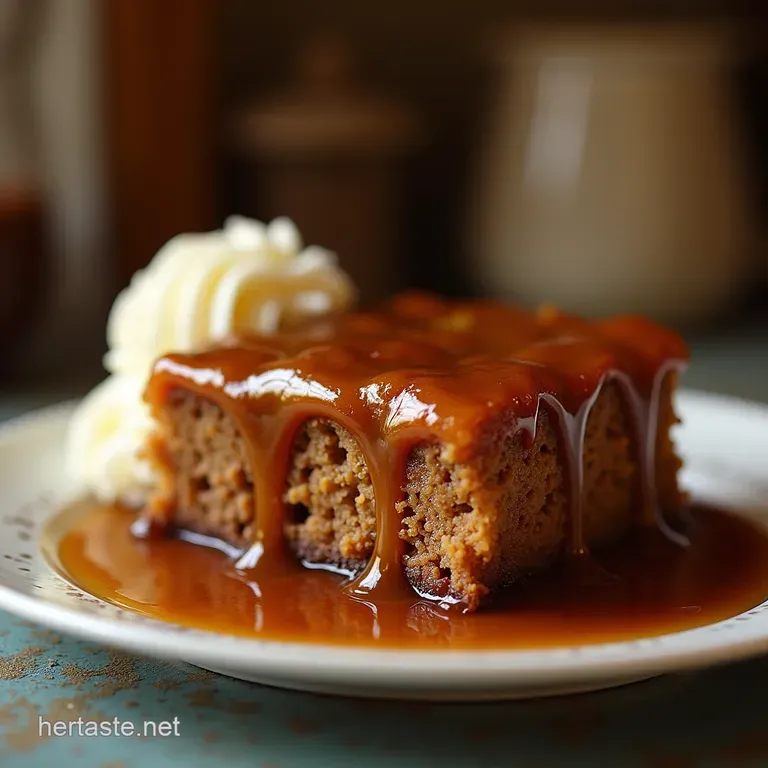
To demonstrate the utility of a superb organizational structure, we turn to a dessert that demands precision: Proper British Sticky Toffee Pudding. This isn't just any cake; it's a deeply moist, date studded sponge drenched in a buttery, flowing toffee sauce.
It embodies comfort and elegance, but it requires clear instruction because its texture that perfect balance between spongy and saturated is non-negotiable. Designing the structure around this classic allows us to showcase how vital clarity is when dealing with elements like soaking agents and sauce emulsification.
Defining Clarity: A Foundational Approach to Recipe Presentation
When drafting any guide destined for a printed medium, be it a physical index card or a digital Recipe Card Printable , prioritizing immediate understanding is key. We begin by clearly stating the identity of the dish, followed by a brief, evocative description.
For our pudding, this immediately sets expectations: deep moisture and sublime sauce. Next, objectively rating the Difficulty Level (Medium, in this case) primes the baker for the required commitment.
Finally, transparency regarding Time Estimates ensures the baker can realistically schedule their creation process, avoiding mid-cook panic. A well defined framework prevents the user from getting lost before they even reach the stove.
Why This Comfort Classic Deserves a Pristine Recipe Card Layout
Sticky Toffee Pudding involves two distinct major components the sponge and the sauce which require separate processes and timing. Therefore, any effective Recipe Cards Template must visually separate these elements.
A confusing, linear list of all ingredients together would obscure the fact that the date soaking step is time sensitive and chemically critical (due to the bicarbonate of soda). By isolating the ingredients and subsequent instructions into labelled phases like our "Sponge Base" and "Toffee Glaze" sections the Recipe Cards 4x6 format suddenly becomes perfectly manageable, guiding the user chronologically through the necessary actions without cognitive overload.
Setting the Stage: What to Expect When You Make This Dish
To truly set a home cook up for success, the Recipe Cards should offer a preview of the journey. For this recipe, we note that the batter will be quite thin due to the date soak; this might alarm a novice baker who expects a traditional thick cake batter.
Providing this context upfront alongside the 6-serving yield calms nerves and manages expectations before the mixing even begins. This foreshadowing is a hallmark of expert instruction, transforming potential confusion into confident anticipation.
The Essential Toolkit: What You Need to Make This Wonder
Before diving into measurements, a quick inventory check is crucial. This section, often overlooked in hastily written notes, is essential for any high-quality Recipe Cards Printable Free download or physical copy.
For our pudding, beyond standard bowls and measuring cups, we specifically call out the need for an 8 inch square dish or 6 individual ramekins, immediately dictating the final form factor of the dessert.
Knowing you need a saucepan for the sauce before you start creaming the butter prevents unnecessary mess and disruption later in the process.
Ingredient Deep Dive: Ensuring Superior Flavor Components
The secret to great baking often lies not just in the technique, but in the quality and quantity of the raw materials. When designing your personal collection of Recipe Cards and Box , it’s vital to present measurements clearly in both customary and metric units, catering to a global audience.
Stocking Up: Exact Measurements for the Cake Batter
Our sponge relies on the interaction between pitted Medjool dates and bicarbonate of soda. We specify 225g (8 oz) of dates, noting they should be roughly chopped. Crucially, the recipe calls for 1 teaspoon of bicarbonate of soda, which reacts with the acidic dates and liquid to provide lift and that signature dark, earthy colour.
The use of dark brown sugar, packed at 100g (1/2 cup), is intentional; it provides superior moisture retention compared to granulated sugar.
The Secret to the Sauce: Components for Ultimate Stickiness
The toffee sauce demands richness. We rely on 115g (4 oz) of unsalted butter, 100g (1/2 cup) of dark brown sugar, and 120ml (1/2 cup) of double (heavy) cream. The addition of a single teaspoon of good vanilla extract and a pinch of flaky sea salt are non-negotiable final touches; the salt is necessary to balance the intense sweetness inherent in a true toffee preparation.
Must Have Hardware: Essential Equipment for Successful Baking
Beyond the standard mixing bowls and spatulas, this recipe specifically highlights the need for a stand or hand mixer when creaming the butter and sugar this step requires significant aeration for a light crumb.
Plus,, having a wire cooling rack on hand is noted, even though the pudding is served warm, as it allows for even heat dissipation if you are making a traybake version before slicing.
Related Recipes Worth Trying
- Authentic Lomo Saltado Recipe Smoky Peruvian Beef Stir Fry — Master the ultimate Peruvian Beef Stir Fry at home This Lomo Saltado recipe locks in smoky flavour using high heat Get the essential sauce recipe here
- Authentic Lomo Saltado Recipe Quick Peruvian Beef StirFry — Master this iconic Peruvian Beef StirFry in under 40 minutes Get the secret to that smoky wok flavour and glossy Lomo Saltado sauce recipe perfect for...
- Authentic Lomo Saltado Recipe The Best Peruvian Beef Stir Fry — Master the ultimate Peruvian Lomo Saltado dinner at home This recipe delivers smoky beef crisp veg and the perfect sauce combination in under 40 minutes Get...
The step-by-step Execution: From Prep to Plating Mastery
This is where the structured format truly justifies its existence. By breaking the execution into logical phases that mirror the ingredient groupings, the Recipe Cards Template prevents the cook from attempting to make the sauce while the batter is still being mixed, which is a recipe for disaster in timing sensitive desserts.
Building Blocks: Detailed Directions for Your Recipe Cards
The instructions must be actionable, concise, and sequential. For instance, we explicitly state that the boiling water and bicarbonate of soda are added while the dates are steeping, creating efficiency in the 25-minute prep time.
The instruction to fold the flour gently until just combined is paramount; overmixing develops gluten, resulting in a tough pudding texture, something our Cute Recipe Card Design must actively prevent.
Prepping the Pudding Base: Mixing Techniques That Elevate Texture
The technique centers on the date mixture. After steeping, the entire liquid/date mixture not just the softened fruit is folded into the creamed base. This thin consistency is a critical identifier of success.
If a baker’s batter is too thick at this stage, they know immediately they missed adding the full volume of the soaking liquid.
Baking Protocols: Achieving That Perfect Spongy Rise
We specify an oven temperature of 350° F ( 175° C) and a bake time of 35– 40 minutes, advising the use of the skewer test for doneness.
This verification step is crucial before moving to the next stage, ensuring the sponge structure is stable enough to absorb the heavy sauce without collapsing into a dense mass.
The Grand Finale: Pouring the Decadent Toffee Glaze
Timing here is everything. The sauce must be made while the pudding bakes. After removing the pudding from the oven, the instruction is clear: poke holes immediately while the pudding is hot. This action opens channels for the sauce.
Pouring two-thirds of the warm sauce over the hot pudding ensures deep saturation, while reserving the remainder for individual drizzling maximizes the visual appeal upon serving.
Maximizing Enjoyment: Post Bake Considerations and Recipe Card Storage Tips
Once the Sticky Toffee Pudding is out of the oven and sauced, the user needs guidance on preservation and presentation. For those looking to save this incredible dish, understanding preservation methods is key to maintaining that coveted moisture.
Optimal Storage: Keeping Leftovers Moist and Flavorful
Leftovers should ideally be stored covered tightly at room temperature for up to two days if they are already heavily saturated with sauce. However, for longer storage, covering them and placing them in the refrigerator is best.
Before reheating (a short burst in the microwave works wonders), it's highly recommended to reheat a small amount of the reserved toffee sauce separately to pour over the warmed pudding this reintroduces the fresh, glossy glaze texture that often diminishes slightly upon refrigeration.
Creating a digital archive, perhaps in a comprehensive Recipe Pdf format, ensures these tips are saved alongside the core instructions.
Serving Suggestions That Complement the Richness
While clotted cream is traditional, we can enhance the experience. Offering a side of slightly tart options, such as a simple, unsweetened whipped cream or a scoop of high-quality vanilla bean ice cream, provides a necessary cooling foil to the pudding’s deep, buttery richness.
Troubleshooting Common Pudding Pitfalls (And How to Avoid Them)
A good Recipe Cards Template anticipates failure points. If the sauce becomes grainy, the cook added the cream too quickly, or stirred it too much after the boil began. If the pudding is dry, the date soak was likely too brief, or the bake time was exceeded.
Recognizing these indicators, which we integrate into the final notes section, elevates the document from a mere instruction sheet to a true culinary mentor.
Variations on a Theme: Tweaking This Quintessential British Dish
Every great foundational recipe invites personalization. We can suggest simple adaptations that still respect the core structure of the dish, which can then be neatly added to a separate section of your personalized Recipe Cards 4x6 collection, or noted in the margins of the master template.
Optimal Storage: Keeping Leftovers Moist and Flavorful
For those seeking a slightly different flavour profile, adding a small amount of finely chopped crystallized ginger to the batter along with the dates introduces a lovely spicy warmth that plays beautifully against the dark caramel notes of the toffee.
Alternatively, substituting half the dark brown sugar in the sauce with maple syrup introduces a slightly different layer of complex sweetness.
Serving Suggestions That Complement the Richness
To offer a lighter contrast, consider grating a small amount of fresh orange zest directly over the hot, sauced pudding just before serving. The citrus brightness cuts through the density of the dates and butter beautifully.
Troubleshooting Common Pudding Pitfalls (And How to Avoid Them)
If you are striving for a more cake like texture rather than the traditional dense, moist style, the solution lies in the flour. Using self raising flour is critical, but ensure it is fresh, as expired leavening agents are the number one cause of flat cakes.
If you notice your batter separates slightly when you add the eggs, your butter was likely too cold a perfect reason why having a designated 'Prep Check' area on your Free Recipe Cards detailing ingredient temperatures is so valuable.
Recipe FAQs
Do I really need to use self raising flour, or can I substitute it in these Recipe Cards?
For this Sticky Toffee Pudding, self raising flour is highly recommended as it gives the sponge the perfect light lift needed to absorb the heavy sauce without collapsing. However, if you're stuck without it, you can substitute it using plain (all-purpose) flour with 1 1/2 teaspoons of baking powder added in.
Just make sure everything is well sifted!
My toffee sauce often goes grainy; what’s the secret to keeping it silky smooth when making these Recipe Cards?
Ah, the dreaded grainy sauce it's a common pitfall! The trick is temperature control and stirring technique. Once you add the cream after melting the sugar and butter, whisk slowly and gently; aggressive stirring can cause the sugar crystals to revert and form graininess.
Keep the heat medium low once the cream goes in.
Can I make these individual Sticky Toffee Puddings ahead of time, or do they need to be served piping hot?
You absolutely can prepare them ahead of time, which is a lifesaver when hosting! Bake the puddings completely and store them covered in the fridge for up to two days. When ready to serve, simply reheat them in a moderate oven (around 325°F or 160°C) for about 10 15 minutes, and reheat your sauce separately to pour over just before serving.
The batter looks very thin after adding the date mixture is that right for these Recipe Cards?
Yes, that’s exactly right! Don't panic; the batter for a proper Sticky Toffee Pudding should look quite loose and pourable, almost like a thick cake mix rather than a stiff cookie dough.
That high liquid content from the soaked dates and water is what ensures the final sponge is incredibly moist and dark it’s the secret to success here.
Are there any good lighter variations if the butter and cream feel a bit too much for a weeknight treat?
While this is meant to be decadent, you can lighten the load slightly in the sauce by swapping the double cream for evaporated milk mixed with a teaspoon of cornflour it will create a slightly less rich but still luxurious coating.
For the sponge, you can use slightly less butter, but be warned, it will affect the texture, so treat it as an experiment!
Sticky Toffee Pudding Card
Instructions:
Nutrition Facts:
| Calories | 580 kcal |
|---|---|
| Fat | 30g |
| Fiber | 3g |
