The Twohour Tea Time Soft Dinner Rolls Ready Faster Than the Weather Changes
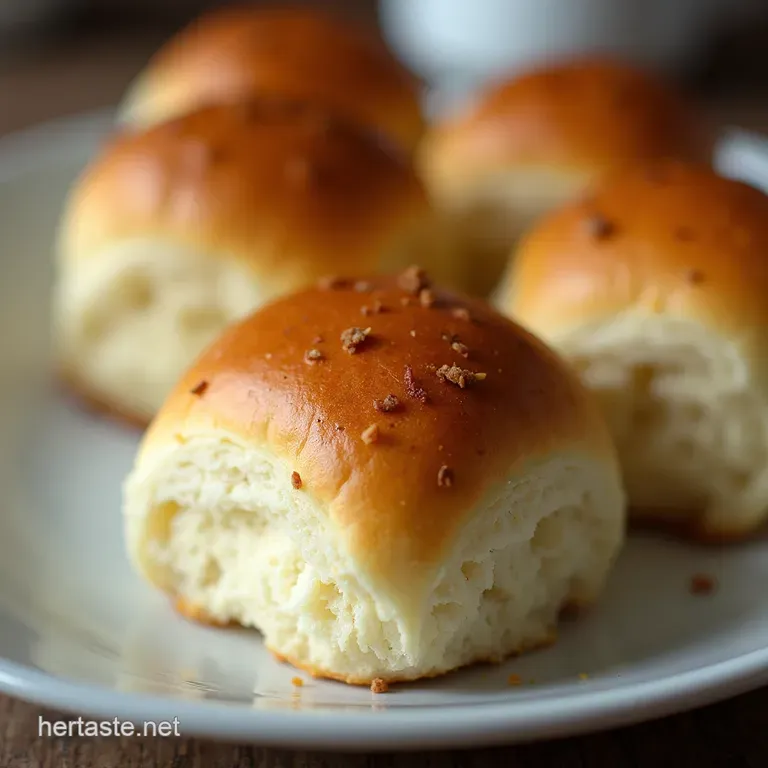
- Banish Dry Buns: Why This Soft Roll Recipe Reigns Supreme
- The Secret to Restaurant-Quality Fluffiness at Home
- Assembling Your Arsenal: What You'll Need for Ultimate Dinner Rolls
- The Five-Step Journey to Phenomenal Homemade Rolls
- Mastering the Mix and Kneading for Superior Texture
- Troubleshooting Common Setbacks in Your Roll Making Journey
- Elevating Your Batch: Flavor Variations and Serving Suggestions
- Recipe FAQs
- 📝 Recipe Card
Banish Dry Buns: Why This Soft Roll Recipe Reigns Supreme
There is perhaps no sadder sight on a holiday table or a weeknight dinner than a basket of desiccated, pale, and utterly disappointing bread rolls. We’ve all been there reaching for something soft, pillowy, and warm, only to encounter a texture that fights back.
Forget those dismal, store-bought options; today, we are diving deep into crafting the definitive Dinner Rolls Recipe Homemade . This isn't just another bread guide; this is the blueprint for achieving that ethereal, melt-in-your mouth texture that restaurants guard so closely.
These Homemade Dinner Rolls are designed to be the star accompaniment, the perfect vehicle for gravy, or simply a delicious treat slathered with salted butter.
If you’ve ever felt intimidated by yeast, prepare to have that notion completely shattered, because this recipe is engineered for reliable brilliance.
The Secret to Restaurant Quality Fluffiness at Home
The journey to truly spectacular Easy Homemade Rolls hinges on understanding a few critical variables namely, temperature control and the magic of fat content. Unlike rustic loaves where chewiness is prized, Dinner Rolls From Scratch demand tenderness.
That tenderness comes from enriching the dough. We use milk instead of water, and crucially, a generous portion of butter. This richness keeps the crumb soft long after cooling, ensuring that even leftovers maintain their integrity.
The goal is a roll that yields instantly to the slightest pressure, promising a rewarding softness with every bite.
Our Guarantee: Pillowy Centers and Golden Crusts Every Time
Achieving this perfect duality a tender interior protected by a beautifully burnished exterior is simpler than you think. The key lies in the final glaze. While the dough itself is designed for loft and softness (using active dry yeast and a touch of sweetness from honey), the finish makes all the difference.
A quick brush of butter immediately upon exiting the oven seals in that heavenly steam, preventing the crust from hardening too quickly. This method ensures your Fluffy Dinner Rolls stay exceptionally soft, providing a superior texture that defines excellent home baking.
Designing Dinner Rolls for the Weeknight Warrior
Many people view bread making as an all-day commitment, reserved only for weekends. However, this particular Dinner Rolls Recipe Easy has been streamlined so you can go from pantry staples to oven ready dough in under an hour.
While bread requires patience for its rise, the active work time is minimal just about 25 minutes of focused mixing and kneading. This means you can start the process after the main course is prepped, time the final rise for when the side dishes are nearly done, and pull golden, fragrant buns from the oven just as everyone sits down to eat.
What Makes These Rolls 'Sunday Best' (Even on a Tuesday)
What elevates these rolls from everyday bread to something truly special? It’s the subtle infusion of flavour. By incorporating honey, we introduce a gentle, complex sweetness that balances the salt and enriches the crust’s colour during baking.
On top of that,, incorporating a full, beaten egg into the dough doesn't just add structure; it boosts richness and contributes to that desirable golden hue. These elements combine to create Homemade Rolls worthy of the finest gathering, yet they are straightforward enough for a spontaneous Tuesday supper.
Assembling Your Arsenal: What You'll Need for Ultimate Dinner Rolls
Before we dive into the process of creating these superb Dinner Rolls , let's gather our supplies. For this recipe, which yields about 12 generous servings, having the right foundational ingredients is paramount.
We rely on standard pantry staples, but quality shines through, especially with the dairy components. Ensure your milk is comfortably warm think bathwater temperature, not scalding hot as this dictates whether your yeast awakens happily or stays dormant.
We’ll need the base structure: approximately 3 ½ cups of all-purpose flour, 1 ½ teaspoons of fine sea salt for seasoning, and the active dry yeast (about 2 ¼ teaspoons). For richness, we incorporate ¼ cup of melted, slightly cooled unsalted butter and one large, lightly beaten egg.
The binding agent that lends that classic, slightly sweet undertone is two tablespoons of granulated sugar, which also acts as essential food for the yeast. A final flourish post bake requires an extra 2 tablespoons of melted butter and a pinch of flaky sea salt for that professional finish.
Must Have Equipment for Perfect Shaping
While a stand mixer with a dough hook is certainly a wonderful shortcut for the kneading stage, this Dinner Rolls Recipe can be triumphantly completed entirely by hand.
You will need a large mixing bowl for the initial combination and rising, accurate measuring tools, and ideally, a dough scraper to help manage the sticky mixture during kneading. For baking, a standard 9x13 inch dish works perfectly if you prefer connected, pull apart rolls, or you can use a 12-cup muffin tin if you prefer individually portioned buns.
The Quality Difference: Choosing Your Butter and Sweetener
As mentioned, the richness of these Homemade Dinner Rolls is directly proportional to the quality of your fat. Use good quality unsalted butter; melting it and allowing it to cool slightly before adding it to the yeast mixture prevents shocking the yeast.
For sweetness, while white sugar works, substituting a tablespoon or two of honey for the granulated sugar adds depth and helps the crust brown beautifully, pushing these rolls into 'gourmet' territory without adding any complexity to the process.
Metric and Imperial Measurements for Baking Success
Baking is chemistry, and precision matters. Whether you prefer the tactile nature of cups and spoons or the unwavering accuracy of a kitchen scale, having both sets of measurements ensures success.
For instance, weighing the flour at 420 grams (spooned and leveled) guarantees you haven't packed in too much, which is a common culprit for tough bread. Always check your measurements against the provided lists to ensure your ratios are spot on for this fantastic Dinner Rolls Recipe .
Related Recipes Worth Trying
- The Best Overnight Sourdough Cinnamon Rolls Recipe — Wake up to the Best Sourdough Cinnamon Rolls unbelievably soft thanks to an overnight cold proof This sourdough discard recipe delivers amazing flavour Get...
- CloudSoft Mexican Conchas The Ultimate Sweet Bread Rolls Recipe — Bake truly authentic Mexican Conchas This trusted recipe guarantees pillowy soft sweet bread rolls with that perfect sugary crackly crust Learn the secrets now
- Baked Cod in Coconut Lemon Cream Sauce Easy 40Min Dinner — Need a brilliant Fish Dinner with Lemon Cream Sauce This Baked Cod in Coconut Milk recipe is ready in 40 minutesa surprisingly easy flavourful seafood...
The Five Step Journey to Phenomenal Homemade Rolls
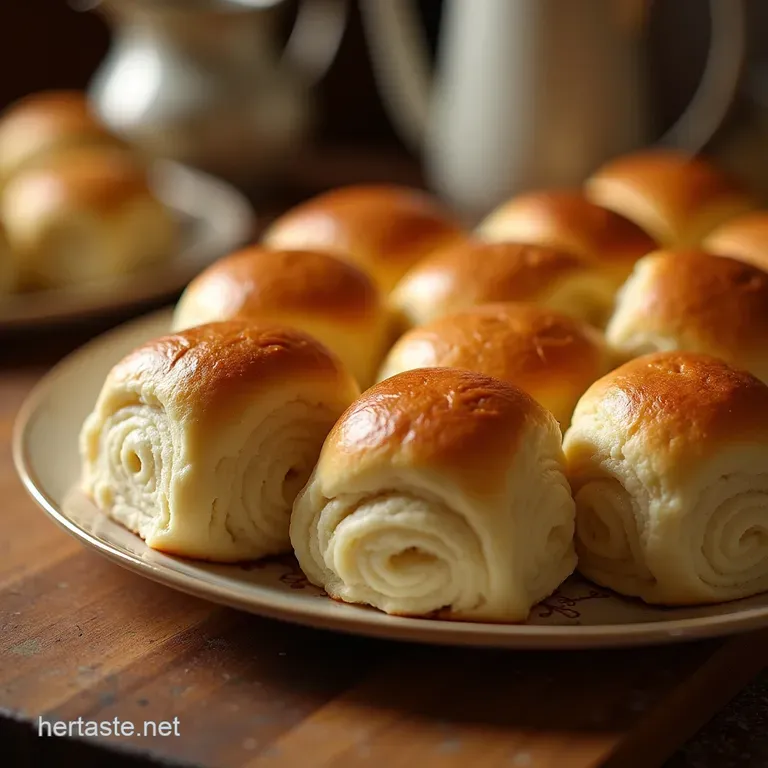
Making bread involves stages, but we can simplify this into five distinct, manageable phases: Activation, Mixing/Kneading, First Rise, Shaping/Second Rise, and Baking/Finishing. By focusing on one stage before moving to the next, you avoid feeling overwhelmed.
This systematic approach turns the potentially daunting task of creating bread From Scratch into an enjoyable, predictable sequence leading to the most satisfying result: soft, golden rolls ready for your table.
Mastering the Mix and Kneading for Superior Texture
The foundation of light texture is developed during the mixing and kneading phase. We aren't just combining ingredients; we are developing gluten strands that will trap the gases produced by the yeast, giving our rolls their height and fluffiness.
Activating the Yeast: The Crucial First 10 Minutes
Begin by gently warming 1 cup of milk until it reaches about 105– 115° F (40– 46° C). Pour this into your bowl, sprinkle in the 2 tablespoons of sugar and the 2 ¼ teaspoons of active dry yeast. Give it a gentle whisk.
Now, the waiting game starts: let this mixture sit undisturbed for 5 to 10 minutes. If the surface becomes foamy and bubbly, your yeast is alive and ready to work its magic.
If nothing happens, your milk was either too hot or the yeast was old, signaling you must start this step over before proceeding.
Proofing Perfection: Achieving the Ideal Double in Size
Once the yeast is active, incorporate the slightly cooled melted butter and the beaten egg. Gradually introduce your dry mixture the flour whisked with the salt. Mix just until a shaggy dough forms. Turn this dough out onto a lightly floured surface.
Now begins the physical work: kneading for 8 to 10 minutes. The dough must transform from sticky and rough to smooth, elastic, and supple. After kneading, place the dough in a lightly oiled bowl, cover it, and allow it to rest in a warm spot.
The first rise (bulk fermentation) is complete when the dough has visibly doubled in volume, typically taking 45 to 60 minutes depending on your kitchen temperature.
Shaping Techniques for Uniformly Beautiful Buns
Gently deflate the risen dough this is called punching down, though you are just releasing excess gas. Divide the dough into 12 equal portions. For perfectly round, Fluffy Dinner Rolls , take one portion, gently stretch it into a rough square, and then fold the four corners inward toward the center, sealing the seam underneath.
Roll it lightly between your palms to create tension on the surface, forming a tight ball. Arrange these balls snugly in your prepared baking dish or muffin tin. This final arrangement encourages them to bake up against each other, resulting in soft sides.
Cover them loosely and let them proof for a second time, about 25– 30 minutes, until they look puffy and just beginning to touch.
The Egg Wash Enigma: Achieving That Irresistible Sheen
Preheat your oven to 375° F ( 190° C). For the most professional looking finish, an egg wash is highly recommended, though we skip the egg here to maintain simplicity and richness from the dough itself. Instead, we rely on the melted butter finish.
Bake the rolls for 15 to 18 minutes. The tops should be a deep, inviting golden brown. Remove them from the oven and, while they are piping hot, immediately brush the tops generously with the remaining 2 tablespoons of melted butter. This step is non-negotiable for supreme softness.
Troubleshooting Common Setbacks in Your Roll Making Journey
Even with a reliable Dinner Rolls Recipe , hiccups can occur. If your dough seems too slack and sticky after kneading, gradually add flour, one tablespoon at a time, until it is manageable but still soft.
Conversely, if your dough feels stiff and won’t smooth out, your flour was likely packed; add milk or water, one teaspoon at a time, until elasticity returns. The most common issue, however, is the rise. If your dough isn’t doubling, your room is too cold.
Place the bowl in your oven with only the light on (do not preheat the oven!) to create a perfect, cozy environment for your yeast to thrive.
Elevating Your Batch: Flavor Variations and Serving Suggestions
Once you’ve mastered the base Easy Homemade Rolls , experimentation is encouraged! These rolls are sturdy enough to handle additions without compromising their inherent fluffiness.
Storage Secrets: Keeping Homemade Rolls Fresh for Days
Because these Dinner Rolls are enriched with butter and milk, they stay softer longer than lean breads. Once completely cooled, store them in an airtight container at room temperature for up to three days.
To refresh them, simply wrap them loosely in foil and heat them at 350° F ( 175° C) for about 8 minutes. They will come out tasting freshly baked.
When Time Runs Short: Adapting for a Slower Rise
If you are pressed for time, you can speed up the first rise by using warmer (but still safe) milk and placing the dough in a slightly warmer spot. If you are using Instant Yeast instead of Active Dry, you can skip the initial proofing step entirely, mixing the yeast directly into the dry ingredients.
This shaves about 10 minutes off your active prep time.
Boosting Flavor: Herb Infusions and Cheese Additions
For savoury occasions, consider enriching the dough by mixing in 1/4 cup of grated Parmesan cheese along with the flour. Alternatively, stir in a tablespoon of dried rosemary or thyme during the final mix.
After baking, instead of plain butter, brush them with melted butter infused with minced garlic and parsley for an extraordinary garlic roll experience.
Nutritional Snapshot of These Satisfying Dinner Rolls
While these are certainly an indulgence, they provide far more satisfaction and superior ingredients than packaged alternatives. Expect these rolls to clock in around 180 to 200 calories per bun, offering a balanced mix of carbohydrates and fats derived from whole ingredients, making them a worthwhile component of any satisfying meal.
Enjoy the process, and prepare for compliments these Dinner Rolls From Scratch are simply unforgettable.

Recipe FAQs
What's the difference between bread and dinner rolls?
Bread is a broad term for a baked food made from flour, water, and yeast, while dinner rolls are specifically smaller, individual portions of bread intended to be served with a meal.
The primary difference often lies in their richness and intended use; rolls are frequently enriched with more fat and perhaps a touch of sweetness for immediate enjoyment alongside dinner.
For making rolls, using whole milk instead of water in your dough will ensure that signature soft, tender crumb you are looking for.
What's the secret to perfect dinner rolls?
The secret to irresistibly perfect dinner rolls lies in ensuring your milk is the correct temperature warm, around 105-115°F to properly activate the yeast for a reliable, fluffy rise.
Use room temperature egg and slightly cooled melted butter to avoid shocking the yeast or toughening the dough structure. For maximum tenderness, avoid adding too much extra flour during kneading or shaping.
What do British people call dinner rolls?
In the UK, these soft, fluffy accompaniments are most commonly referred to as "bread rolls" or simply "rolls." You might occasionally hear "teacakes," although this term can sometimes refer to a different, slightly sweeter bun.
For a delightful finish, remember to brush them with melted butter right after they come out of the oven to achieve that irresistible soft crust.
What are dinner rolls?
Dinner rolls are small, soft, yeast leavened breads traditionally served alongside a main meal, perfect for soaking up sauces or butter. For the best texture, ensure your milk is adequately warm around 105-115°F to properly activate the yeast.
If you prefer a richer flavor profile, whole milk is highly recommended over skim. Store leftovers tightly wrapped at room temperature for up to three days.
Speedy Soft Dinner Rolls

Ingredients:
Instructions:
Nutrition Facts:
| Calories | 258 kcal |
|---|---|
| Protein | 6.2 g |
| Fat | 17.0 g |
| Carbs | 30.2 g |
| Fiber | 2.6 g |
| Sodium | 3396 mg |
