Artisan Sourdough Demibaguettes Perfectly Crisp Crust Beautifully Open Crumb
- The Charm of the Half-Loaf: Why Demi-Baguettes Steal the Show
- Achieving the Signature Sourdough 'Crack' – Our Method Explained
- Essential Components for Superior Dough Structure
- Curating Your Baker’s Toolkit for Demi-Baguette Success
- The Step-by-Step Guide to Mixing and Bulk Fermentation
- Mastering the Art of the Elongated Shape
- The Final Bake: Generating Maximum Oven Spring and Crust Color
- Troubleshooting Common Issues in Your Sourdough Demi Baguettes Journey
- Elevating Your Final Product: Serving and Storage Tips
- Recipe FAQs
- 📝 Recipe Card
The Charm of the Half Loaf: Why Demi Baguettes Steal the Show
There is an undeniable romance associated with the traditional French baguette long, crisp, and perfect for tearing right out of the paper bag. However, for the everyday home baker, that length can sometimes present a logistical challenge, both in proofing and fitting into standard ovens.
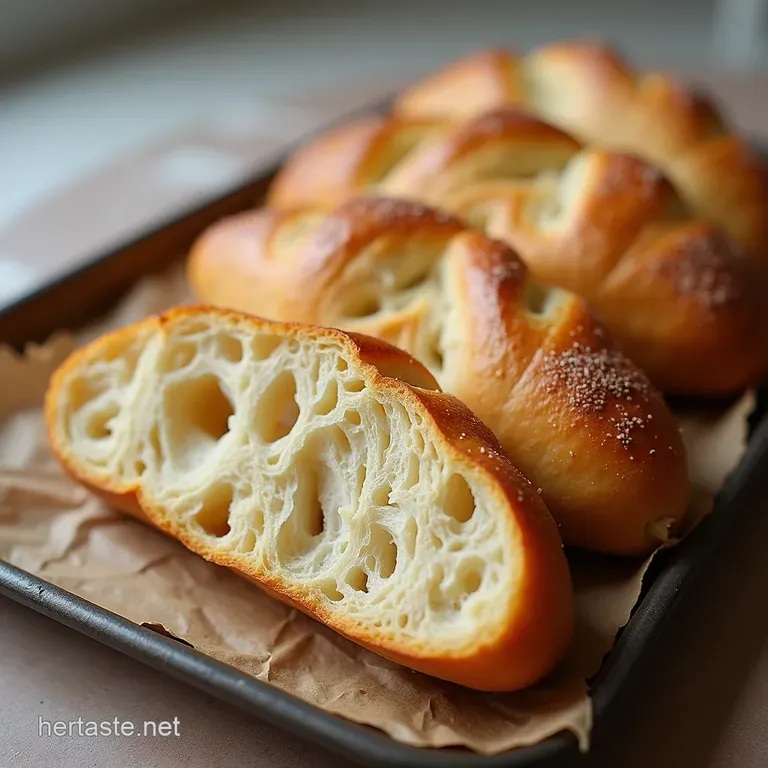
Enter the Sourdough Demi Baguettes . These scaled down versions, often around 10 to 12 inches long, offer all the technical perfection of their larger cousins that shattering crust and open, airy interior but in a manageable format ideal for weeknight dinners or crafting perfect individual sandwiches.
They deliver a profoundly satisfying experience, capturing the full depth of flavour that only a Sourdough Baguette Recipe can provide, without the commitment of a massive loaf.
Achieving the Signature Sourdough 'Crack' Our Method Explained
The hallmark of a truly great baguette isn't just its flavour; it's the acoustic signature of its crust. That delicate, crisp shell that sings as it cools is the result of precise control over temperature and, most crucially, steam during the initial phase of baking.
When crafting these Homemade Baguettes , we are aiming for a high heat blast that locks in expansion before allowing the crust to dry out and caramelize into that desirable golden brown armour.
This commitment to technique is what elevates a simple loaf to an Artisan Baguette Recipe standard.
Perfectly Sized for Home Bakers and Weeknight Meals
The beauty of moving to Mini Sourdough Loaves like these demi bages is the adaptability they bring to the table. A full baguette often goes stale before it can be finished, but these smaller portions ensure maximum freshness.
They are perfect for pairing alongside a bowl of stew, slicing for bruschetta bases, or simply serving as the centerpiece of a charcuterie board where portion control is appreciated.
Understanding the Slow Dance of Sourdough Fermentation
Unlike quick yeasted breads, the Sourdough Baking process relies on time to develop character. Our recipe utilizes a relatively high hydration (around 72.5%) combined with a generous amount of active Baguette Starter .
This slow fermentation especially the overnight cold proof is where the complex, slightly tangy flavour notes emerge. Patience is not optional here; it is an ingredient. By respecting the biological processes, we achieve a depth of taste that commercial yeast cannot replicate.
The Joy of the Crumb: What to Expect from These Sourdough Demi Baguettes
When you slice into these finished loaves, you should be met with a stunning, irregular honeycomb structure. The interior, or crumb, should be light, almost cloud like, with thin cell walls.
Achieving this requires a strong gluten network, built through careful folding and minimal handling during shaping, ensuring those precious gas bubbles remain intact right up to the moment they hit the hot oven.
Essential Components for Superior Dough Structure
Success in any Bread Flour Recipes adventure begins long before the shaping stage. For baguettes, structure is king. We rely on strong flour and precise measurements to handle the high hydration without collapsing into a sticky mess.
The integrity of the dough throughout the process dictates the final loaf shape and openness.
Curating Your Baker’s Toolkit for Demi Baguette Success
While you don't need every piece of professional equipment, a few key tools make the journey toward excellent Crusty Sourdough Baguette far more straightforward.
Flour Power: Selecting High Protein and Whole Grain Ratios
The foundation of our dough is high protein bread flour, ideally with a protein content hovering between 12% and 13%. This strong gluten potential is what allows the dough to stretch thinly without tearing when formed into the characteristic long shape.
While the primary flour should be strong, incorporating a small percentage of whole grain (as noted in the recipe details) can add complexity and nutritional value without compromising the delicate structure required for baguettes.
Hydration Targets: Managing Water Content in Your Autolyse
Our chosen hydration level balances ease of handling with maximizing the crumb structure. The critical first step is the autolyse: mixing only the flour and water. This resting period allows the flour to fully absorb the moisture, kickstarting gluten development naturally before the starter and salt interfere with the process.
It is an essential time saver and structure builder.
The Active Starter: Ensuring Peak Activity Before Mixing
The starter is the engine of this bread. Before combining ingredients, the starter must be fed and mature bubbly, doubled, and floating when tested. Using a sluggish starter will invariably lead to a long, unproductive bulk fermentation, negatively impacting the final rise and flavour profile of your Sourdough Demi Baguettes .
Essential Shaping Aids: Baskets, Couches, and Bench Scrapers
For proofing, a couche —a heavy linen cloth is invaluable. It supports the delicate shaped loaves, preventing them from spreading sideways while proofing. If you lack a couche, use thick, well floured tea towels arranged in accordion folds.
A good bench scraper is also mandatory for cleanly dividing and transferring the sticky, extensible dough.
Related Recipes Worth Trying
- The Soft Crumb Classic Achievably Chewy Sourdough Bread — Tired of frisbee sourdough This simple sourdough bread recipe delivers a truly soft chewy sourdough sandwich bread interior Get the proper crumb guide
- Easy Beginner Sourdough Bread Recipe Chewy Crumb — Learn how to bake your first incredible Sourdough Bread Recipe with Starter using simple steps Get that perfect tangy flavour and crust today
- The Best Overnight Sourdough Cinnamon Rolls Recipe — Wake up to the Best Sourdough Cinnamon Rolls unbelievably soft thanks to an overnight cold proof This sourdough discard recipe delivers amazing flavour Get...
The step-by-step Guide to Mixing and Bulk Fermentation
The initial mixing phase is designed to integrate ingredients smoothly. Whether using a stand mixer or employing manual techniques like the pincer or slap and-fold method, the goal is cohesion without excessive kneading. Once combined, the dough enters the critical bulk fermentation.
Phase One: Mixing, Autolyse, and Initial Incorporation
Following the 45-minute autolyse, we incorporate the active starter and salt. Mix until the dough begins to feel smooth and elastic, typically 5- 7 minutes on low speed. The dough will still feel somewhat slack due to the high water content, which is perfectly normal for this type of bread.
Building Strength: A Series of Gentle Stretch and-Folds
During the first couple of hours of bulk fermentation, we build the necessary strength through a series of gentle manipulations rather than aggressive kneading. Performing three sets of stretch and-folds, spaced 30 minutes apart, aligns the gluten strands.
This systematic strengthening prevents blowouts during the final shaping and ensures the dough has the strength to hold its shape on the baking stone.
Dividing and Pre-Shaping the Dough Portions
Once bulk fermentation is complete signaled by a visible volume increase and a domed surface gently turn the dough onto a lightly floured surface. Divide the mass into the four equal portions destined to become your Mini Sourdough Loaves .
Pre-shaping them into loose rectangles or logs allows the gluten to relax slightly before the more intensive final shaping, preventing tearing. After a 20-minute bench rest, the dough will be relaxed and ready for the main event.
The Crucial Cold Proof: Developing Deep Flavor Overnight
While a room temperature proof works, the flavor payoff from the cold proof cannot be overstated. Transferring the shaped loaves to a cold environment (the refrigerator) slows yeast activity while allowing lactic and acetic acid development to deepen the signature sourdough tang.
This also firms up the dough, making the final scoring much cleaner.
Mastering the Art of the Elongated Shape
Shaping baguettes is often considered the most challenging aspect, but with practice, it becomes muscle memory. The goal is to create a long, taut 'skin' around the dough without expelling the interior gases.
Flatten the pre-shaped piece slightly, fold the bottom third up toward the center, then fold the top third over that. Finally, gently roll the dough away from you, applying light, even pressure to seal the seam tightly, creating the signature slender shape.
The Final Bake: Generating Maximum Oven Spring and Crust Color
The oven environment is where all your preparation pays off. High heat and high humidity are required for that perfect rise and crackling crust.
Scoring Techniques for Optimal Expansion (The Lame Playbook)
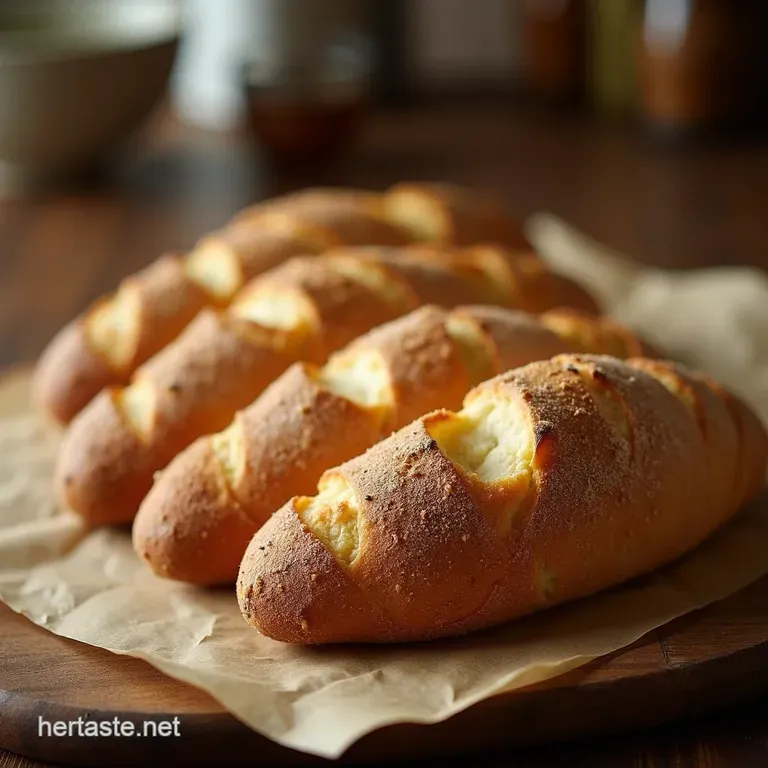
Transfer the proofed loaves to parchment paper, making sure they are seam side down. Using a razor blade (lame) held at a shallow angle (about 20-30 degrees relative to the dough surface), make 3 to 5 confident, overlapping diagonal slashes down the length of each loaf.
The depth should be consistent about 1/4 to 1/2 inch deep to guide the oven spring exactly where you want it to go.
Steam Injection Secrets for That Irresistible Crust
The first 10 minutes of baking are crucial for maximum oven spring. High heat ( 475° F / 245° C) combined with abundant steam prevents the surface from setting too quickly.
Injecting steam by pouring hot water into a preheated tray on the bottom rack traps moisture, allowing the loaves to expand fully before the crust hardens.
After that initial phase, carefully vent the oven by cracking the door or removing the steam pan. Reduce the temperature slightly to 450° F ( 230° C) and finish baking for another 10- 15 minutes until the loaves achieve a deep, mahogany brown colour the sign of full caramelization and the promise of a shatteringly crisp exterior.
Troubleshooting Common Issues in Your Sourdough Demi Baguettes Journey
Even with the best instructions, challenges arise. Knowing how to adapt mid-process saves loaves.
Dealing with Sticky Dough: Adjusting Bench Flour Usage
If the dough is excessively sticky during shaping, resist the urge to douse the work surface in flour, as this results in tough patches in the finished bread. Instead, use a light dusting of bench flour only where necessary, and rely on the smooth side of your bench scraper to keep things manageable.
A slightly higher hydration dough naturally requires more finesse.
Why Didn't My Baguette Open? Analyzing Scoring Depth
If the loaves fail to bloom along the score lines, it often points to one of two things: either the final proofing was too long (leading to a loss of structure) or the scoring angle was too vertical rather than shallow.
A shallow cut allows the dough to peel back gracefully, whereas a deep, vertical cut tends to result in a harsh explosion or no bloom at all.
Extending Flavor: Variations on the Classic Formula
To introduce nuance beyond the basic tang, consider adding inclusions during the final mixing stage. A few tablespoons of toasted black sesame seeds or finely minced dried herbs like thyme can add an unexpected layer of complexity to your Crusty Sourdough Baguette .
Elevating Your Final Product: Serving and Storage Tips
The magic of sourdough continues even after it leaves the oven.
Optimal Cooling Environments: Moving from Stone to Wire Rack
Never skip the cooling stage. Once removed from the oven, immediately transfer the Sourdough Demi Baguettes to a wire rack. This crucial step allows air to circulate around the entire loaf, preventing the bottom crust from becoming soggy as trapped steam escapes.
Listen closely during this time; the delicate sounds of the crust contracting are often referred to as the bread "singing."
Serving Suggestions
These versatile loaves shine best when served within hours of baking. They are the quintessential accompaniment to rich, savory dishes, excellent sliced thin for bruschetta, or simply enjoyed slathered with salted butter while still faintly warm. Enjoy the fruits of your patient labour!

Recipe FAQs
Why are my Sourdough Demi Baguettes coming out flat instead of lofty?
Flat loaves usually point to one of two issues: under proofing or over proofing during the bulk fermentation phase. If you haven't seen a decent rise before shaping, the gluten network hasn't developed enough structure. Conversely, if you shaped it after it went too far, it collapses when scored.
Make sure your starter is active and try proofing by time and visual cue rather than strictly by the clock.
How important is the steam for getting that authentic, crackly baguette crust?
Steam is absolutely non-negotiable if you want that shatteringly crisp crust it’s the magic ingredient! Steam keeps the exterior surface of the dough moist for the first 10 minutes of baking, allowing the loaf to expand fully (oven spring) before the crust sets hard.
Without it, the crust sets too early, resulting in a dull, thick finish rather than a shiny, crisp one.
Can I use All-Purpose flour instead of strong Bread Flour for these Sourdough Demi Baguettes?
You certainly can, but I wouldn't recommend it if you are chasing that textbook airy crumb. Strong bread flour, with its higher protein content, develops the gluten network needed to trap the sourdough gases.
If you must substitute, expect a slightly less open crumb and a softer crust, much like a standard white loaf rather than an artisan baguette.
My shaping technique is a disaster; how can I get neat, uniform logs?
Shaping takes practice; don't worry if your first few batches look like slightly squashed rugby balls! The key is ensuring you have enough surface tension without degassing the dough completely.
After pre-shaping, let it rest fully (20 minutes), then focus on making a tight, even roll, ensuring the final seam is sealed firmly against the counter that tension is what helps it hold its shape during the final proof.
How should I store the finished Sourdough Demi Baguettes if I don't eat them all right away?
Sourdough is best eaten the day it's baked, frankly, much like a fresh newspaper! If you have leftovers, avoid the fridge at all costs, as it stales bread rapidly. Store them cut-side down in a clean paper bag at room temperature for up to two days.
To revive them, lightly spritz them with water and bake again at 350°F (175°C) for about 8 minutes.
Sourdough Demi Baguettes Recipe

Ingredients:
Instructions:
Nutrition Facts:
| Calories | 968 kcal |
|---|---|
| Protein | 23.0 g |
| Fat | 12.8 g |
| Carbs | 55.1 g |
| Fiber | 10.9 g |
| Sodium | 10024 mg |
