The Epic Smoky Star Velvety Homemade Baba Ganoush
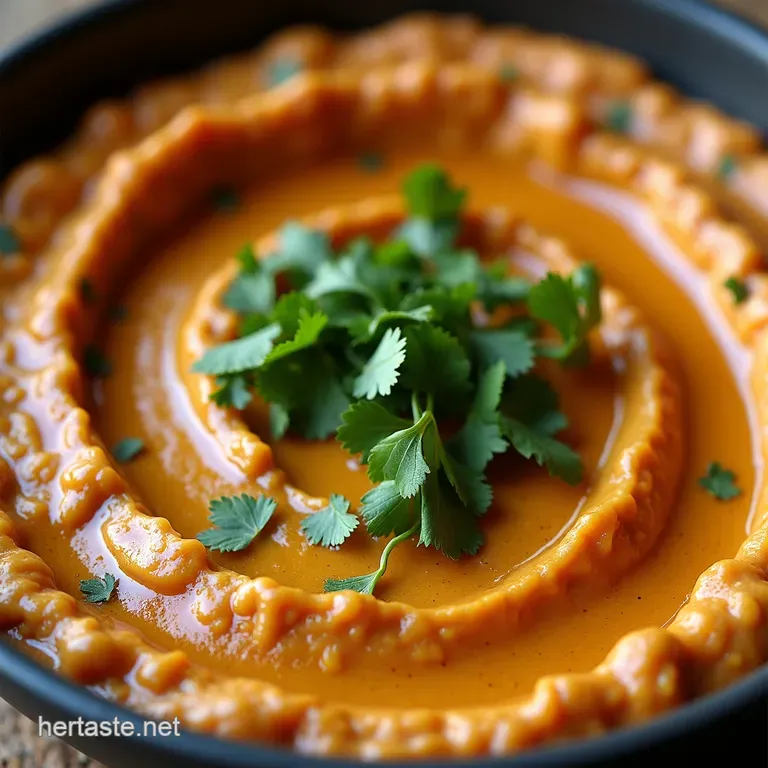
- Unlocking Authentic Depth: The Secret to True Smoky Baba Ganoush
- Why This Recipe Elevates the Classic Dip
- Gathering the Components for Superior Flavour
- The Ritual of Roasting for Maximum Smoke Infusion
- Crafting the Final, Silken Baba Ganoush Texture
- Serving Suggestions and Pro Storage Secrets
- Creative Twists on the Traditional Baba Ganoush
- Frequently Asked Questions
- 📝 Recipe Card
Unlocking Authentic Depth: The Secret to True Smoky Baba Ganoush
This recipe guides you through transforming humble aubergines (eggplants) into a luxuriously smooth, deeply flavourful dip. We’re ditching the oven broiler for the traditional, intense heat of an open flame (or gas burner), which imparts that signature, intoxicating smokiness central to authentic Baba Ganoush .
The final result is brightened with fresh lemon, sharp garlic, and earthy tahini, making it utterly addictive alongside warm pitta bread. This preparation method ensures an Easy Baba Ganoush Recipe that delivers world class results.
Why This Recipe Elevates the Classic Dip
We aim for a Velvety Baba Ganoush that sings with depth. The difference between a good dip and a truly exceptional Baba Ganoush Dip lies in harnessing the maximum flavour from the eggplant itself.
This approach focuses on technique to extract maximum smokiness and minimum watery texture.
Beyond Hummus: A Superior Mezze Staple
Many people wonder about Baba Ganoush vs Hummus . While both are creamy Middle Eastern dips built on legumes or vegetables, Baba Ganoush stands apart. Hummus relies on chickpeas for body and earthiness, but Baba Ganoush achieves its richness from the creamy texture of the roasted eggplant flesh, balanced by smoky notes that are entirely unique.
It offers a slightly more complex and savoury profile, making it the sophisticated star of any appetizer spread.
The Crucial Role of Direct Flame Roasting
The defining characteristic of superior Smoky Baba Ganoush is the char. Cooking the aubergine directly over a flame allows the skin to burn intensely, turning it black and brittle.
This process not only cooks the interior flesh until it’s custardy soft but infuses it with an irreplaceable charred essence. This direct heat is non-negotiable for achieving that sought after authenticity.
Setting Expectations for Velvety Smoothness
While the flavour profile should be robust and smoky, the texture must be yielding and smooth. We use good quality tahini and rely on draining the eggplant pulp properly to ensure that the final product is velvety , not watery or grainy.
Achieving this smooth texture is surprisingly simple once the eggplant is perfectly roasted.
Gathering the Components for Superior Flavour
To craft this Best Baba Ganoush Recipe , ingredient quality matters immensely, particularly concerning the supporting cast around the eggplant. We need high-quality fat, bright acid, and foundational aromatics.
Sourcing the Best Aubergines
Start with two medium aubergines, aiming for a total weight of about 800g. You are looking for fruits that feel firm to the touch, heavy for their size, and have glossy, unblemished skin. A heavy eggplant usually means less air and more flesh, resulting in a better yield after roasting and draining.
Selecting high-quality Tahini for Creaminess
The Baba Ganoush ingredients list calls for two tablespoons of tahini paste. Tahini, made from ground sesame seeds, is vital for richness and binding the dip together.
Seek out a runny, pale tahini; thick, pasty tahini often signals older stock or lower quality, and it won't blend as seamlessly into your dip.
Essential Acids and Seasonings
The brightness that cuts through the smoky richness comes from fresh lemon juice (about two tablespoons, or the juice of one medium lemon). Sharpness is balanced by two minced garlic cloves and the earthy warmth of half a teaspoon of ground cumin.
Finally, salt about half a teaspoon is essential for seasoning the flesh thoroughly.
Related Recipes Worth Trying
- Smoke Velvet The Ultimate Homemade Baba Ganoush Recipe — Achieve that unbeatable campfire flavour in this easy Baba Ganoush recipe We conquer the watery dip problem for perfect smoky eggplant dip every time Get...
- Baba au Rhum The Ultimate Boozy French Treat — Indulge in Baba au Rhum This rumsoaked cake is a classic French dessert thats surprisingly easy Get ready for a boozy delicious experience babarecipe
- My GoTo Baba Ganoush Recipe Smoky Easy Authentic — Looking for the best baba ganoush recipe My homemade version is smoky creamy and bursting with authentic Middle Eastern flavour Get the easy recipe now
The Ritual of Roasting for Maximum Smoke Infusion
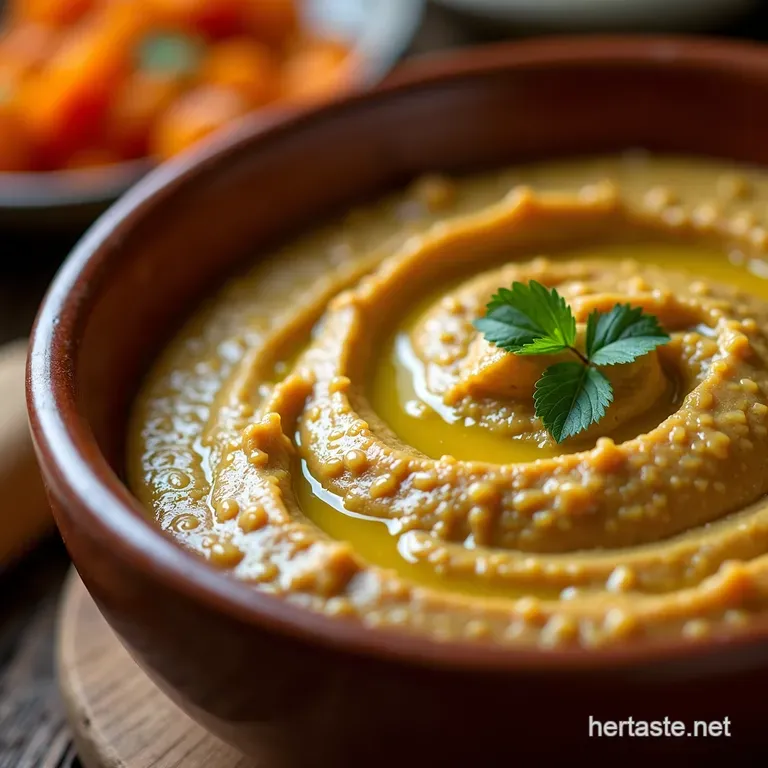
The process begins by preparing the two medium eggplants. Pierce each one several times deeply with a sharp knife or fork. This venting is critical; failure to pierce them can cause steam build-up, leading to an unfortunate eggplant explosion when exposed to direct heat.
Once prepared, place the eggplants directly over a medium high gas flame, using heavy duty metal tongs to hold them steady. You must turn them frequently every three to five minutes ensuring that the entire skin surface becomes uniformly blackened, blistered, and charred.
This intensive charring process should take between 20 and 25 minutes, by which time the eggplant should feel significantly collapsed and yielding when gently squeezed with the tongs.
This direct flame approach guarantees the deep, intoxicating flavour required for authentic Baba Ganoush .
Crafting the Final, Silken Baba Ganoush Texture
Once the aubergines are completely charred, the process moves quickly to preserve that smoky flavour while achieving the perfect mouthfeel.
How to Safely Char the Eggplant Over an Open Burner
If using the open burner method described above, exercise caution; keep a lid handy or use tongs designed for high heat. If your stove setup doesn't allow direct flame contact, you can place the pierced aubergines directly on the grates over a gas flame or use a very hot grill.
An oven broiler set to high, while less smoky, is the fallback option, requiring you to turn the eggplant frequently until the skin is deeply blackened on all sides.
The Cooling and Peeling Technique
Immediately after removing the intensely hot aubergines from the heat source, place them in a bowl and cover it tightly with plastic wrap or a sturdy lid. Allow them to steam for 10 minutes. This trapped heat loosens the stubborn, charred skin.
Once cool enough to handle, slice each eggplant lengthwise and carefully scoop out only the smoky, soft flesh into a mixing bowl, ensuring you discard all the blackened skin and any overly bitter seeds.
Mashing vs. Blending: Achieving the Ideal Consistency
This is where we ensure our Babaganoush Recipe achieves that signature velvety texture. Place the scooped flesh into a food processor.
Crucially, allow the pulp to drain in a fine mesh sieve over a bowl for about five minutes before adding it to the processor; eggplant holds a lot of bitter water that ruins the consistency if left in. After draining, add the tahini, fresh lemon juice, minced garlic, cumin, salt, and pepper to the processor.
Pulse until the mixture is mostly smooth, but stop just short of a completely uniform paste. A small amount of texture prevents it from becoming overly heavy.
The Final Flavor Integration Step
Taste your mixture now it should be assertive. If it tastes flat, add another small squeeze of lemon juice; acidity is the key activator for tahini flavour. Adjust salt as necessary.
The final step before serving involves transferring the dip to your serving vessel, creating a shallow well in the centre, and drizzling generously with high-quality extra virgin olive oil.
Serving Suggestions and Pro Storage Secrets
This Baba Ganoush Dip is best enjoyed when its flavours have fully settled, slightly chilled.
Best Practices for Refrigerating Homemade Baba Ganoush
If you aren't serving immediately, cover the dip tightly and refrigerate. It keeps beautifully for up to four days. However, always let it sit out on the counter for about 15 minutes before serving, as the cold dulls the aromatic brightness of the lemon and garlic.
Pairing Suggestions: What Goes Best With This Dip?
The classic accompaniment is warm, slightly charred pita bread. Beyond that, serve alongside crispy crudités like carrot sticks, bell pepper strips, and cucumber slices. It also acts as a fantastic, smoky counterpoint to salty feta cheese or skewered grilled halloumi.
Flavor Variations: Adding Pomegranate or Herbs
To introduce visual appeal and a tart burst, garnish your finished dip with a sprinkle of fresh pomegranate seeds and finely chopped parsley. For a completely different note, stir in a tablespoon of fresh mint during the final mixing stage, shifting the profile slightly closer to a Mediterranean salad dressing consistency.
Creative Twists on the Traditional Baba Ganoush
While sticking to the fundamentals yields the Best Baba Ganoush Recipe , experimentation is encouraged once you master the smoky base.
For those seeking a hint of spice, incorporating a quarter teaspoon of Aleppo pepper flakes during the processing stage provides a gentle warmth without overpowering the eggplant. If raw garlic proves too pungent for your preference, roast an additional garlic clove alongside your aubergines until soft, and mash that into the dip instead; this offers a sweet, mellow garlic note that integrates seamlessly.
Should you need to avoid sesame due to allergies, omitting the tahini is possible, though you must compensate by increasing the olive oil slightly and ensuring ample seasoning to maintain richness.
Frequently Asked Questions
How do I get that authentic smoky flavour in my Baba Ganoush if I don't have a gas stove?
That smoky punch is key, isn't it? If you’re appliance bound, the best alternative is to use your oven's broiler (grill setting) on the highest heat, placing the aubergines directly on a foil lined tray.
Turn them frequently until the skins are deeply charred and blistered on all sides it takes a bit longer than an open flame but still does the trick.
My Baba Ganoush turned out watery; what's the secret to making it thick and creamy?
Ah, that’s a common hiccup! The culprit is usually excess moisture from the eggplant. Make sure you pierce the aubergines well before roasting, and crucially, after scooping out the soft flesh, let it drain in a sieve for about 10 minutes before blending. Pressing out that bitter liquid makes all the difference!
Can I make Baba Ganoush ahead of time, and how long does it keep in the fridge?
Absolutely, making it ahead is highly recommended as the flavours settle nicely. Store your finished dip in an airtight container, ensuring you drizzle a fresh layer of olive oil over the top before sealing this acts as a protective seal. It’s generally good for up to 4 days in the fridge.
Is there a way to make this recipe without tahini, or can I substitute it with something else?
You can certainly make it without tahini, but be prepared for a slightly different texture, moving closer to a pure eggplant dip. If you have a sesame allergy or simply ran out, omit the tahini, but try adding an extra splash of good olive oil and perhaps a tiny pinch more salt to make up for the lost richness and body.
Why does my finished Baba Ganoush taste a bit bitter, even after adding lemon?
Bitterness usually comes from two places: either the eggplant skin wasn't charred enough, or you didn't drain the pulp properly. If it's already blended, try adding a touch more lemon juice or a tiny pinch of sugar acidity and sweetness balance bitterness surprisingly well.
Also, make sure you’re scooping out as much of the dark, burnt skin as possible!
How should I serve this dip? Should it be warm or chilled?
For the best results, serve your Baba Ganoush slightly cool or at room temperature; it’s rarely served piping hot. Give it at least 30 minutes out of the fridge before serving, which lets the bright, garlicky notes shine through beautifully alongside some warm pitta bread, much like you’d enjoy a proper cuppa!
Smoky Velvety Baba Ganoush
Ingredients:
Instructions:
Nutrition Facts:
| Calories | 1123 kcal |
|---|---|
| Protein | 12.9 g |
| Fat | 26.5 g |
| Carbs | 55.1 g |
| Fiber | 33.9 g |
| Sodium | 529 mg |
