Smoky Silky Authentic Middle Eastern Baba Ganoush
- Unlocking the Deepest Smoke: Why This Baba Ganoush Transcends the Mezze Platter
- The Secret to Authenticity in Every Scoop
- Assembling Your Smoky Aubergine Dip Components
- The Curated List of Flavor Architects
- The Roasting Ritual: Smoking the Aubergines to Perfection
- Elevating Your Serving Presentation and Storage Secrets
- Creative Twists on the Classic Middle Eastern Dip
- Frequently Asked Questions
- 📝 Recipe Card
Unlocking the Deepest Smoke: Why This Baba Ganoush Transcends the Mezze Platter
There are dips, and then there is Baba Ganoush . This iconic Levantine spread, often mistaken for its chickpea cousin, Hummus, stands proudly on its own merits.
When done correctly, this Lebanese Eggplant Dip delivers a complex tapestry of flavour creamy, tangy, earthy, and most crucially, deeply smoky. Forget pale, watery imitations; the difference between a standard dip and truly magnificent Authentic Baba Ganoush Recipe rests entirely on mastering the transformation of the humble aubergine into a velvety, flavour packed cloud.
This recipe guides you through coaxing out that intense, charred essence that makes this Smoky Eggplant Dip utterly unforgettable. While the steps are straightforward, attention to detail in the roasting phase is what truly elevates this Babaganoush Recipe from good to essential.
The Secret to Authenticity in Every Scoop
Creating the best Baba Ganoush isn't about piling on spices; it’s about technique. The goal is to infuse the soft interior of the eggplant with the distinct flavour of fire before blending it into submission with bright accompaniments.
Banish Blandness: Achieving True Middle Eastern Depth
Many home cooks unwittingly create a mild eggplant puree rather than a profound dip. The depth we seek comes from high heat specifically, direct contact charring. This process caramelizes the natural sugars in the vegetable while creating those distinctive bitter, smoky notes that contrast beautifully with the richness of the tahini.
Skipping the charring step for a gentler bake will yield a tasty eggplant dip, but it will lack the signature complexity that defines genuine Middle Eastern cuisine.
The Essential Aubergine Treatment for Superior Baba Ganoush
For this Baba Ganoush Recipe Easy approach, we rely on just two or three large globe eggplants, ensuring they are firm and heavy for their size. Before applying any heat, it’s vital to pierce the skin several times deeply with a sharp knife or fork.
This allows steam to escape during the high heat cooking process, preventing an explosive mess and ensuring the flesh cooks evenly until utterly molten.
Why Charred Skin Equals Creamy Interior
The magic happens when the skin turns completely black and brittle. This intense scorching is not just for show; it’s how we achieve the necessary smoke penetration. When the aubergines are hot and immediately sealed in a covered bowl, the residual steam actually helps loosen the leathery, charred skin from the cooked, creamy interior.
This separation is critical, as we only want the soft flesh the pure essence of our smoky base for the final dip.
Assembling Your Smoky Aubergine Dip Components
While the star is undoubtedly the eggplant, the supporting cast is what brings the Lebanese profile into focus. This Homemade Roasted Garlic Baba Ganoush relies on high-quality staples to achieve balance.
We need the richness of sesame in the form of tahini, the bright acidity of fresh lemon, and the pungent warmth of raw garlic. The assembly is where precision measurement ensures the final texture and flavour profile hit that perfect sweet spot between tart and savoury.
Related Recipes Worth Trying
- Smoke Silk Truly Authentic Baba Ganoush Recipe — Tired of watery dip Master the Best Baba Ganoush at home This guide ensures a deeply smoky flavour and silky texture Easy recipe for homemade dip
- The Best Smoky Baba Ganoush Recipe for a Velvety Dip — Forget watery dips This easy Baba Ganoush recipe uses a direct flame for intoxicating smokiness Achieve that perfect velvety textureyour new favourite dip...
- Smoke Velvet The Ultimate Homemade Baba Ganoush Recipe — Achieve that unbeatable campfire flavour in this easy Baba Ganoush recipe We conquer the watery dip problem for perfect smoky eggplant dip every time Get...
The Curated List of Flavor Architects
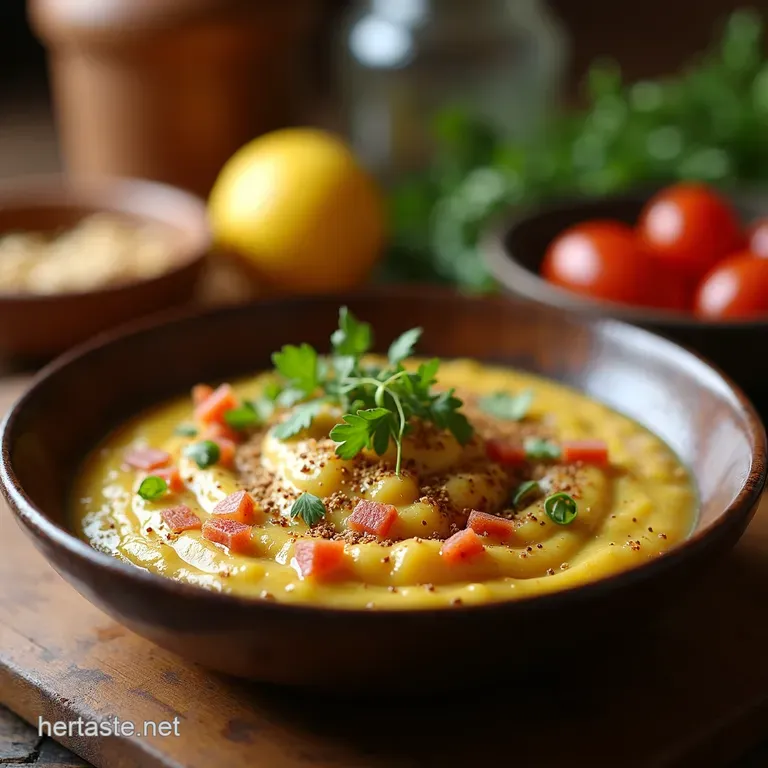
To ensure your efforts result in a stunning presentation, we need to be mindful of our foundational elements, which include two medium-to-large globe eggplants, about 3 tablespoons of good tahini paste, 2 to 3 tablespoons of fresh lemon juice, 1 to 2 peeled garlic cloves, half a teaspoon of fine sea salt, and a quarter
teaspoon of ground cumin if you desire extra warmth.
Selecting the Right Eggplants for Maximum Yield
Choose aubergines that feel heavy for their size and have taut, shiny, unblemished skin. Avoid any that feel soft or spongy, as these often have larger, tougher seeds and higher water content, which can lead to a less flavourful, watery finished product.
We aim for about 750g total weight to yield a generous 1.5 cups of finished dip.
Precision Measurements for Perfect Creaminess
When it comes to richness, the ratio of tahini is key. Too little, and the dip tastes overtly garlicky and sour; too much, and it tastes overwhelmingly of sesame. A starting point of 3 tablespoons of well stirred tahini for two large aubergines usually provides the ideal velvety mouthfeel without masking the eggplant smoke.
Seasoning should always be tasted, but start with half a teaspoon of salt to coax out the flavours effectively.
Sourcing high-quality Tahini and Fresh Citrus
Do not compromise on your tahini. Look for a smooth, runny paste made from hulled sesame seeds it should pour relatively easily after a vigorous stir. For the lemon, freshly squeezed juice is non-negotiable; bottled varieties carry a dull, processed acidity that will flatten the brightness required to cut through the richness of the aubergine and tahini.
The Roasting Ritual: Smoking the Aubergines to Perfection
This is the defining step in making truly Authentic Baba Ganoush Recipe . We are aiming for a dramatic char.
Open Flame vs. Oven Broiler: Choosing Your Charring Method
The absolute best results come from placing the pierced eggplants directly over an open gas flame on your stovetop. Use tongs to turn them slowly and constantly for about 20 to 30 minutes.
You want the skin to blacken entirely and blister everywhere, and the entire fruit should visibly soften and collapse inwards. If you don't have a gas stove, the next best option is using your oven’s highest broiler setting, placing the aubergines on a sturdy baking sheet as close to the element as possible, turning every 5- 7 minutes until they are thoroughly scorched on all sides.
The Crucial Step of Draining Excess Moisture
Once charred, immediately transfer the hot aubergines to a metal bowl and cover tightly with a lid or plastic wrap for 15 minutes. This steaming process is vital for making the removal of the skin effortless.
Once cool enough to handle, slice them open lengthwise and gently scoop the soft, smoky flesh into a fine mesh sieve set over a bowl. Allow this pulp to drain for at least 10 minutes.
This step removes bitter juices, concentrating the flavour and preventing a watery dip a common pitfall when making Baba Ganoush vs Hummus where moisture content is managed differently.
Folding in Garlic and Tahini Without Over Processing
Once drained, transfer the flesh, peeled garlic cloves, lemon juice, salt, and optional cumin into a food processor. Pulse briefly. Now, add the tahini. Process until you achieve your desired consistency. Be cautious; over processing can cause the dip to emulsify strangely or become overly airy.
For a rustic texture, use a sturdy fork or mortar and pestle instead of a machine.
Taste Adjustment: Perfecting the Final Sour and Salty Balance
Taste is everything here. The final seasoning adjustment is where you tailor the dip to your preference. Does it need more zing? Add more lemon. Is the smoke slightly heavy? A pinch more salt will brighten it up. It should possess a distinct tang that wakes up the palate.
Elevating Your Serving Presentation and Storage Secrets
A stellar dip deserves a stellar presentation. Plating is an art form in Middle Eastern hospitality.
The Best Ways to Garnish Your Finished Baba Ganoush
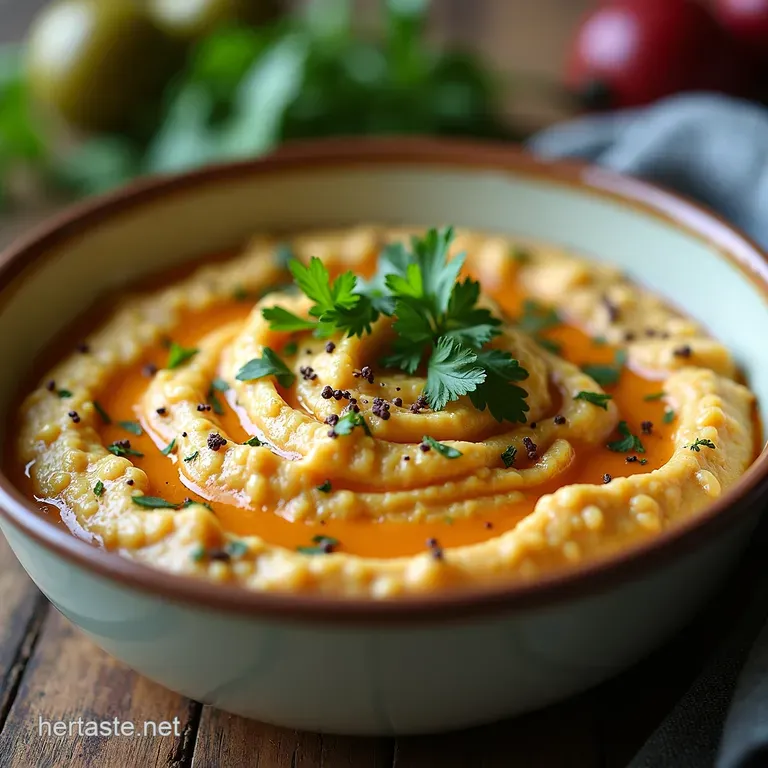
Spoon the finished dip onto a shallow serving platter. Use the back of a spoon to create beautiful swirls or wells on the surface these pockets are perfect for holding pools of extra virgin olive oil. Drizzle generously with the highest quality olive oil you possess.
Finish with a scattering of finely chopped fresh parsley for colour and freshness, and a final dusting of sumac or a pinch of smoked paprika for an extra layer of visual appeal and depth.
Freezing and Reviving: Maintaining Freshness Over Time
While best eaten fresh within a day or two, Baba Ganoush does freeze reasonably well. If you must store it long term, place it in an airtight container, leaving about an inch of headspace, and freeze for up to one month. When thawing in the refrigerator, it may separate slightly.
Simply stir vigorously or pulse briefly in a food processor, adding a teaspoon of lemon juice or olive oil if the texture seems dry upon revival.
Pairing Suggestions: What Dippers Go Best With This Recipe
This Smoky Eggplant Dip shines brightest alongside warm, slightly chewy pita bread. Beyond that, try serving it with fresh vegetable crudités like crisp radish slices, cucumber spears, or vibrant carrot sticks.
For a true mezze experience, pair it with olives, feta cheese, and perhaps even serve a small portion alongside grilled halloumi.
Creative Twists on the Classic Middle Eastern Dip
While mastering the classic preparation is paramount, experimenting with additions can introduce exciting new dimensions to your Homemade Roasted Garlic Baba Ganoush .
If you find yourself craving something brighter, consider folding in a generous handful of fresh mint leaves along with your parsley garnish. For those who enjoy a bit of heat in their appetizer spread, a finely minced jalapeño (seeds removed for controllable spice) can be added during the blending stage.
Alternatively, for a sweeter, richer version akin to Muhtabal sometimes served in other regions, incorporate half a jar of high-quality, oil-packed roasted red peppers during the blending process; this will slightly soften the smoky edge, requiring a bit less lemon juice to balance.
And remember, if you ever find yourself needing a Baba Ganoush Without Tahini , cashew or sunflower seed butter offers an excellent substitute for that essential creamy body.
Frequently Asked Questions
What’s the secret to getting that proper smoky flavour in Baba Ganoush?
The absolute key, mate, is charring the eggplant skin directly over a flame be it your gas hob or the barbecue until it’s thoroughly blackened and blistered. Baking it won't cut the mustard; you need that intense, slightly bitter char to infuse the flesh with authentic smoke flavour.
Don't be shy; make sure the aubergine looks completely knackered before you pull it off the heat!
My Baba Ganoush turned out a bit watery, what’s gone wrong?
That’s a common pitfall, usually caused by not draining the flesh properly after roasting. Once you scoop out the smoky pulp, you must let it sit in a sieve over a bowl for about ten minutes to weep out any excess liquid.
If you skip this, the water dilutes the tahini and lemon, leaving you with a thin dip rather than a velvety spread.
Can I make Baba Ganoush ahead of time, and how should I store leftovers?
Absolutely, it often tastes even better the next day once the flavours have properly melded together! Store it in an airtight container in the fridge for up to four days. Just remember to drizzle a fresh layer of olive oil over the top before sealing it to prevent a skin from forming.
I’m not a fan of raw garlic; can I tone down the garlic kick in my Baba Ganoush?
Garlic strength can certainly vary, you’re right about that. For a mellower flavour, try crushing your garlic clove with a good pinch of salt first, then let it sit for about five minutes before blending it in; this slightly mellows the harshness.
Alternatively, you can roast the garlic clove wrapped in foil alongside the aubergine for an even sweeter result!
What’s the best way to serve this dip if I don't have pita bread handy?
While pita is traditional, this dip is brilliant with all sorts of things, so don't let it stop you! It works a treat as a spread on toasted sourdough or rye crackers, or even as a dollop alongside roasted root vegetables like carrots or parsnips.
It’s fantastic as a side dressing for a simple grilled chicken breast too.
My mixture seems too thick after adding the tahini; is my recipe ruined?
Not at all, this is easily fixed; your tahini might just be particularly thick today. The trick here is to introduce a small splash of ice-cold water literally one tablespoon at a time while the food processor is running.
The cold water helps emulsify the mixture, turning it silky smooth without losing that rich flavour.
Smoky Baba Ganoush Recipe 2
Ingredients:
Instructions:
Nutrition Facts:
| Calories | 874 kcal |
|---|---|
| Protein | 11.8 g |
| Fat | 22.9 g |
| Carbs | 39.3 g |
| Fiber | 28.7 g |
| Sodium | 10219 mg |
