Smoke Silk Truly Authentic Baba Ganoush the Smoky Aubergine Dip
- Decoding the Deep Smoke: Why This Baba Ganoush Stands Apart
- The History & Heart of the Perfect Smoky Dip
- Sourcing the Soul: Ingredients for Superior Baba Ganoush
- The Essential List: What Every Chef Needs
- The Charring Ritual: Unlocking the Eggplant's Depth
- From Flesh to Dip: Blending and Seasoning Mastery
- Beyond the Basics: Storage and Serving Secrets
- Frequently Asked Questions
- 📝 Recipe Card
Decoding the Deep Smoke: Why This Baba Ganoush Stands Apart
When you encounter a truly spectacular bowl of Baba Ganoush , you immediately recognize it. It possesses a depth of flavour that transcends simple mashed vegetables.
The secret lies entirely in the charring ritual that crucial step where the humble eggplant (aubergine) is transformed by fire, imparting a haunting, smoky essence that defines the Authentic Baba Ganoush Recipe .
Forget the pale, often watery imitations; this approach focuses on maximizing that woodsy flavour, resulting in a dip that is simultaneously rich, creamy, and complex. It stands proudly on the Mezze table, often vying for attention with its cousin, hummus, yet offering a distinctly different, more profound flavour journey.
The History & Heart of the Perfect Smoky Dip
Originating across the Levant, the very name "Baba Ganoush" translates roughly to "pampered father," hinting at its luxurious texture and celebrated status across various culinary traditions, from Lebanon to Turkey.
What sets the truly Smoky Baba Ganoush apart from standard roasted eggplant purees is the commitment to aggressive charring. This technique is non-negotiable if you are aiming for perfection.
Achieving That Essential Charred Flavor Profile
The most defining characteristic of this dish is the intense smokiness locked within the flesh. To achieve this, we must intentionally blister and blacken the skin. While many modern recipes suggest simply baking the eggplant, for the Best Baba Ganoush , we embrace the fire.
Whether using a gas stovetop directly or the radiant heat of a grill, the goal is to cook the eggplant until the skin is entirely brittle and black, allowing the inside to steam and collapse completely. This process breaks down the vegetable’s structure and infuses it with that signature outdoor, wood fire note.
Setting the Stage: What Makes Authentic Baba Ganoush
The core philosophy of this dip revolves around balancing bold, pungent flavours with the mild, earthy eggplant base. The Baba Ganoush Ingredients list is deceptively short, meaning the quality of each component truly shines through.
We rely on the sharpness of fresh lemon juice, the earthy richness of good tahini paste, and pungent raw garlic to cut through the smoky sweetness of the roasted vegetable. This results in a texture that should be rustic and slightly chunky, not perfectly smooth like a mayonnaise.
Achieving the right consistency is a key element of this Homemade Baba Ganoush .
A Mediterranean Staple for Any Occasion
Despite its somewhat intimidating charring requirement, this is an incredibly Easy Baba Ganoush Recipe to execute, making it perfect for everything from a simple weekday snack to the centerpiece of a larger gathering.
Being naturally vegan and gluten-free, this Baba Ganoush Dip caters beautifully to various dietary needs, proving that simple, powerful flavour requires no complexity in execution.
Sourcing the Soul: Ingredients for Superior Baba Ganoush
Because the ingredient list is so short, every element must be top-tier. Think of these few items as the pillars holding up the entire flavour structure. We are looking for depth, brightness, and creaminess in equal measure.
Related Recipes Worth Trying
- The Best Smoky Baba Ganoush Recipe for a Velvety Dip — Forget watery dips This easy Baba Ganoush recipe uses a direct flame for intoxicating smokiness Achieve that perfect velvety textureyour new favourite dip...
- Smoke Velvet The Ultimate Homemade Baba Ganoush Recipe — Achieve that unbeatable campfire flavour in this easy Baba Ganoush recipe We conquer the watery dip problem for perfect smoky eggplant dip every time Get...
- Baba au Rhum The Ultimate Boozy French Treat — Indulge in Baba au Rhum This rumsoaked cake is a classic French dessert thats surprisingly easy Get ready for a boozy delicious experience babarecipe
The Essential List: What Every Chef Needs
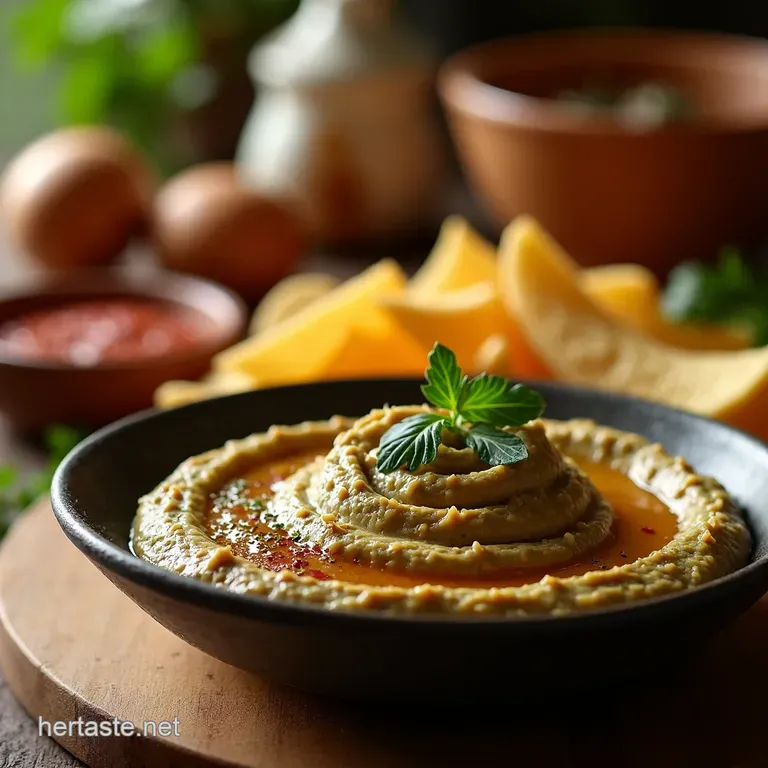
For our Smoke & Silk: Truly Authentic Baba Ganoush , we rely on two large eggplants, yielding about 1.5 cups of finished dip. To this, we incorporate 3 tablespoons of high-quality tahini paste and the juice of 2 to 3 fresh lemons.
Two large cloves of garlic, finely minced, provide the necessary bite, seasoned simply with about 1/2 teaspoon of salt and a warming 1/4 teaspoon of ground cumin, if desired. Finally, a generous drizzle of extra virgin olive oil finishes the dish.
Selecting Eggplants with Maximum Potential
When choosing your aubergines, select two medium sized specimens that feel firm and heavy for their size, with shiny, unblemished skin. Avoid any that show soft spots, as this indicates internal bruising or premature spoilage, which will ruin the texture once roasted.
The firmness ensures they hold their shape well enough to manage the high heat required for proper charring before collapsing into tender submission.
The Golden Ratio of Tahini and Lemon
Tahini, the sesame seed paste, provides essential body and a nutty undertone. We aim for a ratio where the tahini complements the eggplant, not overpowers it. Start with three tablespoons.
The fresh lemon juice is crucial for balancing the richness of the tahini and the earthiness of the smoke; start conservatively with two tablespoons, knowing you can always add more brightness later during the tasting phase.
Mincing Garlic: Intensity Control Techniques
Raw garlic is powerful, so its treatment is key. For a vibrant, sharp flavour profile, mince the two cloves very finely or even grate them against a microplane. If you are nervous about overpowering the dish especially if you are making a Baba Ganoush Recipe Without Tahini (though not recommended for authenticity) you can smash the cloves lightly and add them during the mixing stage, then remove them before serving.
Tools of the Trade for Silky Smooth Results
While a food processor can certainly speed up the emulsification, the most traditional and often superior method involves using only a sturdy fork. Mashing the smoky flesh by hand preserves a desirable, slightly rustic texture.
If you do opt for an electric tool, use the pulse function sparingly; over blending will aerate the dip too much, leading to a less satisfying mouthfeel.
The Charring Ritual: Unlocking the Eggplant's Depth
This is where the magic happens. The eggplant must be roasted until it is practically incinerated on the outside. Preheat your oven to 400° F ( 200° C) and line a baking sheet to catch any drips.
Take your eggplants and pierce the skin deeply four or five times with a sharp knife this prevents them from exploding under intense heat.
Perfecting the Fire: Gas Stove vs. Grill Method
The quickest path to intense flavour is placing the pierced eggplants directly over the medium high flames of a gas burner, turning them frequently with tongs until the skin is completely blackened and blistered, and the flesh feels entirely soft when prodded (about 15– 20 minutes).
If using an oven, roast them directly on the rack (not on a pan) for 30– 40 minutes until they are deeply collapsed. Either way, you are looking for a sign of utter surrender from the vegetable.
From Flesh to Dip: Blending and Seasoning Mastery
Once charred, let the eggplant cool slightly so you can handle it without burning yourself. Now comes the transition from raw ingredient to sophisticated dip.
The Crucial Step: Draining Excess Moisture
Slice the cooled, blackened eggplant lengthwise. The skin should peel away easily. Scoop all the soft, smoky flesh into a fine mesh sieve placed over a bowl. This is an absolutely critical step: eggplant retains a significant amount of water, which, if left in, will yield a thin, watery dip.
Allow this moisture to drain for at least 10 to 15 minutes.
Techniques for Whipping the Aubergine Flesh
Transfer the drained flesh to your mixing bowl. If the pieces are large, roughly chop them with a fork first. Add the tahini, minced garlic, cumin, and salt. Begin mixing vigorously with the fork, using a whipping motion to break down the fibres and incorporate air.
Gradually stream in 2 tablespoons of the fresh lemon juice and the 2 tablespoons of olive oil.
Final Touches: Garnish and Presentation for Baba Ganoush
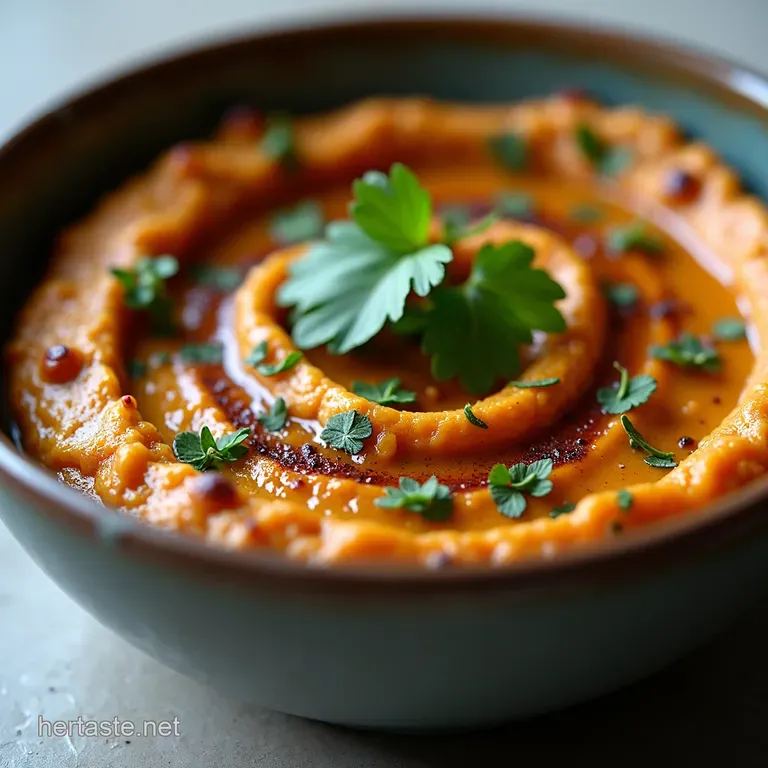
Taste your mixture. Does it need more zing? Add the remaining lemon juice incrementally. The final texture should be creamy yet still hold a pleasant, slightly coarse texture. Transfer the mixture to a shallow serving dish, using the back of a spoon to create an appealing swirl or well in the centre.
Drizzle generously with your best quality extra virgin olive oil. Finally, scatter finely chopped fresh parsley over the top for colour, perhaps adding a pinch of smoked paprika for an extra visual hint of the smoky depth within this exceptional Baba Ganoush Dip .
Beyond the Basics: Storage and Serving Secrets
The transformation from good to great often happens after the dip has rested.
Optimal Reheating and Fridge Life for Maximum Freshness
While typically served at room temperature or slightly cool, Homemade Baba Ganoush benefits immensely from resting. Allow it to chill in the refrigerator for at least 30 minutes before serving; this allows the garlic, lemon, and smoke notes to fully meld together.
It keeps wonderfully in an airtight container in the fridge for up to four days, usually tasting even better on day two.
Flavor Infusions: Spice Variations for Experimentation
If you enjoy exploring variations, consider integrating other Middle Eastern spices. A very small dash of allspice can add warmth, or you can embrace the heat by stirring in finely chopped jalapeño or a pinch of cayenne pepper during the seasoning stage.
These slight additions allow you to customize the flavour profile to your personal preference.
Pairing Suggestions: The Best Vessels for Dipping
The perfect accompaniment for this smoky delight is warm pita bread, the soft interior perfect for scooping. Alternatively, serve it alongside crisp, fresh vegetable crudités like bell peppers, radishes, and celery sticks.
It also acts as a stunning spread on grilled halloumi sandwiches or alongside perfectly spiced grilled meats, completing the ideal Mezze spread.

Frequently Asked Questions
How do I get that deep, smoky flavour in my Baba Ganoush?
The secret sauce, quite literally, is charring the eggplant skin until it's thoroughly blackened and blistered don't be timid! For the best results, char it directly over a medium gas flame using tongs, or roast it until it's completely collapsed.
This intense heat imparts that essential, woodsy smokiness that separates good Baba Ganoush from the merely adequate stuff.
My Baba Ganoush turned out watery what did I do wrong?
That’s usually down to not draining the eggplant properly after scooping out the flesh. Eggplant holds a surprising amount of moisture, often slightly bitter, so after you scoop it, let the pulp sit in a sieve over a bowl for at least 10 minutes.
Press it gently to encourage the liquid out; this ensures a thick, silky dip, not a soupy mess.
Can I use a food processor to make this Baba Ganoush, or should I stick to a fork?
You absolutely can use a food processor, but treat it gently! For the most authentic, slightly rustic texture, a fork is best; it keeps some pleasing chunks in the mix. If you opt for the machine, only pulse a few times over-blending turns it into a smooth paste, which loses some of that lovely homemade character.
How long does homemade Baba Ganoush keep in the fridge, and does it taste better the next day?
Stored correctly in an airtight container, it will keep happily for about 3 to 4 days much longer than store-bought, usually. And yes, many cooks swear it tastes even better on day two!
The flavours of the lemon, garlic, and tahini have time to really marry together overnight, so feel free to make it ahead of your dinner party.
I don't have tahini; what's a good substitute for this aubergine dip?
Tahini (sesame paste) is crucial for the classic creamy flavour, but if you’re out, a last minute swap could be 1 to 2 tablespoons of thick, good quality Greek yoghurt. Just be aware that this will lean the flavour slightly more tangy and less nutty.
For true authenticity, it’s worth grabbing some tahini next time you're at the shop!
Smoky Baba Ganoush Recipe
Ingredients:
Instructions:
Nutrition Facts:
| Calories | 584 kcal |
|---|---|
| Protein | 7.0 g |
| Fat | 19.8 g |
| Carbs | 26.4 g |
| Fiber | 19.5 g |
| Sodium | 716 mg |
