Slow Cooker Beef and Broccoli
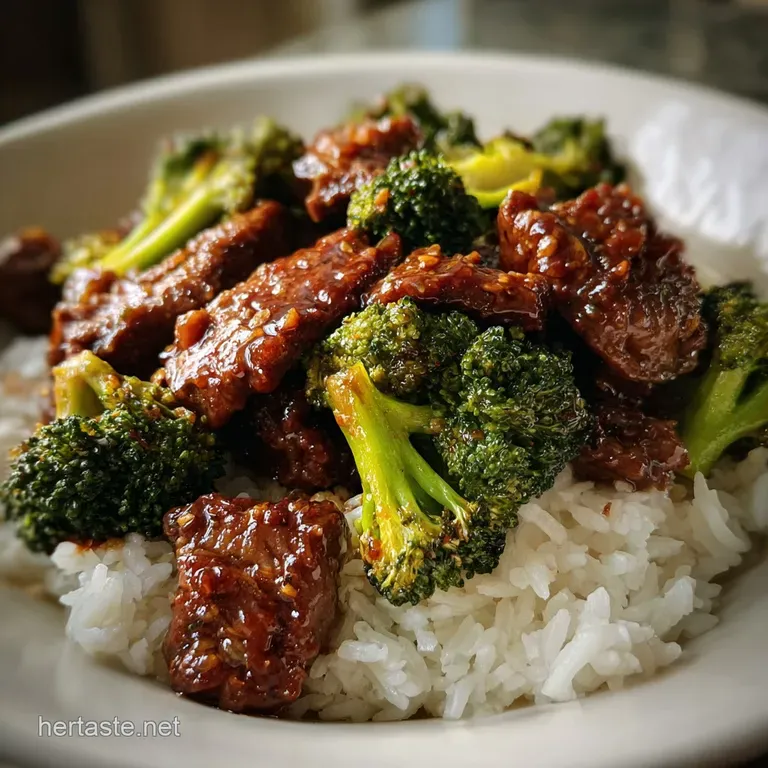
- Time: Active 15 minutes, Passive 6 hours, Total 6 hours 15 mins
- Flavor/Texture Hook: Savory sweet glossy sauce with melt in-your mouth beef and crisp tender greens.
- Perfect for: Busy weeknights, meal prep enthusiasts, and simple family dinners.
- How to Make the Best Slow Cooker Beef and Broccoli
- The Scientific Secret Behind That Tender Fusion Sauce
- Analyzing the Key Components for a Balanced Umami Base
- Simple Kitchen Tools for Effortless Weeknight Preparation
- Walking Through the Entire Braising and Thickening Process
- Avoiding Mushy Veggies and Fixing Texture Problems
- Creative Ways to Personalize Your Next Beefy Stir Fry
- Managing Leftovers with Smart Freezing and Heating Methods
- Delicious Pairings to Complete Your Home Cooked Feast
- Recipe FAQs
- 📝 Recipe Card
How to Make the Best Slow Cooker Beef and Broccoli
Imagine walking through your front door after a long, rainy Tuesday. Before you even hang up your coat, a warm, savory cloud of garlic and ginger wraps around you. It’s that specific aroma the one that usually costs forty bucks in takeout containers but it’s coming from your own kitchen.
There’s a distinct sizzle in your imagination as you think about those velvety beef strips waiting in the pot.
I used to be the person who threw everything into the slow cooker at once, only to end up with a brown, mushy mess that looked nothing like the pictures. I learned the hard way that you can't treat a delicate floret like a piece of chuck roast. This version is the result of many "oops" moments.
We're going for that glossy, thick sauce that actually clings to the meat instead of a watery soup.
Trust me, once you see how the honey and soy sauce reduce into a deep, mahogany glaze, you'll never look at a delivery menu the same way again. We're focusing on convenience here, but we aren't sacrificing the soul of the dish. It’s simple, it’s reliable, and it actually works for a busy life.
The Scientific Secret Behind That Tender Fusion Sauce
Understanding the "how" helps you stop guessing and start cooking with confidence. Here is why this method produces such a superior result compared to a standard stir fry:
- Collagen Conversion: Long term heat at low temperatures turns tough connective tissue in the chuck roast into silky gelatin, creating a "melt in-the mouth" feel.
- Starch Retrogradation: Adding the cornstarch slurry at the very end ensures the sauce stays glossy and thick rather than breaking down over hours of simmering.
- Osmotic Balance: Using low sodium broth prevents the salt from drawing too much moisture out of the meat, which keeps the strips plump and juicy.
| Meat Thickness | Internal Temp | Rest Time | Visual Cue |
|---|---|---|---|
| 1/4 inch strips | 195°F - 205°F | 5 minutes | Meat shreds easily with a fork |
| 1/2 inch strips | 195°F - 205°F | 8 minutes | Fibers appear loose and hydrated |
| 1 inch cubes | 205°F | 10 minutes | Center is dark brown and very soft |
While the beef is doing its thing, you might be thinking about other cozy meals. This technique of slow softening meat is very similar to what makes a SlowCooker Recipe Classic so satisfying on a winter evening.
Analyzing the Key Components for a Balanced Umami Base
Choosing the right elements makes the difference between a flat flavor and a multi dimensional one. We want ingredients that play well together over a six hour period.
| Ingredient | Science Role | Pro Secret |
|---|---|---|
| Beef Chuck Roast | High fat/collagen content | Partially freeze it for 20 mins to get those paper thin, professional slices. |
| Honey | Natural thickener and sweetener | Balances the salt of the soy and helps the sauce "stick" to the broccoli. |
| Rice Vinegar | Acidic brightener | Cuts through the heavy fat of the beef to wake up your taste buds. |
| Fresh Ginger | Protease enzymes | Contains zingibain, which helps tenderize the beef during the first hour of cooking. |
When gathering your supplies, stick to fresh aromatics. The jarred stuff is convenient, but the sulfur compounds in fresh garlic provide a much sharper, cleaner hit of flavor that doesn't get "muddy" after hours in the pot.
Simple Kitchen Tools for Effortless Weeknight Preparation
You don't need a professional kitchen to pull off a great slow cooker beef and broccoli recipe. In fact, keeping it minimal is part of the charm. A standard 6 quart slow cooker is my go to, but a 4 quart works if you're halving the batch.
Chef's Tip: Use a microplane for both the ginger and the garlic. It turns them into a paste that dissolves instantly into the broth, ensuring you don't bite into a big chunk of raw ginger later.
You'll also need a sharp chef's knife. Since we're slicing 2 lbs of beef chuck roast into thin 2 inch strips, a dull blade will make the job frustrating and dangerous. If you're feeling fancy, a small whisk helps get the cornstarch slurry perfectly smooth, but a fork works just as well in a pinch.
| Original Ingredient | Substitute | Why It Works |
|---|---|---|
| Beef Chuck Roast (2 lbs) | Flank Steak (2 lbs) | Leaner but still flavorful. Note: Reduce cook time by 1 hour to prevent dryness. |
| Honey (0.25 cup) | Brown Sugar (0.33 cup) | Adds a deep molasses note. Note: Sauce will be slightly less glossy. |
| Rice Vinegar (2 tbsp) | Apple Cider Vinegar (2 tbsp) | Similar acidity level. Note: Adds a very faint fruity undertone. |
Walking Through the Entire Braising and Thickening Process
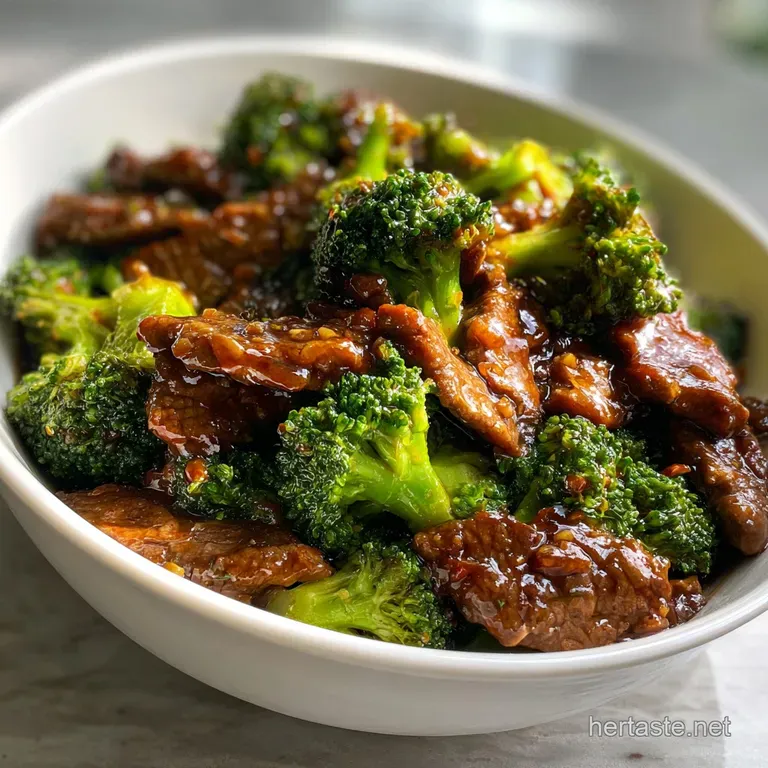
Getting the timing right is the only "hard" part of this recipe, and even that is pretty forgiving. Let’s get to work.
- Prep the Beef. Slice your 2 lbs beef chuck roast into 2 inch strips, going against the grain. Note: Slicing against the grain shortens the fibers, making the meat easier to chew.
- Whisk the Base. In a medium bowl, combine 1 cup low sodium beef broth, 0.5 cup low sodium soy sauce, 0.25 cup honey, 2 tbsp rice vinegar, and 1 tbsp toasted sesame oil.
- Aromatize. Stir in your 4 cloves of minced garlic and 1 tbsp grated fresh ginger until well incorporated.
- Load the Pot. Place the beef strips into the slow cooker and pour the sauce over them, tossing once to coat.
- Set the Timer. Cover and cook on LOW for 6 hours until the beef is tender and gives way easily.
- Create the Slurry. In a small jar, shake together 3 tbsp cornstarch and 3 tbsp cold water until no lumps remain.
- Thicken the Glaze. Stir the slurry into the hot liquid in the slow cooker. Note: The liquid must be hot for the starch to activate.
- Steam the Greens. Add your 4.5 cups fresh broccoli florets on top of the beef.
- Finish. Cover and cook on HIGH for 20-30 minsuntil the broccoli is bright green and the sauce is velvety.
- Rest. Turn off the heat and let it sit for 5 minutes before serving.
Avoiding Mushy Veggies and Fixing Texture Problems
The biggest heartbreak in any easy slow cooker beef and broccoli is opening the lid to find grey, soggy stems. This usually happens because the vegetables were added too early. The residual heat is plenty to cook them to a perfect "snap."
Why Your Beef Is Still Tough
If you've hit the six hour mark and the beef feels "rubbery," it likely hasn't reached the temperature where collagen melts. This sounds counter intuitive, but you actually need to cook it longer. Give it another 30-45 minutes.
What If My Sauce Isn't Thickening?
Cornstarch needs to reach nearly a simmer to "bloom." If your slow cooker is on the older side and doesn't get very hot on the high setting, the sauce might stay watery.
| Problem | Root Cause | Solution |
|---|---|---|
| Thin, watery sauce | Slurry wasn't heated enough | Transfer sauce to a small pot and boil for 2 mins on the stove. |
| Overly salty flavor | Used standard soy sauce | Add a squeeze of lime juice or another tablespoon of honey to balance. |
| Grey broccoli | Added at the start | Steam broccoli separately and toss in right before serving next time. |
Common Mistakes Checklist: ✓ Don't skip the "against the grain" cut; it's the difference between tender and chewy. ✓ Use cold water for the slurry to prevent "starch balls" from forming. ✓ Avoid the "Warm" setting for the final thickening; it’s rarely hot enough.
✓ Keep the lid on! Every time you peek, you lose 15 minutes of heat. ✓ Trim the large fat caps off the chuck roast to avoid an oily sauce.
Creative Ways to Personalize Your Next Beefy Stir Fry
Once you've mastered the basic slow cooker beef and broccoli stir fry, you can start playing with the profile. This recipe is a fantastic "blank canvas" for your favorite fusion flavors.
If you are looking for a bit of a kick, adding a teaspoon of red pepper flakes or a tablespoon of Sriracha into the sauce at the beginning creates a lovely healthy slow cooker beef and broccoli with heat.
For those watching their sugar intake, this slow cooker beef and broccoli no sugar variation works well if you swap the honey for a monk fruit sweetener or simply omit it and add an extra splash of beef broth.
I often think about the variety in beef dishes while making this. If you're in the mood for something with a more traditional "Western" comfort vibe, you should definitely check out my Homemade Chili Recipe. It uses similar beef cuts but takes the flavor in a completely different, spicy direction.
Managing Leftovers with Smart Freezing and Heating Methods
This is one of those rare dishes that actually tastes better the next day. The beef continues to soak up the garlic and ginger notes as it sits in the fridge.
Storage: Keep leftovers in an airtight container in the refrigerator for up to 4 days. The sauce will thicken into a gel like consistency when cold; this is normal and is just the gelatin from the beef chuck roast.
Freezing: You can freeze this for up to 3 months. However, be warned that the broccoli will lose its crispness upon thawing. For the best results, freeze the beef and sauce together, then add fresh steamed broccoli when you reheat it.
Reheating: Use the microwave in 1 minute bursts, stirring in between. If the sauce seems too thick, add a teaspoon of water or beef broth to loosen it up. Avoid reheating on the stove for too long, or the beef might become "stringy."
Zero Waste Tip: Don't throw away those broccoli stalks! Peel the woody outer layer with a vegetable peeler, slice the tender inner core into matchsticks, and toss them in with the beef at the very beginning. They’ll soften beautifully and add extra bulk to the meal.
Delicious Pairings to Complete Your Home Cooked Feast
While this slow cooker beef and broccoli is a powerhouse on its own, it needs a vehicle for all that extra sauce. Plain white jasmine rice is the classic choice because its floral aroma complements the ginger.
If you want to keep things on the lighter side, cauliflower rice is a fantastic "beef and broccoli slow cooker healthy" option. The nutty flavor of the cauliflower pairs surprisingly well with the toasted sesame oil in the glaze.
For a more indulgent meal, try serving it over thick udon noodles or even crispy fried noodles for a texture contrast.
If you're looking for more ways to use beef in your slow cooker, especially during the holidays, you might want to look into a Crockpot Corned Beef recipe. It’s another great way to let the machine do all the heavy lifting while you go about your day. Whatever you choose, just make sure you have plenty of sesame seeds and sliced green onions on hand to finish the dish they add that final pop of freshness that makes it feel like a real restaurant meal.
Recipe FAQs
Can I use frozen beef for slow cooker beef and broccoli?
No, always use fresh beef. Frozen beef will release too much water, diluting the sauce and leading to a less concentrated flavor. It also won't achieve the same tender texture.
How do I prevent the broccoli from becoming mushy?
Add broccoli during the last 30 minutes of cooking. The slow cooker’s residual heat is enough to tenderize broccoli without overcooking it. Adding it too early turns it grey and limp.
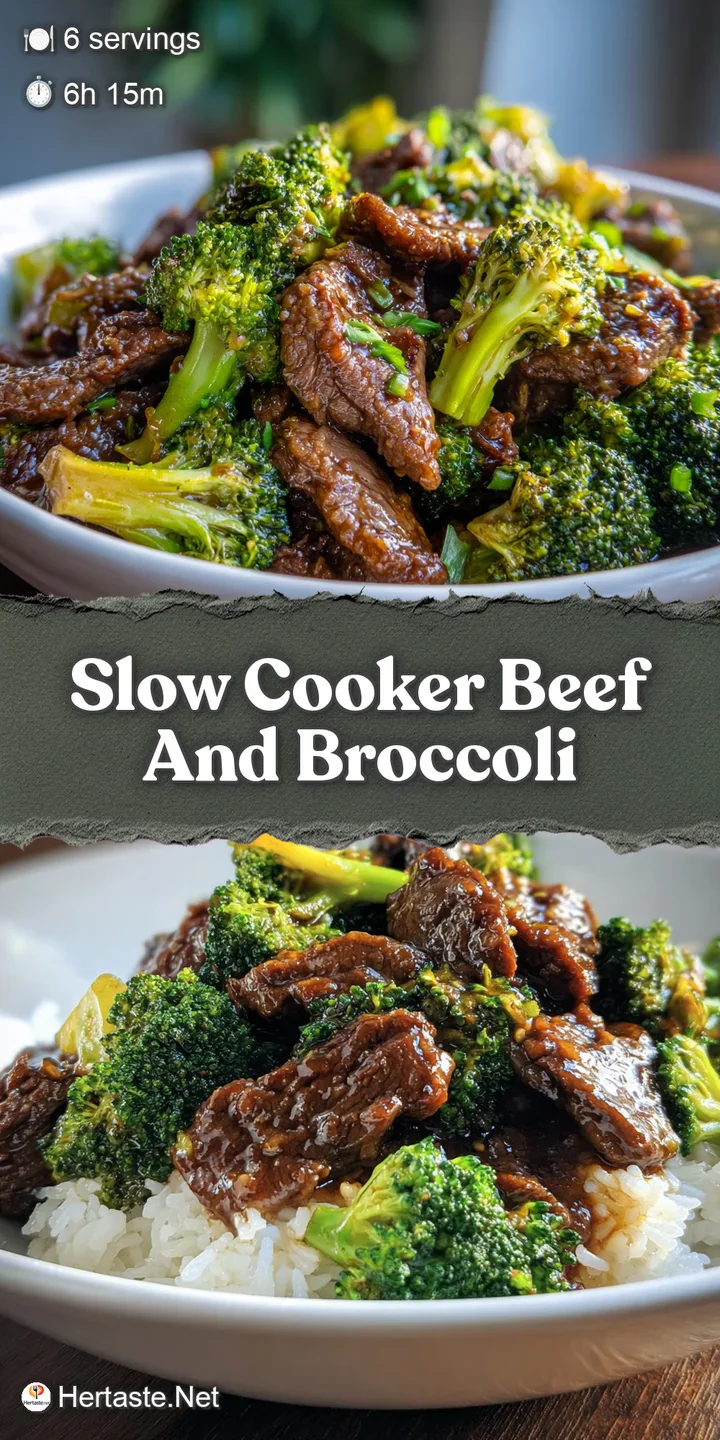
Why is my sauce watery and not thick like in the pictures?
Ensure your cornstarch slurry is heated sufficiently. The cornstarch needs to reach near boiling temperatures to activate and thicken the sauce properly. If your slow cooker doesn't get hot enough, finish thickening on the stovetop.
My beef is still tough after 6 hours. What did I do wrong?
Cook it longer. Toughness in beef cooked slowly usually means the collagen hasn't fully broken down. Give it an additional 30-45 minutes on low heat.
Can I substitute flank steak for chuck roast?
Yes, but reduce the cooking time. Flank steak is leaner and will dry out if cooked for the full six hours. Try cooking it for about 4-5 hours on low instead. If you enjoy cooking beef quickly, see how the same principle of slicing against the grain for tenderness applies to our Pepper Steak recipe.
How can I add some heat to this dish?
Stir in red pepper flakes or Sriracha. Add about 1 teaspoon of red pepper flakes or 1 tablespoon of Sriracha to the sauce mixture before cooking. This adds a pleasant warmth without overpowering the classic flavors.
What's the best way to reheat leftovers?
Reheat gently in the microwave. Use 1-minute intervals, stirring between each burst, to prevent the beef from becoming stringy. If the sauce is too thick, add a splash of water or broth.
For a different beef preparation, explore our homemade steak sauce, which uses similar flavor profiles but a stovetop method.
Slow Cooker Beef Broccoli
Ingredients:
Instructions:
Nutrition Facts:
| Calories | 382 calories |
|---|---|
| Protein | 31.7g |
| Fat | 18.8g |
| Carbs | 20.8g |
| Fiber | 2.5g |
| Sugar | 11.5g |
| Sodium | 766mg |
