White Chocolate Frosting: Silky Swiss Meringue Recipe
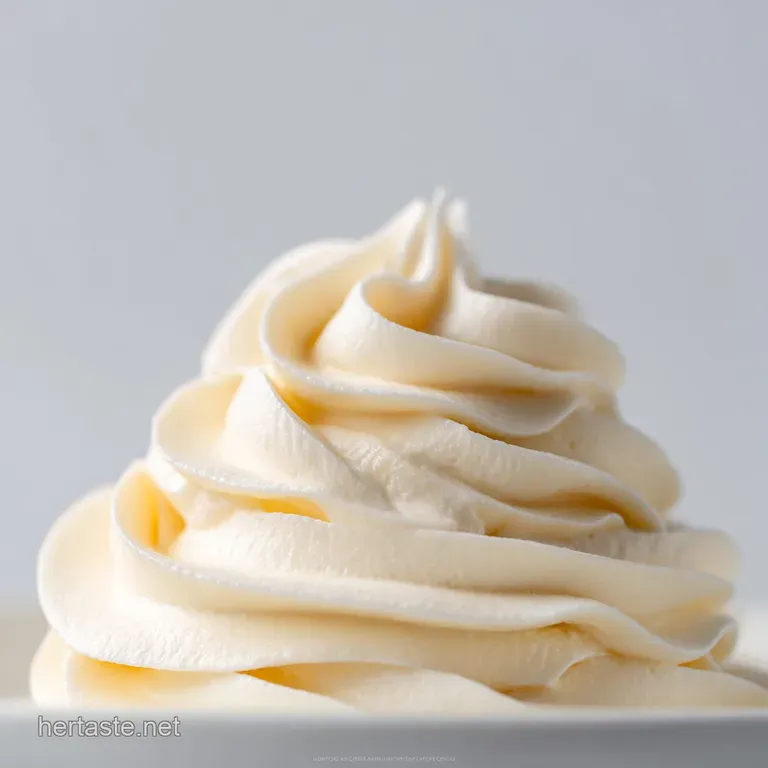
- Unlocking the Secret to Luxurious White Chocolate Swiss Meringue Buttercream
- The Science Behind the Perfect White Chocolate Frosting Stability
- Sourcing Premium Ingredients for Exquisite Flavor
- Step-by-Step Guide to Crafting the Silky Buttercream Base
- Troubleshooting and Achieving Flawless Consistency
- Preparation Timeline: Storing and Reviving This White Chocolate Frosting
- Elegant Pairings: What Cakes Complement This Rich Frosting?
- Recipe FAQs
- 📝 Recipe Card
Unlocking the Secret to Luxurious White Chocolate Swiss Meringue Buttercream
That smell when high-quality white chocolate melts? It’s pure, creamy luxury. This isn't the gritty, cloyingly sweet sugar paste you grew up with; this is the most incredible, cloud like White Chocolate Frosting you will ever make. It is truly transformative for any cake or cupcake.
Yes, Swiss Meringue sounds fancy and incredibly intimidating, but once you conquer the temperature checks, it’s actually easier and faster than dealing with sticky powdered sugar explosions.
Plus, this base is rock solid stable, perfect for piping intricate designs, making this White Chocolate Frosting a lifesaver for summer parties or detailed projects.
I’m going to walk you through every critical step, including the messy "curdle phase" that terrifies novice bakers, explaining exactly why things happen. Trust me, the final payoff a silky, smooth, sophisticated White Chocolate Frosting —is completely worth the effort.
Let's crack on.
The Science Behind the Perfect White Chocolate Frosting Stability
I spent years battling American buttercream, which always seemed too sweet or too soft, especially when I needed structure for a towering layer cake. The secret to baking greatness lies in mastering this elegant, protein based technique.
If you want a truly luxurious, stable White Chocolate Frosting , Swiss Meringue is the only reliable way to go.
Why Swiss Meringue is Superior to American Frosting
American buttercream is simply butter and powdered sugar, relying purely on the fat and starch in the sugar for structure. Swiss Meringue, conversely, starts by stabilizing the egg whites with heat before adding the fat.
This makes the finished White Chocolate Frosting infinitely lighter, much less sweet, and far less prone to melting into a puddle when the weather warms up. It’s reliable, which is why professionals use it.
Once you try this particular White Chocolate Frosting , you'll never go back to the basic version.
The Distinctive Silky Texture and Melt-in-Your Mouth Finish
The initial heating process fully dissolves every single grain of sugar, completely eliminating the gritty mouthfeel common in quick frosting recipes. This perfect sugar dissolution, combined with the high fat content from the butter and the cocoa butter in the white chocolate, creates an incredible texture.
The finished product truly melts immediately upon touching your tongue, giving this White Chocolate Frosting a sublime, light finish.
Essential Equipment Checklist Before You Begin
You absolutely need a stand mixer for this recipe unless you have arms capable of whipping stiff meringue for fifteen minutes straight. More crucially, a digital instant read thermometer is non-negotiable for safety and stability. Guessing the meringue temperature invites disaster, especially when working with eggs.
I learned that the hard way making a batch of White Chocolate Cupcake Frosting that refused to stiffen up.
The Role of Temperature in Emulsification (Butter and Meringue)
This step, the mixing of meringue and butter, is the make-or-break moment. You are essentially creating a marriage between fat (butter) and protein (egg whites). If the meringue is too hot, it melts the fat, resulting in soup. If the butter is too cold, it breaks the protein structure, leading to curdles.
We need everything to be cool, but not cold, for the best White Chocolate Buttercream Frosting .
Balancing Sweetness: Why Quality White Chocolate Matters
Cheap white chocolate tastes overwhelmingly waxy and offers almost no complex flavor. Good white chocolate (30% cocoa butter or higher) brings actual complex, creamy vanilla notes to the White Chocolate Frosting .
Because Swiss Meringue is already naturally less sweet than American frosting, using high-quality chocolate prevents the final product from tasting boring or one-dimensional.
Understanding the Meringue: Pasteurization and Protein Structure
Heating the egg whites to 160°F (71°C) achieves two crucial things: total sugar dissolution and pasteurization. This process ensures the White Chocolate Frosting is completely safe to eat, even though it started with raw egg whites.
Whipping then stretches those proteins, trapping tons of air and creating a glossy, stable matrix that can hold serious fat without collapsing.
Sourcing Premium Ingredients for Exquisite Flavor
Selecting the Right White Chocolate (Couverture vs. Chips)
Please, for the love of perfect texture, avoid standard baking chips. They often contain stabilizing waxes that inhibit proper melting and make the final product feel waxy. Choose couverture chocolate or callets instead; these are designed for baking and have higher cocoa butter content.
That beautiful richness is crucial for the final taste and texture of this White Chocolate Frosting recipe.
Butter: Unsalted, High Fat, and the Crucial Room Temperature Check
Always use unsalted butter; this gives you precise control over the final salt content, which is why we add that tiny pinch of salt to the meringue. Cubing the butter slightly cool firm, but not rock hard helps prevent the mixture from becoming soupy when added to the meringue.
Don’t use liquid soft butter.
| Ingredient | Substitution Note |
|---|---|
| Butter | Use high-quality, high fat vegan butter sticks (e.g., Miyoko’s); the technique remains identical. |
| Egg Whites | Use pasteurized, liquid egg whites from a carton, but weigh them accurately and still heat to 160°F. |
| Granulated Sugar | Caster sugar is preferred because it dissolves faster, but granulated sugar works if you whisk constantly until smooth. |
| White Chocolate | high-quality white chocolate compound can be used, but ensure it contains at least 20% cocoa butter for flavor. |
The Proper Measurement of Egg Whites by Weight
Do not rely on the estimate of "5 large eggs," because eggs vary wildly in size! Weighing your egg whites ensures you have the exact protein-to-sugar ratio required for a stable meringue structure.
I always weigh out 150 grams of egg whites it never fails for this incredible White Chocolate Frosting .
Can I Use Powdered Egg Whites? Notes on Substitutions
Powdered egg whites (meringue powder) are designed for stability, but they are often overly processed and dried, sometimes resulting in a chewier meringue. While they can provide necessary volume, they won't give you the same pure, smooth flavour profile needed for the very best White Chocolate Frosting .
Stick to fresh whites for superior results.
step-by-step Guide to Crafting the Silky Buttercream Base
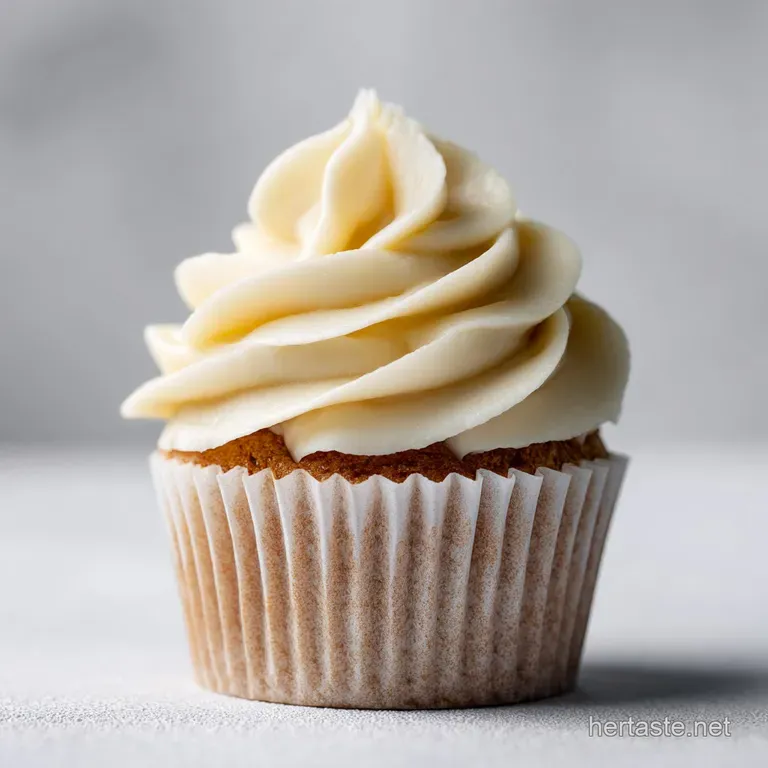
Heating and Whisking the Egg White and Sugar Base Over a Bain Marie
Continuous hand whisking is absolutely essential here to prevent the egg whites on the bottom from scrambling while the top stays cold. You are cooking the mixture gently, over simmering water, not a rolling boil.
Keep that digital thermometer handy and do not overshoot 160°F (71°C) or your meringue volume will suffer.
Developing the Glossy, Stiff Meringue Peaks
Once the mixture hits 160°F and the sugar is dissolved, immediately transfer the bowl to the stand mixer. Start whipping to incorporate air and develop serious strength. You know it’s ready when the meringue is incredibly glossy, holds firm peaks, and the mixing bowl feels completely cool to the touch— this is the most critical check before adding butter for White Chocolate Frosting.
If the bowl is warm, your butter will melt.
The Crucial Step: Whipping in the Softened Butter
Switch from the whisk to the paddle attachment now for the best final texture. Add the cool, cubed butter one piece at a time; be patient. The mixture will look utterly dreadful during this phase soupy, liquid, separated, maybe like cottage cheese. Embrace the ugliness!
This is just the temperature adjusting and fat incorporating, not a failure of your White Chocolate Frosting .
Incorporating the Melted White Chocolate (Temperature Management)
Remember that melted chocolate we set aside at the beginning? It must be cool or barely warm; if it’s hot, you will instantly deflate and melt your perfectly whipped buttercream. With the mixer running on low, slowly drizzle the cooled white chocolate into the buttercream.
This gentle incorporation ensures the melted White Chocolate Frosting integrates perfectly without creating streaks or a soupy mess.
Chef's Note: If your buttercream looks yellow or greasy after adding the butter, stop the mixer. It is almost certainly too warm. Place the entire mixing bowl into the refrigerator for 15 minutes to cool, then continue whipping on medium speed until smooth.
Troubleshooting and Achieving Flawless Consistency
Fixing Curdled or Soupy Buttercream (The High Speed Whip Fix)
Most splits are due to temperature imbalances. If the mixture is soupy (too warm), place the whole bowl in the fridge for 10- 15 minutes until the edges firm up, then whip again aggressively on medium high speed.
If it looks curdled (too cold or butter wasn't fully integrated), take out about 1/2 cup of the mixture, heat it in the microwave for 15 seconds until melted, pour it back in, and whip hard until the White Chocolate Frosting miraculously comes together. This trick truly saves everything.
Dealing with Tiny White Chocolate Flecks in the Mixture
If you used lower quality chips or if the chocolate wasn't perfectly melted and cooled, you might sometimes see tiny flecks. Sometimes this happens if your melted chocolate was too cold when you added it.
Run the mixer on medium low for about five minutes; if they persist, the only solution is to heat the whole batch very slightly (using the microwave trick described above) to re-melt the stubborn solids. Chill slightly and then re-whip your smooth White Chocolate Frosting .
This silky White Chocolate Frosting is designed to look pristine, so don't settle for flecks.
Tips for Lightening the Buttercream After Chilling
This incredible White Chocolate Frosting firms up quite a bit in the fridge, much like my popular Chocolate Frosting Recipe: Ultimate Double Fudge Buttercream . Before you attempt to frost or pipe anything, you must re-whip it. Let it sit at cool room temperature for 30– 45 minutes, then whip on medium speed for about five minutes until it’s fluffy, light, and perfectly spreadable again.
Preparation Timeline: Storing and Reviving This White Chocolate Frosting
Short Term Refrigeration: Keeping the Buttercream Fresh
This buttercream is incredibly robust! You can store the finished White Chocolate Frosting in an airtight container in the fridge for up to two weeks without issue. I often make a big batch ahead of time for weekend baking projects.
Just ensure you press plastic wrap directly onto the surface before sealing the container to prevent a dry "skin" from forming.
Guide to Freezing and Thawing Swiss Meringue Buttercream
But does it freeze well? You bet your whisk it does. Transfer the finished White Chocolate Frosting into a freezer safe zip-top bag or container, squeeze out all the air, and freeze for up to three months. When you are ready to use it, thaw the container overnight in the refrigerator.
How to Whip Air Back into Chilled Frosting
Once thawed, it will look separated, greasy, and maybe even a little scary, especially around the edges. Do not worry; this is completely normal. Put the mixture back into your stand mixer and whip on medium high speed for five to seven minutes.
It will come back together beautifully, becoming smooth, fluffy, and just like freshly made White Chocolate Frosting .
Elegant Pairings: What Cakes Complement This Rich Frosting?
Because this stable White Chocolate Frosting is rich but surprisingly not overly sweet, it pairs beautifully with robust or slightly tart cake bases. I generally find it’s too delicate for something heavy like a dense gingerbread, but fantastic for anything light and bright.
It’s truly divine on a simple vanilla sponge, but the real magic happens when you pair it with fruit, echoing the flavors we use in my Strawberry Sheet Cake with Cream Cheese Frosting Recipe . Try adding some raspberry puree or lemon curd to the filling layers.
It’s also absolutely the best friend of deep chocolate flavors, creating a stunning contrast. Try this elegant White Chocolate Frosting on my Chocolate Chip Cake: Ultimate Brown Butter Layer Recipe — the combination is pure, sophisticated decadence. This recipe elevates any dessert that needs a sophisticated White Chocolate Frosting finish.
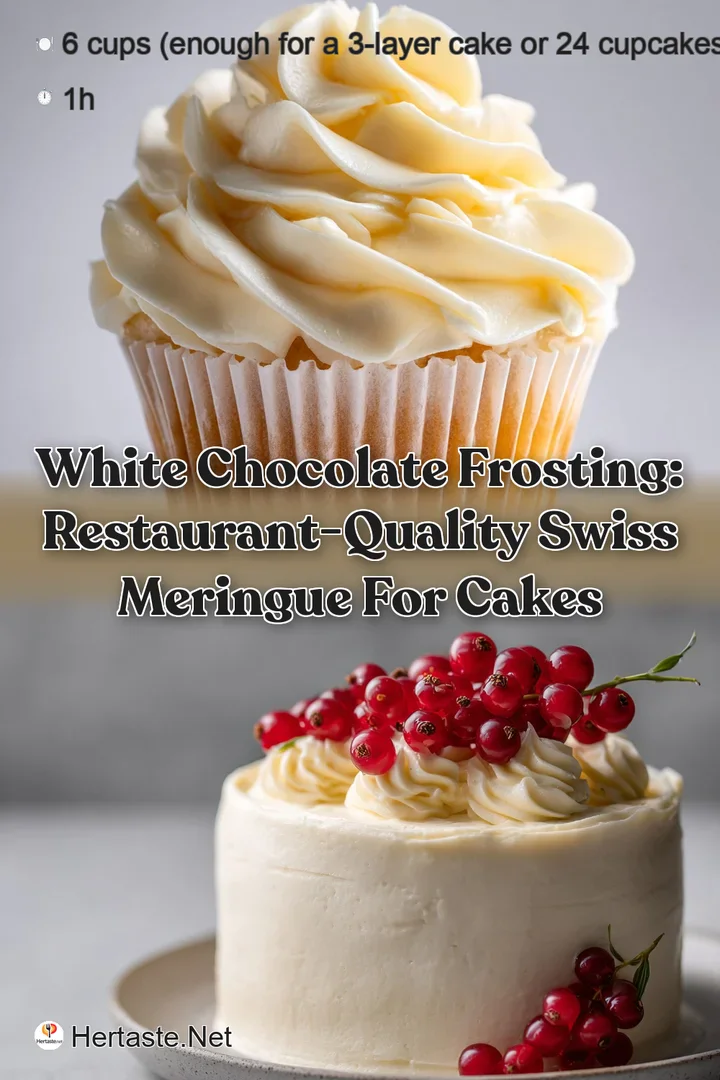
Recipe FAQs
Why does my buttercream look curdled or separated after adding the butter?
This is the most common troubleshooting issue, and it is usually due to a temperature imbalance. Either the meringue base was too warm, melting the butter, or the butter was too cold, resulting in a chunky look.
Continue mixing on medium high speed for 5-10 minutes; the friction will eventually emulsify the mixture and bring it back to a silky consistency.
My finished frosting is too soft and runny. How do I fix the texture?
The meringue base was likely not cooled enough before the butter was added, or your kitchen is very warm. Place the entire mixing bowl into the refrigerator for 15-20 minutes, then return it to the mixer and beat until stiff peaks form.
Alternatively, add 1-2 tablespoons of cold, cubed butter and continue mixing to stabilize the structure.
When should I add the melted white chocolate, and why did mine seize up?
The melted white chocolate must be added only after the buttercream is fully formed, fluffy, and cool to the touch. Ensure the melted chocolate has cooled to lukewarm (around 90°F) before adding it slowly; if it is too hot, it will melt the frosting, and if it is too cold, it will shock the emulsion and cause the chocolate to seize.
Can I freeze this White Chocolate Swiss Meringue Buttercream?
Yes, Swiss Meringue Buttercream freezes exceptionally well due to its high butter content. Store it in an airtight container for up to 3 months, then thaw it overnight in the refrigerator. Before using, ensure you re-whip it thoroughly in the mixer to restore its original light, silky texture.
How long can this frosting safely sit out at room temperature?
This stable, butter heavy frosting can generally sit out at a cool room temperature (below 75°F) for up to 2 days without issue, making it excellent for display cakes. If your environment is warmer than 75°F, or if you need to store it longer, refrigeration is necessary to maintain quality and food safety.
What is the best way to color or add other extracts to this white chocolate base?
Always use oil-based or gel food colors, as liquid colors can break the emulsion or thin the frosting. Add any extracts (such as pure vanilla bean paste or citrus extract) only after the buttercream is fully formed and fluffy, mixing just until combined.
Can I use milk or dark chocolate instead of white chocolate in this recipe?
Yes, you can substitute other chocolate types, but you may need to reduce the amount of sugar slightly to balance the flavors of dark chocolate. Ensure the substituted chocolate is of high-quality and temper the addition by cooling the melted chocolate just as you would the white variety.
Silky White Chocolate Frosting
Ingredients:
Instructions:
Nutrition Facts:
| Calories | 190 kcal |
|---|---|
| Fat | 13.5 g |
| Fiber | 0 g |
