The Royal Feast Silky Malai Kofta in a Cashew Dream Gravy

- Decoding the Decadence: Why This Malai Kofta Recipe Reigns Supreme
- The Anatomy of an Indian Showstopper: Creamy vs. Crispy
- Assembling Your Palace of Flavor: Component Checklist
- Curating the Cohesion: Essential Components for Perfect Kofta Balls
- The Masterclass: Step-by-Step Path to Glorious Malai Kofta
- Crafting the Velvety Cashew Gravy Base
- Troubleshooting and Elevating Your Homemade Malai Kofta
- Recipe FAQs
- 📝 Recipe Card
Decoding the Decadence: Why This Malai Kofta Recipe Reigns Supreme
Few dishes command the immediate respect and anticipation that a perfectly executed Malai Kofta does. It stands proudly as a jewel in the crown of Mughlai cuisine a celebratory dish reserved for special occasions, yet one that becomes essential for weekly indulgence once you master its secrets.
This recipe demystifies the process, taking you from raw ingredients to a velvety, restaurant quality experience right in your own kitchen. We are focusing not just on how to make it, but how to achieve that legendary melt-in-your mouth texture in the dumplings and the lusciously smooth finish in the gravy, making this Malai Kofta Recipe your definitive guide.
The Anatomy of an Indian Showstopper: Creamy vs. Crispy
The magic of this creation lies in the delightful contrast between its two core elements: the delicate, soft kofta balls and the rich, spiced cream sauce they bathe in. Achieving this balance is key to understanding the entire Kofta Recipe Vegetarian experience.
Setting the Stage for Culinary Glory
The kofta itself must be light enough to absorb the sauce without turning instantly soggy, yet sturdy enough to survive the deep fry. This requires precise measurements of binding agents like potato and paneer.
Conversely, the gravy the malai component needs depth of flavour built slowly through careful sautéing of aromatics and the slow cooking of the cashew base to create a naturally thick texture, avoiding the need for heavy, artificial thickening agents.
The Perfect Entry Point for First Time Kofta Makers
While the overall process involves several stages, we have broken down the How To Make Malai Kofta into manageable segments. Beginners often shy away fearing the dumplings will crumble. We mitigate this risk through mandatory chilling steps and careful oil temperature control.
If you follow the texture guidelines for the binding mixture, you will find the construction of these delicate orbs surprisingly straightforward.
A Brief History of This Celebrated North Indian Creation
This dish is deeply rooted in the royal kitchens of North India, heavily influenced by Persian techniques brought forth during the Mughal era. The incorporation of cream ( malai ) and rich nuts (cashews) signifies luxury and celebration.
It is an inherently festive dish, often taking centre stage at weddings and major festivals, signifying prosperity and indulgence through its rich ingredients and layered flavour profile.
This classic Indian Malai Kofta Recipe honors that tradition while ensuring accessibility for the modern home cook.
Assembling Your Palace of Flavor: Component Checklist
Before we dive into the cooking, gathering the right Malai Kofta Ingredients is paramount. Remember, this recipe yields four generous servings and requires about two hours from start to finish, making it a rewarding project for a weekend meal.
The foundation relies on perfectly mashed potatoes (about 1 cup) and crumbled fresh paneer (also 1 cup) for the dumplings, while the gravy hinges on soaking ½ cup of raw cashews for at least 30 minutes to ensure they blend into a perfect cream.
Curating the Cohesion: Essential Components for Perfect Kofta Balls
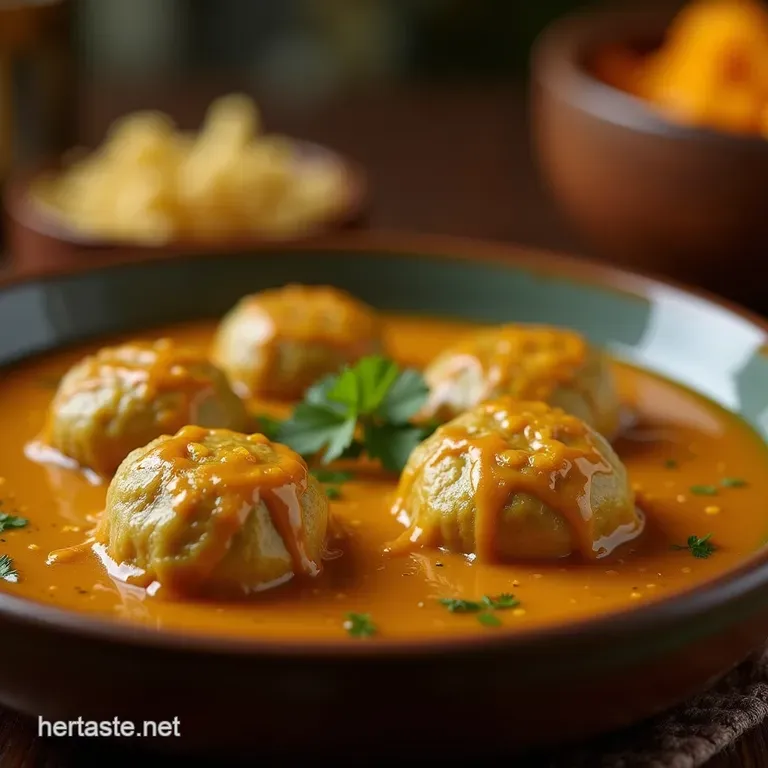
The structure of the dumpling dictates its success. We need moisture control, delicate spicing, and the right coating to achieve that desirable exterior texture.
Procuring the Premium Paneer for Supreme Softness
Using fresh, high-quality paneer is non-negotiable for true Malai Kofta . Avoid pre-packaged, hard paneer if possible. Crumble it finely by hand or use a grater.
Ensure the paneer is at room temperature before mixing; cold paneer resists blending evenly with the mashed potato, leading to lumps and uneven texture.
The Spice Palette: Mastering the Gravy Aromatics
The flavour of the Malai Kofta Curry is nuanced it must be rich, slightly sweet, and mildly spiced, never overpowering the delicate kofta. Key spices include Kashmiri Red Chili Powder (used primarily for its deep colour rather than intense heat), ground turmeric, coriander powder, and the essential aromatic finisher: Kasuri Methi (dried fenugreek leaves).
These aromatics are added after the base is blended and strained, allowing them to perfume the final velvety sauce.
Necessary Tools for Flawless Frying and Blending
A high powered blender is your best friend for achieving the hallmark silky texture of the Curry Gravy Recipe . If your blender is less powerful, the crucial step of straining the blended tomato cashew mixture through a fine mesh sieve becomes non-negotiable to remove any residual grit from onions or cashews.
For frying, maintaining a consistent oil temperature around 350° F ( 175° C) is vital to cook the kofta through without burning the outside.
The Masterclass: step-by-step Path to Glorious Malai Kofta
We now transition into active cooking. Start by preparing the kofta mixture, allowing it time to chill while you focus on the gravy base components. The coordination between preparing the base and frying the dumplings ensures everything finishes perfectly hot.
Crafting the Velvety Cashew Gravy Base
The base begins by softening the onions, tomatoes, cashews, ginger, and garlic in a bit of water until they yield completely. Once soft, blend this mixture until it reaches a uniform liquid state. For that signature glossy appearance, immediately push this liquid through a fine sieve into a clean pot.
This straining process removes fibrous material, ensuring your Malai Kofta Gravy is pure silk.
Rolling Technique: Achieving Uniform, Fragile Koftas
Once the potato and paneer mixture has chilled for 30 minutes, it will be firm enough to handle. Lightly oil your hands and roll the mixture into uniform balls, approximately 1.5 inches in diameter. Rolling them identically ensures they cook evenly.
Dust each ball lightly with a cornstarch coating; this promotes a slightly crisp exterior barrier against the oil.
The Gentle Fry: Ensuring Kofta Integrity
Heat your oil to the medium high range ( 350° F). Carefully lower the koftas into the hot oil never overcrowd the pan, as this drops the oil temperature rapidly, resulting in soggy dumplings.
Fry them gently, turning them slowly until they achieve an even, light golden brown hue all over. Drain them well on paper towels immediately after frying.
Tempering the Gravy: The Secret to Restaurant Quality Texture
Return the strained gravy base to the heat. Temper the spices turmeric, chili powder, and coriander in a tablespoon of oil or ghee before whisking them into the gravy. Allow this mixture to simmer gently for about five minutes. This step cooks out the raw flavour of the ground spices.
Next, incorporate the garam masala, salt, and a teaspoon of sugar to balance the inherent tartness of the tomatoes.
Final Assembly: Merging the Dumplings with the Sauce
This is the moment of truth. Reduce the heat to the absolute lowest setting. Stir in your ¼ cup of heavy cream to create the malai richness. Finally, crush the Kasuri Methi between your palms to release its essential oils and stir it in.
Gently slide the pre-fried koftas into the warm, finished gravy. Allow them to sit for just five minutes to absorb the sauce’s flavour before serving immediately.
Troubleshooting and Elevating Your Homemade Malai Kofta
Even the most seasoned chefs encounter minor hurdles. Understanding why things go wrong helps refine your technique for future attempts at this Malai Kofta Recipe .
Secrets to Preventing Kofta Breakage During Frying
Breakage usually stems from one of two issues: the mixture was too wet, or the oil was too cold. If your mixture felt sticky even after chilling, add another teaspoon of binding flour.
When frying, use enough oil so the koftas float easily, and maintain that steady temperature; if the oil is too cool, the outside won't set fast enough to hold the interior together.
Variations on the Classic: Vegan Swaps and Flavor Twists
While truly authentic Malai Kofta uses dairy, you can achieve wonderful vegan results. Substitute firm tofu (pressed extensively) for paneer. For the gravy, substitute heavy cream with a thick paste made from soaked and blended white almonds or use rich coconut cream for the malai element.
A pinch of dried mint powder added to the kofta mixture offers a refreshing twist.
Optimal Storage and Reheating for Leftover Richness
If you have leftovers, it is best practice to store the fried koftas and the gravy separately overnight. Store the gravy in an airtight container in the refrigerator. When reheating the next day, warm the gravy gently, then add the koftas just before serving.
Reheating the koftas submerged in the gravy for too long will cause them to break down completely.
Pairing Perfection: What Sides Complete This Royal Dish?
This rich main course demands sides that offer textural contrast and balance the richness. Ensure you have long grain Basmati Rice to soak up the sauce. Alongside a cooling raita or a fresh onion tomato salad, this dish transforms from a simple meal into a grand feast, solidifying its status as a top-tier vegetarian offering.
Recipe FAQs
What’s the secret to preventing the Malai Kofta from falling apart when frying?
This is the million dollar question, isn't it? The biggest trick is ensuring your mashed potatoes are completely dry no residual moisture allowed! Also, make sure you chill the kofta mixture for at least 30 minutes before rolling; cold ingredients hold their shape much better when they hit the hot oil.
My gravy never seems as silky smooth as the ones at the restaurant; how do I achieve that glossy finish?
Ah, that restaurant quality sheen comes down to two steps: blending thoroughly until the mixture is smooth and hot, and then passing the entire puree through a fine mesh sieve. This catches any stubborn onion or cashew bits, resulting in a truly velvety sauce that coats the spoon beautifully.
Can I make the Malai Kofta dumplings ahead of time, and how should I store them?
Absolutely, prepping ahead saves time when hosting! You can roll the uncooked koftas and keep them on a tray in the fridge for up to 24 hours; just make sure they are lightly dusted with flour/cornstarch first. Fry them just before you plan to serve them, as they are best fresh and hot.
This dish seems quite rich; are there any ways to lighten up the traditional heavy cream gravy?
If you're watching the calories or just want something a bit less dense, you can certainly dial back the heavy cream. Try substituting half the cream with whole milk blended with an extra tablespoon of cashew paste for body, or use a good quality, unsweetened light coconut cream for a richer, dairy-free alternative.
I don't have any paneer on hand; what can I use instead for the kofta filling?
While paneer gives the authentic soft texture, you can substitute it if you’re caught short. Use firm tofu that has been pressed very thoroughly to remove excess water, or for a slightly different flavour profile, you can use cottage cheese that you’ve squeezed dry using a clean tea towel.
Just remember to increase the binding flour slightly.
How spicy is Malai Kofta usually, and can I adjust the heat for my family?
Typically, this dish is quite mild, focusing more on richness than chilli heat, especially due to the sugar and cream balancing the tomatoes. You can control it easily: use mild Kashmiri chilli powder for colour, and omit the fresh green chillies in the kofta mix entirely if you prefer zero kick.
Silky Malai Kofta Curry
Instructions:
Nutrition Facts:
| Calories | 600kcal |
|---|---|
| Fat | 50g |
| Fiber | 4g |
