Ricotta Meatballs: Tender and Savory
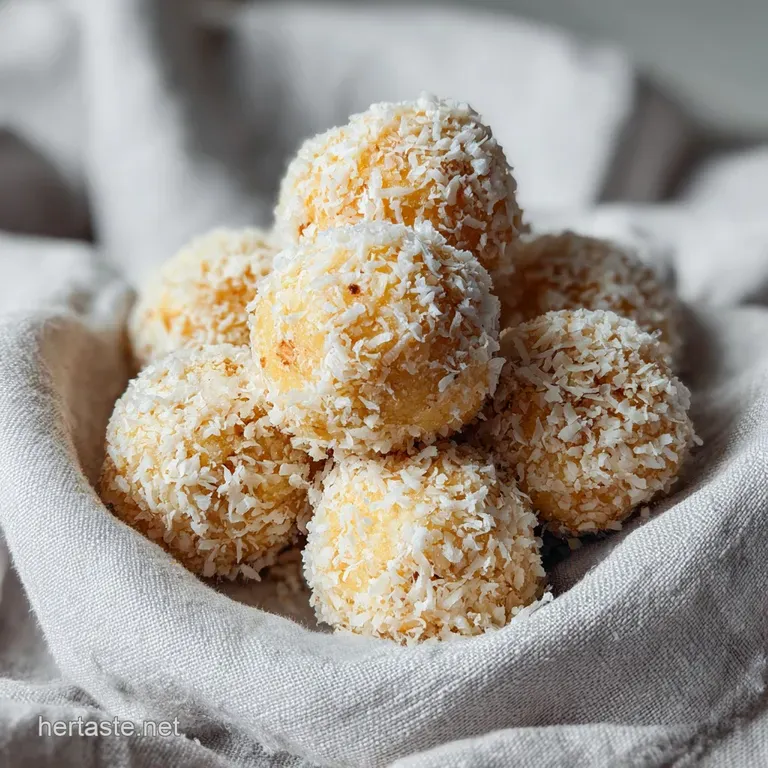
- Time: Active 20 minutes, Passive 25 minutes, Total 45 minutes
- Flavor/Texture Hook: Velvety interior with a deeply browned, savory crust
- Perfect for: Sunday family dinners, meal prep, or an impressive date night
- Master These Light Ricotta Meatballs
- Why This Texture Works
- Ingredients and Smart Substitutes
- Essential Meatball Making Tools
- Step By Step Cooking Guide
- Troubleshooting Your Cooking Problems
- Exciting Meatball Recipe Variations
- Storage and Reheating Guide
- Perfect Meatball Serving Suggestions
- Critical Sodium Alert!
- Recipe FAQs
- 📝 Recipe Card
Master These Light Ricotta Meatballs
In the sun drenched kitchens of Southern Italy, specifically across Calabria and Sicily, the tradition of "polpette di ricotta" was born from a philosophy of necessity. Historically, meat was an expensive luxury, and families practiced "cucina povera" or peasant cooking to make a small amount of protein feed a large table.
By incorporating fresh, local ricotta into the meat mixture, they didn't just stretch the meal; they stumbled upon a culinary breakthrough that created a texture far superior to the dense, bread heavy meatballs found elsewhere.
When you take that first bite, you'll notice the difference immediately. Unlike the leaden meatballs that often weigh down a plate of pasta, these are remarkably light, almost delicate, yet they carry a massive punch of umami.
The aroma of toasted Parmigiano Reggiano and fresh oregano fills the air as they roast, creating a sensory experience that feels both rustic and incredibly sophisticated. It's a dish that honors its humble origins while standing as a masterclass in textural balance.
We've all had those meatballs that feel like rubber balls, usually the result of over mixing or using too much dry filler. This recipe changes the game by using the ricotta as a biological sponge, keeping the proteins from binding too tightly.
You're going to love how the outside gets that gorgeous, mahogany sizzle in the oven while the inside stays absolutely velvety. It’s a technique I’ve shared with friends who swore they’d never make meatballs any other way, and today, we're going to get it exactly right in your kitchen.
Why This Texture Works
Protein Spacing: The ricotta curds physically sit between the strands of beef and pork, preventing them from fusing into a dense mass during the cooking process.
Starch Hydration: By soaking fresh breadcrumbs in milk to form a panade, we create a gel like barrier that traps moisture and fat inside the meatball.
Gentle Binding: The egg acts as a structural bridge, but the high moisture content of the ricotta ensures the bind remains soft rather than tough and rubbery.
The Maillard Effect: Roasting at 400°F (200°C) creates a rapid surface dehydration that browns the exterior before the delicate interior has a chance to overcook.
| Meatball Size | Internal Temp | Rest Time | Visual Cue |
|---|---|---|---|
| 1.5 inches (4 cm) | 165°F (74°C) | 5 minutes | Deeply browned and firm to touch |
| 1.0 inch (2.5 cm) | 165°F (74°C) | 3 minutes | Golden brown and slightly sizzling |
| 2.0 inches (5 cm) | 165°F (74°C) | 7 minutes | Dark mahogany with visible juices |
Understanding how size impacts your cooking time is the first step toward a successful meal. While 1.5 inch spheres are the standard for this recipe, adjusting the size means you must monitor the internal temperature closely to prevent the ricotta from drying out.
A quick five minute rest is non negotiable, as it allows the internal juices to redistribute, ensuring that velvety finish we are aiming for.
Ingredients and Smart Substitutes
To get the most out of these Ricotta Meatballs, every component needs to play its part. We’re using a blend of 1 lb (450g) ground beef and 0.5 lb (225g) ground pork. The 80/20 beef provides the necessary fat for flavor, while the pork adds a subtle sweetness and a finer grind that helps with the overall "melt in-your mouth" feel.
Component Deep Dive
| Ingredient | Science Role | Pro Secret |
|---|---|---|
| Whole Milk Ricotta | Moisture Reservoir | Drain it in a fine mesh sieve for 10 minutes to prevent sogginess. |
| Fresh Breadcrumbs | Structural Gel | Use high-quality sourdough or white loaf crusts for better flavor absorption. |
| Parmigiano Reggiano | Umami Anchor | Grate it finely so it melts into the meat rather than staying in clumps. |
The Essentials List
- 1 lb (450g) ground beef (80/20):Why this? The 20% fat content is crucial for a juicy, flavorful result.
- Substitute: Ground turkey (93% lean) works, but add 1 tbsp of olive oil for fat.
- 0.5 lb (225g) ground pork or Italian sausage:Why this? Adds a softer texture and complex fat profile.
- Substitute: Ground veal for a very traditional, delicate flavor.
- 1 cup (250g) whole milk ricotta:Why this? Provides the signature airy, creamy internal structure.
- Substitute: Cottage cheese pulsed in a blender until smooth.
- 0.5 cup (50g) freshly grated Parmigiano Reggiano:Why this? Delivers salty, nutty depth and helps with the crust.
- Substitute: Pecorino Romano for a sharper, saltier kick.
- 1 large egg:Why this? The primary binder that holds the delicate mixture together.
- Substitute: 1/4 cup of heavy cream (though the bind will be slightly looser).
- 3 cloves fresh garlic:Why this? Pungent aromatic base that cuts through the rich fats.
- Substitute: 1 tsp garlic powder if you're in a massive hurry.
- 0.25 cup (40g) yellow onion, grated:Why this? Grating releases juices that flavor the meat without adding chunky bits.
- Substitute: Finely minced shallots for a milder, sweeter onion note.
- 1 cup (60g) fresh white breadcrumbs:Why this? Absorbs the milk to create a panade, preventing toughness.
- Substitute: Panko breadcrumbs (soak them for an extra 5 minutes).
- 0.25 cup (60ml) whole milk:Why this? Hydrates the crumbs to ensure the meatballs stay moist.
- Substitute: Unsweetened almond milk or even beef broth.
Using fresh ingredients really makes a difference here. For instance, grating your own onion might seem like a chore, but that onion juice is a secret weapon for moisture. If you are looking for a different flavor profile, you might enjoy trying this [Firecracker Meatballs] technique for a spicy kick, though the texture will be much firmer than our ricotta version.
Essential Meatball Making Tools
You don't need a professional kitchen to pull this off, but a few specific tools will make the process much smoother. A microplane is my absolute favorite for the garlic; it turns the cloves into a paste that distributes evenly so you don't bite into a raw garlic chunk.
I also highly recommend using a large, shallow mixing bowl so you have plenty of room to fold the ingredients without squashing them.
For the baking portion, a heavy duty rimmed baking sheet lined with parchment paper is essential. The parchment prevents sticking and makes cleanup a breeze, while the rim ensures no fat drips into your oven. If you have a cookie scoop (about 1.5 tablespoons), use it!
It ensures every meatball is the exact same size, which is the only way to make sure they all finish cooking at the same time. Trust me, consistency is the difference between a good cook and a great one.
Chef's Tip: Freeze your ricotta for 10 minutes before adding it to the mix. This makes it firmer and easier to fold in without over working the meat, preserving those tiny pockets of cheese that create the velvety texture.
step-by-step Cooking Guide
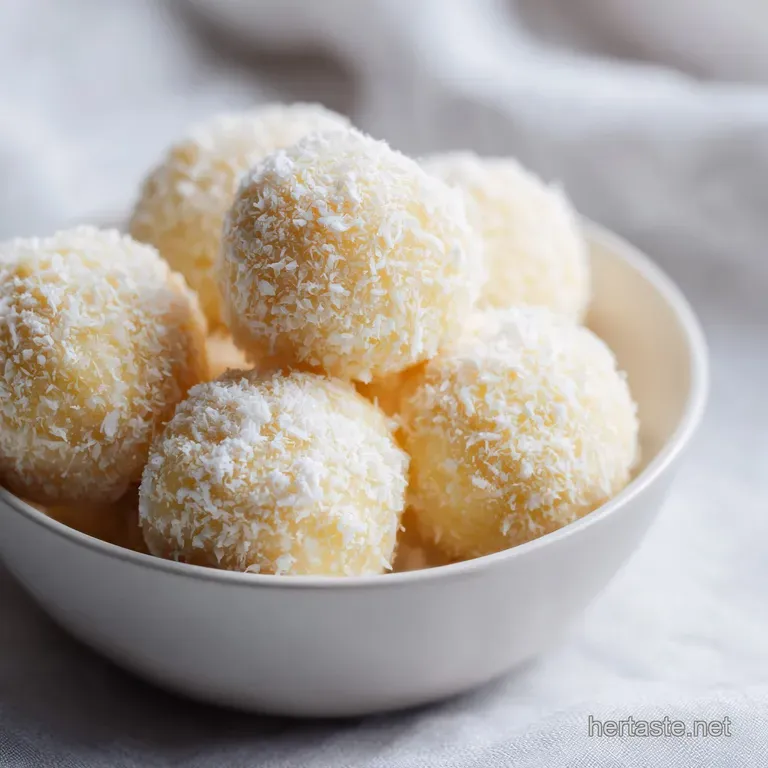
Hydrating the Starch
In a small bowl, combine the 1 cup fresh breadcrumbs and 0.25 cup whole milk. Let sit for 5-10 minutes until a thick, paste like panade forms. Note: This step is vital for preventing the meat proteins from shrinking and becoming tough.
Building the Flavor Base
In a large mixing bowl, whisk together the 1 cup ricotta, 1 egg, grated onion, microplaned garlic, Parmigiano Reggiano, 0.25 cup minced parsley, 1.5 tsp kosher salt, 0.5 tsp pepper, and 1 tsp dried oregano. Incorporate the hydrated breadcrumb paste until the mixture is completely uniform.
Folding the Proteins
Add the 1 lb ground beef and 0.5 lb ground pork to the ricotta mixture. Gently fold by hand until just combined. Note: Do not squeeze or over work the meat; stop as soon as the streaks of white ricotta disappear.
Shaping Uniform Spheres
Portion the mixture into 1.5 inch spheres, which should give you approximately 24 meatballs. Roll them lightly between your palms and place them on a parchment lined baking sheet with at least 1 inch of space between each.
Roasting for a Mahogany Finish
Bake in a preheated 400°F (200°C) oven for 18-22 minutes until the exterior is deeply browned and the internal temperature hits 165°F (74°C).
Simmering with Sauce
Transfer the roasted meatballs into 3 cups of simmering marinara sauce. Cook for 5 minutes until the sauce is bubbling and the meatballs are fully coated.
Troubleshooting Your Cooking Problems
Why Your Meatballs Are Falling Apart
This usually happens because there is too much moisture or the bind wasn't strong enough. If your ricotta was particularly watery, it can dilute the egg's ability to hold things together. Next time, make sure to drain the ricotta well.
If the mix feels too wet while you are rolling, a tablespoon of extra breadcrumbs can save the day.
Solving the Grainy Texture
If the interior feels grainy rather than velvety, it’s likely that the breadcrumbs didn't hydrate fully or the meat was too lean. Using 80/20 beef is non negotiable for that silky mouthfeel.
Also, ensure you are using fresh breadcrumbs; dry, store-bought crumbs can sometimes feel like sand if they aren't soaked long enough in the milk.
| Problem | Root Cause | Solution |
|---|---|---|
| Tough/Rubbery | Over mixing the meat | Mix by hand and stop the moment it's combined |
| Pale/No Crust | Oven temp too low | Ensure a full 20 minute preheat at 400°F (200°C) |
| Soggy Bottoms | Crowded baking sheet | Leave space for air to circulate around each sphere |
Common Mistakes Checklist
- ✓ Always drain your ricotta for at least 10 minutes before starting.
- ✓ Grate your onion instead of chopping it for better moisture distribution.
- ✓ Never skip the 5-10 minute soak for your breadcrumbs.
- ✓ Use a thermometer to hit 165°F (74°C) exactly; overcooking leads to dryness.
- ✓ Let the meatballs rest for 5 minutes before dropping them into the sauce.
One thing people often overlook is the temperature of the meat. If the beef and pork are too warm, the fat will start to melt before it even hits the oven, leading to a greasy, dense result. Keep your meat in the fridge until the very second you are ready to mix it.
If you're planning a big Sunday dinner, these go beautifully alongside a hearty [Baked Ziti recipe] for the ultimate comfort meal.
Exciting Meatball Recipe Variations
If you want to move beyond the classic Italian profile, there are several ways to tweak this base. For a Spicy Calabrian Twist, add 2 tablespoons of chopped Calabrian chilis in oil to the ricotta mixture. The heat pairs beautifully with the creamy cheese.
Alternatively, for a Low Carb Alternative, you can swap the breadcrumbs for 0.5 cup of almond flour, though the texture will be slightly denser and nuttier.
| Feature | Fresh Breadcrumbs | store-bought Crumbs |
|---|---|---|
| Final Texture | Soft, airy, and velvety | Denser and more uniform |
| Moisture | Holds significantly more liquid | Dries out more quickly in the oven |
| Prep Time | Requires 5 mins to pulse bread | Instant use from the container |
If you choose the shortcut of store-bought crumbs, just be aware that you might need an extra splash of milk to get that same "squishy" panade consistency. Another great way to serve these is as Ricotta Meatballs with Orzo.
Instead of a heavy red sauce, toss the roasted meatballs with cooked orzo, lemon zest, fresh spinach, and a drizzle of high-quality olive oil. It’s a lighter, brighter take that’s perfect for spring.
Storage and Reheating Guide
These meatballs are a meal prepper's dream. You can store the cooked meatballs in an airtight container in the fridge for up to 4 days. When reheating, I highly recommend doing it in a pan with a splash of sauce or water over medium low heat.
Microwaving can often make the ricotta rubbery, which would be a tragedy after all your hard work.
For long term storage, these freeze beautifully. Place the roasted (and cooled) meatballs on a tray in the freezer for an hour until they are solid, then transfer them to a freezer bag. They will stay fresh for up to 3 months.
To reheat from frozen, just drop them directly into simmering sauce and let them cook for about 15-20 minutes until heated through.
Don't throw away your scraps! If you have leftover ricotta, it’s great spread on toast with a bit of honey. If you have extra panade, you can actually mix it into a meatloaf for the same moisture boosting benefits.
Even the parsley stems can be saved in a freezer bag for making your next batch of vegetable or beef stock.
Perfect Meatball Serving Suggestions
While a mountain of spaghetti is the classic choice, these meatballs are versatile enough for much more. For a "Better Than Dining Out" Meatball Sub, toast a high-quality baguette, layer on the meatballs and sauce, and top with slices of fresh provolone.
Broil it for 2 minutes until the cheese is bubbling and slightly charred. The soft ricotta interior of the meatball against the crunchy bread is pure heaven.
If you are looking for a lower carb option, serve them over a bed of creamy polenta or even sautéed zucchini noodles. The sauce from the meatballs will season the vegetables perfectly.
For a dinner party, I love serving these as an appetizer: three small meatballs in a shallow bowl with a dollop of extra cold ricotta on top and a sprig of fresh basil. It looks incredibly professional and highlights the star ingredient.
Myth: Searing Is Mandatory
Many people believe you must sear meatballs in a pan to "seal in the juices." This is actually a myth. Searing creates flavor through the Maillard reaction, but it doesn't seal anything. In fact, pan frying often leads to "flat sided" meatballs and a big mess.
Roasting at 400°F (200°C) gives you that same gorgeous browning all the way around with much less effort and no added frying oil, preserving the delicate texture of the ricotta.
Myth: Milk Doesn't Matter
Some think using water for the panade is fine. While it works for hydration, milk contains proteins and fats that contribute to a much softer "crumb" in the meatball. The calcium in the milk also interacts with the meat proteins to keep them tender.
Stick to the whole milk for the best results; it’s a small detail that makes a massive impact on the final dish.

Critical Sodium Alert!
1182 mg 1182 mg of sodium per serving (51% 51% of daily value)
The American Heart Association recommends limiting sodium intake to no more than 2,300mg per day, with an ideal limit of less than 1,500mg per day for most adults.
Tips to Reduce Sodium
-
Low-Sodium Marinara Sauce-20%
Switch to a low-sodium or no-salt added marinara sauce. This single change can significantly reduce the overall sodium content of your dish.
-
Reduced Sodium Cheeses-15%
Use reduced sodium Parmesan or a blend of Parmesan and a lower sodium hard cheese like Pecorino Romano (if available in a lower sodium version). Drain ricotta very well to reduce moisture and potentially any residual sodium.
-
Halve the Kosher Salt-13%
Reduce the kosher salt by half. You can then adjust to taste at the end, but starting with less is key.
-
Boost Fresh Herbs and Spices
Increase the use of fresh garlic, parsley, and black pepper, and consider adding other herbs like basil or thyme for vibrant flavor without adding sodium.
-
Leaner Pork or No Processed Sausage-10%
If using Italian sausage, opt for a lower sodium version or substitute with lean ground pork. If using ground pork, season it yourself to control sodium.
Recipe FAQs
What does ricotta cheese do for meatballs?
It tenderizes the texture significantly. The ricotta creates a lighter, fluffier interior that prevents the meat from becoming dense or tough during the bake.
What's the best meat to mix with ricotta?
Use a blend of 1 lb ground beef and 0.5 lb ground pork. This combination balances the deep flavor of beef with the richness of pork, which mimics the flavor profile you might enjoy in our restaurant quality sauce.
Can I use ricotta instead of eggs in meatballs?
No, this is a common misconception. While ricotta adds moisture, the egg is structurally necessary to act as the binder that holds the meat, breadcrumbs, and aromatics together.
How do you keep ricotta meatballs moist?
Fold the meat gently by hand until just combined. Over mixing or squeezing the meat creates a rubbery texture, so keep your handling light and brief.
How to ensure meatballs reach the perfect internal temperature?
Bake at 400°F (200°C) for 18-22 minutes. You must pull them from the oven once they hit an internal temperature of 165°F (74°C) to prevent the cheese from drying out.
How to reheat leftovers without ruining the texture?
Warm them in a pan over medium low heat with a splash of marinara. Avoid the microwave, as it can cause the ricotta to turn rubbery and tough.
How to prepare the breadcrumbs for the best bind?
Soak the breadcrumbs in milk for 5-10 minutes to form a panade. This hydrated paste disappears into the meat mixture, ensuring every bite remains succulent.
Ricotta Meatballs Recipe

Ingredients:
Instructions:
Nutrition Facts:
| Calories | 491 kcal |
|---|---|
| Protein | 30.4 g |
| Fat | 30.1 g |
| Carbs | 21.6 g |
| Fiber | 2.8 g |
| Sugar | 9.4 g |
| Sodium | 1182 mg |
