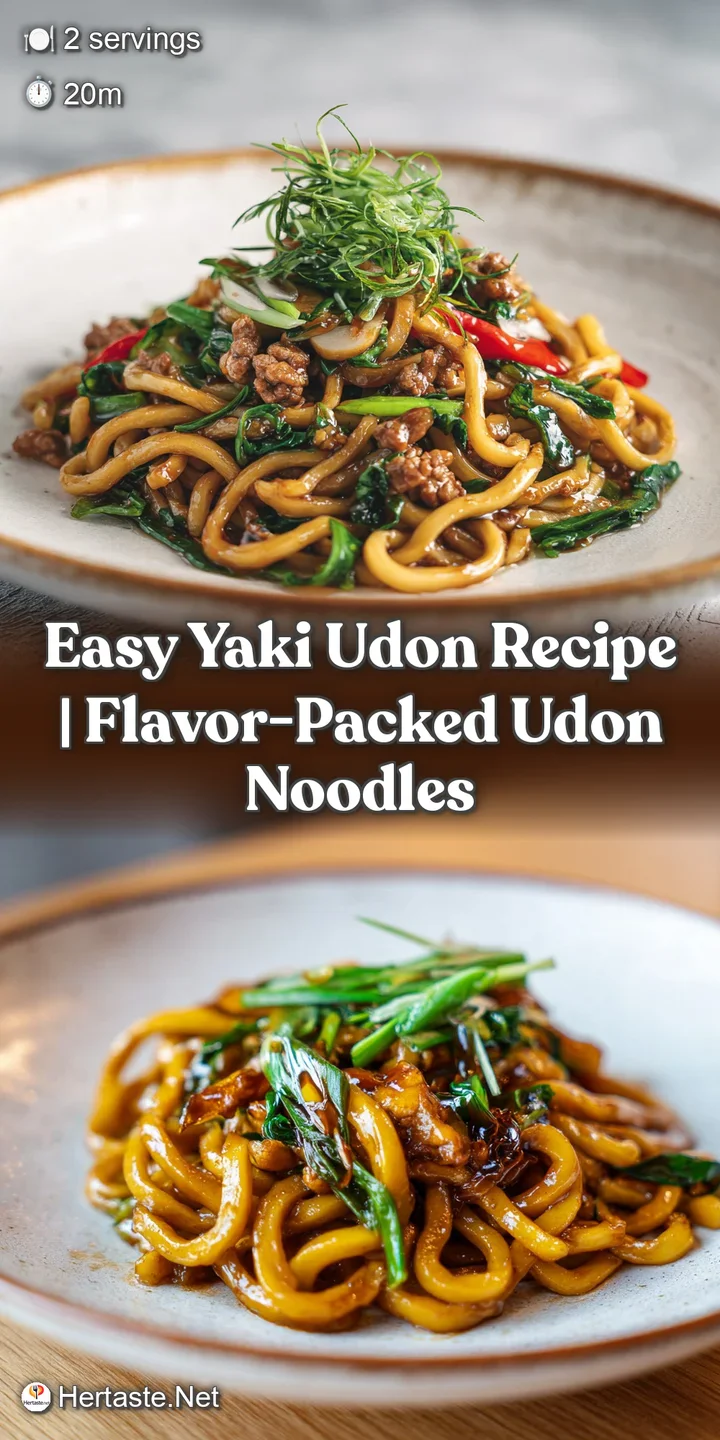
Yaki Udon: Quick Beef and Vegetable Stir Fry
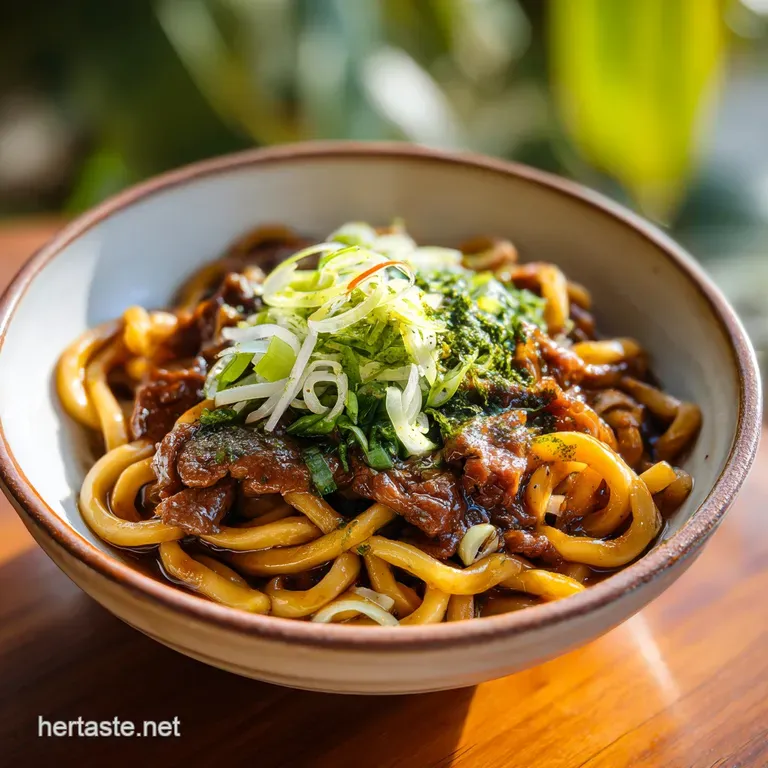
- Time: Active 10 mins, Passive 10 mins, Total 20 mins
- Flavor/Texture Hook: Chewy, bouncy noodles with a savory umami glaze
- Perfect for: Busy weeknight dinners or a quick solo lunch
- Why This Weeknight Meal Works
- Fresh Noodles Versus Frozen Shortcut
- Deep Dive into the Ingredients
- Pantry Staples and Creative Substitutions
- Necessary Gear for Fast Cooking
- Sequential Steps for Perfect Stir Fry
- Solving Common Texture Issues
- Simple Ways to Customize Flavor
- Adjusting the Batch Size
- Stir Fry Myths Debunked
- Keeping Your Leftovers Fresh
- Great Ideas for Serving
- Very High in Sodium
- Recipe FAQs
- 📝 Recipe Card
Why This Weeknight Meal Works
- Starch Retrogradation Control: Using frozen udon instead of dried prevents the noodles from becoming mushy, as the flash freezing process locks in the internal moisture and structure.
- Maillard Reaction Optimization: Searing the beef separately at the start ensures high protein browning without boiling the meat in vegetable juices.
- Emulsified Umami Glaze: Mirin and oyster sauce contain natural sugars and thickeners that cling to the noodle surface, creating a glossy coat rather than a watery pool.
- Aromatic Layering: Adding the green onion batons at the very end preserves their volatile oils, giving the dish a fresh, sharp finish.
| Method | Time | Texture | Best For |
|---|---|---|---|
| Stovetop Wok | 10 mins | Maximum char and smoky "breath" | Authentic flavor enthusiasts |
| Cast Iron Skillet | 12 mins | Even browning and crispy edges | Cooks without specialized gear |
| Electric Griddle | 15 mins | Softer vegetables and uniform heat | Making large batches for families |
The choice of cooking vessel changes the soul of the dish. While a wok is traditional for its ability to toss ingredients through different heat zones, a heavy bottomed skillet works brilliantly for home cooks because it maintains a steady temperature even when you add cold vegetables.
This stability prevents the cabbage from steaming, which is the enemy of a good stir fry.
Regardless of the pan, the goal remains the same: high heat and fast hands. You want to see a bit of smoke rising from the oil before the first ingredient touches the surface. This creates that signature sear that balances the sweet mirin and salty soy sauce perfectly.
Fresh Noodles Versus Frozen Shortcut
| Attribute | Fresh (Refrigerated) | Frozen Udon Bricks |
|---|---|---|
| Texture | Soft and supple | Superior "koshi" (bounce) |
| Shelf Life | 1 to 2 weeks | Up to 6 months |
| Preparation | Needs gentle untangling | 1 minute blanch or steam |
Deep Dive into the Ingredients
| Ingredient | Science Role | Pro Secret |
|---|---|---|
| Frozen Udon | Provides complex carbohydrate structure | Never boil them; just thaw in hot water to keep them chewy |
| Oyster Sauce | Acts as the primary emulsifier and thickener | Look for brands where "oyster extract" is the first or second ingredient |
| Mirin | Adds shine and balances salt with glucose | Use "Hon Mirin" for a deeper, less metallic sweetness |
| Dashi Powder | Injects concentrated glutamates (umami) | Sprinkle it directly onto the noodles for an instant flavor boost |
The balance of these components is what prevents the dish from tasting like a one note salt bomb. The rice vinegar provides just enough acidity to cut through the richness of the beef fat, while the sesame oil acts as an aromatic topper rather than a cooking fat.
Pantry Staples and Creative Substitutions
- 500 g frozen udon noodles: These are non negotiable for the best texture. Why this? They have a superior chew compared to shelf stable or dried versions.
- 200 g beef sirloin: Slice this paper thin across the grain. Why this? Sirloin sears quickly without becoming tough or chewy.
- 2 cups green cabbage: Chop into 1 inch squares for even cooking. Why this? Cabbage provides a structural crunch that contrasts the soft noodles.
- 1 medium carrot: Julienne these into matchsticks. Why this? Thin strips cook at the same rate as the onions and cabbage.
- 4 medium shiitake mushrooms: Fresh or rehydrated both work. Why this? They add a woody, earthy depth that anchors the savory sauce.
- The Sauce Trio: Soy sauce, oyster sauce, and mirin. Why this? This combination creates the classic sticky sweet glaze found in Japanese pubs.
| Original Ingredient | Substitute | Why It Works |
|---|---|---|
| Beef Sirloin | Pork Belly or Chicken Thigh | High fat content keeps the protein succulent. Note: Chicken needs longer cooking. |
| Shiitake Mushrooms | Cremini or Button Mushrooms | Similar texture but slightly less "woodland" flavor profile. |
| Oyster Sauce | Vegetarian Mushroom Sauce | Provides the same viscosity and dark color without the shellfish. |
| Mirin | Sherry with a pinch of sugar | Mimics the fermented sweetness and acidic backnote of rice wine. |
If you are looking to expand your Japanese cooking repertoire after this, you might enjoy trying a Backyard Yakitori Grill recipe for your next gathering. Both dishes rely on that perfect balance of sweet and salty glazes that make this cuisine so addictive.
Necessary Gear for Fast Cooking
You do not need an arsenal of Japanese kitchenware to make an incredible stir fry. In fact, keeping it simple is better because this dish moves fast. I prefer a large, 12 inch stainless steel or cast iron skillet. The wider the surface area, the better your noodles will sear instead of steaming in their own moisture.
A pair of long wooden chopsticks or kitchen tongs is essential for untangling the noodles without snapping them. If you use a metal spatula, you risk cutting the delicate udon into small pieces. Also, have all your ingredients prepped and in small bowls near the stove.
Once the oil is hot, you won't have time to chop a carrot or look for the soy sauce.
Chef Tip: Freeze your beef for 20 minutes before slicing. This firms up the proteins, allowing you to get those restaurant style, paper thin ribbons that cook in under sixty seconds.
Sequential Steps for Perfect Stir Fry
- Prepare the noodles. Place 500 g frozen udon in a bowl of hot (not boiling) water for 1 to 2 minutes. Gently nudge them apart until they separate, then drain immediately. Note: Over soaking makes them mushy.
- Whisk the sauce. Combine 2 tbsp soy sauce, 1 tbsp oyster sauce, 1 tbsp mirin, 1 tsp rice vinegar, 0.5 tsp sesame oil, and 0.5 tsp dashi powder in a small jar.
- Sear the beef. Heat 1 tbsp canola oil in your pan over high heat. Add 200 g sliced beef in a single layer. Cook for 45 seconds until browned and slightly crispy. Remove beef from the pan and set aside.
- Sauté the aromatics. Add the sliced onion and julienned carrot to the same pan. Stir fry for 2 minutes until the onion edges soften.
- Crank the heat. Toss in 2 cups cabbage and 4 sliced shiitake mushrooms. Cook for 1 minute until the cabbage starts to wilt but stays vibrant.
- Add the noodles. Slide the drained udon into the pan. Use your tongs to toss them with the vegetables for 1 minute, letting them pick up the residual heat.
- Deglaze with sauce. Pour the prepared sauce over the noodles. Stir fry for 2 minutes until the liquid reduces and coats everything in a glossy sheen.
- Final integration. Return the beef to the pan along with the green onion batons.
- Flash cook. Toss everything together for 30 seconds until the green onions turn bright and the beef is warmed through.
- Serve immediately. Transfer to warm bowls and top with sesame seeds or pickled ginger if you have them.
Solving Common Texture Issues
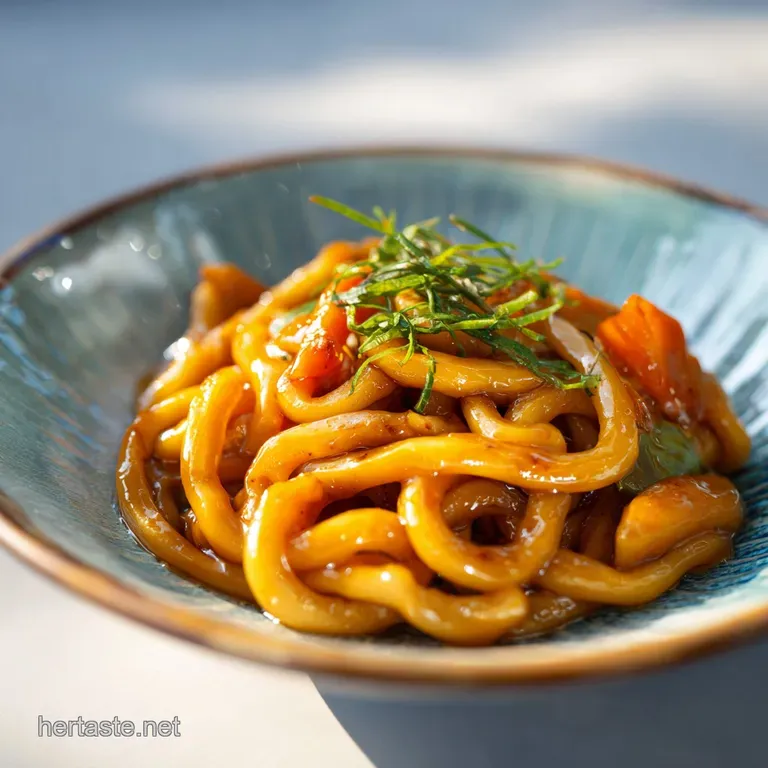
The most common frustration with this dish is ending up with a "wet" stir fry. This usually happens because the pan wasn't hot enough or too many watery vegetables were added at once. If you see liquid pooling at the bottom of the pan, your heat is too low. Crank it up!
The goal is for the sauce to be absorbed and reduced into a glaze, not a soup.
But what about the noodles sticking to the pan? This usually happens with stainless steel if you don't use enough oil or if the noodles are too wet when they hit the pan. Make sure they are well drained. If they do stick, don't panic.
A splash of the sauce will usually act as a deglazer, lifting those flavorful browned bits off the bottom and back onto the noodles.
Why Your Noodles Are Mushy
This is almost always a result of over boiling. Frozen udon is already cooked; you are simply reviving it. If you boil them like dry pasta, they lose their structural integrity and turn into a paste. Stick to the "hot water soak" method for the best results.
Why the Beef is Tough
Beef toughens when it is cooked too long over low heat, causing it to lose its juices. By searing it at the very beginning and removing it, you ensure the interior stays tender while the exterior gets that beautiful Maillard browning.
| Problem | Root Cause | Solution |
|---|---|---|
| Soggy Cabbage | Pan overcrowded/Low heat | Cook in batches or use a larger pan. |
| Bland Flavor | Noodles not drained well | Excess water dilutes the sauce; shake the colander dry. |
| Broken Noodles | Aggressive stirring | Use tongs or chopsticks to gently lift and fold. |
Common Mistakes Checklist
- ✓ Pat the beef dry with a paper towel before searing to ensure a crust.
- ✓ Slice the cabbage into uniform squares so it wilts at the same speed.
- ✓ Ensure the dashi powder is fully dissolved in the sauce mixture.
- ✓ Do not add the sesame oil at the start; its low smoke point will make it bitter.
- ✓ Keep the heat on "High" for the entire duration of the stir fry process.
Simple Ways to Customize Flavor
If you want to take this basic template and make it your own, the possibilities are endless. This is a "clean out the fridge" kind of meal. For a spicy version, I love adding a teaspoon of chili crisp or sambal oelek to the sauce mixture. It adds a slow burn that complements the sweetness of the mirin.
For a seafood twist, swap the beef for shrimp or scallops. Just remember that seafood cooks even faster than beef, so keep an eye on it to avoid a rubbery texture. If you're looking for a vegetarian version, extra firm tofu or even thick slices of king oyster mushrooms provide a fantastic meaty texture without the protein. If you find yourself making your own sauces often, you might want to try this Homemade Teriyaki Sauce recipe as a base for future stir fries.
The Meat Free Version
To make this vegetarian, replace the oyster sauce with mushroom stir fry sauce and use vegetable dashi or a pinch of MSG for that hit of umami. Double up on the shiitake mushrooms and add some bok choy for extra greens.
The Spicy Kick
Add 1 tsp of gochugaru (Korean chili flakes) or a drizzle of sriracha at the very end. The heat pairs beautifully with the vinegar in the sauce, creating a flavor profile similar to some Szechuan noodle dishes.
Adjusting the Batch Size
Downsizing for One If you are cooking for one, you can easily halve the recipe. However, keep the pan size large! Halving the ingredients in a large pan actually makes for a better stir fry because there is more room for moisture to evaporate, resulting in better char.
Use a small egg or just half the beef.
Scaling Up for a Crowd When doubling the recipe to serve four, do not just throw everything into the pan at once. Your home burner likely cannot generate enough heat to keep a massive pile of cold vegetables and noodles at a searing temperature.
Instead, cook the beef and vegetables in two separate batches, then combine everything at the very end when adding the sauce.
Stir Fry Myths Debunked
Many people believe that you must use a wok for authentic Asian stir fry. While a wok is a fantastic tool, the "breath of the wok" (Wok Hei) is difficult to achieve on a standard electric home stove.
A flat bottomed heavy skillet actually provides better contact with the heating element, often resulting in a superior sear for home cooks.
Another myth is that you need to rinse the starch off the noodles after soaking. In this recipe, that tiny bit of residual starch actually helps the sauce emulsify and cling to the udon. If you rinse them too thoroughly, the sauce might slip right off and pool at the bottom of your bowl.
Keeping Your Leftovers Fresh
- Storage: Store any leftovers in an airtight container in the fridge for up to 3 days. The noodles will continue to absorb the sauce, becoming even more flavorful, though slightly softer.
- Reheating: Avoid the microwave if possible, as it can make the beef rubbery. Instead, toss the noodles back into a hot pan with a splash of water or extra soy sauce for 2 minutes to revive the texture.
- Zero Waste: Don't throw away the broccoli stalks or kale ribs in your fridge. Slice them thin and toss them in with the carrots! The sauce is forgiving enough to make almost any vegetable taste incredible.
Great Ideas for Serving
This is a complete meal on its own, but if you want to turn it into a feast, serve it alongside some crispy gyoza or a simple miso soup. I personally love topping mine with a generous handful of katsuobushi (bonito flakes).
The heat from the noodles makes the flakes "dance," which is always a hit if you're serving guests.
For a refreshing contrast, a side of sunomono (cucumber salad) cuts through the salty sweet glaze of the Yaki Udon perfectly. If you are in the mood for more skewered treats, you could also serve this alongside a Sumptuous Yakitori Chicken Recipe for a full "Izakaya" (Japanese pub) experience at home. Just make sure you have plenty of cold tea or a crisp lager nearby to wash it all down.
Very High in Sodium
1480 mg 1480 mg of sodium per serving (64% 64% of daily value)
The American Heart Association recommends limiting sodium intake to about 2,300mg per day for overall cardiovascular health.
Tips to Reduce Sodium in Your Udon Noodle Stir Fry
-
Lower Sodium Soy Sauce-20%
Replace regular soy sauce with a lower sodium or reduced sodium version. This simple swap can significantly reduce the overall sodium content without sacrificing too much flavor.
-
Reduce Oyster Sauce-15%
Oyster sauce is a significant source of sodium. Reduce the amount used by half (to 0.5 tbsp) or replace it with a homemade substitute using low-sodium soy sauce and a touch of cornstarch for thickening.
-
Skip the Dashi Powder-10%
Dashi powder adds umami flavor but also contributes to sodium intake. Omit it entirely, or look for a very low-sodium dashi powder alternative, and enhance flavor with fresh ginger or garlic.
-
Unprocessed Beef-10%
Ensure the beef sirloin is fresh and unprocessed, without any added sodium or marinades. Choose cuts labeled 'no added salt'.
-
Fresh Flavor Boost
Enhance the dish's flavor with sodium free herbs and spices. Consider adding ginger, garlic, red pepper flakes, or a squeeze of lemon or lime juice for a zesty kick instead of salt.
Recipe FAQs
What exactly is yaki udon?
Yaki Udon is stir fried udon noodles. It involves quickly searing thick, chewy udon noodles with vegetables, protein, and a savory sweet umami sauce, often using high heat in a wok or large skillet.
What's better, yaki soba or yaki udon?
It depends entirely on your desired texture. Yaki Udon uses thick, bouncy noodles, offering a satisfying chew, whereas Yaki Soba uses thinner, springier noodles, resulting in a slightly lighter dish.
Is yaki udon healthy to eat?
It can be, but depends on preparation. If you load it with lean protein and vegetables while controlling the amount of sugar in the sauce, it serves as a balanced meal featuring complex carbohydrates.
What to put in yaki udon?
Start with cabbage, carrots, onions, and your choice of protein. For the classic flavor profile, use a sauce made from soy sauce, oyster sauce, and mirin to achieve that signature glaze.
How do I stop the udon noodles from breaking when I toss them?
Use tongs or chopsticks instead of a spatula to lift and fold gently. Overworking the noodles causes them to snap; think of the motion as carefully turning them over rather than vigorous stirring.
Can I use dried udon noodles instead of the recommended frozen ones?
No, using frozen udon provides superior texture. Dried noodles require boiling longer and often become too soft, whereas flash frozen bricks maintain the necessary firmness and superior "koshi" (bounce) when stir fried.
Why is my final dish watery instead of glazed?
Your pan heat was likely too low, causing steaming instead of searing. To fix this, always ensure your pan is screaming hot before adding ingredients, allowing the sauce to reduce quickly into a thick coating. If you enjoyed mastering this high heat wok technique, see how the same principle works in our Teriyaki Chicken Rice recipe.
Quick Yaki Udon Noodles
Ingredients:
Instructions:
Nutrition Facts:
| Calories | 718 calories |
|---|---|
| Protein | 31.2 g |
| Fat | 24.5 g |
| Carbs | 88.4 g |
| Fiber | 5.1 g |
| Sugar | 8.8 g |
| Sodium | 1480 mg |
