Red Curry Recipe: Velvety and Heat Forward
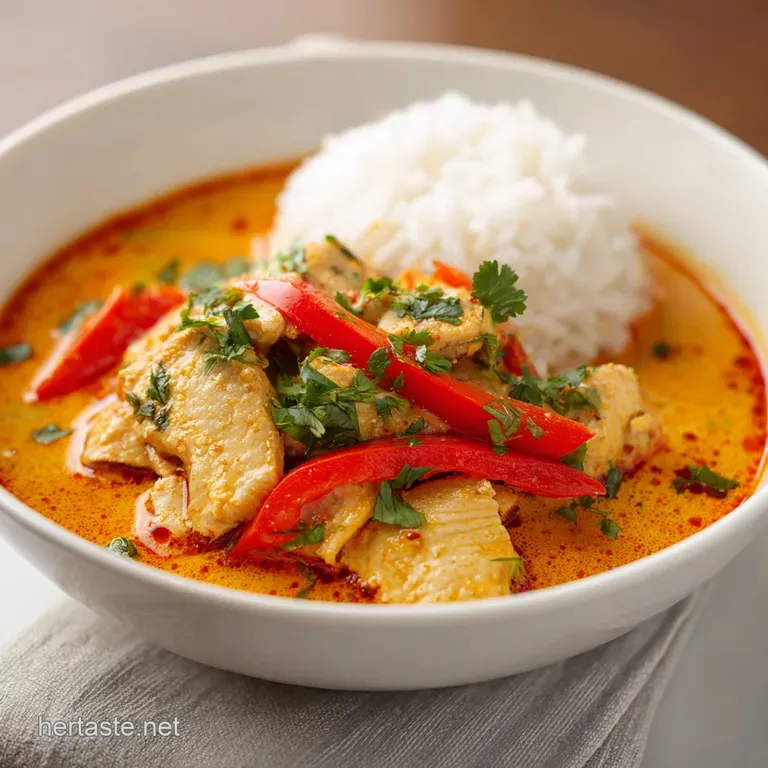
- Time: Active 10 minutes, Passive 15 minutes, Total 25 minutes
- Flavor/Texture Hook: Zesty, velvety, and heat forward
- Perfect for: Busy weeknight dinners and meal prep
- Mastering Your Next Red Curry Recipe
- Essential Science for Silkier Sauces
- Component Analysis for Better Results
- Choosing Quality Ingredients and Swaps
- Essential Tools for Efficient Cooking
- Step-by-Step Cooking and Flow
- Fixes for Common Curry Mistakes
- Tasty Variations and Diet Swaps
- Scaling for Large Groups or Couples
- Kitchen Myths Debunked
- Storing and Reheating Your Leftovers
- Best Sides for Your Meal
- High in Sodium
- Recipe FAQs
- 📝 Recipe Card
Mastering Your Next Red Curry Recipe
The second that red curry paste hits the hot coconut oil, your kitchen transforms. There’s this sharp, spicy sizzle that jumps out of the pan, followed by the punchy aroma of lemongrass and dried chilies that honestly makes my eyes water in the best way possible.
It’s that specific scent that tells you dinner is going to be vibrant rather than dull. I remember the first time I tried making this; I just dumped everything in a pot at once and wondered why it tasted flat.
I’ve learned since then that the "secret" isn't a secret at all it’s just about how you treat the paste before the liquid arrives.
We’re going for a texture that’s silky and a heat level that stays right on the edge of comfortable. This isn't one of those stews that needs to bubble away for hours on the stove. In fact, if you overcook it, the chicken turns into rubber and the bell peppers lose that snap we love.
This red curry recipe is all about speed and timing. By the time your rice is fluffy and steaming, the curry should be hitting the bowls. It’s a fast paced cooking flow that feels energetic and rewarding, especially when you see that gorgeous orange oil start to separate on the surface of the sauce.
Essential Science for Silkier Sauces
Understanding the physics of your ingredients helps you avoid the common trap of a broken or bland sauce. When we talk about a red curry recipe, we are essentially managing a complex emulsion of fat, water, and aromatics.
- Fat Soluble Extraction: Many compounds in chili and galangal only release their flavor when heated in oil. Frying the paste first ensures these flavors permeate the entire dish rather than floating on top.
- Emulsion Stability: Full fat coconut milk contains natural emulsifiers. Keeping the heat at a steady simmer prevents the proteins from tightening and "breaking" the sauce into a greasy mess.
- Maillard Reaction Control: Searing the chicken quickly at the start creates a flavor base, but we stop before it dries out, allowing carryover heat to finish the job in the liquid.
- Capscacin Distribution: The heat from the peppers is dispersed through the fat in the coconut milk, which coats your palate and allows you to taste the spices without immediate burning.
| Thickness | Internal Temp | Rest Time | Visual Cue |
|---|---|---|---|
| 1/4 inch strips | 165°F | 2 minutes | Opaque and bouncy |
| 1/2 inch cubes | 165°F | 3 minutes | No pink in center |
| 1 inch chunks | 165°F | 5 minutes | Firm to the touch |
Choosing the right cut and size for your protein ensures that everything finishes at the exact same moment. If you're looking for a different profile, you might enjoy the techniques used in my Homemade Chicken Tikka recipe, which also relies heavily on blooming spices in fat for that deep, layered flavor.
Component Analysis for Better Results
Selecting the right components is the difference between a "good" meal and one that people ask for seconds of. You want ingredients that hold their own against the heavy creaminess of the coconut.
| Ingredient | Science Role | Pro Secret |
|---|---|---|
| Red Curry Paste | Flavor Base | Bloom in oil until the "raw" smell vanishes. |
| Full fat Coconut Milk | Emulsifier | Never use "lite" versions; the fat carries the spice. |
| Fish Sauce | Umami Anchor | Adds salt and depth without tasting "fishy" once cooked. |
| Palm Sugar | Flavor Balancer | Rounds out the sharp heat with a caramel like finish. |
Each part of this red curry recipe plays a specific part in the final balance. For instance, the kaffir lime leaves aren't just for show; they provide a high frequency citrus note that cuts right through the richness.
Choosing Quality Ingredients and Swaps
For this recipe, we are using 4 tbsp red curry paste and 28 oz full fat coconut milk to create that signature base. You'll also need 2 tbsp coconut oil for the initial fry. The bulk of the dish comes from 1.5 lbs chicken breast, thinly sliced, which we’ll pair with 1 cup canned bamboo shoots (rinsed well), 1 red bell pepper (thinly sliced), and 0.5 cup frozen peas for a pop of color.
To season, we use 2 tbsp fish sauce and 1.5 tbsp palm sugar. The aromatics are rounded out by 5 kaffir lime leaves (torn to release oils), 0.5 cup fresh Thai basil leaves, and 1 tbsp fresh lime juice added at the very end.
- Chicken Breast: Swap for chicken thighs for a juicier, more forgiving texture. Why this? Thighs have more fat and won't dry out as quickly.
- Fish Sauce: Use soy sauce or tamari for a vegetarian friendly version. Why this? Provides the necessary salt and fermented depth.
- Palm Sugar: Brown sugar works in a pinch if you can't find palm sugar. Why this? Maintains the molasses like sweetness required for balance.
- Kaffir Lime Leaves: Use 1 tsp lime zest if these are unavailable. Why this? Replicates the bright, floral citrus aroma.
- Thai Basil: Italian basil is a decent substitute, though it's less peppery. Why this? Adds a necessary herbal freshness to the finish.
Essential Tools for Efficient Cooking
You don't need a pantry full of gadgets, but a few specific tools make this flow much smoother. A heavy bottomed wok or a deep cast iron skillet is my go to. You want something that retains heat well because when that 28 oz of coconut milk hits the pan, you don't want the temperature to plummet.
A sharp chef’s knife is non negotiable for getting those 1.5 lbs of chicken breast into consistent, thin slices. If the pieces are uneven, some will be dry while others are undercooked.
I also recommend having a few small bowls ready for your "mise en place." Since this is a 15 minute cook, you do not want to be peeling lime leaves while the paste is burning in the pan.
step-by-step Cooking and Flow
- Prep the chicken. Slice the 1.5 lbs chicken breast into thin, bite sized strips against the grain. Note: This ensures the protein stays tender rather than stringy.
- Bloom the aromatics. Heat 2 tbsp coconut oil in your wok over medium high heat until it begins to shimmer. Add 4 tbsp red curry paste and stir fry for 2 minutes until the oil turns red and smells toasted.
- Sear the protein. Toss the chicken into the paste. Cook for 3 minutes until the edges are opaque and coated in spice.
- Incorporate the liquids. Pour in 28 oz full fat coconut milk and stir well to dissolve the paste. Bring to a gentle simmer.
- Add the vegetables. Fold in 1 cup canned bamboo shoots and 1 red bell pepper. Simmer for 5 minutes until the pepper is tender crisp.
- Season the base. Stir in 2 tbsp fish sauce and 1.5 tbsp palm sugar. Note: Taste the sauce here; it should be a balance of salty, sweet, and spicy.
- Infuse the citrus. Drop in the 5 torn kaffir lime leaves. Let them steep in the bubbling liquid for 2 minutes.
- Finish with greens. Stir in 0.5 cup frozen peas and 0.5 cup fresh Thai basil. Cook for 1 minute until the basil wilts and turns bright green.
- Brighten the flavor. Remove from heat and stir in 1 tbsp fresh lime juice.
- Serve immediately. Ladle the curry over jasmine rice while the sauce is still velvety and hot.
If you find yourself with leftover chicken from another night, you can actually use a similar simmering technique as found in my Meat Sauce Recipe, though the flavor profiles are worlds apart, the focus on a high-quality liquid base is the same.
Fixes for Common Curry Mistakes
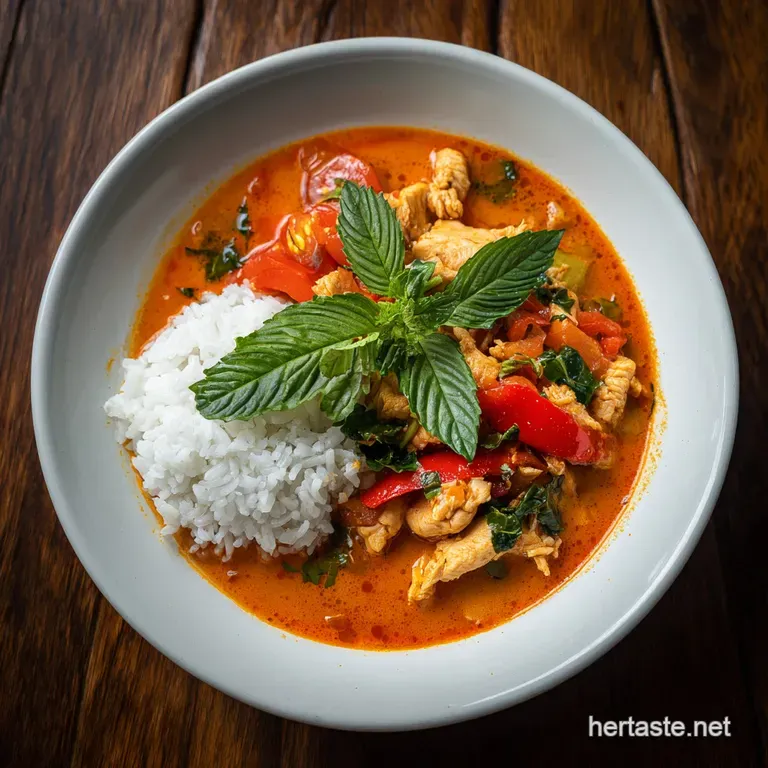
One of the most frustrating things is ending up with a sauce that feels "thin" or "watery." This usually happens if you use low-fat coconut milk or if you don't let the sauce simmer long enough to reduce slightly.
Why the Sauce Separates
If you see beads of oil on top, don't panic. In traditional cooking, this is actually a sign of a well cooked curry. However, if the sauce looks curdled, the heat was likely too high. To fix this, whisk in a splash of room temperature coconut milk and turn the heat down immediately.
Why the Heat is Overwhelming
Sometimes a brand of paste is much spicier than expected. If your mouth is on fire, add another teaspoon of palm sugar and a squeeze of lime. The sugar and acid work together to neutralize the capsaicin, making it much more palatable.
| Problem | Root Cause | Solution |
|---|---|---|
| Thin sauce | Excessive moisture in veggies | Simmer uncovered for 3-5 extra minutes. |
| Bland flavor | Lack of salt/umami | Add fish sauce 1/2 tsp at a time. |
| Tough chicken | Overcooking at high heat | Reduce heat once liquid is added. |
Common Mistakes Checklist
- ✓ Pat the chicken dry before slicing to ensure the paste sticks to the meat.
- ✓ Don't skip "blooming" the paste in oil; it’s the foundation of the flavor.
- ✓ Use full fat coconut milk for the correct creamy mouthfeel.
- ✓ Add the lime juice only after removing from heat to keep the flavor bright.
- ✓ Tear the lime leaves instead of cutting them to release more aromatic oils.
Tasty Variations and Diet Swaps
If you want a vegetarian red curry recipe, it’s incredibly simple to adapt. Swap the chicken for extra firm tofu or chickpeas and use a vegan certified red curry paste (some contain shrimp paste). Use soy sauce instead of fish sauce to maintain that salty, fermented depth.
For those who prefer a Thai red curry chicken recipe with a bit more richness, try using boneless, skinless chicken thighs. They can withstand a longer simmer without becoming dry. You can also turn this into a shrimp red curry recipe by adding large de veined shrimp in the last 3 minutes of cooking. If you're feeling adventurous and have leftovers, you could even try incorporating these flavors into a How to Bake recipe for a fusion pot pie.
Scaling for Large Groups or Couples
When you need to cook for a crowd, doubling this recipe is straightforward, but you have to be careful with the liquids. If you double the chicken and veggies, only increase the coconut milk by 1.5 times to keep the sauce from becoming a soup.
For a smaller portion (halving the recipe), use a smaller pan. A large wok will cause the coconut milk to evaporate too quickly, leaving you with a dry curry. If you are halving the recipe and only using half an egg for a side dish, beat it first then measure out half.
| Method | Time | Texture | Best For |
|---|---|---|---|
| Stovetop Wok | 15 minutes | Vibrant/Crisp | Quick weeknights |
| Slow Cooker | 4 hours (Low) | Deep/Mellow | Set and forget |
| Instant Pot | 5 minutes (High) | Very Tender | Batch prepping |
Kitchen Myths Debunked
Many people believe that you should never let coconut milk boil. This isn't strictly true. While a violent boil can cause the emulsion to break, a steady simmer is actually necessary to thicken the sauce and meld the flavors.
Another common myth is that all red curry pastes are created equal. In reality, the salt and heat levels vary wildly between brands. Always start with a little less than the recipe calls for if you're trying a new brand, then build up.
Searing the meat doesn't "seal in juices" either; it's all about the Maillard reaction providing a savory crust that seasons the gravy.
Storing and Reheating Your Leftovers
This red curry recipe actually tastes better the next day as the aromatics have more time to penetrate the chicken. Keep it in an airtight container in the fridge for up to 3 days. When reheating, do it gently on the stovetop over low heat. If you use a microwave, the chicken can become rubbery quite fast.
For freezing, this dish lasts about 2 months. However, be aware that the coconut milk might separate slightly once thawed. A quick whisk while reheating usually brings it back together.
Zero Waste Tip: If you have leftover sauce but no meat, use it as a poaching liquid for white fish or even drizzle it over roasted cauliflower for a quick side.
Best Sides for Your Meal
While jasmine rice is the classic partner for this dish, you can also serve it over rice noodles for a different texture. If you want to keep things light, cauliflower rice works surprisingly well because it soaks up the spicy coconut milk beautifully.
A simple cucumber salad with rice vinegar and sesame oil provides a cooling contrast to the heat of the curry. If you have extra lime leaves, you can even steep them in your rice cooking water for a more cohesive aromatic experience across the entire plate.
High in Sodium
1085 mg mg of sodium per serving (47% % of daily value)
The American Heart Association recommends limiting sodium intake to no more than 2,300mg per day for most adults. Ideally, aim for 1,500mg per day for even greater heart health benefits.
Sodium Reduction Tips for Your Red Curry
-
Reduce Fish Sauce-20%
Fish sauce is a significant source of sodium. Reduce the amount from 2 tbsp to 1 tbsp, or substitute with low-sodium soy sauce, carefully adding more to taste. You could also try using a combination of lime juice and a tiny pinch of salt.
-
Fresher Bamboo Shoots-15%
Canned bamboo shoots contribute to the sodium content. Use fresh or frozen bamboo shoots instead, if available. If using canned, rinse very thoroughly under running water for several minutes to remove excess sodium.
-
Low-Sodium Curry Paste-15%
Red curry paste can be high in sodium. Look for a low-sodium version, or consider making your own from scratch using fresh herbs and spices to control the sodium levels. Be mindful of the salt content if making your own.
-
Enhance with Herbs
Instead of relying on salt, use fresh herbs and spices like ginger, garlic, lemongrass, and chili to boost the flavor of your red curry naturally. Experiment with different combinations to find what you like best.
Recipe FAQs
What ingredients go in a red Thai curry?
Red curry paste, full fat coconut milk, fish sauce, palm sugar, and aromatics. You'll typically use protein like chicken, along with sliced vegetables such as bell peppers and bamboo shoots. Don't forget the fresh Thai basil and kaffir lime leaves for essential aroma.
What is the secret to Thai red curry?
Blooming the red curry paste in hot oil until the raw smell dissipates. This high heat step, called frying the paste, is crucial because it extracts the fat-soluble flavors locked within the chilies and spices, creating a vibrant color and deep flavor base.
What is the secret to good Thai curry?
Achieving balance between salty, sweet, sour, and spicy notes. Once the paste is bloomed, ensure you taste and adjust the seasoning with fish sauce (salt/umami) and palm sugar (sweet) before adding the final burst of lime juice (sour).
Is Thai red coconut curry healthy?
It can be, depending on portion control and milk choice. While it is rich in flavor thanks to the full fat coconut milk, it’s packed with fresh herbs and vegetables. If you're concerned about fat, swap half the coconut milk for homemade Meat Stock recipe, which reduces richness without losing too much body.
How do I keep the chicken tender in my red curry?
Slice the chicken thinly against the grain and only cook it briefly in two stages. Sear it quickly in the paste, then let it finish cooking gently after adding the coconut milk, using the residual heat of the simmering sauce.
Can I use heavy cream instead of coconut milk?
No, you should stick to full fat coconut milk for authentic results. Cream lacks the unique fat structure and subtle flavor profile that defines Thai curries; the coconut fat is essential for carrying the spice oils correctly.
How do I make a vegetarian red curry?
Substitute protein with chickpeas or extra firm tofu and swap fish sauce for soy sauce or tamari. Ensure your red curry paste is shrimp free, which is common for many supermarket brands, providing a delicious, plant based version.
Quick Red Curry Recipe
Ingredients:
Instructions:
Nutrition Facts:
| Calories | 772 kcal |
|---|---|
| Protein | 59.6 g |
| Fat | 55.2 g |
| Carbs | 14.1 g |
| Fiber | 3.4 g |
| Sugar | 6.8 g |
| Sodium | 1085 mg |
