Homemade Baked Beans the Ultimate Slowcooked Recipe with Bacon
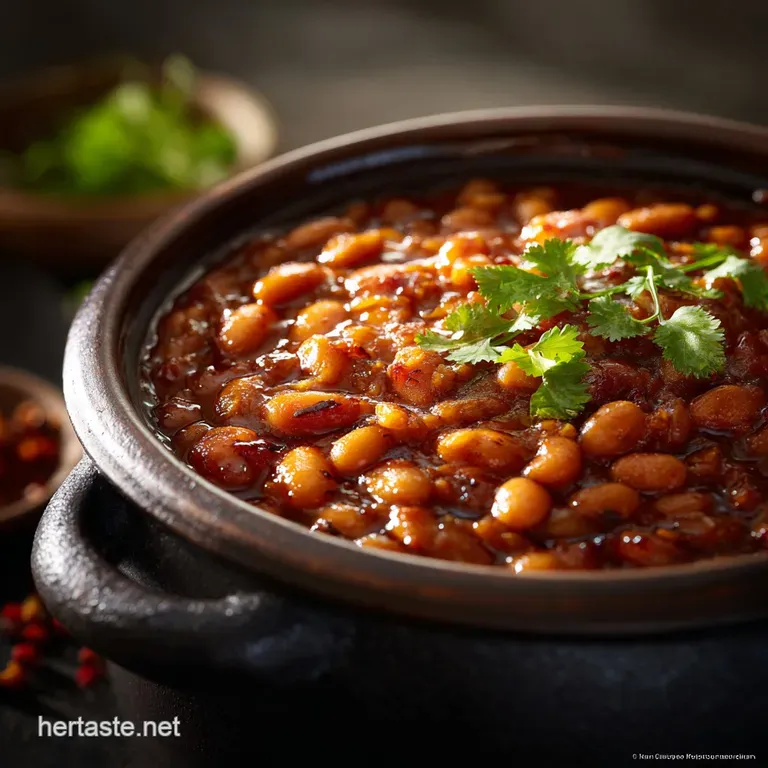
- Reclaiming the Classic: The Ultimate Homemade Baked Beans
- Why Tinned Beans Can’t Compare to Proper Slow Cooking
- Essential Components for Authentic Baked Beans Flavour and Texture
- Mastering the Slow Simmer: Step and by-Step Baked Bean Cooking
- Customizing Your Pot: Delicious Variations of Homemade Baked Beans
- Frequently Asked Questions and Storage Guide
- Recipe FAQs
- 📝 Recipe Card
Reclaiming the Classic: The Ultimate Homemade Baked Beans
Okay, we need to talk about baked beans. I know, I know. You grew up on the stuff from a can, poured over toast after a late night. I did too. And let's be honest, those beans are fine. They’re a convenient vessel for sugar and high and fructose corn syrup, but they are not baked beans.
If you’ve ever had true, slow and cooked baked beans the kind that are dark, sticky, savoury, and taste deeply of smoke and molasses you know the difference. It’s like comparing instant coffee to a meticulously pulled espresso shot. It takes patience. A lot of patience, actually.
But the result is unbelievably comforting. This recipe is for the real deal. Right then. Let’s crack on.
Why Tinned Beans Can’t Compare to Proper Slow Cooking
The biggest lie the canned industry ever told us is that beans should be soupy. They shouldn’t! They should be thick. They should cling to your fork like they mean it. And the flavour? Canned beans taste primarily of processed tomato puree and granulated sugar.
Homemade baked beans are a study in complexity, leveraging sweet, savoury, acidic, and smoky notes all at once.
British Comfort Meets American Depth: Defining Our Flavour Profile
This recipe is a bit of a hybrid. British beans tend to be slightly tangier and rely heavily on tomato and vinegar. American BBQ and style beans lean heavily into molasses, brown sugar, and usually some form of pork or bacon for that deep, smoky base. We’re taking the best of both worlds.
We want that sticky, dark sweetness from the molasses (that’s the American depth) but we’re cutting through the richness with a good hit of cider vinegar and mustard (that’s the essential British tang). Without that acid, it all just tastes flat and heavy.
Achieving the Perfect Sticky, Savoury and Sweet Consistency
The magic consistency happens in the oven. You don't just cook the beans in the sauce; you bake them, slowly, allowing the starches released by the beans, combined with the sugars and reduced liquid, to become a thick, glossy lacquer.
Crucial Tip: If your finished sauce looks thin or watery, you didn't bake it long enough uncovered. Don't panic. Just pop it back in the oven, stir well, and give it another 30 minutes with the lid off. Patience is the secret thickener here.
What Defines 'Proper' Slow and Cooked Beans?
It’s the texture, absolutely. We need beans that are fully tender creamy, even but still hold their shape. The mistake I made early on was trying to skip the initial stovetop simmer, thinking the long, slow bake would soften them enough. Nope.
If you put hard, dry beans straight into a sugary, acidic sauce, the bean skins seize up. They turn tough, taking forever to cook, and you end up with a mix of mushy and chewy bits. We par and cook them first in water, then we introduce them to the glorious sauce.
Essential Components for Authentic Baked Beans Flavour and Texture
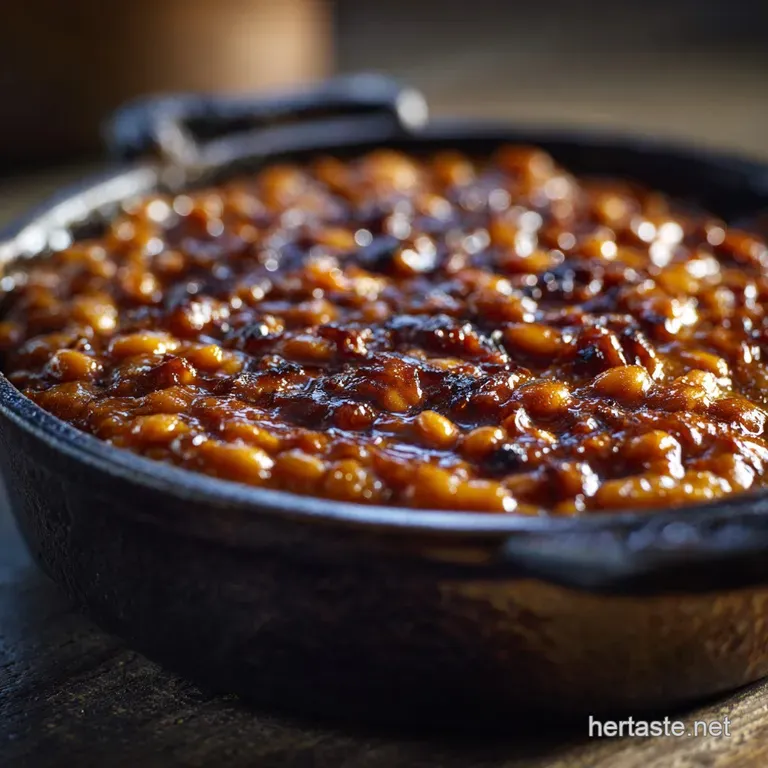
Getting the right ingredients matters more here than in most recipes, mainly because we're relying on such a long cook time to intensify them. Skimping on the flavour base means hours of wasted effort.
Selecting the Best Dried Haricot Beans (or Navy Beans)
You absolutely, positively need Navy beans (which are also called Haricot beans, especially in the UK). They are small, cook down consistently, and have a wonderfully creamy interior when slow cooked. Do not try this with kidney beans or pinto beans; their size and skin texture are all wrong.
The goal is creamy absorption, and the Navy bean is built for it.
The Role of Molasses, Mustard, and Salt Pork in the Sauce Base
Molasses (or black treacle, if you can find it) is non and negotiable. It brings that deep, almost burnt sugar flavour that brown sugar alone can’t touch. And the fat... Salt pork or, more commonly, a good piece of smoked streaky bacon is the foundation.
The rendered fat carries the smoke flavour throughout the whole pot, and without it, the dish tastes flat and sad. The Dijon mustard and vinegar? They aren't just for flavour; they balance the overwhelming sweetness of the molasses. They keep the dish tasting savoury, not dessert and like.
Ingredient Preparation: Why Soaking is Non and Negotiable
Look, I know the Instant Pot generation tells you soaking is optional. For quick weeknight chilli, maybe. For proper baked beans, it is mandatory. Soaking shortens the overall cook time (which, trust me, you need), reduces any unmentionable side effects, and ensures the beans cook evenly when they finally hit that long, slow oven cycle.
Soak them overnight. It's truly minimal effort for maximum payoff.
Necessary Kitchen Tools: Dutch Oven vs. Slow Cooker Setup
If you have a Dutch oven (a heavy, cast and iron pot with a lid), use it. It is the king of slow, even cooking. It holds heat beautifully, minimizing temperature fluctuations, and it can go straight from the stovetop (for rendering the bacon) to the oven (for the slow bake). Can you use a Crock Pot?
Yes, but you'll lose some of the gorgeous thickening and caramelization that happens when the surface is exposed to dry heat in the oven. For this recipe, I always lean Dutch oven.
Related Recipes Worth Trying
- Copycat FiletOFish The Best Homemade Fish Fillet Sandwich Recipe — Master the ultimate Copycat FiletOFish with our upgraded recipe Achieve flaky fish an ultracrispy coating and tangy homemade tartar sauce This Filet O Fish...
- Homemade Spice Mixes 3 Essential DIY Blends for Maximum Flavor — Homemade Spice Mixes ensure maximum flavor and quality control Master three essential Homemade Seasoning Recipes including Everyday Rub and Fiesta Fajita...
- Baked Cheesy Bacon Ranch Chicken The Creamy OnePan Midweek Dinner — This Baked Cheesy Bacon Ranch Chicken is the ultimate lowfuss dinner It transforms simple chicken into a rich creamy Ranch Chicken Bake using just one pan...
Mastering the Slow Simmer: Step and by-Step Baked Bean Cooking
We break this down into stages. Don’t rush the early phases. That’s where the flavour gets locked in.
Phase 1: Building the Aromatic Base and Rendering the Bacon Fat
This is the key to depth. Dice your bacon small. Cook it low and slow until that fat is fully rendered and the bacon pieces are crispy. Take the bacon out we’ll use those crispy bits for garnish later but keep the fat!
Sautéing the onion and garlic in that smoky, salty fat is where the base flavour starts to sing. Once the onions are soft, hit the pan with a splash of cider vinegar. That steam loosens any browned bits (called fond) stuck to the bottom of the pan, adding another layer of deep, rich flavour.
Phase 2: Combining Ingredients and Initial Simmering
Whisk your sauce ingredients in a separate bowl. Get all that sticky molasses and brown sugar incorporated before you introduce it to the hot pot. Now, pour that mix over your aromatics, add the reserved bean cooking liquid, and bring it all to a low simmer.
Folding the par and cooked beans in at this stage allows them to immediately start absorbing flavour. Make sure those beans are swimming, but don't drown them.
Phase 3: The Low and Slow Oven Baking Process
Preheat the oven to 150°C (300°F). Low heat is everything here. We want a gentle, almost undetectable bubble, not a furious boil. Place the covered Dutch oven in the oven for about three hours. This long, moist cook ensures the beans become perfectly tender without drying out.
Phase 4: Achieving Thickness and Final Flavour Adjustments
After the initial three hours, take the lid off. Give it a gentle stir. If it seems too soupy, leave the lid off entirely for the final 1- 2 hours. If it looks dry, add a splash of hot stock.
Finishing the bake uncovered is what concentrates the sauce, thickens it to that sticky consistency we love, and gives the beans that lovely, deep mahogany colour.
When the beans are fully tender, pull them out. Now is the time to salt. I always stress this: taste the beans before salting. Molasses is complex, bacon is salty, and the reduction concentrates flavour, so you might need less salt than you think.
Finish with a grinding of fresh pepper, let it rest, and garnish with those reserved crispy bacon bits.
Customizing Your Pot: Delicious Variations of Homemade Baked Beans
Once you nail the basic technique, you can absolutely play around with the secondary flavours.
- The Southern BBQ Pot: Swap half the molasses for maple syrup and add a generous dash of liquid smoke. Use bourbon instead of cider vinegar for the deglazing step.
- The Spicy Kick: Add two chopped jalapeños (or one deseeded habanero, if you’re brave) along with the onion. Finish the beans with a swirl of hot sauce, like Cholula, just before serving.
- A Hint of Curry: Try stirring in 1 teaspoon of medium curry powder along with the smoked paprika during the sauté phase. It adds an earthy, unexpected warmth that pairs beautifully with the sweet molasses.
Frequently Asked Questions and Storage Guide
Make It Vegetarian: Swapping Out the Salt Pork
It is totally doable. Omit the bacon/salt pork. Instead, use 1/4 cup of olive oil or butter for sautéing the onions. The main thing you lose is the smoke flavour, so to compensate, add 1 teaspoon of liquid smoke (available next to the BBQ sauces in most stores) along with the stock, and make sure you use that smoked paprika.
Replace the Worcestershire sauce with a vegan alternative or tamari.
Tangy vs. Sweet: Adjusting the Vinegar and Sugar Balance
Everyone likes their beans a little differently. If you prefer them less sweet or more tangy, here’s a quick guide to adjusting the flavour profile at the end of the cook:
| Adjustment Goal | What to Add (And When) |
|---|---|
| Too Sweet / Need Tang | 1 2 teaspoons Cider Vinegar (added at the end) |
| Too Tangy / Need Sweetness | 1 tablespoon Maple Syrup or Brown Sugar (whisked in during the last 30 min) |
| Need More Depth / Umami | 1 teaspoon Soy Sauce or Miso Paste (added at the end) |
Freezing and Reheating Instructions for Large Batches
Baked beans freeze incredibly well. Cool them completely in the fridge first. Then, transfer them to airtight, freezer and safe containers, leaving about an inch of headspace because the liquid will expand. They will keep for up to 3 months.
To reheat, thaw overnight in the fridge and warm gently in a pot on the stovetop over low heat, stirring frequently. Add a splash of stock or water if they seem too thick, as freezing sometimes draws out moisture.
Can I Use a Pressure Cooker or Instant Pot for the Initial Cook?
Yes, for the initial par and cooking (Step 1), an Instant Pot is a great time saver. Soak the beans first, then pressure cook them for about 10– 12 minutes with a natural pressure release. This gets them to that essential al dente stage quickly.
However, I still strongly recommend transferring the sauce and covered beans to the oven or a slow cooker for the remaining 4– 6 hours of low and slow simmering. That long, evaporative cooking time is truly irreplaceable for achieving that sticky, baked and on texture.
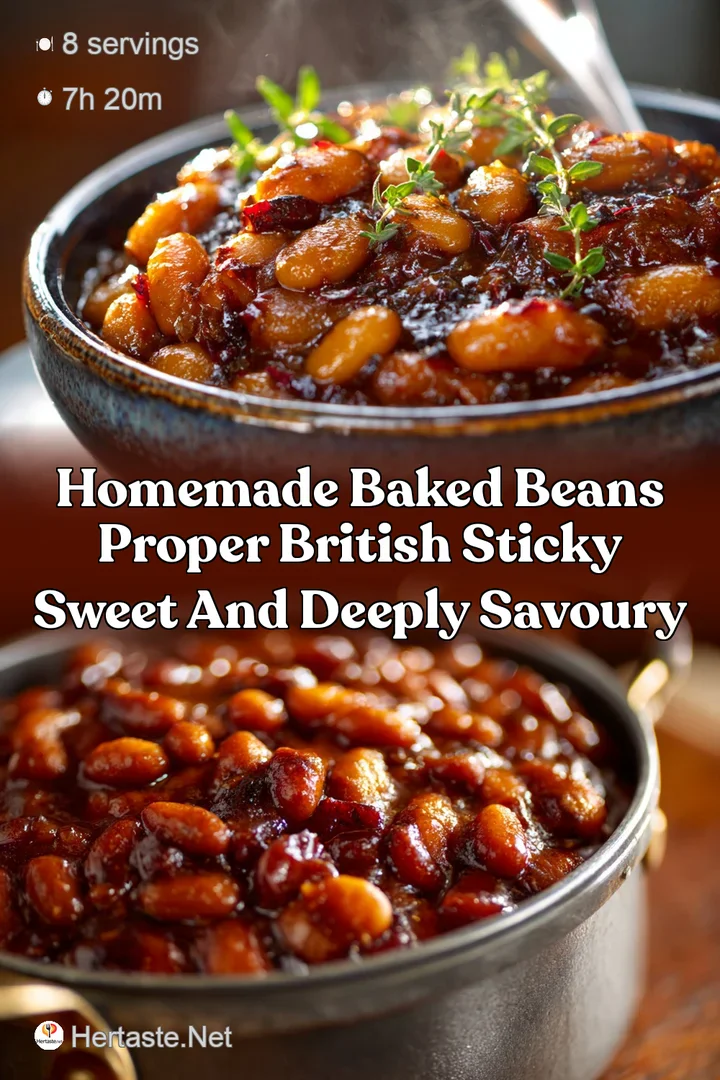
Recipe FAQs
Homemade baked beans Jamie Oliver
Achieving that signature thick, sticky sauce requires vigilance during the 4-6 hour slow bake. Monitor liquid levels closely; if the beans become dry, introduce a little hot stock, or remove the lid during the final hour if the sauce seems too thin.
For the deepest, most authentic flavor, fully render the smoked bacon or salt pork before adding the onions, as this foundational fat is essential to the overall savory sweet profile. Leftovers store beautifully in the refrigerator for up to five days and freeze well for future proper breakfasts.
Easy homemade baked beans
Achieving the perfect sticky thickness requires diligent monitoring during the long, slow bake. If the sauce begins to appear dry, replenish it sparingly with hot stock; conversely, if it is too loose after four hours, remove the lid entirely for the final 60 minutes to promote deep reduction and caramelization.
Substitute the traditional haricot beans with cannellini or great northern beans if needed, though they may require slightly less simmering time before baking. These deeply flavored beans freeze exceptionally well allow them to cool completely before portioning and freezing for up to three months.
Best ever homemade baked beans
The secret to truly "sticky" beans lies in patient liquid management during the long bake: if the sauce appears too thick or dry in the final hours, add only small amounts of hot stock to prevent the beans from scorching, maintaining that deep concentration of flavor.
For a vegetarian version, omit the bacon or salt pork, ensuring you incorporate a tablespoon of smoked paprika and sauté the onions in olive oil to replicate the necessary savory depth.
These baked beans are fantastic for meal prepping; once fully cooled, they can be refrigerated for up to five days or frozen in airtight portions for up to three months.
Homemade baked beans healthy
Homemade baked beans are generally much healthier than canned varieties, as you directly control the quality and quantity of the added sugars and salt. To significantly reduce the fat content, swap the smoked bacon or salt pork for intense smoked paprika and rich stock while maintaining deep flavor.
If aiming for lower carbohydrate intake, reduce the molasses by up to one-third, trusting the lengthy slow bake to still develop the perfect thick, sticky texture.
Are homemade baked beans worth it?
Homemade baked beans are profoundly worth the effort; the complex, savory sweet depth you achieve is unmatched by tinned varieties. Since this recipe requires a patient, long cook time, maximize your batch: these beans freeze exceptionally well for up to three months.
To lock in that perfect sticky texture, ensure the sauce reduces down fully into a thick glaze during the final stages of the slow bake.
What kind of beans are best for baked beans?
The classic choice for authentic, savory sweet baked beans is the humble Haricot bean, also known as the Navy bean. These small white beans retain their shape through long slow cooking while developing a wonderfully creamy interior that perfectly absorbs the thick molasses and mustard sauce.
Should you need a substitution, smaller varieties of white beans, like Great Northern or Cannellini, will work beautifully, provided you adjust the soaking and cooking times as necessary.
Proper Slowcooked Homemade Baked Beans
Ingredients:
Instructions:
Nutrition Facts:
| Calories | 518 kcal |
|---|---|
| Protein | 19.0 g |
| Fat | 17.1 g |
| Carbs | 72.0 g |
