Meat Stock: Proper Beef Veal Brown Stock Foundation
- The Culinary Foundation: Why Proper Meat Stock is Essential
- Decoding the Difference: Brown Stock vs. White Stock
- The Science of Depth: Maximizing Savoury Extraction
- Essential Components for a Profound Beef and Veal Stock
- Mastering the Technique: Step-by-Step Stock Preparation
- Troubleshooting the Process: Chef's Tips for Perfect Results
- Preservation and Prep: Storing Your Homemade Meat Stock
- Applying the Foundation: Culinary Uses for Rich Brown Stock
- Recipe FAQs
- 📝 Recipe Card
The Culinary Foundation: Why Proper Meat Stock is Essential
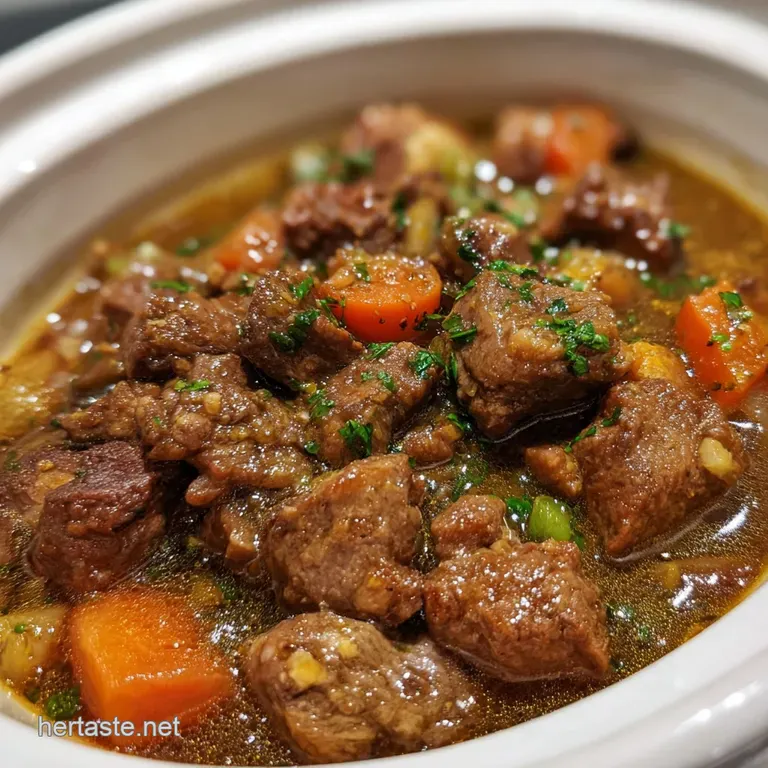
When that rich, savory aroma hits you deep, caramelized, and clinging to the air you know you’re about to eat something phenomenal. That smell isn't just accidental; it’s the result of carefully rendered collagen and roasted flavor, and it’s the essential difference between a decent meal and a truly unforgettable one.
This specific recipe for high-quality Meat Stock is the bedrock of everything I cook when I need that serious depth.
Honestly, ditch those cardboard cartons lurking on the supermarket shelf. Making your own Meat Stock might sound intimidating because of the time involved, but it is fundamentally simple, incredibly cheap, and yields a product so far superior that it feels like cheating. You are transforming leftover bones and basic vegetables into concentrated liquid gold. This is the difference maker for your Sunday gravy, your French Onion Soup, and especially the rich sauce that coats my favorite Baked Ziti With Meatballs: The Ultimate Cheesy Sunday Casserole .
So, let's stop accepting mediocrity in our kitchen. We are going to master the technique of producing a glossy, gelatinous, mahogany colored Meat Stock that will absolutely change your culinary life.
Trust me, the first time you see that finished product gel up solid in the fridge, you will feel like a kitchen wizard.
Decoding the Difference: Brown Stock vs. White Stock
When we talk about the proper foundation for classical cuisine, we are usually discussing a Brown Stock, which is what this detailed Meat Stock recipe delivers.
The distinction between brown and white stock isn't about the type of animal, but about color, flavor depth, and the key step that happens before the simmering even starts: roasting. White stocks (like those used for light soups) use unroasted bones, resulting in a cleaner, less assertive flavor.
But for the serious business of sauces and gravies, you need the richness only a dark, roasted Meat Stock can provide.
Defining 'The Mother Sauce': Stock vs. Broth vs. Essence
The difference between stock and broth often confuses people. Broth is seasoned, lighter, and ready to drink immediately; it's made primarily from simmered meat. Stock, on the other hand, is made primarily from bones and connective tissue, which leach out gelatin. It is unseasoned.
An essence is simply stock that has been reduced so dramatically that it becomes intensely concentrated, like a flavor amplifier. This specific Meat Stock is the foundational liquid required to make every other rich sauce.
Gelatin and Gelling Power: The Sign of Success
If your finished Meat Stock doesn't set up into a jiggly, firm jelly when refrigerated, you need to go back and check your bone choice. That beautiful jiggle is pure collagen, the extracted connective tissue from joints and knuckles.
This gelatin is what gives sauces body, mouthfeel, and richness. When you heat it up, it melts into a silky liquid. This rich, gelatinous texture is the goal of a perfect Meat Stock .
The Rigor of Roasting: Why Mahogany Color Matters
Why do we spend 45 minutes pre-roasting bones? Because we are chasing color, flavor, and complexity, not just hydration. Roasting the bones and vegetables until they are a deep, beautiful mahogany ensures the finished Meat Stock has the profound color required for a classic French brown sauce.
The Maillard Reaction in Brown Stock Production
The Maillard reaction is just the fancy term for caramelization, and it’s the magic behind this Meat Stock recipe. When the high heat of the oven hits the proteins and sugars in the bones and vegetables, hundreds of new flavor compounds are created.
The richness you taste isn't from the meat; it’s from these beautiful, browned bits.
Achieving Maximum Depth of Flavor
Depth of flavor isn't just about roasting; it's about time. We use vegetables, herbs, and wine to build complexity, but the real depth comes from the slow, steady extraction over 8 to 10 hours.
This patient approach is what makes this homemade Meat Stock so much better than anything you can buy.
When to Use Brown vs. Light Preparations
If you are planning anything that requires a rich glaze, a savory reduction, or a sauce meant to coat something substantial, you need Brown Stock. If you are making a light vegetable soup or poaching something delicate, stick to a cleaner, white stock. For my heavy duty applications, like the glaze on my Sweet and Sour Meatballs: Easy, Sticky Glazed Recipe Done Right , only this deeply flavored Meat Stock will do.
The Science of Depth: Maximizing Savoury Extraction
The key to maximizing flavor extraction in any great Meat Stock lies in three simple rules: cold start, gentle simmer, and total skimming discipline. If you neglect any of these, you risk a cloudy, weak, or slightly bitter final product. We want clean, intense savory flavor without cloudiness.
Essential Components for a Profound Beef and Veal Stock
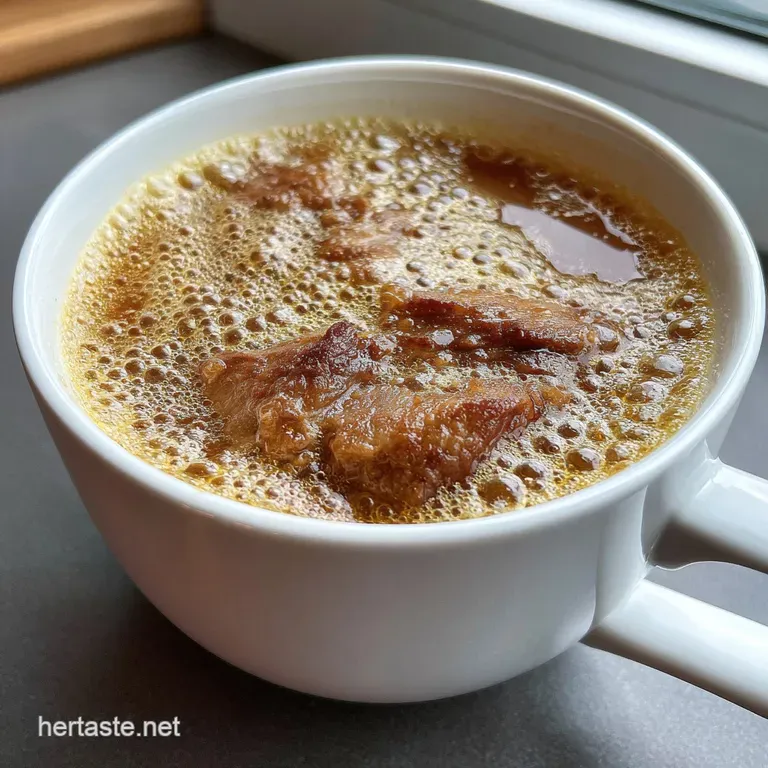
Every ingredient in this intense Meat Stock recipe serves a specific, crucial purpose. We aren't just throwing scraps into a pot; we are building a foundation brick by brick.
The Synergy of Beef and Veal for Full Body
Using a mix of beef and veal bones offers the best balance. Beef provides robust flavor, while veal is slightly higher in collagen and yields that glorious, glossy gelatin that gives the final Meat Stock the perfect body.
If you can only find one, favor the beef joint bones knuckles are non-negotiable for maximum collagen.
Controlled Simmering for Optimal Clarity
The moment your pot boils vigorously, you ruin the clarity of the Meat Stock . Boiling agitates the fats and proteins, emulsifying them into the liquid, resulting in a murky, grayish final product. We want a gentle, trembling simmer, barely enough movement to see the steam rising.
The Critical Role of Skimming Impurities
As the stock heats, proteins denature and float to the surface as scum. This must be removed, or it will eventually break apart and settle back into the stock, leading to cloudiness and off-flavors. Skim for the first two hours relentlessly. Do not stir the pot during this critical phase.
Selecting the Right Bones for Maximum Gelatin
Always ask your butcher for joint bones, knuckle bones, and shanks. These are packed with cartilage and connective tissue, which are the sources of collagen. A few meaty neck bones add flavor, but the joints add the essential body required for truly great Meat Stock .
The Importance of the Mirepoix Ratio
Our standard mirepoix is a classic French ratio (2 parts onion, 1 part carrot, 1 part celery), but for brown stock, we leave the onion skins on. Why? They contain natural color pigments that deepen the mahogany hue of the finished Meat Stock without affecting the flavor.
Also, adding tomato paste before roasting provides acidity and richness that enhances the Maillard flavors.
Water Quality and Mineral Content Considerations
If your tap water tastes bad, your stock will taste bad. Period. I always use filtered cold water to start the process of making Meat Stock . High mineral content in hard water can sometimes hinder the extraction process, so starting with clean, neutral water gives the best results.
Mastering the Technique: step-by-step Stock Preparation
We’re breaking this down into manageable steps. Remember: patience is the primary ingredient when making amazing Meat Stock .
Preparation and Initial Roasting Guidelines for Color
First, rinse those bones in cold water; you want to wash away any residual blood or bone dust. Pat them dry, then lay them in a single layer in a roasting pan. Roast at 425°F (220°C) until they are deeply, intensely brown not just golden.
After 30 minutes, flip them, add your mirepoix and the tomato paste, and roast for another 15 minutes. The tomato paste should just start to caramelize and stick to the pan. This commitment to color defines quality Meat Stock .
Deglazing the Roasting Pan: Capturing Every Sediment of Flavor
This step is pure genius and adds an immense layer of flavor complexity to your future Meat Stock . Once the roasted bones and vegetables are in the stock pot, place the empty roasting pan on the stove over medium heat.
Pour in your red wine (or water/vinegar mix if substituting) and scrape up every single browned bit stuck to the bottom. This dark, rich liquid, called the fonds , contains all the concentrated flavor. Pour it directly into the stock pot.
The Controlled 8 Hour Simmer (Temperature Discipline)
Add your cold, filtered water to cover the bones by about two inches. Turn the heat up until bubbles just begin to form, then immediately drop the heat to the absolute lowest setting. We are looking for the barest tremble, not a rolling boil.
Simmer for 8 to 10 hours, maintaining this gentle heat, adding the herb sachet only after the majority of the scum is removed. This long simmer ensures you extract maximum flavor for the final Meat Stock .
Passing the Stock for Crystal Clarity
When the 8 hours are up, remove the pot from the heat and let it rest for about 15 minutes. Use a ladle to carefully scoop the stock, avoiding the heavy sediment at the very bottom. Strain it through a fine mesh strainer lined with damp cheesecloth into a clean container.
I made the mistake once of pouring everything directly through the strainer and disturbed all the sediment, ruining my clarity. Don't rush this final straining.
Troubleshooting the Process: Chef's Tips for Perfect Results
Why You Must Never Boil Your Stock (Addressing Cloudiness)
I know I’ve said it, but it bears repeating. Boiling is the number one enemy of clear Meat Stock . If your stock looks cloudy halfway through, the damage is likely done. To fix it slightly, chill the stock completely. The sediment will settle, and the fat will solidify.
You can then gently re-heat the defatted liquid and strain it again through a clean cloth to filter out some impurities, but the clarity will never be perfect. Start over next time and keep that heat super low.
The Skimmer’s Discipline: Removing Surface Fats and Scum
If you notice a lot of grayish or whitish foam rising, that’s your cue to grab the skimmer. If you let the foam dissolve back into the liquid, it clouds the stock and can impart slightly off-tastes. Be diligent for the first few hours when making this crucial Meat Stock .
Adjusting Density: Reducing the Finished Product to Concentrate Flavor
Once you have your clear Meat Stock , you can concentrate it further. Simmer it vigorously over medium high heat until it reduces by half or even 90% (for a demi glace). This concentrates the flavor dramatically. If you plan to make incredibly rich sauces for recipes like my Christmas Cranberry Meatballs: The Best Festive Appetizer Recipe , reduction is necessary.
Fixing a Stock That Lacks Color or Depth
If your stock came out too pale, it means you didn't roast the bones long enough, or you skimped on the tomato paste. Next time, roast longer. If it lacks depth, you didn't simmer long enough. The only fix now is to reduce it heavily, concentrating the flavor compounds that are present.
Preservation and Prep: Storing Your Homemade Meat Stock
Properly cooling and storing your precious Meat Stock is non-negotiable for food safety and quality.
Rapid Cooling Methods for Food Safety
Because this stock simmers all day, it’s crucial to get it out of the temperature danger zone (40°F to 140°F) quickly. The best method is an ice bath: place your straining vessel into a sink half filled with ice and a little water. Stir the stock occasionally until it cools enough to go into the fridge.
Freezing Techniques: Ice Cubes vs. Full Tubs
This finished Meat Stock stores beautifully. Once chilled and completely defatted (remove the solidified fat cap!), it lasts about 5 days in the fridge. For freezing, you have options.
| Method | Use Case | Tip |
|---|---|---|
| Ice Cube Trays | Sauces, deglazing a pan, adding depth to quick meals. | Perfect for small, intense flavor boosts. Freeze and transfer cubes to a bag. |
| 1 Cup Containers | Soups, cooking grains (like quinoa or rice). | Good for quick batch cooking measurements. |
| Large Tubs (4 cups) | Big stews, making gravy for holidays. | Requires more freezer space but good for major cooking projects. |
This amazing Meat Stock will last up to six months in the freezer. Just remember to leave a little headspace in your containers because the liquid expands when frozen.
Applying the Foundation: Culinary Uses for Rich Brown Stock
This incredible Meat Stock is your new secret weapon. It’s the liquid element that provides the savory backbone for endless dishes, ensuring everything you make tastes richer, deeper, and more satisfying.
Chef's Note: Using this Meat Stock in place of water when cooking rice or farro results in a side dish that absolutely explodes with flavor. Even quick meals benefit massively from a spoonful of this concentrated goodness.
I often reduce this rich Meat Stock until it’s thick and glossy, then use those reduced cubes to add immense depth to my quick Cheesy Meat Loaf Minis: Easy, 300 Calorie Meatloaf Muffins Recipe . It truly elevates the entire dish. Now you understand how to make real, proper Meat Stock . Go forth and build amazing sauces!
Recipe FAQs
Why did my finished stock turn out cloudy or greasy?
Cloudiness usually results from boiling the stock too vigorously instead of maintaining a gentle simmer, which breaks up suspended particles. Over agitating the bones or failing to diligently skim the initial impurities and fat (scum) that rise to the surface early in the cooking process will also compromise clarity.
How can I ensure my stock develops a strong, desirable gelatinous texture when chilled?
A strong gel is achieved by using a high ratio of bones rich in cartilage and collagen, such as knuckle bones, neck bones, or veal feet. Additionally, ensuring a long, slow simmering time (12 16 hours) is crucial, as this allows maximum extraction of the collagen necessary for the perfect set.
Is it essential to roast the bones and vegetables before simmering?
Yes, roasting is absolutely essential for a proper brown stock, as it caramelizes the proteins and sugars (Maillard reaction). This develops the deep mahogany colour and intense, nutty flavour characteristic of this foundational stock, which cannot be achieved through simmering alone.
What is the best way to store and freeze large batches of stock?
Once cooled completely and the solidified fat cap is removed, stock can be stored in an airtight container in the refrigerator for up to 5 days. For long term storage, freeze the stock in manageable 1-cup or 2-cup portions for up to 6 months, ensuring you leave sufficient headspace in the container for expansion.
What should I do if my finished stock tastes weak or under seasoned?
If the flavour is weak, it often means the stock was not simmered long enough to fully concentrate the flavours from the roasted ingredients. To correct this, simply continue simmering the strained stock gently with the lid off to allow for further reduction until the desired intensity and richness is achieved.
Can I use different types of meat bones, like beef or chicken, instead of veal?
You can certainly use 100% beef bones for a robust brown stock, though veal is preferred for its superior gelatin content. If using bones primarily from muscle areas (like T-bones), you may need to supplement the recipe with collagen rich additions like oxtail or poultry feet to guarantee a good gel.
Proper Beef Veal Meat Stock
Ingredients:
Instructions:
Nutrition Facts:
| Calories | 16 kcal |
|---|---|
| Protein | 0.5 g |
| Fat | 0.0 g |
| Carbs | 3.6 g |
