The Chefs Secret Caramelised Lemon Herb Roasted Aubergine
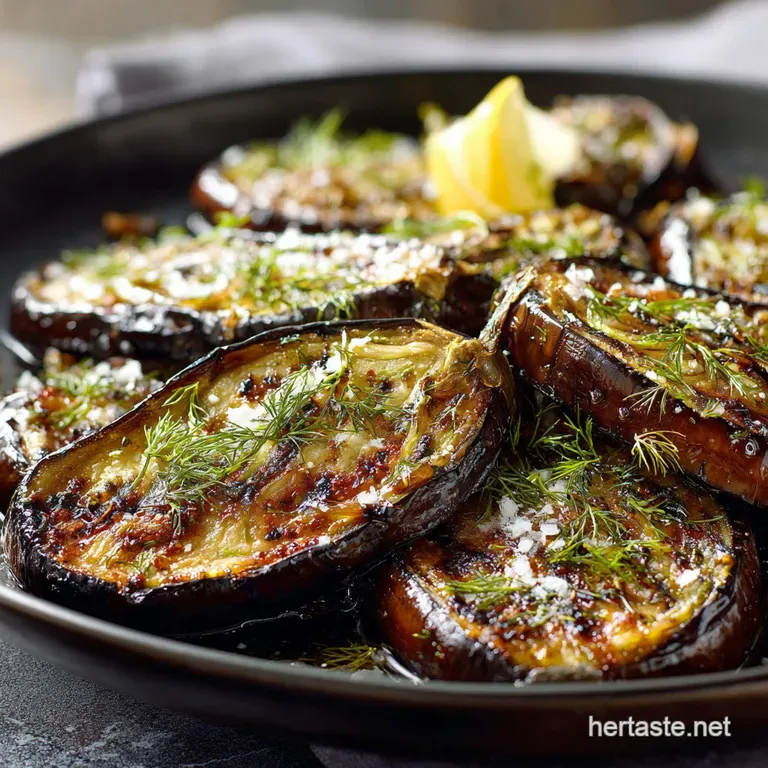
Beyond Bitterness: Unlocking the Silky Potential of Aubergine
I’ve met so many home cooks who look at a beautiful, glossy purple aubergine and feel a sense of dread. They tell me stories of chewy skins, bitter centers, or worse, a watery, soggy mess that tastes like steamed sadness. And I get it!
Eggplant (or aubergine, depending on your preferred terminology) has a bad reputation for being tricky.
But I’m here to tell you that fear is misplaced. The truth is, aubergine is one of the most rewarding vegetables to roast, provided you follow two simple, non-negotiable rules.
When done right, it collapses into a buttery, silken texture, its edges caramelized to a deep, savory sweetness that takes on any flavour you throw at it. Today, we are transforming humble eggplant cubes into a glorious, healthy side dish.
The Simple Secrets to Perfect oven-roasted Eggplant
Achieving truly spectacular oven-roasted eggplant isn't about complicated ingredients; it’s about respecting the physics of the vegetable itself. Once we understand why it fails, success becomes effortless.
Why Most Roasted Eggplant Recipes Fail
The vast majority of eggplant recipes disappoint because they forget one crucial fact: aubergine is a sponge filled with water. If you toss cubed eggplant with oil and put it into a low or even medium oven, that water heats up and turns the roasting tray into a sauna. The result? Steamed eggplant.
It turns grey, tough, and takes forever to cook, soaking up every drop of oil without ever browning. We need to eliminate that moisture first.
The Maillard Reaction: Achieving Deep Caramelization
The magic of great roasting relies entirely on the Maillard reaction that incredible chemical process that causes sugars and amino acids to brown and create complex, savory flavors. This reaction only happens when the vegetable's surface temperature exceeds the boiling point of water.
By using high heat (425°F/220°C) and ensuring the eggplant is bone dry before it hits the pan, we bypass the steaming stage and drive straight toward that addictive, deep caramelization. This is how we get those beautiful, browned baked eggplant slices that taste smoky and sweet.
Salting vs. High Heat: Debunking the Soaking Myth
For years, recipes insisted we must salt eggplant to remove bitterness. While modern varieties are bred to be less bitter, the real benefit of salting is texture. A quick 30-minute purge with coarse sea salt draws out excess moisture, effectively shrinking the vegetable and concentrating its flavor.
Don't fret about soaking the pieces; the key is the drying step afterward. After rinsing off the salt, pat those pieces aggressively dry. I promise you, this minute of drying time is the difference between rubbery results and that coveted, creamy interior.
A critical note: The salt used for purging is strictly to draw out water. You must rinse it off before seasoning, or your final dish will be inedibly salty.
Introducing the Brightness of Lemon and Fresh Herbs
Because oven-roasted eggplant is so rich and earthy thanks to the oil and the deep caramelization it needs a counterpoint. I find that a simple mix of lemon zest, garlic, and thyme added before roasting provides a wonderful Mediterranean base, but the real zing comes at the end.
A final squeeze of fresh lemon juice and a scattering of fresh herbs (like parsley or basil) cuts through the richness, balancing the flavor profile perfectly and making the dish feel incredibly vibrant.
Related Recipes Worth Trying
- RestaurantStyle Homemade Salsa Recipe Easy Roasted Chunky — Ditch the jars This is the best Homemade Salsa recipe youll ever make Roasting fresh tomatoes and chillies creates a deep smoky restaurantstyle flavour that...
- Silky Roasted Garlic Keto Paleo Cauliflower Hummus Recipe — The ultimate dip This Silky Keto Paleo Roasted Cauliflower Hummus delivers deep flavour and shocking smoothness Perfect for Keto Diet Snacks or as a lowcarb...
- NoFuss Cajun Shrimp Foil Packs Recipe Oven or Grill — Big flavour zero washing up These Cajun Shrimp Foil Packs are the ultimate healthy dinner recipe for busy nights Packed with sausage spuds and spice Easy peasy
Essential Components for Ultimate Roasting Success
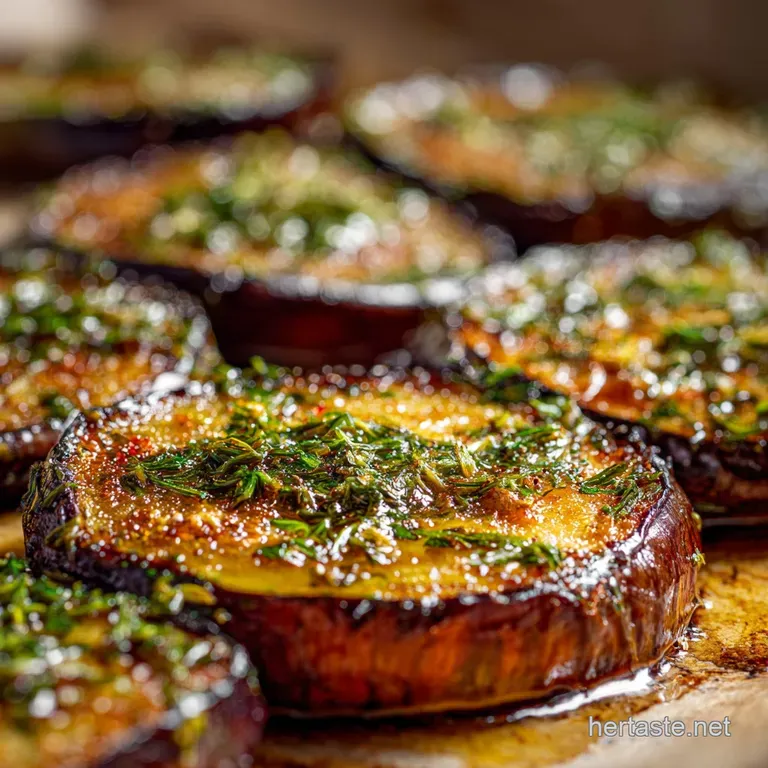
Every successful dish starts with choosing the right components.
Selecting the Ideal Aubergine: Firmness and Size Matters
When shopping for eggplant, look for firm, heavy specimens with shiny, smooth skin. If the skin looks dull, or if you press on the flesh and the indentation remains, it's likely old or dry, and those are the ones most prone to bitterness.
I often prefer the slightly smaller, tighter eggplants as they tend to hold less water and require less time in the oven.
The Essential Fats: Choosing the Right Olive Oil
Olive oil is the primary flavor carrier here. It helps conduct the heat, lubricates the surface for maximum caramelization, and keeps the eggplant from sticking to the tray. Since we are using a decent amount for coating, choose a good quality extra virgin olive oil.
It brings a fruity depth that mild oils simply can’t match.
The Zest Factor: Harnessing Lemon's Brightness
Notice we use lemon zest in the coating mix, but save the juice for the finish. Zest contains the lemon oil the flavor which handles high heat beautifully without adding liquid.
Adding juice prematurely could prevent browning, whereas the zest integrates perfectly into the seasoning mixture, infusing the oven-roasted eggplant cubes with sunshine from the start.
Fresh vs. Dried Herbs: Maximizing Aromatic Impact
For roasting, dried herbs are actually superior. They are concentrated and hardy, meaning they won't burn at 425°F the way delicate fresh basil or mint would. I love dried thyme or oregano here.
We save the fresh herbs in this case, parsley for the very end, tossing them in right before serving to provide a necessary green pop of freshness and texture.
Executing the High Heat Technique for Flawless Caramelized Eggplant
This technique works beautifully for quick side dishes because the prep is straightforward, and the oven does all the heavy lifting. The key is setting your oven to a blazing 425°F (220°C). Don't cheat on the heat!
The step-by-step Guide to Silken Texture
Initial Prep: Slicing and Scoring for Maximum Surface Area
For this recipe, I opt for 1 inch cubes. These small pieces offer maximum surface area for caramelization and cook much faster and more evenly than large, thick slices. Once they are tossed with salt, you will see a noticeable amount of dark, bitter liquid pooling underneath the colander that’s exactly what we want to get rid of!
After rinsing, remember: dry, dry, dry.
The Crucial High Temperature Oven Setup
Always preheat your oven completely. When you put the oven-roasted eggplant in, the heat needs to hit it immediately and aggressively. I always line my heavy baking trays with parchment paper; this isn't just for easy cleanup, it ensures that even if a little moisture remains, the pieces won't weld themselves to the pan.
Optimal Timing: Knowing When Your Aubergine is Truly Done
Our goal isn't just "soft." Truly perfect roasted eggplant should look shriveled, collapsed, and golden brown on the edges. When you prod it with a fork, it should offer absolutely no resistance.
This usually takes about 25– 30 minutes total, with a crucial flip halfway through to ensure even browning. If it looks pale and puffy, it’s not done yet.
Post Roast Finish: Glazing with Lemon and Fresh Herbs
As soon as the trays come out of the oven, slide the hot, caramelized pieces onto your serving dish. This is the moment for the flavor finish. That final squeeze of fresh lemon juice brightens the savory profile beautifully, and the finely chopped parsley adds an aromatic lift.
Troubleshooting and Mastering Your Roast
Solving the Soggy Center Dilemma
If your eggplant turned out watery, there are only two possible culprits:
- You skipped the salting/drying step, leaving residual water inside the pieces.
- You overcrowded the baking sheet, causing the steam released by one piece to immediately hit and steam its neighbor.
Remember, use two sheets if necessary. Space is your best friend when roasting.
Nutritional Profile: Why Eggplant is a Powerhouse Vegetable
Eggplant is incredibly fiber rich, making this a wonderfully healthy eggplant option. It’s naturally low-carb and provides key antioxidants, particularly in the deep purple skin.
Since we are using healthy olive oil and vibrant herbs, this is a beautiful and satisfying way to eat more vegetables. It’s also entirely vegan eggplant , proving that meatless cooking can be full of robust flavor.
How to Store Leftovers and Reheat Properly
Roasted eggplant is best served fresh, but leftovers keep well for up to three days in an airtight container in the fridge. To reheat, avoid the microwave; it will turn the pieces soggy again.
Instead, spread them on a baking sheet and pop them back into a hot oven (400°F/200°C) for about 5 to 7 minutes until the edges crisp up again.
Quick Variations: Spice Rubs and Alternative Flavour Pairings
This base recipe is versatile. Once you master the roasting technique, you can substitute the Mediterranean flavors with almost anything you desire.
- Moroccan Inspired: Swap thyme for ras el hanout and finish with a drizzle of honey after roasting.
- Spicy Asian: Use sesame oil instead of olive oil, add a dash of soy sauce and chili flakes to the seasoning mix, and finish with toasted sesame seeds.
- Simple Italian: Toss with a generous shake of dried Italian seasoning and finish with torn fresh basil and a shaving of Parmesan cheese (if not keeping vegan).
| Component | Substitution/Pairing | Flavor Impact |
|---|---|---|
| Thyme | Smoked Paprika & Cumin | Earthy and Smoky |
| Olive Oil | Avocado Oil | Higher smoke point, neutral flavor |
| Lemon Juice | Sherry Vinegar or Balsamic Glaze | Deeper, complex acidity |
Recipe FAQs
My aubergine usually turns out bitter or soggy. Is the salting and drying step really necessary, or is it a bit of a faff?
Absolutely essential, mate! Salting draws out excess moisture and those pesky bitter compounds, which prevents the vegetable from steaming in the oven, ensuring you achieve that brilliant, caramelised texture we're aiming for.
Why do I need two baking trays? I usually just cram everything onto one!
Crowding is the nemesis of great oven-roasted Eggplant! If the pieces touch, the trapped moisture creates steam, which turns the vegetable grey and soggy; using two trays guarantees proper air circulation and that crucial deep golden brown exterior.
This looks like a brilliant side dish. Can I make this ahead of time and keep it in the fridge?
Roasted aubergine is best served immediately or at room temperature, but it will keep perfectly well in an airtight container for up to three days; just be aware that the texture may soften slightly upon cooling.
I'm looking for a different flavour. What's an easy alternative to the lemon and thyme profile?
For a fantastic change of pace, swap the thyme for smoked paprika and a pinch of chili flakes, finishing the dish with a drizzle of sherry vinegar after roasting for a proper Spanish kick.
I’m watching my calorie intake. Can I reduce the amount of olive oil used in the roasting mix?
While fat is necessary for proper caramelisation, you can lighten the load by using an olive oil spray to coat the aubergine thoroughly, ensuring every piece is slicked rather than swimming in the oil before roasting.
Perfect Lemon Herb oven-roasted Eggplant
Ingredients:
Instructions:
Nutrition Facts:
| Calories | 237 kcal |
|---|---|
| Protein | 5.2 g |
| Fat | 1.0 g |
| Carbs | 14.0 g |
| Fiber | 1.6 g |
| Sugar | 0.7 g |
| Sodium | 7 mg |
