Eggplant: Velvety Centers
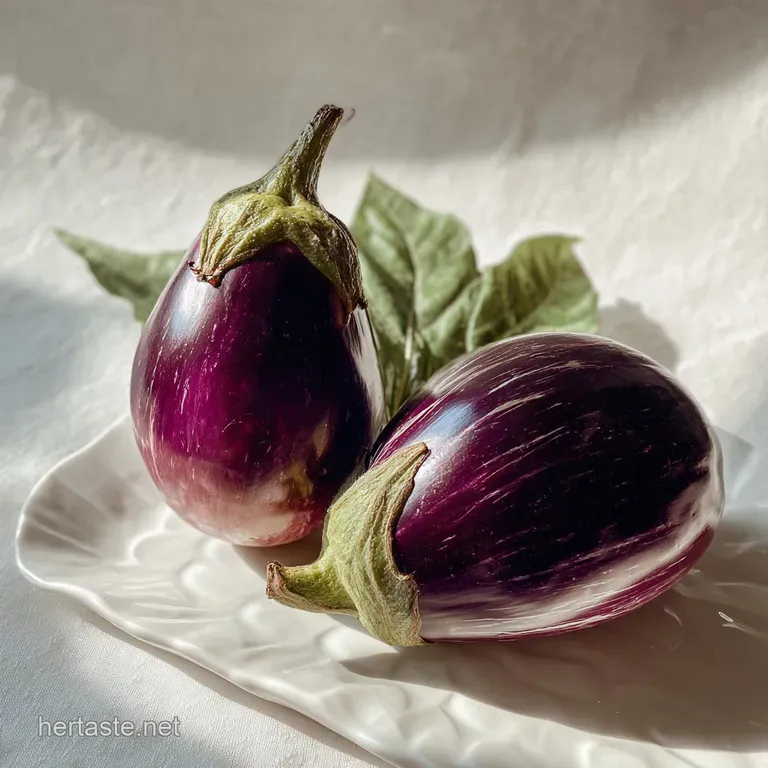
- Time: Active 20 mins, Passive 25 mins, Total 45 mins
- Flavor/Texture Hook: Velvety centers with a smoky, garlic infused crust
- Perfect for: Low carb side dishes, grain bowl toppers, or meal prep bases
- Mastering the Art of Roasting Purple Eggplant
- Critical Metrics and Nutritional Recipe Specifications
- The Science of Why Moisture Matters
- Choosing the Best Ingredients for Maximum Flavor
- Essential Kitchen Gear for a Perfect Finish
- Step-by-Step Instructions for a Velvety Result
- Fixing Common Issues and Texture Problems
- Innovative Variations for Every Single Occasion
- Smart Storage Solutions and Zero Waste Ideas
- Flavor Pairings to Enhance Your Main Dish
- Eggplant FAQs
- 📝 Recipe Card
Mastering the Art of Roasting Purple Eggplant
I used to think that cooking an Eggplant was some kind of high stakes gamble. You see them in the produce aisle, looking all regal and glossy like a deep purple jewel, but the second they hit a pan without a plan, they turn into a literal oil slicked sponge.
My first attempt at a moussaka was legendary for all the wrong reasons - I basically served a bowl of heavy cream and olive oil with sad, purple skins floating in it. It was tragic, honestly, and it took me years to realize that the fruit wasn't the problem; my lack of prep was.
The breakthrough happened when I stopped treating it like a vegetable and started treating it like a hydration project. When you get the preparation right, the aroma that fills your kitchen is intoxicating - it’s earthy, slightly sweet, and carries the pungent hit of roasted garlic.
You’re looking for that specific moment when the white, bread like flesh collapses into a translucent, silky texture that feels like a decadent treat rather than a healthy side.
Trust me on this: once you hear that first sizzle on the baking sheet and smell the oregano blooming in the heat, you’ll never go back to those bland, rubbery rounds again.
This recipe is about reclaiming the dignity of this misunderstood ingredient. We are going to strip away the bitterness, control the moisture, and use a blast of high heat to create something that feels like it came out of a professional wood fired oven.
It’s brilliant because it’s simple, but the results are nothing short of transformative. Let’s crack on and turn these purple globes into the best thing you’ve eaten all week.
Critical Metrics and Nutritional Recipe Specifications
When you are learning how to prepare eggplant, consistency is your best friend. I’ve found that the weight of the fruit matters just as much as the thickness of the slices. If you go too thin, they shatter into burnt crisps; too thick, and the center stays raw and unpleasantly fibrous.
These specs are the "golden zone" I’ve landed on after dozens of trials.
| Thickness | Internal Temp | Rest Time | Visual Cue |
|---|---|---|---|
| 1/2 inch | 195°F | 3 mins | Edges are dark and curling |
| 1 inch | 205°F | 5 mins | Flesh is translucent and soft |
| Cubed (1") | 200°F | 2 mins | Sides are golden and collapsed |
Getting the thickness right is the first step in ensuring your Eggplant preparation for roasting goes smoothly. If you're feeding a crowd, remember that these slices shrink significantly about 30% as the water evaporates in the oven.
I always suggest picking up an extra one just in case you want leftovers for a sandwich the next day.
The Science of Why Moisture Matters
Understanding the "why" behind the prep helps you avoid the soggy sponge syndrome that ruins so many dishes.
- Osmotic Extraction: Mechanism: Salt creates a high solute environment on the surface, forcing the water inside the cell walls to migrate outward. This collapses the tiny air pockets that usually act like a vacuum for oil.
- Pectin Degradation: Mechanism: At 400°F, the structural pectin that keeps the fruit firm begins to dissolve. This results in the "velvety" mouthfeel we’re aiming for.
- Maillard Reaction: Mechanism: The interaction between the garlic’s natural sugars and the high heat creates a savory crust. Without removing the surface moisture first, the eggplant would simply steam rather than brown.
Component Analysis for Maximum Success
| Ingredient | Science Role | Pro Secret |
|---|---|---|
| Kosher Salt | Moisture Extractor | Use coarse salt (like Diamond Crystal) to cover more surface area without over salting the core. |
| Avocado Oil | Heat Conductor | The high smoke point allows for a 425°F blast without the oil breaking down and tasting acrid. |
| Garlic Paste | Aromatic Foundation | Grating the garlic releases all the oils, allowing it to fuse with the eggplant skin during roasting. |
Choosing the Best Ingredients for Maximum Flavor
To prepare eggplant that actually tastes like something, you have to be picky at the market. Look for "Globe" varieties that feel heavy for their size; this usually means they haven't been sitting in cold storage for too long. If the skin is wrinkled, put it back that’s a sign of a bitter, seedy interior.
- 2 Large Globe Eggplants (approx. 2 lbs): Why this? The large surface area is perfect for roasting and achieving a meaty texture.
- Substitute: Japanese or Chinese varieties. These are sweeter and thinner skinned but require less salting time.
- 1.5 tbsp Kosher Salt: Why this? Essential for the "sweating" phase to remove bitter solanine juices.
- Substitute: Fine Sea Salt. Use only 1 tbsp as it is denser and saltier by volume.
- 3 tbsp High Smoke Point Oil: Why this? Avocado or refined olive oil won't burn at high oven temperatures.
- Substitute: Grapeseed oil. It’s neutral and handles the heat equally well.
- 2 cloves Garlic, grated: Why this? A paste distributes flavor better than minced chunks, which tend to burn.
- Substitute: 1 tsp Garlic Powder. It’s less "fresh" but provides a consistent savory coating.
- 1 tsp Dried Oregano: Why this? Adds an earthy, Mediterranean backbone that survives the long roast.
- Substitute: Dried Thyme or Marjoram for a more floral, French inspired flavor profile.
- 1/2 tsp Black Pepper: Why this? Provides a subtle heat that cuts through the richness of the oil.
- Substitute: Red Pepper Flakes if you want a more aggressive, spicy kick.
Essential Kitchen Gear for a Perfect Finish
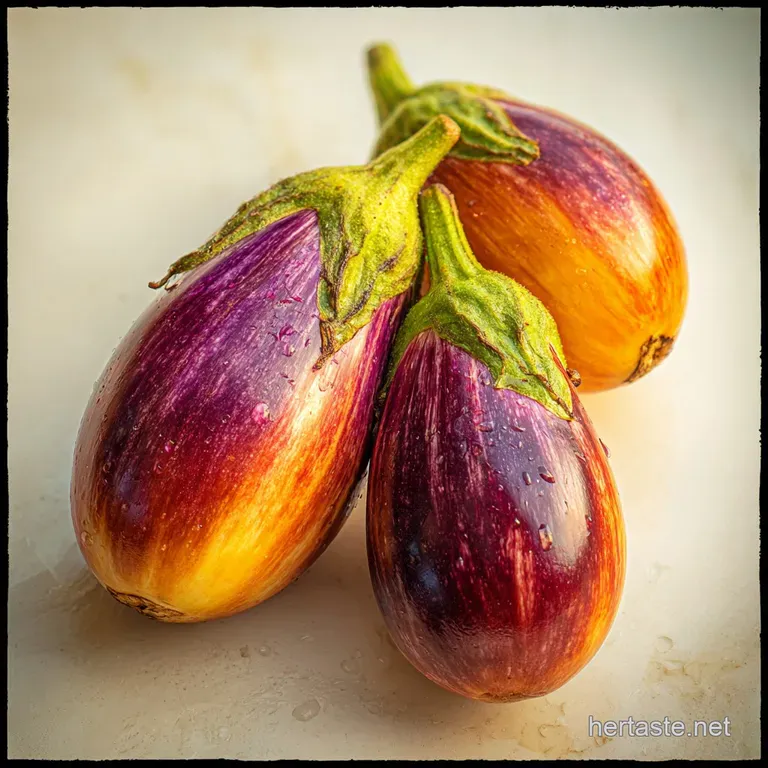
You don't need a professional kitchen, but a few specific tools make the difference between a greasy mess and a masterpiece. A heavy duty baking sheet is non negotiable; thin sheets warp in the high heat, leading to uneven browning.
I also highly recommend using a Microplane for that garlic paste it’s the only way to get that perfectly smooth infusion.
If you have a wire rack that fits inside your baking sheet, use it for the salting phase. It allows the liquid to drip away rather than letting the slices sit in their own bitter "tea." This is a technique I use in my Eggplant Parmesan recipe to ensure the breading stays crisp later. Finally, keep a stack of clean paper towels or a lint free kitchen towel handy. You cannot be too aggressive when patting these dry!
step-by-step Instructions for a Velvety Result
- Slice the Eggplant. Cut the Globe Eggplants into 1 inch thick rounds. Note: Consistency here ensures every piece finishes cooking at the exact same time.
- Apply the Salt. Lay the slices out and sprinkle generously with Kosher Salt on both sides.
- The Sweat Phase. Let the slices sit for 20 minutes until dark beads of moisture cover the surface.
- Rinse and Dry. Rinse the salt off under cold water and pat the slices until they are bone dry to the touch.
- Mix the Marinade. In a small bowl, whisk the Avocado Oil, grated garlic, oregano, and pepper.
- Coat the Slices. Brush both sides of each slice with the oil mixture.
- Initial Roast. Place on a baking sheet and roast at 425°F for 15 minutes until the bottoms are sizzling and golden.
- The Flip. Turn the slices over carefully. Note: Be gentle, as the flesh is now very tender.
- Final Blast. Bake for another 10 minutes until the centers are completely translucent and soft.
- Rest and Serve. Let them sit on the pan for 5 minutes until the structure sets slightly.
Chef's Tip: For an even deeper flavor, freeze your block of garlic for 10 minutes before grating it; it creates a fluffier paste that spreads like butter.
Chef's Tip: If you want a "shatter" crisp edge, dust the slices lightly with cornstarch after oiling but before roasting.
Fixing Common Issues and Texture Problems
Even with the best intentions, this fruit can be finicky. The most common mistake I see is people panicking when they see how much oil the slices seem to "drink." Don't keep adding more! The oil will eventually be released back into the flesh as the cells collapse.
Why Your Eggplant Feels Spongy
If your final dish feels like chewing on a damp sponge, you likely didn't let the salt sit long enough. That 20 minute window is the minimum for the cellular structure to break down.
If you're in a rush, you can microwave the salted slices for 2 minutes to speed up the process, but the texture won't be quite as velvety.
| Problem | Root Cause | Solution |
|---|---|---|
| Tough Skin | Old fruit or undercooked | Roast for an extra 5 mins; the skin should be soft enough to cut with a spoon. |
| Burned Garlic | Grated too coarse | Ensure it's a fine paste and fully mixed into the oil before brushing. |
| Watery Center | Didn't pat dry | Use a heavy weight (like a cast iron pan) on top of the slices during the salting phase. |
Common Mistakes Checklist: ✓ Never skip the rinse after salting; otherwise, the final dish will be an inedible salt bomb. ✓ Preheat your oven for at least 20 minutes to ensure a true 425°F environment.
✓ Avoid overcrowding the pan; if the slices touch, they will steam instead of roast. ✓ Use a dark colored baking sheet if you want more aggressive browning on the bottom.
Innovative Variations for Every Single Occasion
Once you know how to prepare eggplant for one dish, you can pivot the technique for dozens of others. The fundamental "sweat and dry" method remains the same whether you're aiming for a salad or a hearty pasta.
1. Eggplant Preparation for Grilling
If you are moving to the backyard, slice the rounds slightly thicker (1.5 inches) so they don't fall through the grates. Use the same garlic oil rub, but add a squeeze of lemon juice to the mix. The acidity helps prevent the fruit from oxidizing and turning gray while it sits near the heat.
2. Eggplant Preparation for Lasagna
For a low carb swap, slice the eggplant lengthwise into "noodles." Roast them as directed, but increase the time by 5 minutes to ensure they are extra dry. This prevents your Eggplant Lasagna recipe from becoming a watery soup after it’s baked with the sauce.
3. Eggplant Preparation for Frying
If you’re going for a classic fry up, the salt phase is even more critical. After patting them dry, dredge the slices in seasoned flour, then egg, then breadcrumbs. The pre salting ensures the interior is seasoned and tender before the outside burns. This is the secret to a perfect Eggplant Parmesan recipe.
Smart Storage Solutions and Zero Waste Ideas
Leftover roasted eggplant is actually a hidden gem in the kitchen. It stays good in an airtight container in the fridge for up to 4 days. The texture will soften even further, which makes it perfect for mashing into a quick baba ganoush style dip with some tahini and lemon.
If you find yourself with the ends or "heels" of the eggplant that are too small to roast as rounds, don't toss them! Dice them up, salt them the same way, and sauté them with onions. This "waste" becomes a rich, umami heavy base for a pasta sauce.
For freezing, lay the roasted slices on a parchment lined tray until solid, then transfer to a freezer bag. They’ll keep for 3 months. To reheat, avoid the microwave at all costs it makes them rubbery.
Instead, pop them back into a hot oven or a dry skillet for 5 minutes until they sizzle again.
Flavor Pairings to Enhance Your Main Dish
Because this dish is so rich and buttery, it needs high contrast partners to really shine. I love serving these roasted rounds with a dollop of cold Greek yogurt mixed with mint and lemon. The temperature difference between the hot, smoky fruit and the cold, tangy dairy is a total sensory experience.
If you're looking for something heartier, this technique is a fantastic precursor to a Roasted Eggplant Recipes salad with chickpeas and a heavy drizzle of tahini. The nuttiness of the sesame seeds plays off the charred garlic beautifully. You can also stack these slices with fresh mozzarella and tomato for a "stacked" caprese that feels much fancier than it actually is.
- To Scale Down (1-2 people)
- Use one small eggplant and reduce the oil to 1.5 tbsp. You can often do this in a large toaster oven to save energy.
- To Scale Up (8+ people)
- Use 4 large eggplants but don't double the salt exactly use about 2.5 tbsp to avoid over seasoning. You will need at least two large baking sheets; rotate them halfway through the cooking time to ensure even browning.
- Spices
- If doubling the recipe, keep the oregano at 1.5 tsp. Dried herbs can become overpowering when scaled linearly.
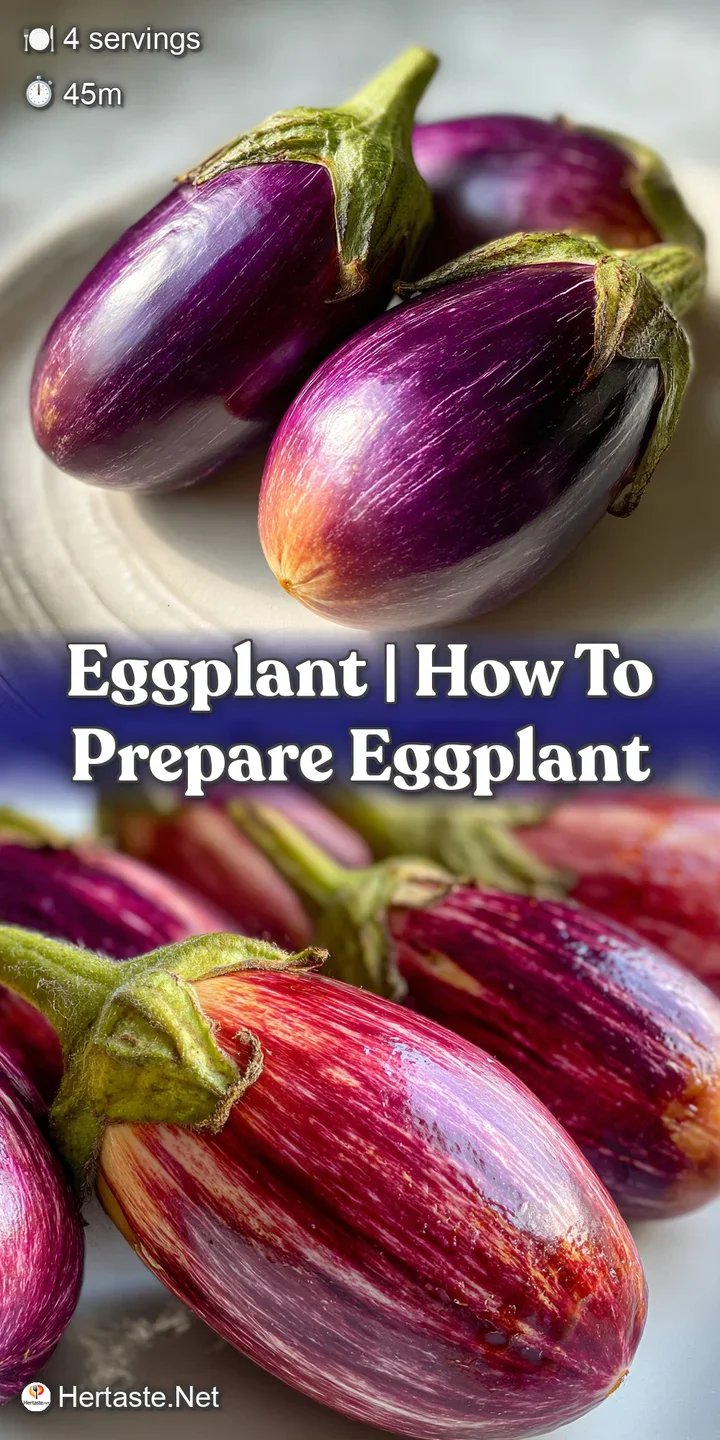
Eggplant FAQs
How do you prepare an eggplant for cooking?
Slice, salt, let it sweat, then rinse and dry. This process, often called "salting," draws out bitter compounds and excess moisture, preventing a spongy texture and ensuring better flavor absorption.
Do I need to soak eggplant before cooking?
Soaking isn't the primary method; salting is. While some recipes might call for soaking, the more effective technique is to salt the slices for about 20-30 minutes to draw out moisture and bitterness. You can see this technique used to ensure perfect texture in our Foolproof oven-roasted Eggplant Silky Caramelised Lemon Herb Recipe.
What's the best way to eat an eggplant?
Roasting is a fantastic method for optimal texture and flavor. High heat caramelizes its natural sugars and transforms its texture into something creamy and tender, especially after prepping it correctly. If you enjoy rich, savory flavors, you might also love the depth achieved in Parmesan Crisps Recipe: Ultra Crispy Frico Chips by leveraging similar high heat principles.
Are you supposed to peel an eggplant before you cook it?
No, you generally do not need to peel eggplant. The skin is edible, packed with nutrients, and contributes a lovely texture, especially when roasted or grilled. Just ensure it's well washed.
How do I remove bitterness from eggplant?
Salt the eggplant slices generously. Letting them sit for 20-30 minutes will draw out the moisture and bitter compounds through osmosis. Rinse and pat dry thoroughly afterward.
Why does my eggplant turn out oily and spongy?
This usually happens from insufficient moisture removal or cooking at too low a temperature. Properly salting and drying the eggplant before cooking, followed by roasting at a higher heat, helps prevent it from absorbing excessive oil and becoming spongy.
Mastering texture control here is key, similar to how you manage dough consistency in baking.
What happens if I don't salt eggplant before cooking?
It will likely be more bitter and absorb more oil. Salting helps break down the cell structure, releasing bitter solanine juices and excess water, which leads to a creamier texture and less greasiness when cooked.
Perfect Eggplant Prep
Ingredients:
Instructions:
Nutrition Facts:
| Calories | 152 calories |
|---|---|
| Protein | 2.4 g |
| Fat | 11.2 g |
| Carbs | 14.1 g |
| Fiber | 6.8 g |
| Sugar | 5.2 g |
| Sodium | 580 mg |
