Fluffy Pancake and Banana: Yogurt Lift
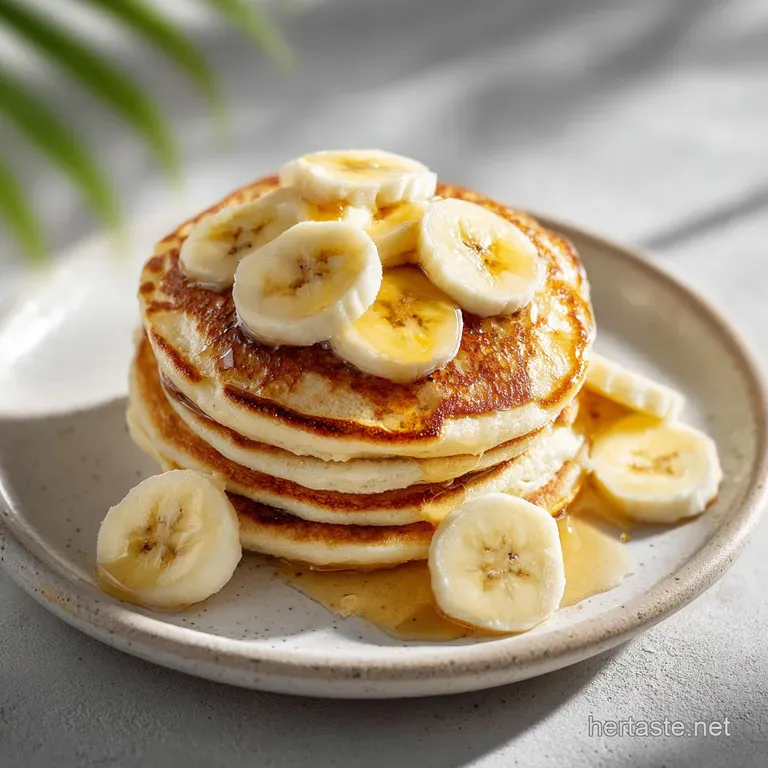
- Time: Active 10 minutes, Passive 15 minutes, Total 25 minutes
- Flavor/Texture Hook: Velvety crumb with golden, buttery edges
- Perfect for: Lazy Sunday mornings or quick, high protein meal prep
- Mastering The Fluffy Pancake And Banana
- Why This Flavorful Recipe Works
- Essential Metrics For Success
- The Science Of Each Component
- Tools For A Flawless Flip
- Step By Step Cooking Guide
- Fixing Common Cooking Errors
- Creative Customization Options
- Storing And Reheating Tips
- Perfect Side Dish Pairings
- Myths About Banana Batters
- Recipe FAQs
- 📝 Recipe Card
Mastering The Fluffy Pancake And Banana
The aroma of butter hitting a hot cast iron skillet is my favorite alarm clock. There is something almost therapeutic about the rhythmic mashing of fruit in a bowl, watching those speckled yellow skins give way to a sweet, ivory puree.
For years, I struggled with heavy, leaden cakes that felt more like wet bricks than breakfast. I used to think the more banana I added, the better they would be, but I quickly learned that balance is the secret to that elusive "cloud like" crumb.
I remember one specific Tuesday when I was determined to use up a massive haul of overripe fruit. I ran out of milk and reached for a tub of Greek yogurt instead. That happy accident changed everything. The batter thickened into a beautiful, pillowy mass that held its shape perfectly in the pan.
When I took that first bite, the edges were crisp and the center was incredibly soft. It wasn't just another breakfast; it was the moment I finally cracked the code for the ideal pancake and banana combination.
Since then, I’ve shared this method with countless friends who were frustrated by soggy middles or burnt exteriors. We are going to focus on the budget friendly beauty of simple pantry staples. You don't need fancy flours or expensive extracts to make something that tastes like it came from a high end bistro.
It’s all about the technique and understanding how these basic ingredients interact when they hit the heat.
Why This Flavorful Recipe Works
The Physics of the Rise
The combination of lactic acid from the Greek yogurt and the alkaline baking soda creates an immediate release of carbon dioxide bubbles. These bubbles get trapped by the gluten network in the flour, causing the batter to expand into a light, airy structure rather than a dense disc.
- Synergistic Leavening: Using both baking powder and baking soda ensures the cakes rise instantly and stay lifted as they cook.
- Oat Fiber Structure: The rolled oats act like tiny sponges, absorbing excess moisture from the fruit to prevent a gummy interior.
- Maillard Browning: The natural fructose in the overripe bananas caramelizes quickly, creating a deep golden crust without needing high heat.
- Protein Stabilization: The Greek yogurt and eggs provide a sturdy protein mesh that supports the weight of the fruit puree.
| Cooking Method | Total Time | Texture Outcome | Best Use Case |
|---|---|---|---|
| Stovetop Skillet | 15 minutes | Crispy lacy edges | Classic weekend brunch |
| Electric Griddle | 12 minutes | Even golden color | Cooking for a crowd |
| Sheet Pan Oven | 20 minutes | Cake like and soft | Easy weekday meal prep |
The choice between stovetop and oven really depends on how much you enjoy the "sizzle." I personally prefer the stovetop method because you get those slightly shattered, buttery edges that an oven just can't replicate.
However, if you are feeding a group of four or more, the oven method saves you from standing over the stove while everyone else eats.
Essential Metrics For Success
Before we get into the nitty gritty of mixing, let's talk about the numbers. Accuracy is your best friend in the kitchen, especially when dealing with the moisture content of fruit. Not all bananas are created equal, so we want to aim for a specific consistency.
If your batter looks like soup, it won't hold air; if it’s thick as paste, it won't cook through.
The Maillard Reaction Process
When the batter hits the pan, the sugars and amino acids react to create that signature toasted flavor. This happens most effectively between 285°F and 330°F. If your pan is too cold, the pancake and banana will simply steam and become rubbery.
If it's too hot, the outside burns before the middle can set.
Acidity And The Rise
The Greek yogurt provides the necessary acidity to activate the baking soda. This reaction happens the moment wet meets dry. This is why I always tell my friends to let the batter rest for exactly 5 minutes.
It gives the leavening agents a "head start" and allows the oats to soften slightly, ensuring every bite is uniform.
Texture And Protein Binding
The eggs are the glue here. They provide the structure that allows the air bubbles to remain trapped. If you notice your cakes are falling apart when you flip them, it’s usually because the banana to egg ratio is off. Stick to the two egg rule for every two bananas to keep things stable.
| Component | Science Role | Pro Secret |
|---|---|---|
| Overripe Bananas | Humectant & Sweetener | Use skins that are at least 50% black for max sugar. |
| Greek Yogurt | Acidic Leavening Agent | Full fat provides a richer, velvety mouthfeel. |
| Rolled Oats | Moisture Regulator | Pulse them in a blender for a smoother "flour" texture. |
| Sea Salt | Flavor Enhancer | Don't skip it; it balances the intense fruit sweetness. |
The Science Of Each Component
We aren't just throwing things in a bowl; we are building a flavor profile. For instance, using sea salt instead of table salt provides little bursts of mineral contrast that make the banana flavor pop. If you are looking for more ways to use up your fruit, you might also enjoy this 3 Ingredient Banana recipe which uses a similar fruit to grain ratio.
- 2 large overripe bananas (approx. 225g): These provide the base flavor and natural sweetness. Why this? Darker peels mean more concentrated sugar and easier mashing. (Substitute: 1 cup unsweetened applesauce, though it will be less sweet).
- 2 large eggs: These bind everything together. Why this? They provide the necessary lift and "snap" to the crumb. (Substitute: 2 flax eggs for a denser, vegan friendly version).
- 1/2 cup (120g) Greek yogurt, full fat: This adds tang and moisture. Why this? The fat content ensures a tender, non rubbery texture. (Substitute: 1/2 cup sour cream or full fat coconut milk).
- 1 tsp pure vanilla extract: For that bakery style aroma. (Substitute: 1/2 tsp almond extract).
- 1 cup (125g) all purpose flour: The primary structure. (Substitute: gluten-free 1:1 baking blend).
- 1/2 cup (50g) rolled oats: Adds chew and fiber. (Substitute: Quinoa flakes for a nuttier vibe).
- 1 tbsp granulated sugar: Just enough to help with browning. (Substitute: Maple syrup or honey).
- 1 tsp baking powder & 1/2 tsp baking soda: Our lift team. (Substitute: Increase baking powder to 2 tsp if omitting soda).
- 1/2 tsp sea salt: To balance the sugars.
Tools For A Flawless Flip
You don't need a professional kitchen, but a few specific items make this much easier. A heavy bottomed skillet is non negotiable for even heat distribution. If you use a thin, cheap pan, you’ll end up with "hot spots" where some cakes burn while others stay raw.
A wide, thin spatula is also a game changer for getting under the delicate batter without tearing it.
Chef's Tip: If you have a cast iron skillet, use it. The seasoned surface creates a superior "shatter" on the crust that non stick pans just can't touch. Just make sure it's well preheated.
I also recommend using a spring loaded cookie scoop or a 1/4 cup measuring cup to portion out the batter. Consistency in size means consistency in cook time. There’s nothing more annoying than having one giant pancake that’s still raw when the three smaller ones are already done. If you're a fan of this flavor profile, you should definitely check out my Banana Pancake Recipe for a slightly different take on the classic.
step-by-step Cooking Guide
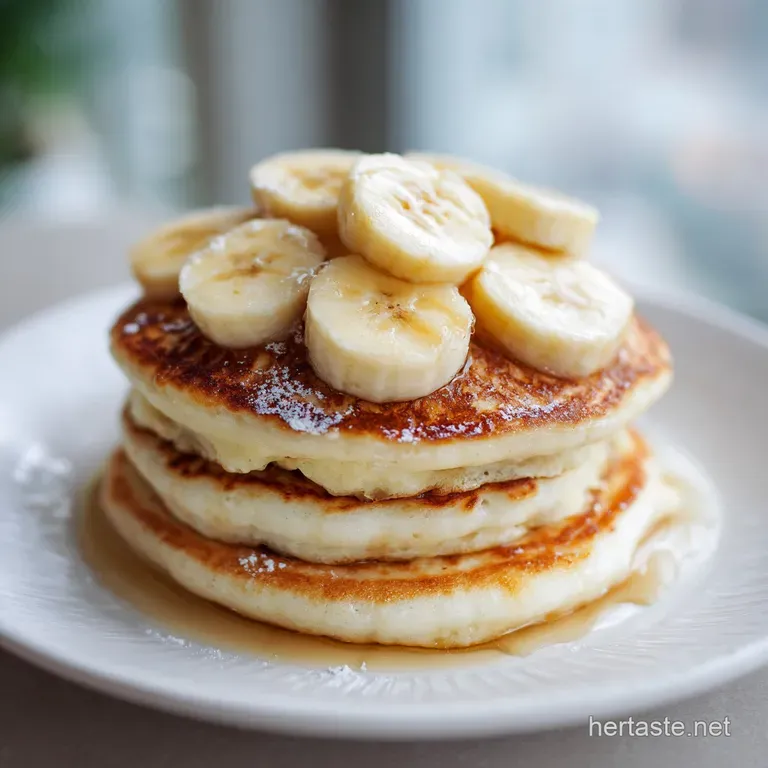
- Prep the fruit. Peel the 2 large overripe bananas and place them in a large mixing bowl.
- Mash thoroughly. Use a fork or potato masher to crush the bananas until mostly smooth with a few small lumps. Note: Small lumps create molten pockets of fruit in the finished cake.
- Whisk wet ingredients. Add the 2 eggs, 1/2 cup Greek yogurt, and 1 tsp vanilla extract to the bowl. Whisk until the mixture is pale and well combined.
- Combine dry ingredients. In a separate smaller bowl, whisk together 1 cup all purpose flour, 1/2 cup rolled oats, 1 tbsp sugar, 1 tsp baking powder, 1/2 tsp baking soda, and 1/2 tsp sea salt.
- Merge the two. Gently fold the dry ingredients into the wet banana mixture. Stop mixing as soon as no streaks of flour remain.Note: Overmixing will lead to a tough, rubbery texture.
- Rest the batter. Let the bowl sit on the counter for 5 to 10 minutes. Wait until you see small bubbles forming on the surface.
- Heat the pan. Place your skillet over medium low heat and add a small knob of butter or a light spray of oil.
- Portion the batter. Drop 1/4 cup measurements of batter onto the hot surface. Ensure there is 2 inches of space between each.
- The first flip. Cook for 2 to 3 minutes until bubbles appear and the edges look matte and set. Flip carefully with a thin spatula.
- Finish and serve. Cook the second side for another 1 to 2 minutes until golden brown and the center springs back when touched.
Fixing Common Cooking Errors
One of the most common complaints I hear is that these can be "gummy." This usually happens when the pan is too hot, causing the outside to look done while the moisture heavy inside stays wet. Patience is key here. Think of it as a low and slow process rather than a quick sear.
Gummy Center Solutions
If your cakes are brown on the outside but raw inside, your heat is too high. Lower the flame to medium low. The oats need time to hydrate and the eggs need time to set. You can also try covering the pan with a lid for 60 seconds to help the steam cook the center.
Sticking Pan Fixes
Even with a non stick pan, banana batter can be clingy because of the high sugar content. Ensure your pan is fully preheated before adding the oil or butter. If you add batter to a cold pan, it will bond to the surface like glue.
Flat Batter Solutions
If your pancakes look like crepes, your leavening agents might be expired. You can test your baking powder by dropping a pinch into hot water; if it fizzes vigorously, it’s good. Also, make sure you aren't over mashing the banana into a complete liquid leave a little texture.
| Problem | Root Cause | Solution |
|---|---|---|
| Burnt exterior, raw middle | Heat is too high | Lower heat; use a lid to trap steam for 1 min. |
| Pancakes are falling apart | Too much banana/Too few eggs | Ensure you use exactly 2 eggs for every 225g of fruit. |
| Dense and chewy | Overmixed batter | Fold gently; stop when flour streaks disappear. |
Common Mistakes Checklist
- ✓ Stop mixing the moment the flour is incorporated to avoid gluten development.
- ✓ Let the batter rest for 5-10 minutes to allow the oats to soften.
- ✓ Use a neutral oil or clarified butter to prevent the fat from burning.
- ✓ Don't crowd the pan; three cakes at a time is usually the limit for a 12 inch skillet.
- ✓ Pat the bananas dry if they seem excessively watery after mashing.
Creative Customization Options
If you are cooking for a large family, scaling this recipe is straightforward. I often double the batch when I have a whole bunch of bananas about to go bad. Just remember that when you double the recipe, you don't necessarily need to double the salt keep it to about 1.5x the original amount to avoid an overly salty batter.
Scaling Down (For 1-2 People)
To make a half batch, use 1 banana, 1 egg, and 1/4 cup yogurt. Since you can't easily half a teaspoon of baking soda, just use a "generous pinch." Use a smaller 8 inch skillet to maintain heat efficiency.
Scaling Up (For a Crowd)
For a double batch, use a large electric griddle set to 325°F. This allows you to cook 8-10 pancakes at once. You can keep the finished cakes warm in a 200°F oven on a wire rack while you finish the rest of the batter.
| Servings | Banana Count | Flour Amount | Pan Size Recommendation |
|---|---|---|---|
| 2-3 People | 1 large | 1/2 cup | 8 inch skillet |
| 4-5 People | 2 large | 1 cup | 12 inch skillet |
| 8-10 People | 4 large | 2 cups | Large electric griddle |
For those looking for a healthier twist, you might want to try this GuiltFree Zero Point recipe which focuses on keeping the calorie count low without sacrificing that iconic banana flavor.
Storing And Reheating Tips
Storage Guidelines
These stay surprisingly fresh in the fridge for up to 4 days. Store them in an airtight container with a piece of parchment paper between each cake to prevent them from sticking. If you want to freeze them, they last for up to 2 months.
I recommend flash freezing them on a baking sheet for an hour before tossing them into a freezer bag.
Zero Waste Tips
Don't throw away those banana peels! You can actually use them to fertilize your houseplants by soaking them in water for 24 hours. As for the pancake scraps, if you have leftovers that are getting a bit dry, chop them up and use them as a "bread" base for a quick breakfast bread pudding.
Perfect Side Dish Pairings
While these are a meal on their own, a few sides can really round out the experience. I love serving these with a side of crispy turkey bacon or a dollop of extra Greek yogurt mixed with a little honey. The saltiness of the bacon cuts through the sweet fruit beautifully.
- Maple Glazed Walnuts: For a crunch that mimics the texture of the oats.
- Fresh Berries: The acidity of raspberries or blueberries balances the density of the banana.
- Nut Butter Drizzle: Almond or peanut butter adds a healthy dose of fat and protein.
If you are looking for a more traditional bake to go alongside your brunch spread, my Classic Banana Bread Recipe is a fan favorite that uses the same "overripe banana" philosophy. It’s perfect for those who want that comforting, nostalgic aroma to fill the whole house.
Myths About Banana Batters
The "More Banana Is Better" Myth
Many people think adding three or four bananas to a single batch will make it taste better. In reality, too much fruit adds too much moisture and weight. This prevents the leavening agents from lifting the batter, resulting in a flat, gummy mess. Stick to the ratio in the recipe for the best structural integrity.
The "Batter Can't Sit" Myth
Some folks believe you have to cook the batter the second it's mixed. While it's true that the chemical reaction starts early, a 10 minute rest actually helps the oats and flour hydrate. This leads to a more uniform texture and a better rise once the batter finally hits the heat.
The "High Heat For Crispy Edges" Myth
High heat just burns the sugars in the banana. To get crispy edges, use a moderate amount of butter and medium low heat. The "crisp" comes from the fat frying the edges of the batter slowly, not from searing it at a million degrees.
Recipe FAQs
What does adding bananas to pancakes do?
Yes, it adds sweetness, moisture, and density. The natural sugars in the banana caramelize during cooking, creating a richer crust, while the fruit puree tenderizes the crumb.
How to put bananas into pancake mix?
Mash the bananas thoroughly until mostly smooth. Fold the mashed fruit into the wet ingredients before combining them with the dry ingredients.
Is it healthy to eat banana pancakes?
Generally yes, especially with modifications like using whole grains or Greek yogurt. They provide natural fruit sugars, potassium, and fiber, but watch the syrup additions.
Can I just add mashed bananas to any standard pancake mix?
No, you should adjust the liquid content slightly if using a commercial mix. Excess moisture from the fruit can thin the batter too much, requiring you to add a tablespoon or two of extra flour.
What happens if I use underripe bananas instead of spotted ones?
They will be starchy and less sweet, potentially yielding a heavier cake. Overripe bananas have converted more starch to sugar, which leads to better moisture and deeper caramelization during the Maillard reaction.
Should I use baking soda or baking powder when adding bananas?
Use both for optimal lift when bananas are present. The acidity of the banana (and any added yogurt) activates the baking soda, while the baking powder provides a secondary, consistent lift.
Can I substitute the milk in the recipe with something else for flavor?
Yes, alternatives work well to change the texture profile. For example, buttermilk or Greek yogurt adds tang that balances the sweetness, similar to the technique used in our Buttermilk Pie Recipe.
Pancake Banana In Minutes
Ingredients:
Instructions:
Nutrition Facts:
| Calories | 140 kcal |
|---|---|
| Protein | 5.1 g |
| Fat | 3.6 g |
| Carbs | 22 g |
| Fiber | 1.6 g |
| Sugar | 4.2 g |
| Sodium | 278 mg |
