One-Pot Taco Pasta: Cheesy and Zesty
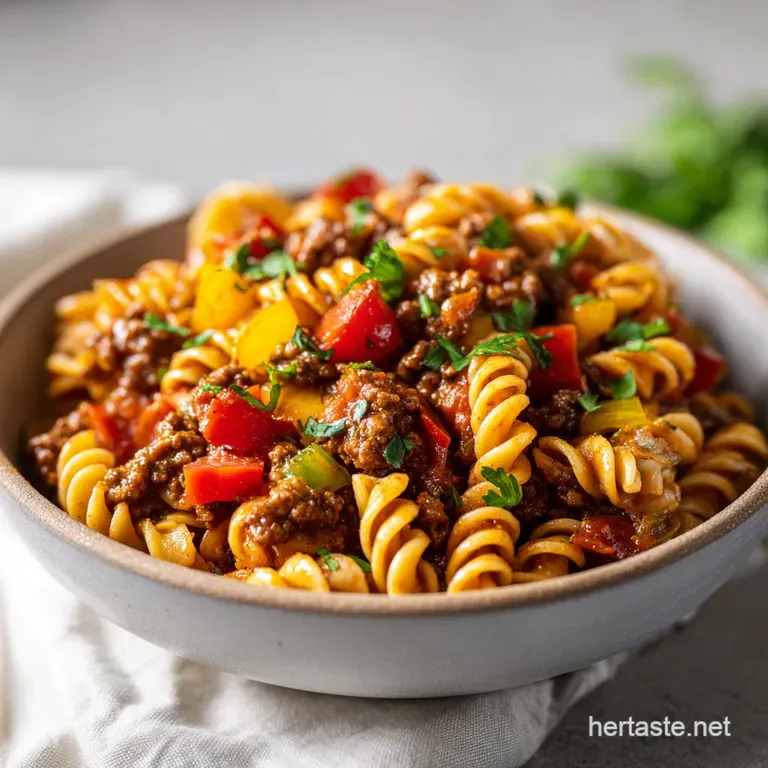
- Time: Active 10 minutes, Passive 20 minutes, Total 30 minutes
- Flavor/Texture Hook: Velvety cheese sauce with a zesty chili kick
- Perfect for: Hectic Tuesday nights or beginner meal prep
- Solving the Greasy Taco Pasta Problem
- The Taco Pasta Precision Specs
- Essential Component Flavor Analysis
- Hardware for Efficient Cooking
- Executing the Perfect One Pan Skillet
- Solving Texture and Sauce Issues
- Adaptations for Every Diet
- Managing Your Pasta Inventory
- Serving the Ultimate Family Feast
- Very High in Sodium
- Recipe FAQs
- 📝 Recipe Card
Solving the Greasy Taco Pasta Problem
We've all been there with a skillet meal that looks more like a soup than a pasta dish. You follow a random recipe, throw everything in, and end up with a pool of orange grease floating on top of mushy noodles. It’s frustrating because you wanted a vibrant, comforting meal, but you got a heavy mess instead.
The biggest culprit is usually failing to brown the meat properly or using too much liquid that never quite emulsifies into a real sauce.
This version is the targeted fix for those exact issues. I remember the first time I tried making this for a friend's housewarming, and I didn't drain the beef enough. The sauce looked broken, and the pasta was waterlogged.
I realized that the secret isn't just dumping ingredients into a pan; it's about the order of operations and managing the moisture. We want the pasta to absorb the beef broth, not just sit in it.
When you get the sear right on the beef and the simmer just low enough, something magical happens. The starches from the pasta shells mingle with the taco seasoning and the fats, creating a glossy coating that actually sticks to the shells.
You'll get that distinct sizzle when the meat hits the pan and a velvety finish once the cheddar melts in. Let's make sure your next dinner is the one everyone asks for the recipe for.
The Taco Pasta Precision Specs
Before we start browning beef, let's look at the timing and temperature that make this work. Many people rush the simmering stage, but the pasta needs that exact window of time to reach an al dente texture without becoming a paste.
| Method | Cook Time | Pasta Texture | Best For |
|---|---|---|---|
| Stovetop | 20 minutes | Firm & Al dente | Quick weeknight meals |
| Oven Bake | 35 minutes | Soft & Tender | Golden cheese crust fans |
| Crockpot | 3 hours | Very Soft | Set it and forget it days |
Using a heavy bottomed skillet is non negotiable here. A thin pan will create hot spots that scorch your garlic before the beef is even browned. I prefer a 12 inch cast iron or a heavy stainless steel skillet to ensure even heat distribution.
If you use a pan that's too small, the beef will steam rather than sear, and you'll miss out on that deep mahogany crust that provides all the depth.
Essential Component Flavor Analysis
Understanding the "why" behind your ingredients helps you become a better cook. This isn't just about throwing things in a pot; it's about how the proteins, fats, and acids interact to create a balanced bite.
- Starch Binding: By cooking the dry pasta shells directly in the beef broth, we keep the starch in the pan. This starch acts as a natural thickener, turning the broth into a silky sauce rather than a thin soup.
- Fat Management: Using 90/10 lean ground beef gives you enough fat for flavor without leaving a heavy oil slick on the surface of your sauce.
- Acid Balance: The canned tomatoes with green chiles provide a necessary hit of acid. This brightness cuts through the heavy creaminess of the sour cream and cheddar cheese.
- Dairy Stabilization: Sour cream is added at the very end to prevent the sauce from breaking. It acts as a bridge between the broth and the melted cheese.
| Ingredient | Science Role | Pro Secret |
|---|---|---|
| Beef Broth | Hydration agent | Use low sodium to control the salt levels perfectly. |
| Diced Tomatoes | Acidic brightener | Keep the juice! It provides essential cooking liquid for shells. |
| Sharp Cheddar | Fat & Emulsion | Grate your own from a block for a smoother melt. |
If you’re craving more cheesy comfort after this, my creamy chicken spaghetti is another big win for busy nights. It uses a similar logic of building a sauce directly around the pasta to save time and maximize flavor.
Hardware for Efficient Cooking
You don't need a professional kitchen, but having the right tools makes the process seamless. A 12 inch heavy bottomed skillet is your primary workhorse. The surface area is important because it allows the beef to spread out and brown rather than piling up and boiling in its own juices.
A stiff wooden spoon is my favorite tool for this. It’s strong enough to break up the ground beef effectively and flat enough on the bottom to scrape up the browned bits (the fond) after you add the liquid.
If you use a flimsy plastic spatula, you won't get that clean scrape on the bottom of the pan, and you'll leave flavor behind.
Finally,, a tight fitting lid is essential. During the 10 to 12 minutes of simmering, that lid traps the steam required to cook the tops of the pasta shells that aren't fully submerged. Without it, you'll end up with pasta that is crunchy on one side and mushy on the other.
Executing the Perfect One Pan Skillet
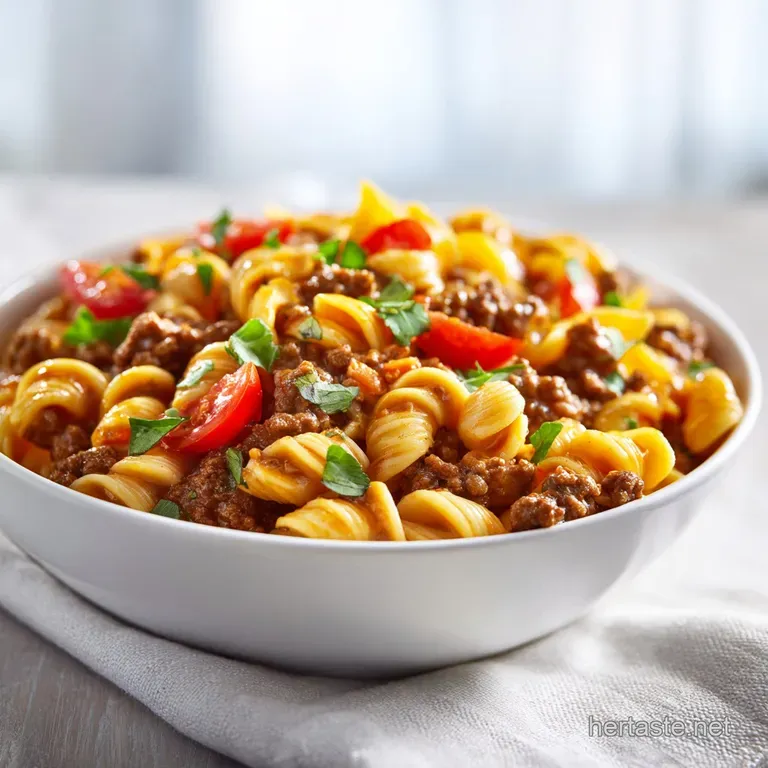
- Place a 12 inch heavy bottomed skillet over medium high heat. Note: This ensures the beef sears immediately upon contact.
- Add the ground beef and diced onion, breaking the meat apart with a spatula. Cook until the beef is browned and a mahogany crust develops.
- Add the minced garlic and cook for an additional 30 seconds until the aroma fills the kitchen. Drain any excess grease if necessary.
- Stir in the taco seasoning, undrained diced tomatoes with green chiles, and beef broth.
- Add the dry pasta shells, ensuring they are mostly submerged in the liquid.
- Bring the mixture to a boil, then immediately reduce the heat to a simmer. Note: A hard boil for too long will break the pasta apart.
- Cover with a lid and cook for 10-12 minutes until the pasta is tender but still has a bite.
- Remove the lid and stir in the sour cream and shredded cheddar cheese.
- Continue stirring until the sauce becomes velvety and coats every shell.
- Remove from heat and let it sit for 2 minutes to thicken before serving.
Chef's Tip: Freeze your block of cheddar for 10 minutes before grating. It makes the cheese firmer and prevents it from clumping in the grater, leading to much thinner, meltier shreds.
Solving Texture and Sauce Issues
The most common frustration with one pot pasta is the liquid ratio. Sometimes the pasta is still hard, but the pan is bone dry. Other times, it looks like a stew. This usually happens because of "evaporation variance" - basically, how much steam escapes your pan.
Pasta is Still Hard, but Liquid is Gone
This happens if your heat was a bit too high or your lid wasn't tight enough. The liquid evaporated before the starch could soften. Don't panic and add two cups of water; that will dilute the flavor.
Add just a quarter cup of hot broth or water at a time, put the lid back on, and give it another 2 minutes.
| Problem | Root Cause | Solution |
|---|---|---|
| Grainy Sauce | Pre shredded cheese | Use block cheese; cellulose in bags prevents smooth melting. |
| Bland Flavor | Low salt in broth | Add a pinch of salt or a squeeze of lime at the end. |
| Oily Surface | Meat not drained | Blot the beef with a paper towel before adding broth. |
Common Mistakes Checklist
- ✓ Pat the beef dry with a paper towel if it looks wet before browning to get a better sear.
- ✓ Never skip the "30 second garlic rule" - adding it too early leads to a bitter, burnt taste.
- ✓ Use room temperature sour cream to prevent the sauce from "shocking" and curdling.
- ✓ Grate your cheese fresh; the starch on bagged cheese creates a gritty texture.
- ✓ Keep the lid on for the full simmer time to ensure the steam cooks the pasta evenly.
Adaptations for Every Diet
This recipe is incredibly flexible. While the beef and cheddar version is the classic, you can easily pivot based on what's in your pantry or your specific dietary needs. If you want to make this leaner, you can swap the beef for ground turkey.
Just keep in mind that turkey has less fat, so you might need to add a teaspoon of oil to the pan to get the onions softening properly.
For those who love layering flavors but want something a bit more traditional, you might enjoy my homemade lasagna recipe as a weekend project. It uses similar flavor building blocks but in a more structured format.
| Original Ingredient | Substitute | Why It Works |
|---|---|---|
| Ground Beef | Ground Turkey | Lower fat content. Note: May need extra seasoning as turkey is milder. |
| Sour Cream | Greek Yogurt | Same tang and creaminess with more protein. |
| Pasta Shells | Rotini | Similar surface area for sauce to cling to. |
If you want a "Taco Pasta Crockpot Recipe" version, you'll need to brown the beef and onions first. Transfer them to the slow cooker with the tomatoes, seasoning, and only 1.5 cups of broth. Cook on low for 3 hours, then stir in the dry pasta during the last 30 minutes of cooking.
Finish with the dairy just before serving.
Managing Your Pasta Inventory
If you have leftovers, this dish actually holds up surprisingly well. Because the sauce is emulsified with sour cream and starch, it doesn't separate as badly as a traditional cream sauce might.
- Fridge: Store in an airtight container for up to 4 days.
- Freezer: You can freeze this for up to 2 months. However, be aware that the pasta will be softer once thawed. To combat this, undercook the pasta by 2 minutes if you know you are making a batch specifically for the freezer.
- Reheating: The pasta will absorb the sauce as it sits. When you reheat it, add a splash of milk or broth to loosen it back up and regain that velvety texture.
Zero Waste Tip: Don't throw away the stems from the cilantro you might use as a garnish! Finely chop them and sauté them right along with your onions and garlic. They pack even more flavor than the leaves and add a great texture to the base of the sauce.
Serving the Ultimate Family Feast
Presentation matters, even for a quick weeknight meal. I love serving this straight out of the skillet to keep it hot, but the toppings are where you can really show off. Think of it like a taco bar in a bowl.
A handful of crushed tortilla chips on top provides a much needed "shatter" of texture against the soft pasta and creamy sauce.
Freshness is the key to balancing the heavy flavors. A big squeeze of lime juice right before you eat will brighten everything up. If you have some pickled jalapenos or fresh avocado, throw those on too.
The contrast between the hot, cheesy pasta and the cold, fresh toppings is what makes this feel like a restaurant meal rather than just a quick fix.
There is a common myth that you have to boil pasta in a huge pot of salted water for it to be good. That’s simply not true for skillet meals. Cooking the pasta in the sauce itself isn't "cheating" it's actually a superior way to ensure the noodles are flavored all the way through.
Another myth is that you can't use milk instead of broth. You can, but you'll lose that deep savory note that the beef broth provides. Stick to the broth for the best results!
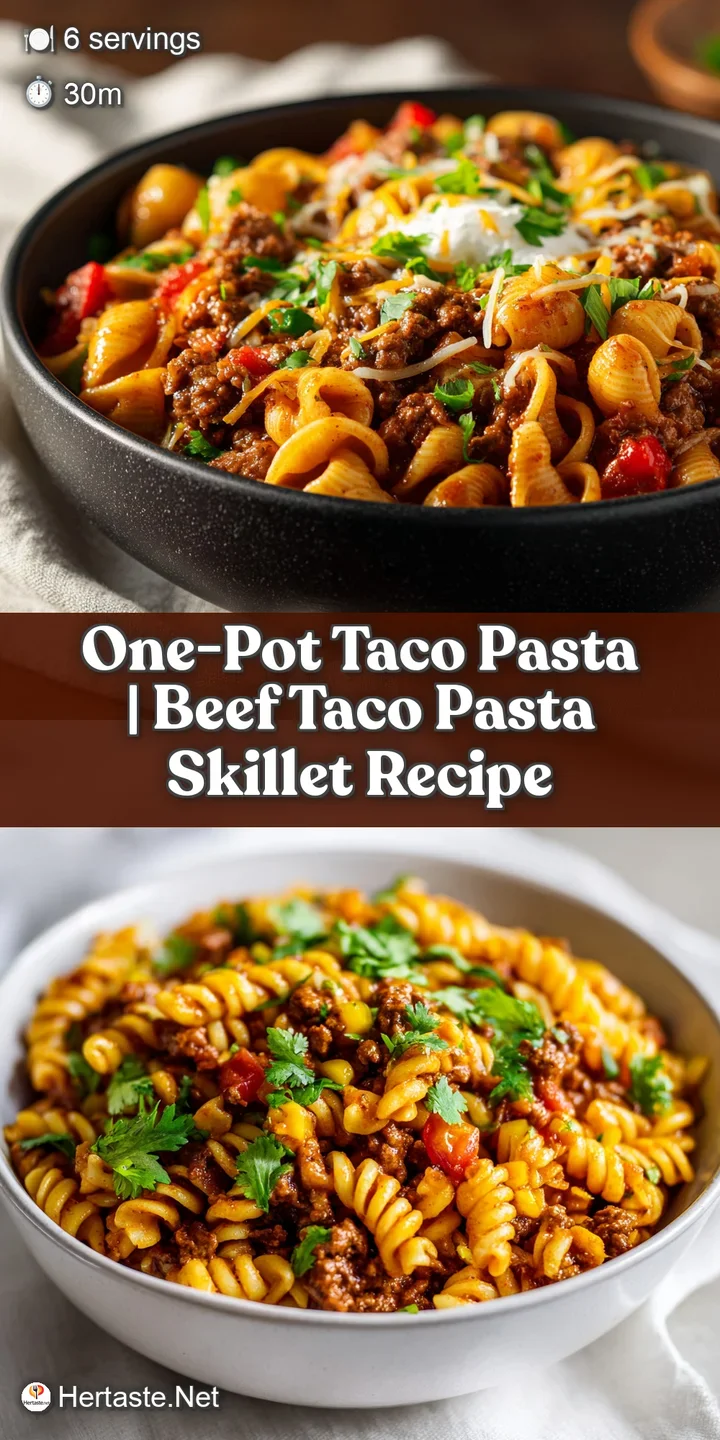
Very High in Sodium
925 mg 925 mg (40% 40%)
The American Heart Association recommends limiting sodium intake to no more than 2,300mg per day, with an ideal limit of less than 1,500mg per day for most adults.
Tips to Reduce Sodium
-
Homemade Taco Seasoning-25%
Commercial taco seasonings are often very high in sodium. Create your own blend using chili powder, cumin, paprika, garlic powder, onion powder, and oregano to significantly cut down on sodium.
-
Low-Sodium Diced Tomatoes-20%
Opt for no-salt added or low-sodium diced tomatoes with green chiles. This ingredient can be a hidden source of sodium, and switching will make a noticeable difference.
-
Reduced Sodium Cheese-15%
Use sharp cheddar cheese that is labeled as reduced sodium. While cheese adds flavor, its sodium content can be high, so this is an effective swap.
-
Reduce Broth Portion-10%
While you're already using low-sodium beef broth, consider reducing the amount of broth slightly and supplementing with water or an even lower sodium alternative if available. However, ensure pasta cooks properly.
-
Enhance Flavor with Herbs & Spices
Boost the flavor profile by adding fresh or dried herbs like cilantro, parsley, or a pinch of cayenne pepper. This helps compensate for reduced sodium without adding any sodium itself.
Recipe FAQs
What is a taco pasta?
A hybrid dish combining ground beef, taco seasoning, and pasta shells. It features a savory sauce created by simmering pasta directly in beef broth, tomatoes, and spices, finished with sour cream and sharp cheddar for a velvety texture.
Are tacos and pasta a good combination?
Yes, they work well together because of the shared flavor profiles. The savory, spiced ground beef mimics the base of a taco, while the pasta provides a comforting vessel for the seasoned liquid and melted cheese.
What are the best noodles for this dish?
Medium shells are the top choice. Their concave shape acts like a scoop, effectively catching the seasoned broth and small bits of beef in every bite.
How to get a better crust on the ground beef?
Pat the beef dry with a paper towel before adding it to the skillet. Removing excess surface moisture ensures the meat browns properly rather than steaming, which is a technique that also helps when preparing our Keto Lasagna.
How to prevent the sauce from curdling?
Use room temperature sour cream when stirring it into the final mixture. Adding cold dairy to a hot skillet can cause it to "shock" and separate, so letting it sit on the counter for a few minutes prevents this texture issue.
Why should I grate my own cheese?
Bagged shredded cheese contains potato starch or cellulose to prevent clumping. This additive stops the cheese from melting into a smooth, velvety consistency and instead creates a gritty texture in your sauce.
Is it true I can remove the lid while the pasta simmers?
No, this is a common misconception. You must keep the lid on for the full 10 12 minutes to trap the steam, which is necessary to cook the shells evenly in the limited amount of broth.
One Pot Taco Pasta
Ingredients:
Instructions:
Nutrition Facts:
| Calories | 458 kcal |
|---|---|
| Protein | 29.4 g |
| Fat | 21.6 g |
| Carbs | 33.1 g |
| Fiber | 2.2 g |
| Sugar | 3.8 g |
| Sodium | 925 mg |
