Baked Salmon: the Flaky Lemon-Garlic Butter Fillets Recipe
- Master the Flaky Fillet: The Ultimate Lemon-Garlic Baked Salmon Recipe
- Essential Components: Ingredients for the Best Lemon-Garlic Baked Salmon
- Achieving Flaky Perfection: The Science Behind Moist Baked Salmon
- From Prep to Plate: Detailed Instructions for Baking Salmon
- Pro-Tips for Success and Troubleshooting Common Baked Salmon Mistakes
- Completing the Meal: What to Serve Alongside Your Flaky Salmon
- Handling Leftovers: Reheating and Storage Guidelines
- Recipe FAQs
- 📝 Recipe Card
Master the Flaky Fillet: The Ultimate Lemon Garlic Baked Salmon Recipe
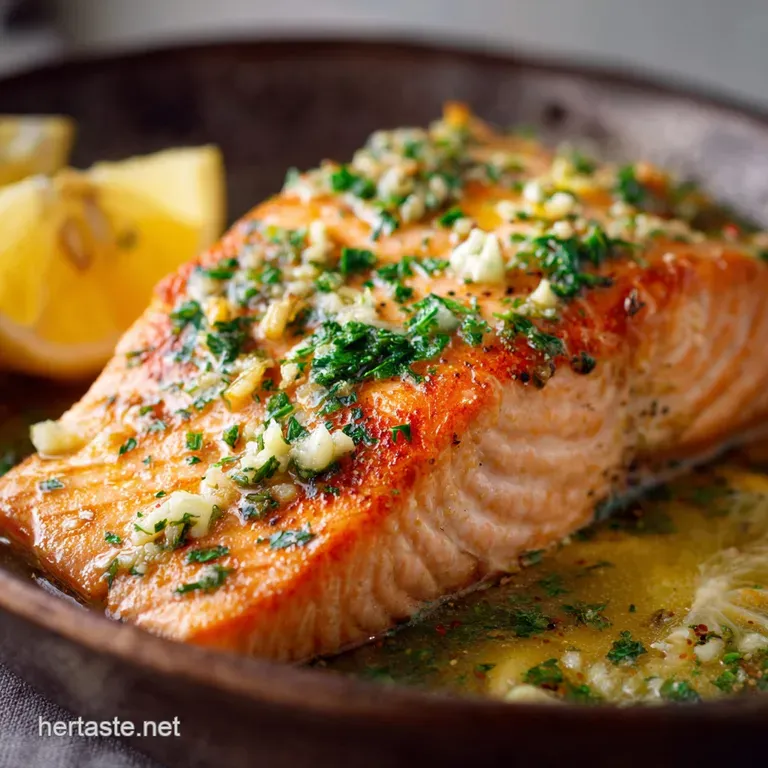
That smell hitting the oven vent when this starts cooking? It’s pure, garlicky, herby heaven. When you bite into it, the texture is everything: perfectly moist, ridiculously flaky, and saturated with that zesty lemon butter baste we’re going to make.
This is not the dry, sad fish you’ve suffered through before.
Look, we all need dinner on the table fast . Forget the takeout menus; you can literally have restaurant quality, low carb baked salmon done faster than the delivery guy can ring your bell.
This classic baked salmon recipe easy approach is my absolute lifesaver on Tuesdays when I feel like I've run a marathon just getting home.
I’ve streamlined this method to eliminate dry edges and guarantee flakiness every single time, which is key to mastering baked salmon in oven. We’re using a surprisingly simple technique, one I wish I’d known years ago when I first started burning fish. Trust me on this one; let's crack on.
Why 20 Minutes Changes Everything (Speed and Flavor)
We are baking at a higher heat than you might be used to, and that is the secret sauce here. Roasting your salmon fillets at 400°F (200°C) means they cook through quickly before the moisture has time to fully escape. Speed equals moisture.
This method is brilliant for busy weeknights because you get maximum flavor extraction from the garlic and herbs in minimal time. A thicker piece of fish will take around 15 minutes, and a thinner fillet might be done in 12. You have to be quick, but the reward is worth it.
The Mediterranean Secret: Butter, Lemon, and Herb Perfection
What makes this iteration of baked salmon superior is the self basting technique. We coat the fish thickly with softened butter loaded with aromatics. As the butter melts, it cascades over the fish, infusing the flavor and keeping the surface protected from the dry heat.
The combination of fresh lemon zest and juice with dill and parsley is just classic . It cuts through the richness of the salmon beautifully. This is effortless, elegant cooking, and it's the simplest way to get that incredible baked salmon fillet recipe taste.
A Simple Guide for Beginners (Mastering the Technique Quickly)
The most stressful part of cooking fish is usually worrying about whether it’s done, right? Not here. We rely on two key things: a timer and a thermometer.
If you can chop some herbs and spread butter, you can nail this baked salmon recipe easy. We aren't doing any fancy searing or flipping; just set it and forget it for about 14 minutes. This is a forgiving approach perfect for absolute beginners.
Essential Components: Ingredients for the Best Lemon Garlic Baked Salmon
Honestly, you only need five things for the flavor to truly pop, and quality matters here. Get the freshest herbs you can find. Don't skimp on the garlic either; three cloves is the minimum, not the suggestion.
We're going for classic, bright flavor that complements the richness of the fish. If you want something stickier and smokier, you might prefer my recipe for BourbonGlazed Salmon Recipe: Sticky, Smoky, Restaurant Quality Dinner instead.
Achieving Flaky Perfection: The Science Behind Moist Baked Salmon
The goal of baking salmon is simple: cook the proteins until they are safe and opaque without squeezing out all the internal moisture. This is why high heat works better than slow baking for thinner fish. The fish hits its target temperature quickly, leaving the fats locked inside the muscle fibers.
Selecting the Perfect Fillet: Skin-On vs. Skinless Debate
I am firmly in the skin-on camp when it comes to baked fish. The skin acts as a built-in protective layer between the delicate flesh and the hot baking sheet, making it much easier to achieve moist salmon.
If you prefer skinless, that’s fine, but make sure you use parchment paper liberally to prevent sticking. Always buy center cut fillets if you can; they offer the most consistent thickness for even cooking.
Must Haves: Fresh Herbs (Dill, Parsley) and Aromatic Garlic
Seriously, using dried herbs here is one of the biggest baked salmon mistakes people make. Dried dill just won't give you that vibrant, fresh flavor that makes the lemon garlic butter baked salmon sing.
I once tried to swap the fresh herbs for dried Italian seasoning, and the result was weirdly flat and dusty tasting. Go for fresh parsley, fresh dill, or a mix of both. The aroma alone is worth the extra 30 seconds of chopping.
Ingredient Swaps: Oil vs. Butter and Zest vs. Juice
Yes, you can substitute ingredients, but they will subtly change the final texture. Butter yields the richest, most decadent sauce, but olive oil is a perfectly viable alternative for a dairy-free option.
| Component | Standard Ingredient | Substitution Option | Notes on Swap |
|---|---|---|---|
| Fat Base | Unsalted Butter | high-quality Olive Oil | Use 3 Tbsp of oil for 4 Tbsp of butter. |
| Acidity | Fresh Lemon Juice | White Wine or Lime Juice | Lime works, but use slightly less it's stronger. |
| Herbs | Fresh Dill/Parsley | Fresh Chives or Dried Oregano | Reduce dried herbs significantly (use 1 tsp total). |
over High heat Roasting vs. Slow Baking (Optimizing Texture)
We rely on over high heat roasting (400°F) because we want those fish proteins to set quickly. Slow baking, while great for some applications (like my Baked Thick Pork Chops: The Butchers Cut Recipe for Ultimate Juiciness ), tends to dry out the delicate flakes of salmon.
High heat ensures that the surface of the salmon lightly browns while the butter baste locks in the interior moisture. It creates a beautiful textural contrast, yielding that highly desired ultra flaky interior.
From Prep to Plate: Detailed Instructions for Baking Salmon
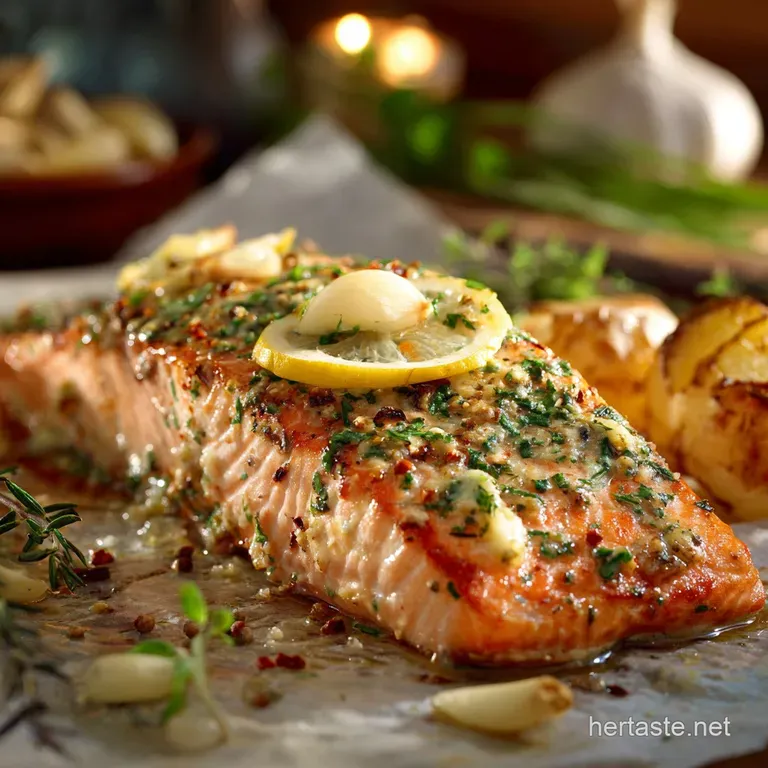
The Prep: Making the Signature Lemon Garlic Butter Baste
The butter needs to be softened, not melted. You need to be able to mix it vigorously with the minced garlic, salt, pepper, and herbs. This creates a thick paste that will sit beautifully on top of the raw fish.
Pro Tip: Mix in the lemon zest with the butter, but save the actual lemon juice for drizzling right before it goes into the oven. The zest has the potent oil, but the juice acts as a final layer of moisture.
Wrapping vs. Open Pan: Optimizing the Baking Environment
For this easy baked salmon in oven recipe, we are using an open pan approach. Wrapping the fish in foil (often called en papillote ) essentially steams it, which is fine, but it leaves the fish without any textural difference on top.
We want a little color and concentration of flavor on the surface. We use the oil-brushed parchment paper underneath to prevent sticking, and we leave the top open to the heat. This method guarantees a buttery, slightly crisp edge.
The Doneness Test: Achieving an Internal Temperature of 145°F
I cannot stress this enough: buying an instant read thermometer is the single best investment you can make for perfect fish. Don't guess the baked salmon temp and time.
Insert the probe into the thickest part of the fillet. You are pulling the fish out of the oven when it hits 140°F (60°C). It will continue cooking rapidly for a few minutes once out, hitting the USDA safe temperature of 145°F (63°C) during the rest period.
That 5 degree window is the difference between flaky and tough.
Pro-Tips for Success and Troubleshooting Common Baked Salmon Mistakes
The Importance of Resting Time (Carryover Cooking)
Just like a steak or a roast chicken, salmon needs to rest. When you pull it out of that 400°F oven, the heat trapped inside continues to cook the fish for 3- 5 minutes.
Chef's Note: If you serve the salmon immediately, you lose moisture as the fibers tighten up. Resting allows the juices (and that glorious garlic butter) to redistribute throughout the fillet, resulting in maximum flavor and moisture.
How to Prevent Sticking (The Foil/Parchment Strategy)
People hate it when the skin rips off and half the fish stays welded to the tray. The fix is so simple. Line the pan with aluminum foil, then line the foil with parchment paper, and finally, brush the parchment with a tiny bit of olive oil.
This triple layer defense ensures absolutely nothing sticks. Clean-up is then just a matter of bundling up the paper and tossing it beautiful.
Fixing Dry Salmon: Emergency Moisture Solutions
Did you accidentally leave your quick baked salmon recipe in for 18 minutes instead of 14? We've all been there. It’s okay!
If the fish feels slightly dry when you cut into it, don't panic. Simply add extra moisture. Spoon more of the pan juices over it, or whip up a quick sauce using plain Greek yogurt, dill, and a squeeze of fresh lemon.
Completing the Meal: What to Serve Alongside Your Flaky Salmon
This simple yet elegant lemon garlic butter baked salmon pairs well with almost anything that can soak up the glorious pan sauce. Since this is a very light main dish, I like to contrast it with something hearty or something bright and green.
Quick Vegetable Sides (Asparagus, Green Beans, Zucchini)
You can throw your veg on the same baking sheet for the ultimate sheet pan dinner! Toss asparagus spears or thick slices of zucchini with olive oil, salt, and pepper, and place them on the tray alongside the salmon. They take roughly the same amount of time to cook at 400°F.
Starch Pairings: Rice, Quinoa, or Roasted Potatoes
A classic buttered rice pilaf is always a winner. I love to serve this alongside something smoky and sweet like my Pennsylvania Dutch Beans Recipe: Sweet, Smoky, and Sour Baked Beans . The contrast in flavor is just fantastic. If you want something truly low-carb, opt for cauliflower rice or mashed cauliflower.
Handling Leftovers: Reheating and Storage Guidelines
Best Method for Reheating Without Drying Out
Baked salmon is safe in the fridge for 3 days. When reheating, the key is low temperature and added moisture. Forget the microwave it will turn the fish into a rubbery horror show.
- Preheat your oven to 275°F (135°C).
- Place the leftover salmon on a small baking sheet.
- Add a tablespoon of water or broth to the bottom of the pan and cover the fish tightly with foil.
- Bake for 10– 15 minutes until warmed through. The moisture from the liquid steams the fish gently, keeping it moist.
Freezing Salmon Fillets
Baked salmon can be frozen, though the texture will be slightly softer upon thawing. Wrap individual cold fillets tightly in cling film, then place them in a freezer safe bag. It will last about three months. Thaw overnight in the fridge and follow the low and slow reheating instructions above.

Recipe FAQs
Why did my baked salmon turn out dry?
Dryness is almost always caused by overcooking or too high a heat setting. Ensure your oven temperature is accurate (around 400°F/200°C) and check the internal temperature; salmon is technically done at 145°F (63°C), but many chefs pull it at 135-140°F for maximum moisture carryover.
Also, regular basting with the lemon garlic butter helps immensely, so don't skip brushing it on halfway through the cook time.
How do I know when the salmon is perfectly cooked?
The best indicator is flakiness and color. When fully cooked, the salmon should easily flake apart with a fork and turn opaque light pink throughout. If you are using a thermometer, the safest internal temperature is 145°F (63°C) measured in the thickest part of the fillet.
Can I substitute the butter for a dairy-free alternative?
Yes, absolutely. You can substitute the butter with olive oil or a dairy-free butter alternative for a healthier or lactose free option. Olive oil provides a great heart healthy fat and pairs exceptionally well with the lemon and garlic flavours in this recipe.
Just ensure you use enough fat to generously coat the fish and the pan to prevent sticking.
Should I use skin-on or skin off salmon fillets for baking?
For baking, skin-on is highly recommended, as the skin acts as a protective layer, helping the fillet retain moisture and preventing the delicate flesh from drying out. If you don't plan on eating the skin, it is much easier to slide the cooked fish off the crispy skin once it’s done, leaving a clean piece of flesh.
Can I cook this recipe on the grill instead of baking?
Absolutely, this recipe works beautifully on the grill or barbecue. Cook the salmon skin side down on medium high heat (about 400°F) for 12 15 minutes, using aluminum foil or a cedar plank to prevent sticking. Continue basting the fish with the lemon garlic mixture throughout the grilling process.
How should I store leftover baked salmon and can I freeze it?
Leftover baked salmon can be safely stored in an airtight container in the refrigerator for up to 3 to 4 days. While it can be eaten cold, reheating leftovers should be done gently in a microwave or a low-temperature oven (300°F) to avoid drying it out.
Freezing is generally not recommended as it changes the texture significantly upon thawing.
The recipe calls for fresh garlic; can I use powdered garlic instead?
While fresh garlic offers a superior, brighter flavour, you can substitute it with powdered garlic in a pinch. Use approximately 1/4 teaspoon of garlic powder for every fresh clove recommended in the recipe.
If using powder, mix it thoroughly into the melted butter or oil mixture before basting to ensure it dissolves evenly.
Lemon Garlic Butter Baked Salmon Easy
Ingredients:
Instructions:
Nutrition Facts:
| Calories | 426 kcal |
|---|---|
| Protein | 33.8 g |
| Fat | 31.0 g |
| Carbs | 3.0 g |
