Low Carb Keto Ice Cream: the Velvet Scoop Vanilla Custard Recipe
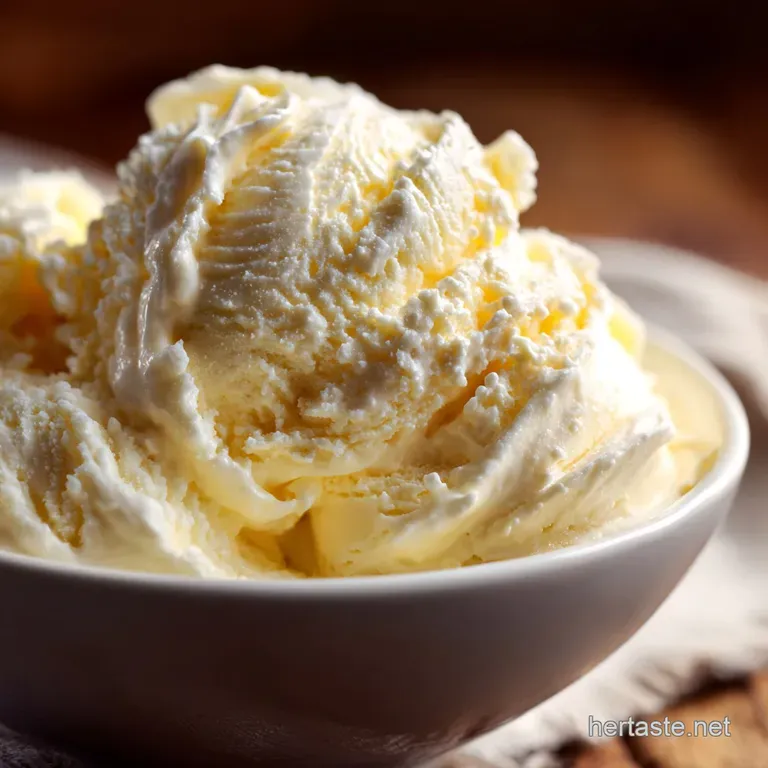
- Unlocking the Secret to The Ultimate Low Carb Keto Ice Cream
- Essential Ingredients for Your Keto Vanilla Ice Cream Base
- The Science of Smooth: Why a French Custard Base Delivers the Best Texture
- Mastering the Crème Anglaise: Step-by-Step Instructions
- Troubleshooting and Expert Tips for Perfect Low Carb Keto Ice Cream
- Long-Term Storage: Keeping Your Keto Ice Cream Scoopable
- Pairing Perfection: The Best Ways to Serve Your Vanilla Treat
- Recipe FAQs
- 📝 Recipe Card
Unlocking the Secret to The Ultimate Low Carb Keto Ice Cream
Escaping the Sugar Trap: The Keto Difference
Okay, listen up. You know that moment when you bite into homemade ice cream, and it’s pure, velvety perfection? That’s what we’re aiming for, without the sugar crash. This isn't some icy, sad frozen drink; this is true, decadent, low carb keto ice cream that tastes ridiculously rich.
It’s thick, it’s luscious, and it holds a scoop beautifully, even after a week in the deep freeze.
I used to spend a fortune on store-bought sugar-free ice cream, only to find it tasted artificial or froze into a brick. This homemade approach is a total lifesaver and incredibly fast to put together once you understand the basic technique.
You control the ingredients, you control the quality, and honestly, it’s way cheaper than those tiny pints at the health food store.
We achieve this perfect texture by going old-school, ignoring the shortcuts, and embracing the classic French custard method. It takes a little patience to chill the base properly, but trust me, the payoff is a perfectly scoopable, absolutely satisfying, best low carb keto ice cream you’ve ever made.
Let's crack on.
Why This Recipe Works
This recipe delivers superior texture because we treat it like a traditional crème brûlée base, not just sweetened milk. The secret is the high ratio of rich egg yolks we whisk into the dairy base. These yolks act as incredible natural emulsifiers and stabilizers.
The emulsified fats and proteins prevent large, jagged ice crystals from forming during the churning process, which is why store-bought low carb options often feel icy and crunchy.
By using this French custard, or crème anglaise , we create a smooth, dense, and truly creamy sugar-free ice cream .
Overview of Difficulty and Prep Time
While churning ice cream is easy, perfecting the custard base bumps the difficulty up just slightly. It requires focused attention to temperature, which is the difference between smooth velvet and sweet scrambled eggs.
The total time commitment is long, primarily due to the essential chilling time you absolutely cannot rush that step.
Essential Ingredients for Your Keto Vanilla Ice Cream Base
The quality of your ingredients really shines through here, especially since we’re limiting the flavour complexity to pure vanilla. Spend the extra money on good vanilla and use the freshest, highest fat dairy you can find. Remember, fat is flavour!
| Ingredient to Substitute | Recommended Substitution | Notes |
|---|---|---|
| Heavy Cream/Whole Milk | Full fat canned Coconut Cream/Milk (1:1 ratio) | Creates a dairy-free Keto option. May require slightly more xanthan gum for stability. |
| Large Egg Yolks | Whole eggs (increase by 2) or use heavy cream only | Results in a less rich texture; stick to yolks if possible for true creaminess. |
| Allulose | Erythritol/Monk Fruit Blend (Granulated) | Use 1:1, but the final texture will be firmer and require more defrost time before scooping. |
| Vanilla Extract | Vanilla Bean Paste (1 tsp for extract, 2 tsp for paste) | The paste provides tiny, beautiful black specks and a more intense flavour. |
| Xanthan Gum | Guar Gum (use half the amount) | Both are excellent low-carb stabilizers and help with the scoopability of low carb keto ice cream . |
The Science of Smooth: Why a French Custard Base Delivers the Best Texture
Dairy Choices: Heavy Cream vs. Coconut Cream Substitutions
You need fat for mouthfeel. Period. I use heavy cream and whole milk for maximum richness, but if you're dairy sensitive, full fat canned coconut cream works brilliantly. Make sure you scoop the thick solid cream off the top of the can; avoid the watery stuff at the bottom.
Warning: Coconut cream can sometimes taste faintly coconut-y, so dial up the vanilla to compensate.
Selecting the Best Keto Sweetener (Erythritol, Allulose, or Monk Fruit)
This is the most critical decision for any low carb ice cream recipe . Traditional sweeteners, like erythritol, tend to crystalize and make the final ice cream hard as a rock. They’re fine, but they aren't ideal. Allulose is the secret weapon.
Because it depresses the freezing point much like real sugar does, it allows the finished product to remain wonderfully soft and scoopable right out of the freezer. If you have to use erythritol, please add 1 tablespoon of vodka or glycerin right before churning to soften the texture.
The Difference Between Vanilla Bean Paste and Pure Extract
You might think vanilla is vanilla, but for a base flavour like this, you really want maximum impact. Pure extract is great, but vanilla bean paste or using an actual scraped vanilla bean elevates this keto ice cream dramatically.
The little specks of vanilla seed look incredibly gourmet, and the flavour is deeper and more complex. It's totally worth the splurge for this specific recipe.
The Role of Egg Yolks in Preventing Ice Crystals
We are aiming for a classic crème anglaise structure. Egg yolks contain lecithin, a natural emulsifier, and a ton of rich fat. When cooked correctly, these yolks bind the water and fat molecules together in a tiny, stable matrix, preventing the water from separating and turning into giant, icy chunks.
This matrix is why this is the lowest carb keto ice cream method that actually tastes like premium dessert.
Understanding the Sweetener and Freezing Point Depression
Sweeteners do more than just add flavour; they literally change the physics of freezing. The reason allulose is so prized in ice cream recipes machine users is that it lowers the temperature at which water turns solid, preventing that rock hard frozen state.
If your final product is too hard, you likely need to adjust your sweetener type or concentration, or you need to add a small amount of liquid alcohol before churning.
Mastering the Crème Anglaise: step-by-step Instructions

Tempering 101: Preventing Scrambled Eggs
This is where I failed disastrously the first three times I tried making custard. You cannot just dump cold eggs into hot milk! Separate your yolks and whisk them vigorously with the sweetener until they lighten in colour and thicken slightly.
Then, slowly I mean slowly —pour about one cup of the warm dairy into the yolks while whisking constantly. This gentle process brings the temperature of the eggs up safely.
Cooking and Achieving the Nappe Consistency
Once the tempered yolks are returned to the pot with the remaining milk, put the saucepan back over low heat. Stir, stir, stir. You need to cook the custard until it coats the back of a spoon thickly enough that when you run your finger across the back, the line holds (that’s the nappe stage).
Crucial Warning: Use a thermometer to hit 170°F (77°C) and no higher than 175°F (80°C), or those yolks will seize up and curdle.
Chef's Note: If your custard does curdle slightly, don't panic! Immediately transfer it to a blender and blitz for about 30 seconds. This won't fix fully scrambled eggs, but it can often save slightly grainy custard before it's too late.
Chilling the Base to Optimal Temperature
After straining the base through a fine mesh sieve (mandatory, even if you think it's smooth), immediately place the bowl in an ice bath. This halts the cooking process entirely. Once cooled slightly, cover it and refrigerate for at least four hours, but preferably overnight.
The base must be bone chillingly cold around 40°F (4°C) before it goes into your ice cream recipes machine .
Churning the Base for Maximum Volume
A cold base is the key to maximizing volume and getting that airy, smooth texture. Churn the mixture according to your machine's instructions, usually 20 to 30 minutes. You want it to look like thick, delicious soft serve when it's done. Transfer immediately to your storage container.
Troubleshooting and Expert Tips for Perfect Low Carb Keto Ice Cream
Fixing a Grainy Texture: Re-Blading or Straining
If you accidentally overcooked your custard and it feels grainy meaning you cooked some of the egg solids you have two options. Strain it aggressively through cheesecloth or a fine sieve, which removes the worst of the lumps.
Alternatively, blitzing the cooled mixture in a high speed blender often smooths out mild graininess, incorporating the xanthan gum perfectly at the same time.
How to Achieve a Softer Scoop (The Alcohol/Glycerin Trick)
Since we are avoiding sugar (a natural anti freeze), our base naturally wants to freeze harder. If you are struggling with a rock solid product, add 1 to 2 tablespoons of vodka or food grade glycerin just before churning.
The flavour contribution is negligible, but it drastically lowers the freezing point, giving you that wonderfully soft, scoopable texture we all crave in best low carb keto ice cream .
Why Your Ice Cream Isn't Setting (Checking the Mixture Consistency)
If your ice cream is refusing to thicken in the machine, it's almost always one of two things: either your churning bowl wasn't frozen solid for long enough ( 24 hours minimum, folks!), or your custard base wasn't fully chilled before churning.
You can't churn a lukewarm liquid; the base needs to be near freezing point to incorporate the air properly.
Long Term Storage: Keeping Your Keto Ice Cream Scoopable
Preventing Freezer Burn and Odor Absorption
The enemy of beautiful homemade ice cream is air exposure. Always transfer your ice cream to an airtight, shallow container. Press a layer of parchment paper or plastic wrap directly onto the surface of the finished soft serve before sealing the lid.
This creates a barrier against freezer odors and helps prevent freezer burn, keeping your dessert tasting fresh.
The Ideal Temperature for Keto Ice Cream Storage
While most freezers are set to 0°F (-18°C), that is often too cold for perfect low-carb scooping. For the best result with no carb keto ice cream bases, let the container sit at room temperature for 5 to 10 minutes before serving.
Alternatively, if your freezer has adjustable settings, try storing the ice cream between 5°F and 10°F (-15°C and -12°C).
Pairing Perfection: The Best Ways to Serve Your Vanilla Treat
Low-Carb Sauces and Drizzles (e.g., sugar-free Chocolate Ganache)
While this vanilla base is fantastic on its own, a drizzle of something rich and contrasting is divine. A simple sugar-free chocolate ganache (made with heavy cream and high-quality dark chocolate) is always a winner.
You can also make a fantastic quick keto caramel by boiling allulose, butter, and cream, though that takes a bit of finesse.
The Perfect Low-Carb Toppings
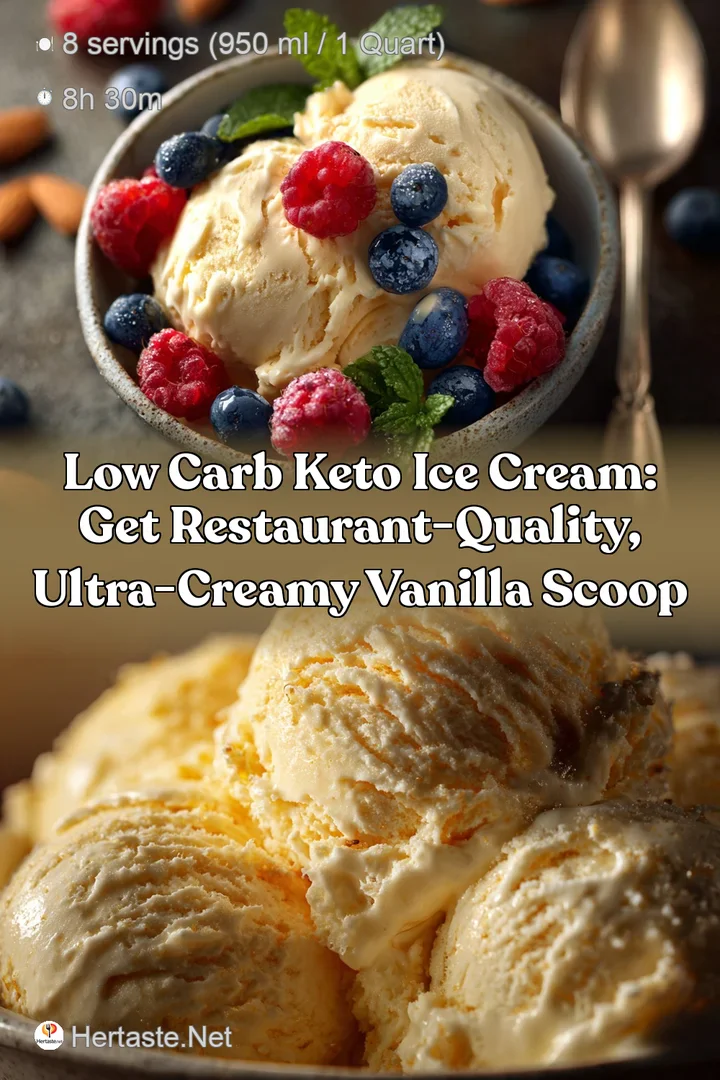
Sprinkle toasted nuts (pecans, walnuts) or sugar-free chocolate chips on top. Alternatively, a handful of fresh, lightly sweetened berries is perfect. If I’m feeling fancy, I love serving this next to a scoop of Cranberry Relish: The Best Spiced Orange Recipe (Easy, make-ahead) when it's the winter holidays, for a beautiful contrast of warm spice and cold creaminess.
Recipe FAQs
Why is my low-carb ice cream rock hard and icy after freezing?
Hardness usually results from the lack of traditional sugar, which acts as a powerful anti freeze. Ensure you are using a good polyol sweetener, such as allulose or an erythritol/monk fruit blend, which helps lower the freezing point significantly.
For the absolute creamiest texture, incorporating 1 2 teaspoons of xanthan gum or a tablespoon of clear vodka into the base before churning can dramatically improve the final structure.
I accidentally scrambled the egg yolks when making the custard. How do I prevent this?
This common issue, known as "breaking the custard," happens when the yolks heat up too quickly. You must temper the eggs by slowly whisking a small ladleful of the hot cream into the beaten yolks first; this gradually raises their temperature without cooking them.
Once tempered, return the mixture to the saucepan over low heat, stirring constantly until it coats the back of a spoon, and absolutely do not allow it to boil.
Can I make this Keto ice cream recipe dairy-free or vegan?
Yes, you can substitute the heavy cream and half and-half with full fat canned coconut cream and a rich macadamia or almond milk. To make it vegan, you would need to use a high-quality egg substitute powder or replace the yolks with stabilizers like guar gum and additional thickening agents, though the resulting texture will differ significantly from the classic French custard base.
What is the best way to store the ice cream, and how do I soften it for serving?
Store the finished ice cream in a shallow, airtight container pressed with plastic wrap directly against the surface to minimize freezer burn. Because keto ice cream freezes firmer than its high sugar counterparts, you must allow it to temper at room temperature for 15 20 minutes before attempting to scoop.
Alternatively, microwave short 10-second bursts to achieve the perfect soft consistency.
Do I need an ice cream maker, or can I make this base without one?
An ice cream maker is highly recommended as the continuous churning process incorporates air while breaking up forming ice crystals, ensuring a silky, smooth result. If you must churn by hand (known as the granita method), you will need to whisk the mixture vigorously every 30 45 minutes during freezing to prevent the formation of large ice chunks.
How do I adapt this vanilla base into other keto flavors, like chocolate or peanut butter?
Flavor additions should be incorporated into the base after it has been chilled and right before churning. For a rich chocolate flavor, whisk in 1/2 cup of unsweetened cocoa powder and 2 3 ounces of melted, cooled sugar-free chocolate.
For peanut butter, blend in 1/2 cup of smooth, natural keto friendly peanut butter during the final mixing phase.
Can I substitute pure liquid stevia or monk fruit drops for the bulk sweeteners?
It is strongly advised not to use only liquid drops, as they provide sweetness but zero volume, leading to an extremely hard and icy final product. While drops can be used to boost sweetness, you must retain the required volume of a bulk sweetener like erythritol or allulose, which provides the necessary body and structure to the base.
Keto Low Carb Vanilla Ice Cream Base

Ingredients:
Instructions:
Nutrition Facts:
| Calories | 469 kcal |
|---|---|
| Protein | 6.0 g |
| Fat | 47.0 g |
| Carbs | 6.0 g |
