Italian Cream Cheese Cake: Moist and Rich
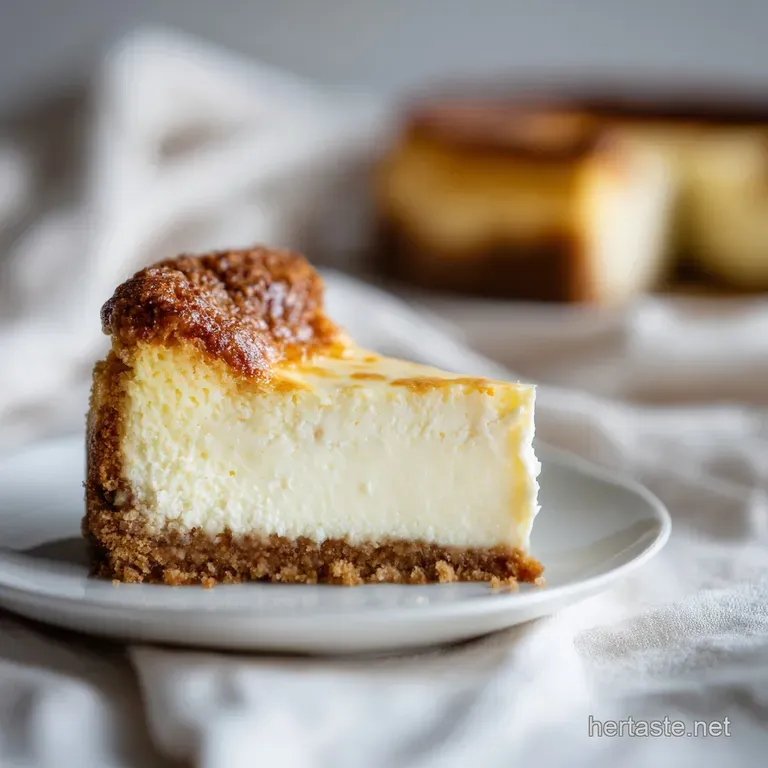
- Time: Active 30 minutes, Passive 35 minutes, Total 65 minutes
- Flavor/Texture Hook: Shatter crisp toasted coconut and pecans folded into a velvety, buttermilk tender crumb.
- Perfect for: Anniversary celebrations, Sunday brunch centerpieces, or a joyous holiday gathering.
- Creating the Iconic Italian Cream Cheese Cake
- Why These Rustic Layers Bring Joy
- Methods for Achieving Airy Textures
- Essential Specs for Success
- Selecting the Finest Pantry Staples
- Equipment for the Perfect Bake
- A Guide to Layered Perfection
- Fixes for Every Baking Hurdle
- Modern Swaps for Dietary Needs
- Keep Your Cake Fresh Longer
- Finishing Touches for Happy Tables
- Recipe FAQs
- 📝 Recipe Card
Creating the Iconic Italian Cream Cheese Cake
Whenever I pull this cake out of the oven, the kitchen fills with the scent of toasted nuts and sweet cream. It reminds me of my aunt's silver wedding anniversary, where three of these towering cakes sat on a lace covered table, glowing under the afternoon sun.
There is something deeply joyous about a cake that doesn't rely on flashy decorations but instead wins everyone over with pure, rustic texture and honest flavors. This isn't just a dessert; it's a centerpiece meant for moments when you want people to slow down and truly savor the season.
You might be wondering why a cake with "Italian" in the name is such a staple of Southern heritage kitchens. Honestly, the history is a bit of a mystery, but the result is undeniable comfort. It's a sophisticated cousin to the classic carrot cake, trading the spice for the nutty warmth of coconut and pecans.
We're going to build layers of flavor here, from the brown butter notes of toasted nuts to the sharp, refreshing tang of the cream cheese frosting that cuts through the sugar.
Right then, let's get into what makes this particular recipe stand out. We aren't just mixing things in a bowl and hoping for the best. We are using a specific method of separating eggs to ensure the sponge stays light enough to support all those heavy, delicious add ins.
If you've ever had a nut cake that felt like a brick, it's likely because they skipped the aeration step we're about to master. Trust me on this, once you see those stiff egg whites disappear into the batter, you'll know you're on the path to something special.
Why These Rustic Layers Bring Joy
The magic of this cake isn't just in the sugar; it's in the structural integrity and the contrast of ingredients. We are essentially building a scaffolding of air and fat that can hold up the weight of the coconut and pecans without collapsing into a gummy mess.
- Fat Aeration: Creaming the butter and sugar for a full 5 minutes creates microscopic air pockets that expand in the heat, resulting in a crumb that feels like silk on the tongue.
- Acid Base Balance: The buttermilk provides a subtle tang while reacting with the baking soda to create carbon dioxide, giving the cake a necessary lift.
- Protein Structure: Folding in whipped egg whites at the very end adds a secondary source of leavening that keeps the heavy pecans from sinking straight to the bottom of the pan.
- Moisture Retention: The high fat content in the cream cheese and butter ensures the cake stays moist for days, unlike leaner sponges that dry out by the next morning.
| Servings | Ingredient Adjustments | Pan Size | Cook Time |
|---|---|---|---|
| 7 people | Use half quantities; use 3 egg yolks/whites | Two 6 inch rounds | 25-28 minutes |
| 14 people | Follow standard recipe exactly | Three 8 inch or 9 inch rounds | 30-35 minutes |
| 28 people | Double all ingredients; work in batches | Two 9x13 inch sheet pans | 40-45 minutes |
Choosing the right serving size is the first step toward a successful party. If you're baking for a smaller group, don't feel pressured to make the full three tier tower. A two layer 6 inch cake is just as stunning and feels incredibly intimate for a small birthday dinner.
Methods for Achieving Airy Textures
Success in the kitchen often comes down to understanding how your components interact. In this recipe, we are balancing heavy inclusions (nuts and coconut) with a very delicate batter base. If you treat it too roughly, you lose the air; if you're too timid, the ingredients won't distribute evenly.
1. The Physics of Separated Eggs
When we whip egg whites, we are physically stretching protein strands to trap air. In this cake, those whites act like little hot air balloons. If any yolk or fat gets into your whites, they won't whip. I always suggest cracking each egg over a small bowl first before adding the white to your main mixing bowl.
It's a simple step that saves you from ruining a whole batch of whites because of one stray yolk.
2. The Buttermilk Acid Reaction
Buttermilk is our secret weapon for a tender crumb. The acid in the buttermilk breaks down the gluten strands in the flour, preventing the cake from becoming tough or bread like. It also provides the necessary "kick" for the baking soda.
Without this acidic environment, your cake would stay flat and taste slightly soapy from the unreacted soda.
3. Toasting for Depth
Never skip toasting your pecans and coconut. Raw pecans are fine, but toasted pecans bring a smoky, buttery depth that defines the "Italian" cream flavor. It takes 5 minutes in a dry skillet, but it changes the entire profile of the dish.
You'll know they are ready when the kitchen starts to smell like a gourmet praline shop.
| Component | Science Role | Pro Secret |
|---|---|---|
| Buttermilk | Tenderizes gluten and activates leavening | Use full fat for the richest, most velvety texture. |
| Egg Whites | Provides structure and lift through aeration | Fold them in by hand to avoid deflating the air cells. |
| Cream Cheese | Adds fat and tang to the frosting stability | Use brick style only; tub varieties are too watery. |
The relationship between the buttermilk and the flour is what creates that signature "melt in-your mouth" quality. While some people try to use a milk and lemon juice substitute, nothing quite matches the thickness and biological acidity of real, cultured buttermilk in this specific batter.
Essential Specs for Success
Precision is the friend of every home cook, especially when dealing with a cake that has so many moving parts. I've found that keeping a close eye on these specific numbers ensures the cake comes out consistent every single time, regardless of the weather or the oven's quirks.
- Precision Checkpoint 1: The butter and sugar must be creamed for 5 minutes until it looks like pale, whipped clouds.
- Precision Checkpoint 2: Internal temperature of the cake layers should reach 205°F (96°C) for the perfect set.
- Precision Checkpoint 3: Egg whites should be whipped until they form stiff peaks that stand straight up when the whisk is lifted.
| Feature | Fresh From Scratch | Shortcut (Box Mix + Extras) |
|---|---|---|
| Texture | Multi layered, rustic, and tender | Uniform, often overly soft or spongy |
| Flavor | Deep buttery notes with toasted nut finish | Predominantly sweet with artificial vanilla notes |
| Shelf Life | Stays moist for 4-5 days due to fats | Dries out quickly after 48 hours |
While shortcuts have their place, the "Italian Cream" flavor is truly defined by the interplay of fresh butter and real buttermilk. A box mix simply cannot replicate the structural integrity needed to hold a cup of chopped pecans without them sinking to the bottom.
For a truly joyous occasion, the scratch method is always worth the extra 20 minutes of effort.
Selecting the Finest Pantry Staples
When I'm at the market, I look for ingredients that feel alive. For this cake, that means finding the freshest pecans possible if they smell dusty or bitter, leave them on the shelf. The quality of your fats will also dictate the final joy of the dish.
- Unsalted Butter (225g for cake, 225g for frosting): Softened to 65°F. Why this? Allows for perfect emulsification with sugar without melting too early.
- Substitute: Salted butter (reduce added salt in the recipe by half).
- Granulated White Sugar (400g): Standard fine grain. Why this? Sharp edges of the crystals help aerate the butter during creaming.
- Substitute: Caster sugar for an even finer crumb.
- Large Eggs (5): Separated and at room temperature. Why this? Room temp eggs whip to a much higher volume than cold ones.
- Substitute: No direct substitute for the structural role of egg whites here.
- All Purpose Flour (250g): Sifted. Why this? Sifting ensures no clumps and a lighter, more professional result.
- Substitute: Cake flour (gives a tighter, more delicate crumb).
- Baking Soda (1 tsp): Freshly opened if possible. Why this? Reacts with buttermilk for immediate lift in the oven.
- Substitute: None; baking powder won't react the same with the acid.
- Full Fat Buttermilk (240ml): Room temperature. Why this? The fat provides richness that low-fat versions lack.
- Substitute: 240ml whole milk + 1 tbsp lemon juice (let sit 10 mins).
- Vanilla Bean Paste (1 tbsp): Or high-quality extract. Why this? The flecks of bean add a beautiful visual to the white cake.
- Substitute: Vanilla extract (1:1 ratio).
- Shredded Coconut (100g): Sweetened and toasted. Why this? Sweetened coconut stays moister during the baking process.
- Substitute: Unsweetened coconut (add 1 extra tbsp sugar to batter).
- Chopped Pecans (110g + 55g for garnish): Toasted. Why this? Essential for the signature Southern flavor profile.
- Substitute: Walnuts (gives a slightly more bitter, earthy flavor).
- Cream Cheese (450g): Full fat brick style. Why this? Provides the thick, pipeable consistency needed for layering.
- Substitute: Mascarpone (will be much richer and less tangy).
- Confectioners' Sugar (560g): Sifted. Why this? Prevents grainy frosting.
- Substitute: None; must be powdered for a smooth finish.
If you enjoy the tang of this frosting, you might also find the technique interesting compared to how we achieve the density in a Classic New York Cheesecake. While that recipe uses the cheese as the body of the cake, here we use it as the "glue" that brings the rustic layers together.
Equipment for the Perfect Bake
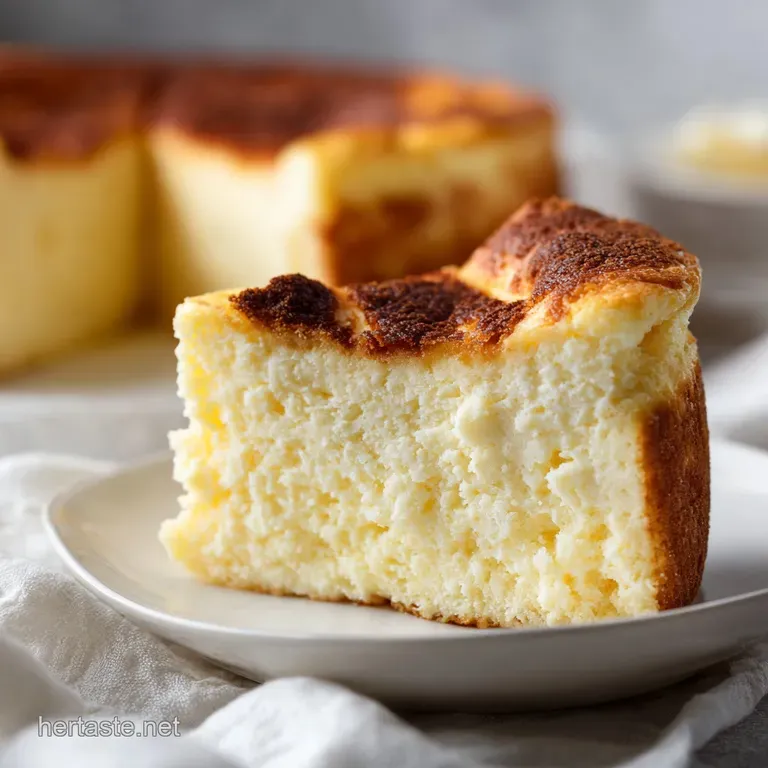
You don't need a professional kitchen, but a few key tools make the process much smoother. I personally swear by my stand mixer for this recipe. Trying to cream butter and sugar for 5 minutes by hand is a workout I'm not looking for on a relaxing Sunday!
- Stand Mixer: Preferably with both a paddle attachment (for the batter) and a whisk attachment (for the egg whites). If you only have a hand mixer, just be prepared for a bit more arm fatigue.
- Three 8 inch Round Cake Pans: Using three pans instead of two creates more surface area for that delicious cream cheese frosting.
- Parchment Paper: This is non negotiable. This cake is tender, and without parchment circles at the bottom, you risk the center sticking to the pan.
- Rubber Spatula: Essential for folding in the egg whites gently. You want a wide, flexible one to get under the batter and lift it over the whites.
- Wire Cooling Racks: Allowing air to circulate under the pans prevents the "sweating" that can make the bottom of the cake soggy.
One mistake I once made was trying to use a dark, non stick pan without adjusting the temperature. Dark pans absorb heat faster and can cause the edges of this delicate cake to brown too quickly.
If you're using dark pans, consider dropping the oven temp to 165°C and checking for doneness 5 minutes early.
A Guide to Layered Perfection
This is where the joy happens. We’re going to take our time and watch the textures transform from simple ingredients into a sophisticated batter.
Phase 1: Toasting and Prepping
Preheat your oven to 175°C. This is the sweet spot for baking layers not so hot that the tops crack, but warm enough to get a good rise. Grease your pans and line them with parchment. Now, grab a dry skillet and toss in your coconut and 110g of pecans. Stir them constantly over medium heat.
Watch for the moment they turn golden and smell like toasted butter. Immediately move them to a plate to stop the cooking.
Phase 2: The Creaming Foundation
In your stand mixer, combine 225g of softened butter and 400g of sugar. Turn it on medium high and set a timer for 5 minutes. Wait until the mixture looks significantly paler and doubles in volume. This step is where you build the "lungs" of your cake.
Once fluffy, add your 5 egg yolks one at a time, followed by the vanilla bean paste.
Phase 3: The Alternating Addition
Whisk your 250g of flour and 1 tsp of baking soda together. Now, with the mixer on low, add one third of the flour, then half of the 240ml buttermilk. Repeat, ending with the final third of flour. Stop mixing the second the last streak of flour disappears to keep the cake tender.
Phase 4: The Fold
Gently stir in the toasted coconut and toasted pecans by hand. In a separate, very clean bowl, whip your 5 egg whites until they reach stiff peaks. Take a big scoop of whites and stir it into the batter to lighten it up. Then, gently fold the remaining whites in using a figure eight motion.
You want to see some white streaks; don't over mix here!
Phase 5: Baking and Finishing
Divide the batter between your three pans. Bake for 30-35 minutes until a toothpick comes out clean and the edges pull slightly away from the pan. Let them cool in the pans for 10 minutes before moving to racks.
While they cool, whip up your frosting by beating 450g of cream cheese and 225g of butter until smooth, then slowly adding the 560g of confectioners' sugar. Frost each layer generously, then coat the outside for a rustic, homey look.
Fixes for Every Baking Hurdle
Even the most experienced cooks hit a snag now and then. This cake has a few temperamental moments, usually centered around the egg whites or the oven temperature. But don't worry most things are easily fixed if you know what to look for.
1. The "Gummy" Bottom Layer
If you find a dense, wet layer at the bottom of your cake, it's usually because the egg whites weren't folded in properly or the batter sat too long before going into the oven. The whites can "weep" liquid if they sit, which sinks to the bottom.
To fix this, ensure your oven is fully preheated before you even start whipping the whites, and get those pans in the oven immediately after folding.
2. Weeping Frosting
Cream cheese frosting can sometimes turn runny, especially in warm weather. This usually happens if the butter was too soft or if you over beat the cheese. Cream cheese loses its structure if beaten too long.
To fix a runny frosting, pop it in the fridge for 30 minutes to firm up the fats before trying to frost the cake.
3. Sunken Centers
If the middle of your cake collapses as it cools, it often means it was slightly underbaked or the oven door was opened too early. The structure wasn't set enough to hold the weight of the nuts. If this happens, don't panic!
The beauty of this cake is that the "crater" can be filled with extra cream cheese frosting and topped with pecans. No one will ever know.
| Problem | Root Cause | Solution |
|---|---|---|
| Cake is dry/crumbly | Overbaked or too much flour | Use a kitchen scale for flour; check doneness 5 mins early. |
| Pecans all at the bottom | Batter was too thin or over mixed | Ensure egg whites are stiff; fold gently to maintain lift. |
| Frosting is grainy | Powdered sugar wasn't sifted | Always sift confectioners' sugar through a fine mesh sieve. |
Common Mistakes Checklist
- ✓ Ensure the mixing bowl for egg whites is completely grease free (wipe with lemon juice if unsure).
- ✓ Don't skip the 5 minute creaming time; it's the foundation of the cake's height.
- ✓ Toast the nuts and coconut until fragrant, but don't let them turn dark brown or they'll taste burnt.
- ✓ Let the cake layers cool completely before frosting, or the cream cheese will melt into a puddle.
- ✓ Use brick style cream cheese, never the spreadable kind from a tub.
Modern Swaps for Dietary Needs
While the original version of this recipe is a classic for a reason, I know many of us have friends or family with specific dietary requirements. You can still bring the joy of this cake to everyone with a few smart adjustments.
1. Italian Cream Sheet Cake
If you're serving a huge crowd at a backyard BBQ and don't want to mess with layers, this batter works beautifully in a 9x13 inch sheet pan. It feels a bit more rustic and is much easier to transport. Just increase the bake time to about 40-45 minutes and frost it right in the pan.
2. gluten-free Swap
This cake actually adapts very well to gluten-free flour blends. Because it relies heavily on the structure of the egg whites and the moisture of the buttermilk, a high-quality 1:1 gluten-free flour (ensure it contains xanthan gum) works wonders. The texture remains surprisingly similar to the original.
Decision Shortcut: If you want a lighter, more delicate crumb, use cake flour instead of all purpose. If you want a more "tropical" flair, add 1/2 tsp of almond extract to the batter.
If you want a less sweet frosting, replace 100g of sugar with an extra 115g of cream cheese.
If you're a fan of these types of dense, flavorful bakes, you might notice similarities in the crumb structure to a Truly Classic Carrot Cake. Both rely on the balance of fats and inclusions to create a satisfying, rustic bite.
Keep Your Cake Fresh Longer
Because this cake is so rich in fats from the butter, cream cheese, and nuts, it actually stays fresh longer than your average sponge. However, the cream cheese frosting does require some specific care to keep it safe and delicious.
Storage: This cake must be kept in the refrigerator because of the cream cheese. I recommend using a cake dome or a large airtight container to prevent it from picking up "fridge smells" like onions or garlic. It will stay perfectly moist for up to 5 days.
For the best flavor experience, take the slices out of the fridge about 20-30 minutes before serving so the butter in the cake can soften slightly.
Freezing: You can freeze the unfrosted layers very successfully. Wrap each layer tightly in two layers of plastic wrap and then a layer of aluminum foil. They will stay fresh for up to 3 months. To thaw, leave them in the fridge overnight.
You can also freeze the fully frosted cake (either whole or in slices). Place the cake in the freezer for 1 hour to "flash freeze" the frosting, then wrap it tightly.
Zero Waste Tip: If you have leftover frosting, don't toss it! It makes an incredible dip for apple slices or Graham crackers. Any leftover toasted pecans can be tossed into your morning oatmeal or a salad for an instant flavor upgrade.
Finishing Touches for Happy Tables
When it comes to serving this Italian Cream Cheese Cake, I like to lean into the rustic nature of the ingredients. You don't need fancy piping tips to make this look beautiful. A simple offset spatula can create lovely swoops and swirls in the frosting that catch the light.
I usually save a handful of the toasted pecans to press into the sides of the cake or sprinkle in a halo around the top edge. It gives guests a visual cue of the crunch waiting inside. For a seasonal touch, you could even add a few edible flowers or a sprig of mint.
If you're serving this for a holiday, a light dusting of cinnamon over the top can add a warm, inviting aroma as the cake hits the table.
Pairing this cake is easy it loves a strong cup of coffee or a dark, earthy tea. The bitterness of the drink balances the sweetness of the frosting perfectly. Whether you're celebrating a big milestone or just making a Tuesday feel a bit more special, this cake is a guaranteed way to bring a little more joy into your home.
It's a recipe that has stood the test of time for a reason: it’s honest, it’s textured, and it’s meant to be shared. Enjoy every bite!
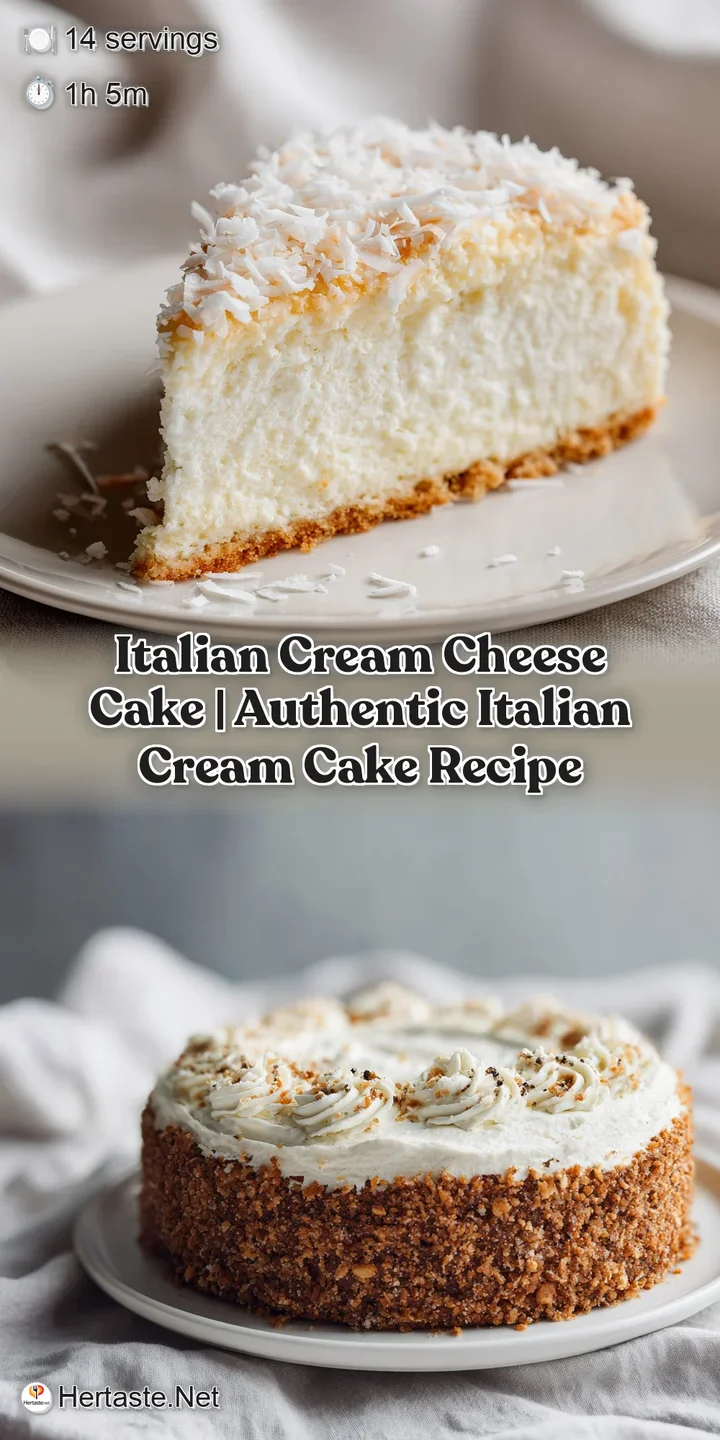
Recipe FAQs
What is Italian Cream Cheese Cake made of?
This cake features a tender crumb base enriched with buttermilk, shredded coconut, and toasted pecans. It is leavened with whipped egg whites and finished with a rich, silky cream cheese frosting.
What's the difference between Italian cheesecake and regular cheesecake?
They are fundamentally different desserts. While a traditional cheesecake relies on a custard base, this Italian Cream Cake is a fluffy, multi layered sponge cake that incorporates cream cheese strictly into its sweet, whipped frosting.
What is the famous Italian cake called?
Italian Cream Cake is the specific name for this coconut pecan layered dessert. Despite its name, it is a Southern American creation rather than a traditional recipe from Italy.
Is Italian wedding cake the same as Italian Cream Cake?
Yes, they are essentially the same dessert. Both titles refer to this classic coconut and pecan laden cake frosted with cream cheese.
How to ensure the cake layers stay light and fluffy?
Fold the whipped egg whites into the batter gently using a rubber spatula in three additions. If you enjoyed mastering this aeration technique here, the same principle of foam folding applies to our Red Velvet Valentine Cupcake to achieve that signature soft texture.
How to avoid a greasy cream cheese frosting?
Use only full fat brick style cream cheese, never the spreadable tub variety. Additionally, ensure your cake layers are completely cool before frosting so the butter and cream cheese do not melt into a puddle.
How to properly incorporate the heavy nuts and coconut?
Stir the toasted coconut and pecans into the batter by hand after combining the wet and dry ingredients. Folding them in manually prevents overworking the flour, which keeps the cake tender rather than tough.
Italian Cream Cheese Cake
Ingredients:
Instructions:
Nutrition Facts:
| Calories | 824 calories |
|---|---|
| Protein | 7.9 g |
| Fat | 50.1 g |
| Carbs | 89.6 g |
| Fiber | 2.8 g |
| Sugar | 74.2 g |
| Sodium | 188 mg |
