Corned Beef and Cabbage the Chefs Guide to Tender Instant Pot Brisket

Achieving Gourmet Corned Beef and Cabbage in Half the Time
Listen, I love a traditional boiled dinner as much as the next person, but standing over a simmering pot of corned beef for five hours? That's a weekend activity, not a Tuesday reality.
For years, I just skipped making this dish, until I finally hauled out the pressure cooker (I use an Instant Pot, but any brand works). It is absolutely, without question, the only way I make corned beef now.
It transforms this tough, cured brisket into something ridiculously tender, and we do it in a fraction of the time. Plus, we're using a genius two and stage cooking method so the vegetables aren't pale, sad mush. Nobody wants that.
The Science of Pressure Cooking Brisket for Ultimate Tenderness
Brisket is naturally a very tough cut of meat. It’s full of connective tissue collagen that gives it structure. On the stovetop, you need hours for that collagen to slowly melt into gelatin, which is what makes the meat moist and tender. But in the pressure cooker? We cheat physics.
By trapping steam and cooking above the normal boiling point, we force that collagen breakdown fast . We're talking 70 minutes versus five hours. It’s a game changer, allowing the meat to reach that perfect, fork and tender stage without drying out.
Building a Robust Broth Base for Maximum Flavor Infusion
The key to flavorful corned beef and cabbage isn't just the meat. It's the seasoned broth that the vegetables cook in later. You get that little packet of spices with the brisket, right? Use it, absolutely. But we need to pump up the flavor profile past just salty water and peppercorns.
My secret weapon is a good beef stock instead of just water, and a splash of apple cider vinegar. The vinegar is acidic, which actually helps break down the meat fibers even faster under pressure, and it cuts through the intense saltiness of the cured beef.
Trust me, that little bit of tang makes all the difference.
Mastering the Dual and Stage Cook for Perfect Vegetable Texture
Here’s where most recipes go wrong. They tell you to dump the cabbage, carrots, potatoes, and meat in together and cook for hours. The result? Flavorless, grey cabbage and potatoes that are basically dissolving.
We need that delicious, highly seasoned broth, but the delicate vegetables (especially the cabbage) simply cannot withstand the brisket's cooking time.
We separate the stages completely. The brisket goes first. We remove the brisket to rest (critical!) and then pressure cook the hearty root vegetables (carrots and potatoes) for a few minutes in the seasoned liquid. Finally, we quick and steam the cabbage wedges for just one minute.
That short blast of pressure gives you tender, vibrant vegetables that still have a little structure.
Selecting the Best Brisket Cut and Understanding the Corned Process
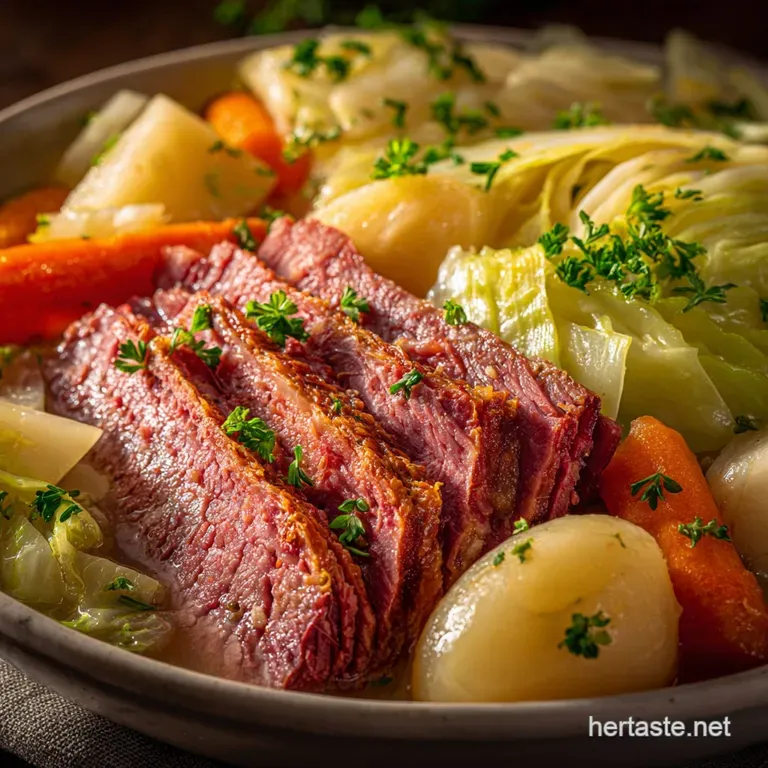
Choosing the right meat is half the battle. Corned beef is cured beef brisket, and you generally have two choices staring back at you in the meat case.
Flat Cut vs. Point Cut: Which Brisket is Right for This Recipe?
If you want those beautiful, perfect slices of lean meat that look great on a platter, you want the Flat Cut (sometimes called the plate). It's leaner, thinner, and ideal for slicing against the grain. The downside? It can dry out slightly if you overcook it.
The Point Cut is thicker and marbled with more fat and connective tissue. It delivers fantastic flavor and moisture, but it tends to fall apart and shred rather than slice cleanly.
For the traditional "boiled dinner" presentation, where you’re carving it nicely, I always lean toward the Flat.
| Brisket Cut | Best For | Fat Content | Slicing Quality |
|---|---|---|---|
| Flat Cut | Slicing, Presentation | Low/Medium | High (thin, clean slices) |
| Point Cut | Shredding, Sandwiches | High | Low (crumbles easily) |
Demystifying the Salt Cure: Nitrites, Color, and Preservation
Why is corned beef pink? It's been "corned," meaning it's been cured in a brine that contains large pieces of rock salt (the "corns" of salt) and, crucially, sodium nitrite. The nitrite is what preserves the meat and gives it that distinct rosy and pink colour, stopping it from turning brown like a typical pot roast.
Because of this curing process, the meat is absolutely packed with sodium. This is why you simply must rinse it before you even think about putting it in the pressure cooker. Seriously. Don’t skip the rinse.
Essential Root Vegetables and the Cabbage Choice
Stick to the basics here: large carrots and waxy potatoes (like Yukon Golds). Waxy potatoes hold their shape much better than starchy ones (like Russets) when pressure cooked. For the cabbage, get a solid, large head of standard green cabbage.
You need to cut it into thick wedges, ensuring the core stays intact in each wedge. That core is what keeps the wedge from dissolving entirely in the hot liquid.
Related Recipes Worth Trying
- Instant Pot Corned Beef and Cabbage Tender Brisket in Two Steps — This Instant Pot Corned Beef and Cabbage recipe delivers unbelievably tender brisket and vegetables in a fraction of the time Get the best pressure cooker...
- Healthy StirFry Recipe Lean Chicken and Veggie Wok Star — This Healthy StirFry Recipe is the speedy weeknight answer you need Achieve restaurantquality Wok Hei flavour with our lowcalorie Stirfry Recipe Ready in 25...
- Haitian Tasso Authentic Crispy Fried Beef with Épis Marinade Recipe — Haitian Tasso is the iconic tendercrisp Haitian tasso beef that melts in your mouth Learn how to make this traditional Haitian food recipe using the vibrant...
Instant Pot Method: Achieving Fork and Tender Corned Beef and Cabbage
This is the fastest, least stressful path to achieving that tender, salty, gorgeous brisket. I promise.
Preparing the Brisket and Liquid Ratio for Pressure
Once you’ve rinsed your brisket, place the trivet into the bottom of the pressure cooker. We need about 5 cups of liquid total. You want the beef stock and vinegar to come up the side of the meat, but not cover it completely (otherwise the flavor is diluted).
Place the brisket fat side up onto the trivet, sprinkle with the spice mix, and close the lid. Using the trivet ensures the meat doesn't scorch on the bottom and allows the super and heated liquid to circulate perfectly.
Setting the High Pressure Cook: Time Per Pound Guide
For a 4 pound flat cut, I find 70 minutes on High Pressure is my sweet spot. If your cut is closer to 3 lbs, reduce the time to 65 minutes. If you’re pushing 5 lbs, bump it up to 80 minutes.
The key is consistent pressure time, regardless of the liquid.
The Critical 15 Minute Natural Release and Resting Period
Do not manually release the pressure right away. That immediate pressure drop will seize the meat up, squeezing out all those lovely juices we worked so hard to trap. You need to let the pressure cooker naturally release for 15 minutes.
This allows the temperature inside the pot to drop slowly, letting the meat relax.
After 15 minutes of NPR, you can manually flip the vent open (use a towel!) to release the rest. Then, pull the brisket out and put it on a cutting board. Cover it loosely with foil and let it sit for another 15 minutes minimum. I know it's hard to wait.
But think of it as a mandatory pause. If you skip this, the meat will be dry and stringy.
Quick and Steaming the Cabbage and Root Vegetables in the Remaining Broth
Now, the fun part. The broth left in the pot is liquid gold. It's seasoned perfectly. Remove the trivet and drop your large carrot and potato chunks directly into the broth. Cook on High Pressure for 4 minutes. Immediately follow this with a Quick Release (QR). The roots are done.
Now, place the cabbage wedges in, securing the lid once more. Cook on High Pressure for just 1 minute. Follow with an immediate QR.
CRUCIAL WARNING: Do not wait on the cabbage release. The residual heat in the pot will continue to cook it into oblivion if you don't release the pressure immediately after the 1 minute timer hits zero. We want tender and crisp, not soup.
The Art of Slicing Corned Beef Against the Grain
If you slice a gorgeous piece of brisket with the grain, you're going to end up chewing long strands of muscle fiber. It doesn't matter how tender you cooked it. You have to slice against the grain .
Look closely at the meat surface you’ll see lines running parallel. Place your knife perpendicular to those lines and slice thinly, about the thickness of a pencil. This breaks up the muscle fibers, giving you those incredibly short, tender pieces that truly melt in your mouth.
Troubleshooting and Expert Tips for Your Corned Beef and Cabbage Dinner
Proper Cooling and Refrigeration: Extending the Life of Leftovers
Leftovers are the best part of corned beef and cabbage, usually destined for incredible Reuben sandwiches. For proper storage, always skim the excess fat off the surface of the cooking broth first. Then, store the sliced meat and the vegetables submerged in a bit of the cooking liquid.
This keeps everything moist and flavorful for 4 5 days in the fridge. That fat layer you skimmed off? If you save it and pour a thin layer over the chilled meat, it acts as a natural seal and preservative. Old school, but effective.
Adding Guinness or Apple Cider Vinegar to the Cooking Liquid
I mention the vinegar because it’s a necessary acidic contrast, but if you want that truly deep, earthy flavor associated with Irish boiled dinners, substitute about half of your beef stock with a robust Guinness or other dry stout. It adds malty complexity that just makes the broth sing.
Pairing Suggestions: Traditional Mustard Sauce and Sides
Honestly, if you're not serving this with a sinus and clearing condiment, you're missing out.
- Pungent Horseradish Sauce: Creamy, sharp, and cuts right through the richness of the brisket.
- Dijon Mustard: A strong, grainy Dijon is fantastic.
- Irish Soda Bread: Essential for dipping in that fantastic, salty broth.
- Braised Greens: If you want something beyond the cabbage, try some simple sautéed kale.
Making the Recipe Low and Sodium: Rinsing the Brisket Before Cooking
Yes, I'm mentioning the rinse again, because it matters that much for flavor and for health. Because the curing process is so aggressive, rinsing is step one for sodium reduction. You can also make a significant difference by ditching the seasoning packet that comes with the meat and adding your own blend of spices (bay leaves, mustard seeds, peppercorns) to the cooking liquid.
This drastically lowers the sodium while maintaining the classic flavor.
Remember that commercially corned beef will always be high in sodium. If you need a truly low and sodium option, you'd need to cure your own brisket at home, controlling the salt content from the start. Otherwise, rinse, rinse, rinse!
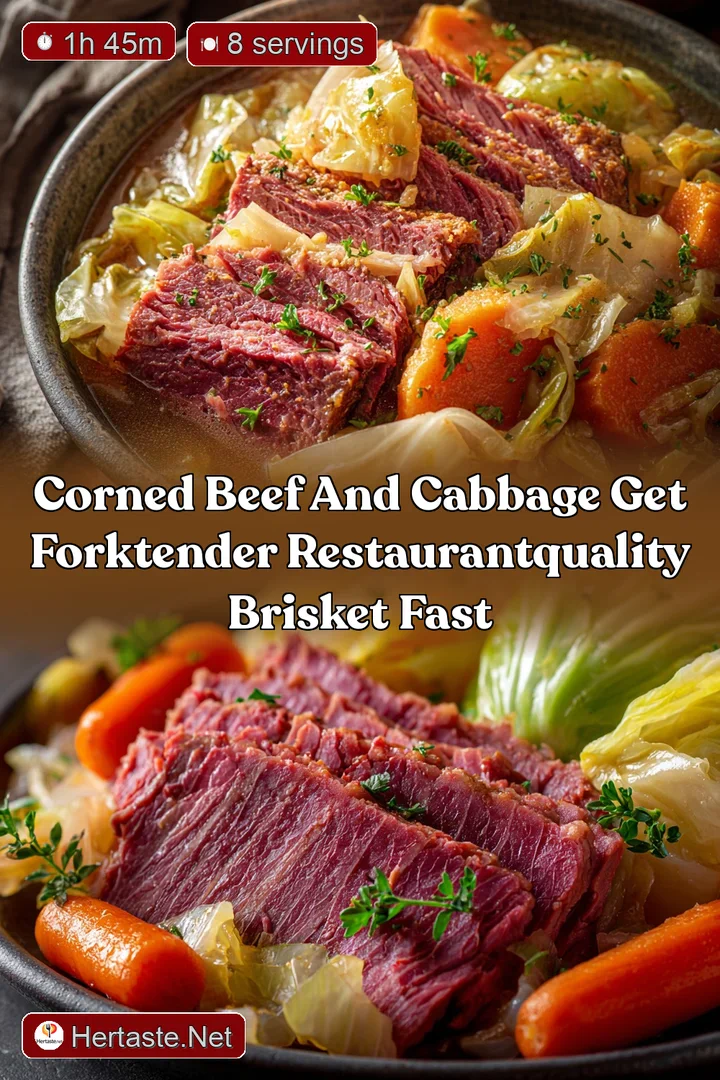
Recipe FAQs
Why is my Corned Beef and Cabbage always tough? I followed the cooking time perfectly!
It’s likely a carving issue, not a cooking one! To achieve fork tender results, you must always find the muscle fibres and slice thinly against the grain otherwise, the meat will feel chewy, even after a long cook.
Also, ensure you give the beef a proper rest (15 minutes) after cooking; skipping this makes for dry slices.
That sounds like a lot of salt how can I manage the sodium in this traditional dish?
Corned beef is naturally very salty due to the curing process; the crucial step is rinsing the meat vigorously before cooking to remove surface salt. If you are very sodium sensitive, use only water (not beef stock) as your cooking liquid and avoid the optional salty glaze.
Can I cook the potatoes and cabbage at the same time as the beef to save time?
While you can theoretically put everything in the pot, you really shouldn't! To avoid mushy, waterlogged vegetables (a culinary tragedy, frankly), the two-stage cooking ensures the brisket gets tenderised properly while the potatoes and cabbage retain their structure and are cooked to tender crisp perfection in the flavourful broth right at the end.
I don't have beef stock, can I use beer or just water instead?
Absolutely! The recipe suggests beef stock for depth, but swapping out some liquid for Guinness or an Irish Stout (about 400ml) adds fantastic malty richness. If using only water, throw in a teaspoon of Marmite or a bouillon cube for that essential savoury umami boost.
How should I store the leftovers, and what can I do with them?
Store the sliced meat and vegetables separately in airtight containers for 3 4 days in the fridge. For a brilliant leftover meal, shred the meat with a couple of potatoes for a cracking corned beef hash, or layer it on rye bread for the ultimate Reuben sandwich.
I’m a beginner with the Instant Pot; is the total time estimate (1 hour 45 minutes) accurate?
Yes, that estimate is spot on; it includes the necessary "time to come to pressure" (which can feel like ages), the 70 minutes cook time, the essential 15 minutes rest for the meat, and the quick final steps for the vegetables. Stick to the plan and you’ll be grand!
Instant Pot Corned Beef And Cabbage
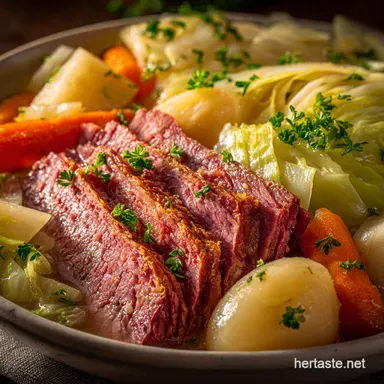
Ingredients:
Instructions:
Nutrition Facts:
| Calories | 600 kcal |
|---|---|
| Fat | 32.5 g |
| Fiber | 8 g |
