Ina Garten Coconut Cake Recipe
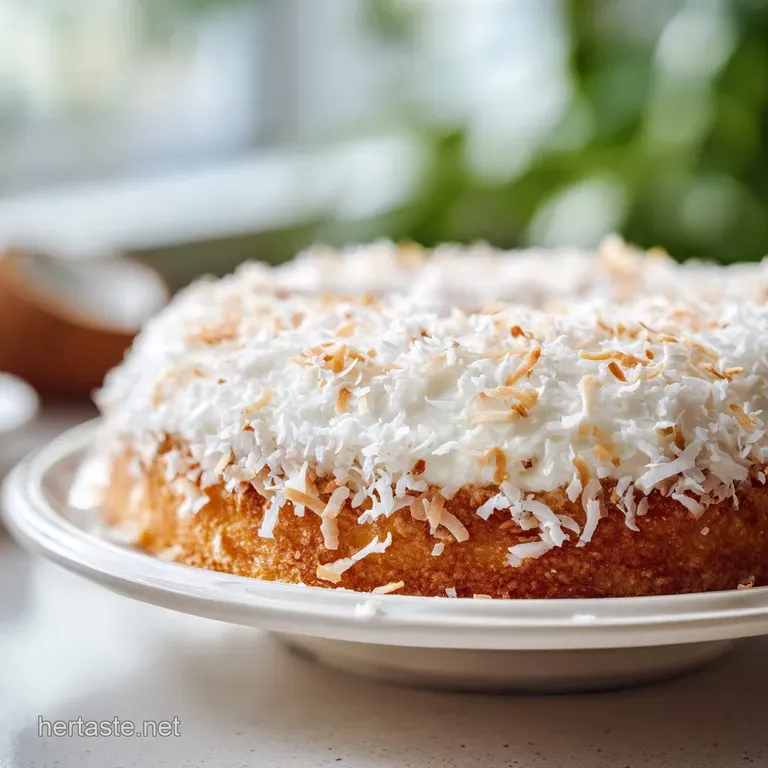
- Time: Active 25 minutes, Passive 45 minutes, Total 1 hours 10 mins
- Flavor/Texture Hook: Buttery pound cake crumb with a snowy, velvety finish
- Perfect for: Holiday centerpieces or high end weekend brunches
- The Best Ina Garten Coconut Cake Recipe
- The Science of the Snowy Crumb
- Component Analysis for Optimal Baking
- Selecting Quality Ingredients
- Necessary Baking Tools
- The Step-By-Step Process
- Solving Common Baking Problems
- Flavor Variations and Swaps
- Storage and Waste Prevention
- Serving and Presentation Tips
- Debunking Baking Misconceptions
- Recipe FAQs
- 📝 Recipe Card
The Best Ina Garten Coconut Cake Recipe
The first time I pulled this out of the oven, the kitchen didn't just smell like baking; it smelled like a high end tropical resort. I used to be skeptical of coconut cake because so many versions are either too airy and dry or taste like artificial suntan lotion.
This specific version changed my mind because it’s heavy in a truly satisfying way and the almond extract forges a flavor profile that feels much more sophisticated than your average sheet cake.
We've all had those cakes that look beautiful but leave you reaching for a glass of water after one bite. That’s not happening here. I’ve made this for three birthdays and one very stressful office party, and the feedback is always about the "shatter" of the shredded coconut against the silky frosting.
It’s a sturdy cake, almost like a hybrid between a sponge and a pound cake, which is exactly what you need when you're piling on a pound of cream cheese frosting.
You can expect a straightforward process, but don't let the simplicity fool you. The magic is in the temperature of your ingredients and the patience you show while creaming the butter. If you've struggled with cakes that sink or frosting that slides off, I’ve got the fixes right here.
Let’s get the oven preheated to 180°C (350°F) and get to work on what I honestly consider the gold standard of coconut desserts.
The Science of the Snowy Crumb
The Fat to Flour Ratio: High butter content (340g) creates a tenderizing barrier around flour proteins, limiting gluten development and ensuring a velvety, melt in-mouth texture rather than a bready one.
The Acidic Lift: Buttermilk reacts with the baking soda to produce carbon dioxide bubbles immediately, which provides a fine pored rise that supports the weight of the shredded coconut.
The Emulsion Stability: Using extra large eggs at room temperature allows the fats and liquids to bind into a cohesive "batter web," preventing the cake from becoming greasy or collapsing during the bake.
The Extraction Synergy: Combining almond and vanilla extracts creates a chemical "masking" effect that tones down the floral notes of coconut, making the final flavor profile deeper and more rounded.
| Premium Ingredient | Budget Alternative | Flavor Impact | Savings |
|---|---|---|---|
| Extra Large Eggs | Large Eggs + 1 tbsp water | Slightly less rich but still structurally sound | Save $1-2 per carton |
| Pure Almond Extract | Imitation Almond | Stronger, more "cherry" like scent; less subtle | Save $4-6 per bottle |
| High Fat Buttermilk | Milk + 1 tsp Lemon Juice | Less creamy texture; slightly more tang | Save $3 per quart |
The decision to use a DIY buttermilk (milk plus acid) is a classic home cook move, and while it works in a pinch for moisture, you lose some of the viscosity that real buttermilk provides.
If you're looking for that specific Ina style luxury, the real stuff is worth the extra few dollars for the structural integrity it gives the batter.
Component Analysis for Optimal Baking
| Ingredient | Science Role | Pro Secret |
|---|---|---|
| Unsalted Butter (340g) | Primary tenderizer and flavor carrier | Whip for 5 full minutes until it looks like pale clouds |
| Extra Large Eggs (5) | Structural protein and emulsifier | Submerge cold eggs in warm water for 5 minutes to hit room temp |
| Buttermilk (240ml) | Acidic leavening agent | Never use fat free; the fat helps keep the crumb moist for days |
| Cream Cheese (450g) | Frosting base and fat source | Use the brick style, not the whipped tub version, for stability |
For a base that is just as reliable as this one, I often find myself looking back at my Classic Homemade Vanilla Cake recipe because the creaming method is nearly identical. Once you master that air incorporation stage, every cake you bake becomes significantly better.
Selecting Quality Ingredients
- Unsalted Butter (0.75 lb / 340g): This is the soul of the cake. Why this? Allows you to control the salt levels precisely for a balanced sweetness. Substitute: Salted butter (omit the extra kosher salt).
- Granulated Sugar (2 cups): Provides sweetness and helps with browning. Why this? Its crystal structure creates air pockets when beaten with butter. Substitute: Caster sugar for a finer crumb.
- Extra Large Eggs (5): The binding agent. Why this? More volume than large eggs, ensuring the cake doesn't feel too dense. Substitute: 6 large eggs if you can't find extra large.
- Pure Extracts (Vanilla & Almond): The flavor boosters. Why this? Pure extracts lack the bitter aftertaste of artificial versions. Substitute: Vanilla bean paste for aesthetic speckles.
- All Purpose Flour (3 cups): The skeletal structure. Why this? Provides enough protein for height without making it tough. Substitute: Cake flour for a more delicate, fragile crumb.
- Sweetened Shredded Coconut (13 oz total): The star texture. Why this? Adds moisture and a chewy contrast to the soft cake. Substitute: Unsweetened desiccated coconut (add 2 tbsp sugar to the batter).
- Buttermilk (1 cup / 240ml): The tenderizer. Why this? Breaks down gluten for a soft "melt away" feel. Substitute: Whole milk with 1 tbsp white vinegar.
- Cream Cheese (1 lb / 450g): The frosting foundation. Why this? Its tang cuts through the heavy sugar and butter. Substitute: Mascarpone for a richer, less tangy finish.
Necessary Baking Tools
A stand mixer such as a KitchenAid is honestly your best friend here. While you can use a hand mixer, you'll be standing there for a long time trying to get the butter and sugar to the necessary level of aeration. You’ll also need two 9 inch round cake pans.
If you only have 8 inch pans, just be aware that the layers will be very tall and might need an extra 5-7 minutes in the oven.
A flat offset spatula is the only way to get that "cloud like" look on the frosting. Don't try to make it perfect; the shredded coconut is incredibly forgiving and will hide any bumps or uneven spots. Finally,, a fine mesh sieve is vital for sifting your confectioners’ sugar.
Nothing ruins a velvety frosting faster than a stubborn lump of sugar that won't dissolve.
The step-by-step Process
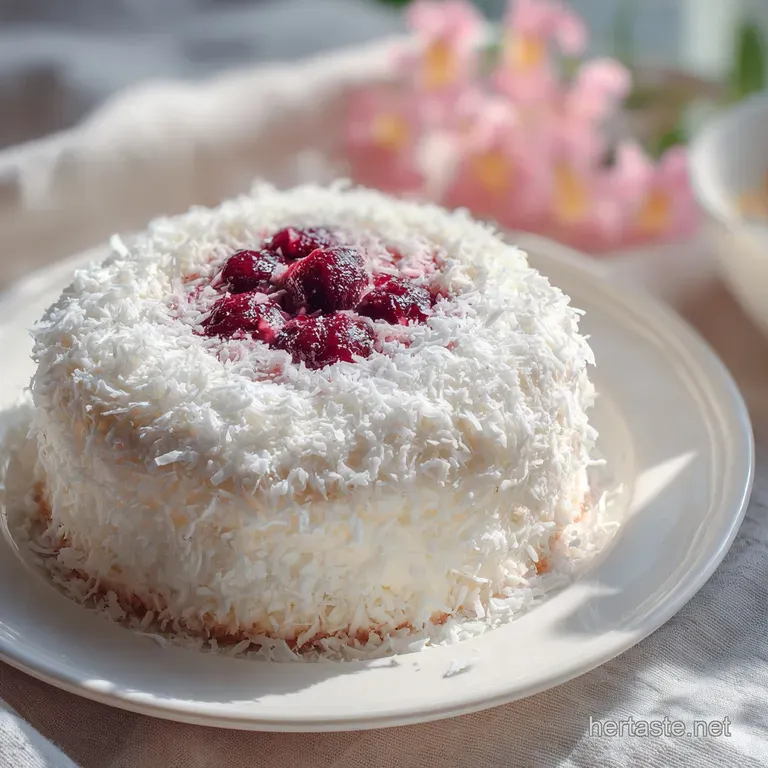
- Prep the pans. Grease two 9 inch round pans and line the bottoms with parchment paper. Note: This ensures the cake releases without leaving its bottom behind.
- Cream the fats. Beat the 0.75 lb butter and 2 cups sugar until the mixture is pale yellow and fluffy (about 5 minutes).
- Add the eggs. Incorporate the 5 extra large eggs one at a time on medium speed. Note: Adding them slowly prevents the emulsion from breaking.
- Flavor the base. Mix in the 1.5 tsp vanilla and 1.5 tsp almond extract until the aroma fills the room.
- Sift the dry. Combine 3 cups flour, 1 tsp baking powder, 0.5 tsp baking soda, and 0.5 tsp salt in a separate bowl.
- Alternate wet and dry. Add the flour mixture and 1 cup buttermilk in three parts, starting and ending with flour.
- Fold in coconut. Gently stir in 7 oz of shredded coconut by hand until evenly distributed throughout the batter.
- Bake the layers. Divide the batter and bake at 180°C (350°F) for 45 minutes until a toothpick comes out clean.
- Chill the cakes. Let them cool in the pans for 15 minutes, then turn out onto a wire rack to cool completely.
- Frost and garnish. Whip the 1 lb cream cheese, 0.5 lb butter, and 1 lb powdered sugar together. Frost the cooled cakes and press the remaining 6 oz of coconut into the sides and top.
| Feature | Fresh Coconut | store-bought Shredded |
|---|---|---|
| Moisture | Very high; can make cake soggy | Controlled; reliable for baking |
| Texture | Crunchy and firm | Soft and chewy |
| Prep Time | 20+ minutes (cracking/grating) | 0 minutes (pour from bag) |
Solving Common Baking Problems
Why Your Cake Sinks in the Middle
This usually happens because the oven door was opened too early or the leavening agents were expired. When the structure hasn't set, a sudden drop in temperature causes the air bubbles to collapse.
Another culprit is over beating the batter after adding the flour, which develops too much gluten that then fails to hold its own weight.
Why Your Frosting Is Runny
The most common mistake is using cream cheese that is too warm. You want it cold but pliable meaning you can dent it with your thumb, but it still holds its shape. If you over whip cream cheese, it can break down and turn liquid.
If this happens, pop the bowl in the fridge for 20 minutes and try whipping it again on low speed.
| Problem | Root Cause | Solution |
|---|---|---|
| Dry, crumbly texture | Over baking or too much flour | Use a scale for flour; pull cake when crumbs are still clinging to toothpick |
| Greasy bottom | Butter was too melted during creaming | Ensure butter is "room temp" (approx 18°C), not greasy or shiny |
| Coconut falling off | Frosting dried out too much | Apply coconut immediately after frosting each section while it's still "tacky" |
Common Mistakes Checklist ✓ Always use room temperature eggs to ensure they emulsify with the butter properly. ✓ Do not skip the parchment paper; coconut cake is notoriously sticky.
✓ Avoid over mixing once the flour hits the wet ingredients; stop as soon as white streaks disappear. ✓ Let the cakes cool 100% before frosting, otherwise, the cream cheese will melt into a puddle. ✓ Sift the powdered sugar; even tiny lumps will show through the smooth frosting.
Flavor Variations and Swaps
If you’re looking to scale this down, you can halve the recipe and bake it in a single 9x9 inch square pan. It makes for a perfect "snack cake" that doesn't feel as formal as a layered masterpiece.
For scaling up to a 3 tier wedding style cake, I recommend keeping the salt at 1.5x the original amount rather than doubling it, as salt can quickly become overpowering in large batches of sweet batter.
When baking for a crowd, the liquid ratios are your biggest concern. If you double the recipe, reduce the total buttermilk by about 10% to ensure the center of the larger cake sets properly. If you want a different tropical vibe, this cake pairs exceptionally well with fruit. I actually think serving a slice alongside my Effortless NoChurn Mango recipe creates a flavor contrast that is simply brilliant.
| Servings | Pan Size | Cook Time | Ingredient Adjustment |
|---|---|---|---|
| 6 People | 9 inch single layer | 35-40 mins | Half all ingredients; use 3 large eggs |
| 12 People | Two 9 inch rounds | 45-50 mins | Follow recipe exactly |
| 24 People | 9x13 sheet cake x2 | 40-45 mins | Double ingredients; use 1.5x salt |
Storage and Waste Prevention
Keep this cake in the fridge. Because of the high moisture content and the cream cheese frosting, it will only last about 2 days on the counter before it starts to get funky. In the fridge, it’s good for up to 5 days.
To prevent the cake from absorbing "fridge smells," I like to press a piece of plastic wrap directly against the cut surfaces of the cake.
If you have leftover shredded coconut, don't let it sit in the back of the pantry until it goes rancid. Toast it in a dry pan for 3 minutes until golden and use it to top your morning oatmeal or yogurt. You can also freeze the individual frosted slices.
Wrap them tightly in plastic wrap and then foil; they’ll stay fresh for 2 months. Just thaw them in the fridge overnight before eating.
Serving and Presentation Tips
- If you want a toasted flavor: Toast the garnish coconut in a 160°C oven for 5 minutes before pressing it into the frosting.
- If you want a cleaner slice: Use a long, thin knife dipped in hot water and wiped dry between every single cut.
- If you want more tang: Add the zest of one lime to the frosting to brighten up the heavy fats.
Debunking Baking Misconceptions
One major myth is that "room temperature" butter means soft enough to spread like jam. In reality, baking butter should be around 18-19°C. If it’s too soft, it won't hold the air bubbles you're trying to whip into it, leading to a heavy, oily cake.
If your kitchen is warm, 30 minutes on the counter is usually enough.
Another misconception is that you need to soak the coconut in milk before adding it to the batter. While some recipes suggest this for "moisture," Ina’s recipe relies on the fat in the buttermilk and butter to do that work.
Soaking the coconut often leads to a gummy texture that ruins the distinct "shatter" of the coconut strands. Trust the ratios as they are they’ve been tested to balance moisture without sacrificing the bite.
Recipe FAQs
Is Ina Garten's Coconut Cake good?
Yes, it is widely considered excellent. It avoids the common pitfalls of dryness by using a high fat batter, resulting in a rich, buttery crumb.
What is Tom Cruise's Coconut Cake?
This is a persistent rumor, but there is no confirmed recipe. The story claims he loved a specific coconut cake so much he asked the baker for the recipe, but it is often confused with other celebrity favorites.
What is the best cake from Ina Garten?
This coconut cake is highly rated, but her most famous is often cited as the Beatty’s Chocolate Cake. However, many home bakers prefer this coconut cake for its rich texture; if you enjoyed mastering the creaming technique here, see how the same principle works in My Family's Favorite recipe.
What are the ingredients in Ina Garten's Coconut Cake?
Core ingredients include butter, sugar, extra large eggs, flour, buttermilk, vanilla, almond extract, and sweetened shredded coconut. The cream cheese frosting uses cream cheese, butter, powdered sugar, and more coconut.
How do I ensure the shredded coconut stays moist in the cake?
Fold the shredded coconut in gently at the very end of mixing. The moisture comes from the buttermilk and high butter content in the batter, which surrounds the coconut strands, keeping them chewy rather than dry.
Why does Ina's recipe call for both vanilla and almond extract?
The almond extract is crucial for adding a sophisticated depth that complements the coconut. Vanilla is the standard base, but almond creates a flavor synergy that lifts the tropical notes, making the cake taste less one-dimensional.
Can I use milk instead of buttermilk in this recipe?
No, it is not recommended for optimal texture. Buttermilk provides necessary acidity to interact with the baking soda for the right lift and tenderness, which regular milk lacks.
Ina Garten Coconut Cake
Ingredients:
Instructions:
Nutrition Facts:
| Calories | 1042 kcal |
|---|---|
| Protein | 9.2 g |
| Fat | 63.8 g |
| Carbs | 112.4 g |
| Fiber | 2.6 g |
| Sugar | 86.1 g |
| Sodium | 422 mg |
