Creamy Homemade Tartar Sauce
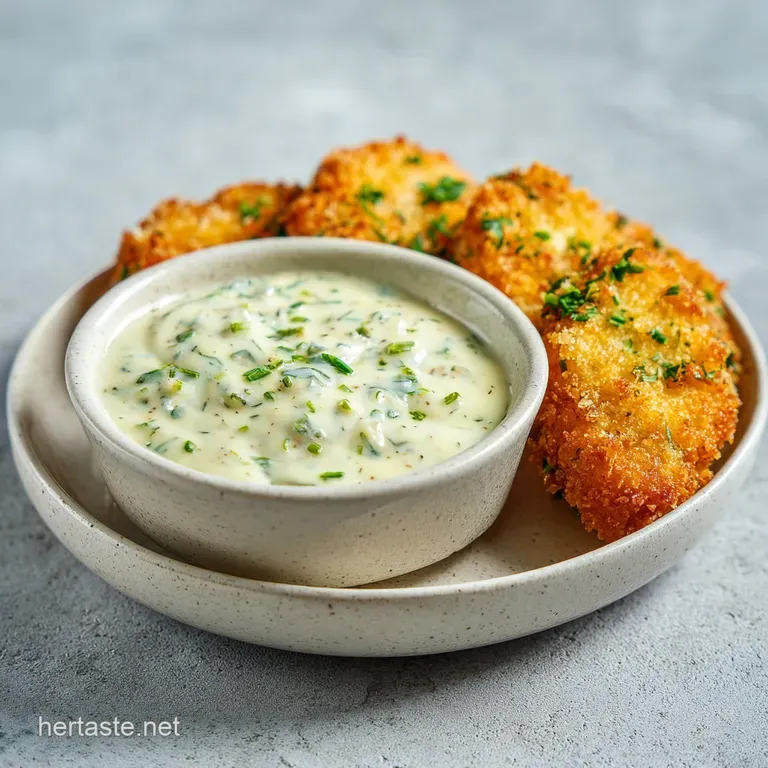
- Time: Active 10 minutes, Passive 30 minutes, Total 40 minutes
- Flavor/Texture Hook: Velvety base with a sharp, vinegary crunch
- Perfect for: Crispy seafood, roasted vegetables, or as a tangy sandwich spread
- Mastering a Zesty Homemade Tartar Sauce Recipe From Scratch
- Essential Metrics and Preparation Times for Successful Mixing
- Selecting Premium Ingredients for the Brightest Flavor Profile
- Necessary Tools for a Seamless Mixing Experience
- Step by Step Method for Creating Silky Emulsions
- Solving Common Texture and Flavor Balance Issues
- Creative Ways to Customize Your Creamy Condiment
- Preservation Methods and Effective Use of Leftover Scraps
- Ideal Food Pairings for Your Finished Sauce
- Debunking Condiment Misconceptions
- Recipe FAQs
- 📝 Recipe Card
Mastering a Zesty Homemade Tartar Sauce Recipe From Scratch
The sizzle of a fresh piece of cod hitting hot oil is one of the most satisfying sounds in a kitchen, but nothing kills that vibe faster than a side of "blah." I used to reach for the jarred stuff, only to be met with a cloying, sugary sludge that tasted more like corn syrup than actual pickles.
It was watery, it slid right off the fish, and it honestly made the whole meal feel cheap.
I decided I was done with mediocre condiments that treated flavor as an afterthought. This tartar sauce recipe is the result of me getting tired of my fish and chips tasting like they came from a high school cafeteria.
We're talking about a sauce that actually has a backbone something zingy, thick enough to hold its shape, and packed with enough aromatics to make your tongue tingle. It’s the difference between a sad, soggy sandwich and a meal that feels intentional.
We are forging a new path here that focuses on texture and balance rather than just mixing white goop with green bits. If you've ever had your sauce "weep" onto the plate or felt like the lemon just disappeared into the mayo, you’re in the right place.
We're going to fix the ratio of fat to acid so every bite feels bright and sharp, not heavy and greasy.
Essential Metrics and Preparation Times for Successful Mixing
When you're trying to get dinner on the table, you don't want to spend an hour whisking a sauce. This recipe is designed to be efficient but respects the time needed for the chemical magic to happen.
Even though the active mixing only takes 10 minutes, that 30 minute rest in the fridge is the secret to a professional result. It’s about letting the acids in the lemon and pickles actually penetrate the shallots and capers.
Cold Infusion Benefits
The resting period isn't just about temperature; it's about softening the bite of the raw shallots. By letting the mixture sit, the vinegar from the relish and the citric acid from the lemon juice act as a light "pickling" agent for the fresh aromatics.
This prevents the sauce from tasting like a mouthful of raw onions and instead turns it into a cohesive, velvety spread.
Critical Precision Checkpoints
To ensure your sauce hits the mark every single time, I follow these three numeric standards. These aren't just guesses; they are the markers of a sauce that will actually cling to your food.
- Aromatic Size: Mince all shallots and capers to 1/8 inch or smaller to ensure they stay suspended in the emulsion rather than sinking to the bottom.
- Resting Temperature: Keep the sauce at a constant 40°F (4°C) during its 30 minute rest to maintain the stability of the mayonnaise emulsion.
- Acid Ratio: Exactly 15ml (1 tablespoon) of lemon juice is the tipping point where the sauce cuts through fat without becoming a liquid mess.
| Method | Time | Texture | Best For |
|---|---|---|---|
| The Quick Whisk | 10 minutes | Thick, chunky, sharp | Immediate use on hot sandwiches |
| The Cold Infusion | 40 minutes | Silky, integrated, mellow | Classic fish and chips or seafood platters |
| The Overnight Meld | 12 hours | Deeply savory, soft herbs | Meal prep and dipping vegetables |
Getting the timing right is just as important as the ingredients themselves. If you rush the process, you'll end up with a sauce where the flavors are segmented you'll taste mayo, then a hit of sour, then a chunk of onion.
Giving it that 30 minute window allows those segments to bridge together into one unified flavor profile.
Selecting Premium Ingredients for the Brightest Flavor Profile
The success of a tartar sauce recipe lives and dies by the quality of the base. Since we aren't cooking anything, there’s no heat to hide poor quality ingredients. I always suggest using a high-quality, full fat mayonnaise.
low-fat versions often use thickeners and starches that create a "rubbery" mouthfeel, which is the last thing you want next to a flaky piece of fried fish.
Component Analysis
| Ingredient | Science Role | Pro Secret |
|---|---|---|
| Mayonnaise | Primary Emulsion | Use a brand with egg yolks listed early for a richer, more velvety finish. |
| Lemon Juice | Acidic Solvent | Fresh juice breaks down the fat molecules on your palate, refreshing your taste buds. |
| Shallots | Sulfur Aromatics | Shallots provide a sophisticated sweetness that raw white onions simply cannot match. |
I’ve found that using Italian parsley and fresh dill together creates a layer of "green" flavor that dried herbs just can't replicate. Dried herbs often taste dusty in a cold sauce, whereas fresh ones provide a burst of essential oils.
When you chop them, try to use a very sharp knife to avoid bruising the leaves; you want clean cuts so the color stays vibrant and doesn't turn the sauce a muddy grey.
Necessary Tools for a Seamless Mixing Experience
One of the best things about this recipe is that it doesn't require a mountain of gadgets. In fact, using a food processor can actually ruin the texture by over processing the pickles into a watery mush. I stick to the basics to keep the texture "shaggy" and interesting.
A good microplane is probably the most sophisticated tool you’ll need here.
- Small Glass Bowl: Use non reactive glass or stainless steel. The acid in the lemon juice can react with aluminum and give your sauce a metallic "tinny" flavor.
- Fine Microplane: This is essential for the lemon zest. You want the aromatic oils from the yellow skin without any of the bitter white pith.
- Sharp Chef's Knife: A dull knife crushes the cell walls of the shallots, releasing too much sulfur and making the sauce smell "oniony" rather than smelling fresh.
- Silicone Spatula: Perfect for folding in the chunky ingredients without breaking down the air bubbles in the mayonnaise.
If you are looking to round out a full meal, this scratch made approach reminds me of when I prep a broccoli casserole recipe — it’s about taking humble ingredients and treating them with a little bit of respect to get a restaurant quality result.
step-by-step Method for Creating Silky Emulsions
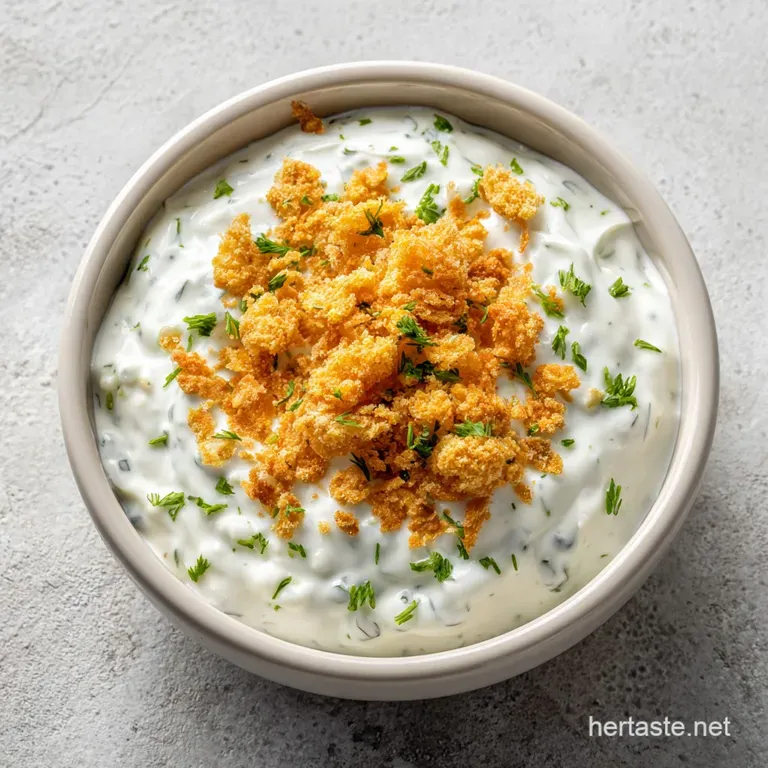
Follow these steps exactly to ensure the texture stays thick and the flavors are perfectly distributed. The order of operations matters because we want to stabilize the base before adding the heavy, wet ingredients like relish.
- Mince aromatics. Chop the shallots, capers, dill, and parsley as finely as possible. Note: Consistent sizing ensures you don't get a huge bite of raw onion in one mouthful.
- Zest the lemon. Grate 1 tsp of lemon zest directly into the mixing bowl. Note: The oils are most potent right when they are released.
- Create the base. Whisk the 1 cup of mayonnaise, 1 tbsp lemon juice, 1/2 tsp Dijon, and 1 tsp Worcestershire sauce together until the mixture looks glossy and smooth.
- Incorporate seasonings. Add 1/4 tsp black pepper and a pinch of salt. Note: Pepper provides a floral heat that balances the fat.
- Fold in pickles. Add the 1/2 cup dill relish and drained capers. Gently stir until the green flecks are evenly distributed.
- Add the fresh greens. Fold in the minced dill and parsley. The sauce should look vibrant and speckled.
- Final stir. Add the minced shallots. Mix until the aromatics are fully submerged.
- Chill and set. Cover with plastic wrap and refrigerate for 30 minutes. Wait until the sauce feels firm and the flavors smell integrated.
The goal here is a sauce that "stands up" on a spoon. If you stir it too vigorously after adding the relish, the salt in the pickles will draw out moisture and thin the sauce. Treat those final folds with a bit of gentleness.
Solving Common Texture and Flavor Balance Issues
Even with a simple tartar sauce recipe, things can go sideways. The most common heartbreak is a sauce that turns into a runny mess five minutes after you take it out of the fridge. This usually happens because of "liquid migration" from the relish or the lemon juice.
If your relish is particularly watery, you might need to give it a quick squeeze in a paper towel before adding it to the bowl.
Adjusting Salt Levels
Capers and pickles are salt bombs. If you find the sauce is too salty, don't add more sugar that just makes it taste like candy. Instead, add a small dollop of plain mayonnaise or a teaspoon of sour cream. The extra fat will coat your tongue and dampen the perception of saltiness.
| Problem | Root Cause | Solution |
|---|---|---|
| Watery Sauce | Too much relish juice | Strain relish through a fine mesh sieve before adding. |
| Overpowering Onion | Shallots chopped too large | Mince smaller or let the sauce sit an extra 20 minutes to mellow. |
| Bland Taste | Lack of acidity | Add an extra 1/2 tsp of lemon juice or a dash of pickle brine. |
Common Mistakes Checklist
- ✓ Never use a blender or food processor; it turns the mayonnaise into a liquid soup.
- ✓ Always drain your capers thoroughly; the brine they sit in is often too harsh for this sauce.
- ✓ Use only the yellow part of the lemon zest; the white pith is incredibly bitter and will ruin the finish.
- ✓ Don't skip the Worcestershire sauce; it provides the "umami" bridge between the fish and the cream.
- ✓ Ensure your mayo is at room temperature before mixing to prevent the lemon juice from "breaking" the emulsion.
Creative Ways to Customize Your Creamy Condiment
While the classic version is hard to beat, I love forging new flavor paths depending on what I’m serving. If you're doing a spicy shrimp po' boy, for instance, a little bit of heat can go a long way. This recipe is an innovative base that you can tweak without losing the fundamental structure.
Adding Spices
I’ve experimented with adding 1/2 tsp of smoked paprika for a "Baja" style vibe, or even a teaspoon of prepared horseradish if I’m serving this with something heavier like fried clams. The horseradish provides a sinus clearing bite that works beautifully with the lemon.
If you want a more "herb forward" sauce, you can swap the parsley for chives, which adds a mild, grassy onion flavor without the crunch of the shallots.
Scaling for Large Groups
When I’m hosting a backyard fish fry for 12 or more people, I always double the recipe, but I follow a specific rule for spices. You don't want to double the salt and pepper linearly, or the sauce becomes one dimensional.
- Scaling Up (2x): Double the mayo, relish, and lemon juice. Increase salt, pepper, and Worcestershire to only 1.5x the original amount. You can always add more, but you can't take it out.
- Scaling Down (1/2): For a solo dinner, use 1/2 cup mayo. Use a whole egg yolk if you're making the mayo from scratch to maintain the richness.
If you are doing a big spread with multiple sides, like a homemade green bean casserole, having a large batch of this tartar sauce on the table is great because it also doubles as a fantastic dip for roasted potatoes.
Preservation Methods and Effective Use of Leftover Scraps
Because this sauce contains fresh lemon juice and raw aromatics, it doesn't have the infinite shelf life of a store-bought jar. However, the acidity actually helps preserve it for a few days. I find the flavor peak is at about the 24 hour mark, but it stays safe and delicious for up to 7 days in the fridge.
Fridge Life Guidelines
Store the sauce in an airtight container glass jars are best. Every time you open the jar, you introduce oxygen, which can start to dull the bright flavor of the fresh herbs. If you see the sauce "separating" (a little pool of water on top), just give it a quick stir with a clean spoon to re emulsify it.
- Zero Waste Tip: If you have leftover lemon halves after juicing, don't toss them! Put them in a bowl of water in the fridge to keep them fresh, or use the rinds to clean your wooden cutting board after mincing the shallots. The citric acid neutralizes the onion smell.
- Herb Scraps: The stems of the dill and parsley have tons of flavor. Tie them together with kitchen twine and toss them into a stock or a pot of boiling potatoes for a subtle herbal infusion.
Freezing Decisions
I’ll be honest with you: do not freeze this sauce. Mayonnaise is a stable emulsion of oil and egg, and when it freezes, the ice crystals break that bond. When you thaw it, you’ll end up with a layer of yellow oil sitting on top of a curdled white mess.
It’s a 10 minute recipe, so it's much better to make it fresh when you need it!
Ideal Food Pairings for Your Finished Sauce
We all know the classic fish and chips pairing, but a good tartar sauce recipe is much more versatile than people give it credit for. It’s essentially a "Gribiche lite" sauce, meaning it loves anything fried, roasted, or starchy.
Beyond Seafood
I’ve found that this sauce is incredible as a dip for crispy smashed potatoes or even as a spread on a cold turkey sandwich. The acidity of the lemon and the crunch of the pickles cut through the "heaviness" of poultry perfectly. If you are serving a big family meal, this sauce sits beautifully next to a spread of classic lasagna if you're doing a diverse buffet, though it truly shines alongside lighter fare.
Decision Shortcut for Pairings
- If you want a classic pairing, serve with beer battered cod or haddock. The bubbles in the batter and the acid in the sauce are a match made in heaven.
- If you want a healthy twist, use it as a dressing for a cold salmon and asparagus salad. The dill and lemon are natural partners for salmon.
- If you want a party appetizer, put a dollop on top of crab cakes or use it as a dipping sauce for fried green beans.
Debunking Condiment Misconceptions
There are a lot of "rules" out there about making sauces that just aren't true. Let's clear the air on a few things so you can cook with confidence.
First, "store-bought relish is cheating." Actually, store-bought relish is a stabilized product that provides a consistent level of sweetness and acidity that is hard to replicate by just chopping up a whole pickle.
Using it as a base for your tartar sauce recipe ensures that you don't end up with a sauce that's too sour or too salty. It’s a smart shortcut that even professional kitchens use.
Second, "Dried herbs are just as good in cold sauces." This is a huge myth. Dried herbs need heat and moisture to "bloom" and release their flavors. In a cold, fat heavy sauce like this, they often stay gritty and taste like hay.
Fresh herbs provide the volatile oils that give the sauce its "shatter" of freshness on the palate. If you absolutely must use dried, use only 1/3 of the amount and let the sauce sit for at least 4 hours to hydrate them.
Finally, "You need a blender for a smooth sauce." For a tartar sauce, "smooth" isn't the goal "integrated" is. A blender will aerate the mayonnaise, changing its color from a rich ivory to a pale, foamy white, and it will destroy the texture of the capers and shallots.
A fork and a bowl are truly all you need for the perfect consistency.
By focusing on these small details the quality of your mayo, the fineness of your mince, and the patience of your 30 minute rest you are forging a condiment that is leagues beyond anything you can buy. This is a personal touch that your friends and family will actually notice.
It turns a routine Tuesday night dinner into something that feels like a real treat. Trust me, once you go scratch made with this, that dusty jar in the grocery store aisle will never look the same again.
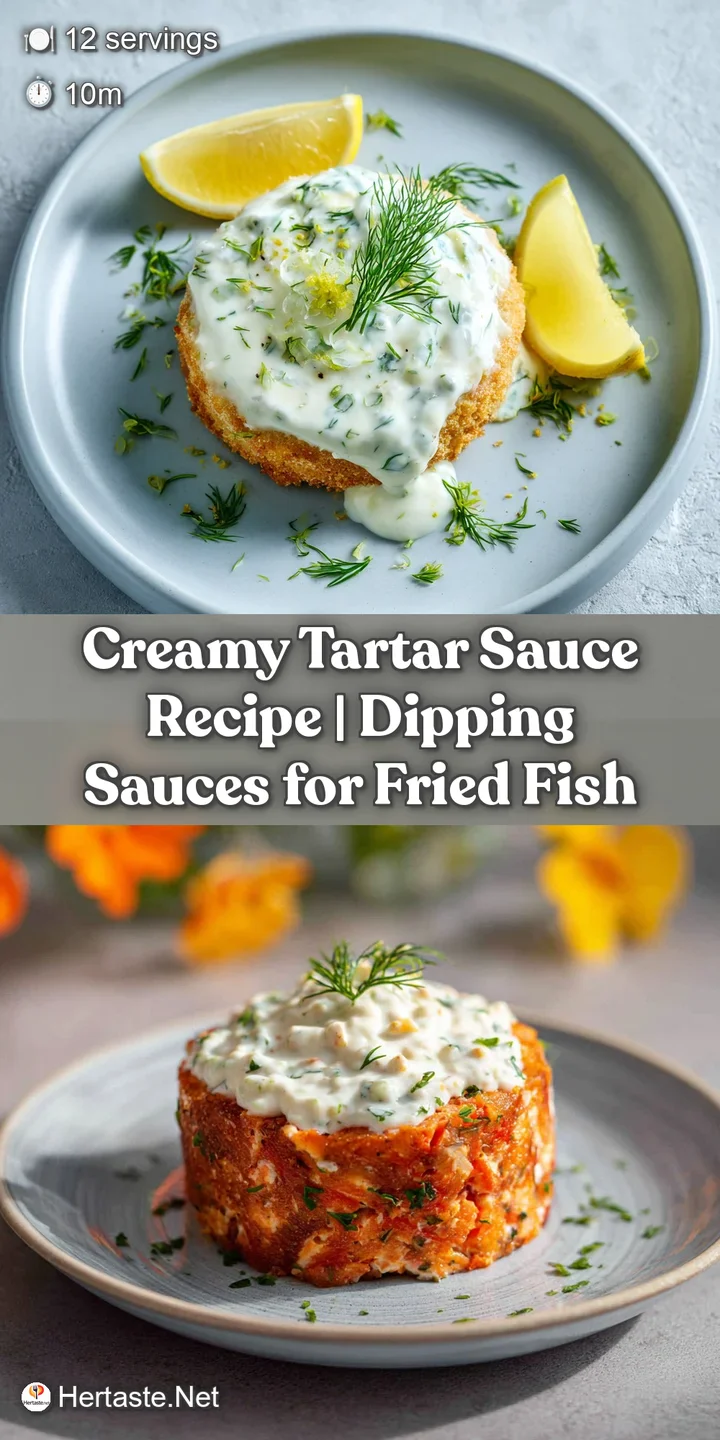
Recipe FAQs
What are the ingredients for tartar sauce?
You need a base of mayonnaise, lemon juice, zest, Dijon mustard, and Worcestershire sauce. For the signature texture and flavor, add dill pickle relish, finely minced capers, shallots, fresh dill, Italian parsley, salt, and black pepper.
Is tartar sauce just mayo and relish?
No, that is a common misconception. While those are the primary components, true tartar sauce requires the aromatics shallots, capers, and fresh herbs plus the acid balance from lemon and Worcestershire to achieve a complex, professional profile.
What does Gordon Ramsay put in his tartar sauce?
He emphasizes freshness and sharp acidity. Like the classic recipe above, he relies on finely chopped capers, cornichons or pickles, fresh herbs, and a hit of lemon to cut through the richness of the mayonnaise.
What's the secret to the best tartar sauce?
The secret is the 30-minute chill time before serving. This window allows the lemon juice to soften the bite of the shallots and enables the herbs to infuse the mayonnaise base, creating a perfectly balanced flavor profile.
How to avoid a watery or broken sauce?
Mix by hand and never use a food processor. Blenders generate too much heat and shear force, which ruins the emulsion; if you enjoyed nailing this stable base, you can apply the same emulsification technique to other herb based sauces.
How to prep the aromatics for the best texture?
Mince the shallots, capers, and herbs as finely as possible. Uniformly small pieces ensure every bite has consistent flavor without any overwhelming chunks of raw onion or herb stems.
How to handle the lemon zest properly?
Grate only the yellow outer layer of the skin. Avoid the white pith underneath, as it is incredibly bitter and will negatively alter the flavor of the entire batch.
Homemade Creamy Tartar Sauce
Ingredients:
Instructions:
Nutrition Facts:
| Calories | 141 kcal |
|---|---|
| Protein | 0.3 g |
| Fat | 15.2 g |
| Carbs | 1.4 g |
| Fiber | 0.2 g |
| Sugar | 0.9 g |
| Sodium | 238 mg |
