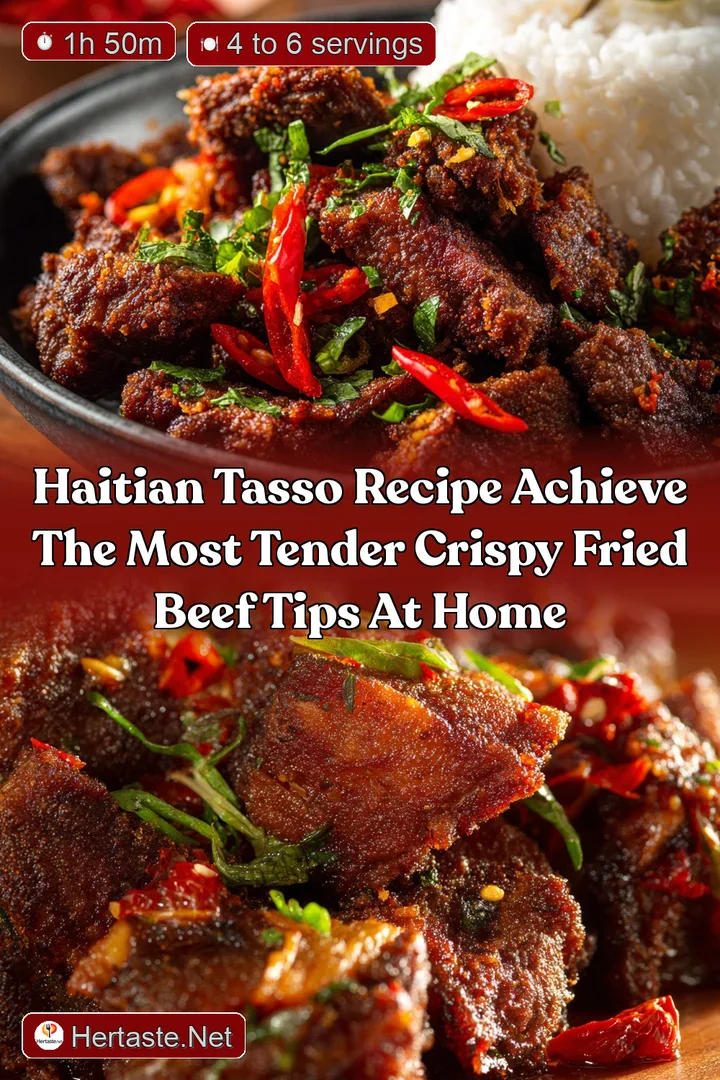
Haitian Tasso De Boeuf Fiery Tender and Ultracrispy Fried Beef
- Mastering the Bold Flavors of Haitian Tasso
- Essential Components for Authentic Tasso Preparation
- Preparing Your Mise en Place and Necessary Tools
- Phase One: Marinating and Tenderizing the Beef
- Phase Two: Achieving the Perfect Crispy Tasso Crust
- Troubleshooting and Advanced Tips for Your Haitian Tasso
- Completing the Feast: Serving Authentic Haitian Tasso
- Recipe FAQs
- 📝 Recipe Card
Mastering the Bold Flavors of Haitian Tasso
Look, if you’re looking for a weeknight dinner that’s mild and quick, turn back now. We are about to crack on with Tasso, and Tasso requires commitment. It requires fire. And it requires time . But holy smokes, the reward is utterly mind blowing.
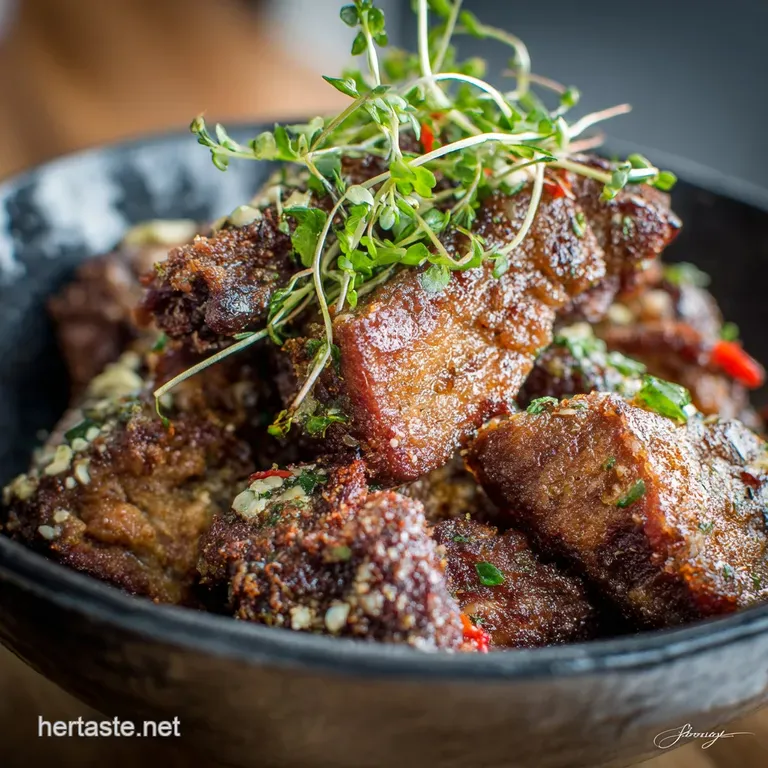
Tasso is fried, seasoned, impossibly tender beef (or goat, or turkey) that hits every single savory, tart, and spicy note your mouth could ever want. Forget dry, flavorless fried meat. This technique the two-stage cook ensures the inside is like butter while the outside shatters when you bite it.
It’s brilliant.
Why Tasso is the Undisputed King of Haitian Street Food
If you’ve ever walked through the streets of Port-au-Prince or visited a small Haitian community fête, you’ve smelled Tasso. It’s that deep, savory scent of meat frying in hot oil, mixed with the bright, herbaceous perfume of garlic and citrus.
It is fundamentally street food: portable, satisfying, and intensely flavorful. We love it because it’s simple ingredients transformed through patience. You aren't just frying beef; you are celebrating tradition.
It’s perfect piled high with a cooling side of rice and beans, but honestly, I could happily stand over the counter and eat it straight out of the cooling basket.
Decoding Épis: The Secret Marinade That Makes Tasso Irresistible
Épis (pronounced 'EH-peese') is the soul of Haitian cooking. If you don’t have épis , you don’t have Tasso. It’s not just a marinade; it’s a flavor paste.
Think of the best chimichurri you’ve ever had, then crank up the intensity by about a thousand degrees. It’s a bright green explosion of fresh herbs (parsley, thyme, scallions), ridiculous amounts of garlic (don’t be shy, I’m begging you), and potent citrus juice.
It provides the acid necessary to tenderize the tough cuts of meat we usually use for Tasso, ensuring that even after a double cook, the beef remains supple.
Tasso de Boeuf vs. Cabrit: Choosing Your Protein for Maximum Flavor
In Haiti, the two most popular versions are Tasso de Boeuf (beef) and Tasso Cabrit (goat). I’m focusing on the beef version here because chuck or shoulder is easy to grab at any supermarket. But if you have access to goat, jump on it!
| Protein Choice | Flavor Profile | Simmer Time Adjustment |
|---|---|---|
| Tasso de Boeuf (Beef) | Rich, deeply savory, robust | 60– 75 minutes |
| Tasso Cabrit (Goat) | Earthy, gamier, highly traditional | 90– 120 minutes (Bone-in) |
Goat, especially bone-in goat, gives you that unparalleled traditional texture, but it needs significantly more time simmering to break down the connective tissue. If you are starting out, beef is an excellent, forgiving entry point.
Essential Components for Authentic Tasso Preparation
This recipe isn't complicated in terms of technique, but it absolutely requires good ingredients and respect for the timing. We need that vibrant seasoning paste, a tough cut of meat, and enough high-quality oil to handle the deep fry.
And seriously, don't even think about substituting dried herbs for fresh in the épis . It will mournfully change the entire dish.
Preparing Your Mise en Place and Necessary Tools
Before you start blending that beautiful épis or chopping the beef, get your tools lined up. You need a good, sturdy food processor or blender that can handle turning raw garlic and hard herb stalks into a smooth paste. Also, invest in a reliable thermometer for the oil.
I know, I know, it feels unnecessary, but guessing your oil temp is the difference between glorious crunch and sad, greasy beef.
Selecting the Right Beef Cut for Tenderness and Crunch
We are looking for stewing beef. Think Chuck, Chuck Roast, or Beef Shoulder. These cuts have a decent amount of marbling and connective tissue, which might sound bad, but it’s exactly what we want.
That connective tissue breaks down during the long, slow simmer, giving the final fried beef a velvety interior structure. If you try to use sirloin or something already lean, you’ll end up with beef jerky after the frying stage.
The Citrus, Herb, and Heat Ratio in Your Épis Marinade
The balance here is everything. Too much heat and you can’t taste the herbs. Not enough acid and the meat stays tough. We use a massive amount of garlic and herbs to overpower the meat, which is fine, because we are cooking it all down.
For the heat, I prefer leaving the Scotch Bonnet whole just a little puncture so the flavor seeps out without creating an emergency level of spice. If you’re feeling brave (or just really love fire), slice that pepper open.
Deep Frying Safety: Equipment and Oil Choices for the Best Results
Deep frying is intimidating, but it doesn't have to be dangerous if you follow basic rules. Always use a deep, heavy bottomed pot (a Dutch oven is perfect) that is only half full of oil. Never overcrowd it, and never, ever drop wet food into hot oil. The oil choice matters, too.
Go for a high smoke point oil like canola, peanut, or vegetable. Don't use olive oil; it burns before it gets hot enough to fry properly.
Phase One: Marinating and Tenderizing the Beef
This phase is where all the magic happens without you having to lift a finger. It’s all about the soak.
Trimming and Washing the Beef (The Traditional Haitian Method)
This is a step many non-Haitian recipes skip, but I think it’s essential, especially for tough cuts. After cutting your beef into generous 1 inch cubes, put them in a bowl and pour fresh lime juice right over them. Use your hands and rub that lime juice aggressively into the meat.
Then, give it a quick, cold rinse. I know, food safety experts might raise an eyebrow (we don't usually wash meat), but traditionally, this process removes residual impurities and odors from the meat, making it ready to truly absorb the strong épis flavors. Pat it dry afterward.
Allowing the Épis to Infuse (Minimum Time vs. Optimal Overnight)
The minimum marinade time is four hours. That’s enough to get the flavor going, but I’m telling you, it’s worth the wait.
CRUCIAL TIP: For Tasso that truly sings, marinate it overnight ( 12 hours). The longer the épis and the lime juice work on the meat, the more tender the final product will be. This long soak is non-negotiable for max flavor impact.
The Low-and-Slow Simmer: Pre-Cooking for Maximum Tenderness
Once marinated, the beef, along with all the remaining marinade, goes into the pot with water. We are essentially stewing the beef first. This gentle simmer (60– 75 minutes for beef) accomplishes two things: it fully tenderizes the meat, and it concentrates the épis flavor into the beef cubes.
The liquid should reduce drastically, coating the meat in a thick, sticky glaze of seasoning. When the liquid is mostly gone and the meat is fork tender, you know you’re ready for the finish line.
Phase Two: Achieving the Perfect Crispy Tasso Crust
This is where you earn your chef stripes. The key to the crust is dryness and heat control.
Temperature Control: Frying Until Golden and Crunchy
After simmering, remove the beef and let it cool on a rack. I cannot stress this enough: you must pat the meat bone dry. I once skipped this step thinking, "A little moisture is fine!" My pot proceeded to erupt like a small volcano, and I spent the next hour cleaning oil splatter off my ceiling.
Don't be me.
Heat your oil to 350°F (175°C). Then, drop the dried meat in batches. You’re not trying to cook the meat (it’s already cooked); you are achieving surface crispness.
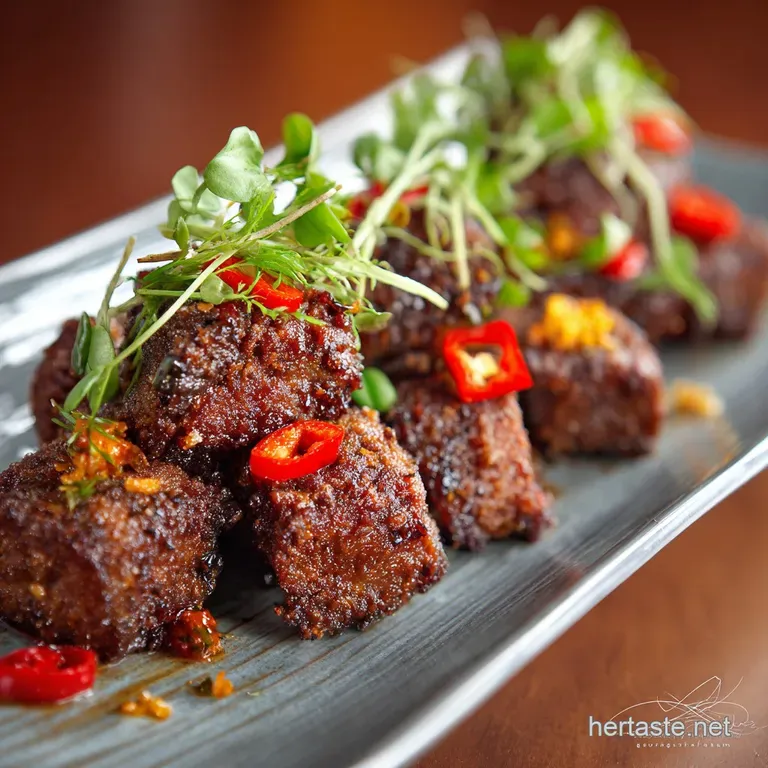
Fry for 5 to 8 minutes, until the beef pieces turn a deep mahogany gold, nearly black in some spots, and look satisfyingly textured. Drain them on a wire rack immediately and sprinkle a final pinch of salt.
Troubleshooting and Advanced Tips for Your Haitian Tasso
- Tasso is Chewy, Not Tender: You likely didn't simmer it long enough, or you used a cut of meat that was too lean (like sirloin). Go low and slow next time.
- Tasso is Greasy: Your oil temperature was too low, and the meat soaked up the oil instead of forming a quick crust. Check that thermometer and wait for 350°F!
- Make Your Épis in Bulk: This paste freezes beautifully. Blend a triple batch and freeze cubes. It saves so much time for seasoning rice, beans, or future batches of Tasso.
Completing the Feast: Serving Authentic Haitian Tasso
You did it. Your kitchen smells like a Haitian dream. Now, let’s serve it right.
Preventing Oil Splatter and Maintaining Oil Cleanliness
A good spider strainer is your best friend. Use it to gently lower the meat into the oil, and use it to retrieve the Tasso. When frying in batches, inevitably little bits of épis and seasoning fall off the meat and burn in the oil. Skim these out between batches.
Clean oil means better flavor and less chance of smoking.
The most important frying safety rule is to never put wet or frozen food directly into hot oil. Even the smallest amount of water turns instantly to steam, causing the oil to forcefully displace and erupt. Dry that beef!
Storing and Reheating Leftover Tasso de Boeuf Safely
I rarely have leftovers, but if you do, store the Tasso in an airtight container in the fridge for up to three days. To reheat, avoid the microwave it turns that beautiful crisp into a chew toy.
Reheat in a 375°F (190°C) oven or an air fryer for about 5 minutes until it crisps back up.
Pairing Tasso with Pikliz and Banann Peze (Fried Plantain)
Tasso is rich, savory, and often spicy. It absolutely needs the acidic kick of pikliz (spicy Haitian pickled slaw) to cut through the fat and richness.
The vinegar, cabbage, carrots, and scotch bonnet in the pikliz act as a palate cleanser, making you want to grab another piece of Tasso immediately.
Then you add Banann Peze (twice fried green plantain, or tostones). Crisp, starchy, and salty it’s the perfect foil. A scoop of white rice, a handful of Tasso, a little heap of pikliz , and a few banann peze . That is heaven on a plate.
Adapting This Recipe: Making Haitian Tasso with Goat or Turkey
The principles of two-stage cooking marinate, simmer, dry, fry apply across the board, even if you switch proteins.
- Tasso Cabrit: As mentioned, use bone-in pieces and be patient during the simmer. It’s worth the extended cooking time.
- Tasso Dinde (Turkey): Use turkey breast or turkey thigh, cut into cubes.
- Turkey is much leaner, so reduce the simmer time significantly (around 30 minutes) just until the turkey is cooked through. You don't want it to dry out before it even hits the oil.
- Tasso Poisson (Fish): Yes, you can even make a fish version, usually using large chunks of marlin or swordfish. Skip the simmer entirely! Just marinate and fry until golden.
Recipe FAQs
Why is the Épis marinade so crucial for authentic Haitian Tasso, and can I swap the limes?
The Épis is the secret sauce it’s what gives authentic Haitian Tasso its bright, complex flavour profile, and the citrus acidity tenderises the beef beautifully.
If you’re fresh out of traditional Seville sour oranges, a simple mix of two parts fresh lime juice to one part regular orange juice does the job quite nicely, Bob’s your uncle!
Good heavens, why do I have to simmer the beef for over an hour before frying? Isn’t that a bit of a faff?
It’s a proper two-step process to achieve culinary perfection! The long simmer ensures the tough stewing beef becomes meltingly tender, almost like pot roast, while the subsequent high heat frying is purely to develop that incredible, dark, crispy crust.
My oil is spitting everywhere! How do I get that perfect crispy crust without making a fearful mess?
Right, steady on! That spitting means the meat is still wet, which is an absolute no-no for deep frying safety and texture. You must pat the simmered meat down thoroughly with paper towels and allow it to air-dry on a rack for a good 30 minutes before it goes anywhere near the hot oil.
I’m making a huge batch of Tasso for a gathering. Can I cook it in advance?
Absolutely, Tasso is excellent for making ahead! Complete the simmering stage, drain, and cool the meat; then store it covered in the fridge for up to three days. When your guests arrive, simply dry the pieces again and proceed straight to the deep fry for instant, piping hot, crispy goodness.
I fancy a change from beef. Does Tasso have to be beef, or can I use goat or chicken?
Tasso is traditionally made with either beef (boeuf) or goat (kabrit), so feel free to mix it up! If you use goat, expect the simmer time to be longer (around 90 120 minutes); if you opt for chicken thighs, reduce the simmer time significantly to prevent the poultry from drying out.
Haitian Tasso Fiery Fried Beef
Ingredients:
Instructions:
Nutrition Facts:
| Calories | 9257 kcal |
|---|---|
| Protein | 51.3 g |
| Fat | 128.7 g |
| Carbs | 246.0 g |
| Fiber | 16.2 g |
| Sodium | 1610 mg |
