Grandmas Rice Pudding: the Silkiest, Creamiest Version
- Nana’s Proper Puddin’: Reclaiming the Art of Slow-Cooked Comfort
- The Science of Silky: Why This Grandmas Rice Pudding Recipe is Inherently Creamy
- Kitchen Prep: Essential Ingredients for the Perfect Custardy Finish
- Substitutions and Adjustments for Dietary Needs
- Master the Stovetop Method: Achieving the Ultimate Creamy Puddin’
- Troubleshooting Your Puddin': Tips from the Chef’s Notebook
- Keeping the Comfort: Storage and Reheating Guidelines for Grandmas Rice Pudding
- Serving Your Masterpiece: Traditional and Modern Pairings
- Recipe FAQs
- 📝 Recipe Card
Nana’s Proper Puddin’: Reclaiming the Art of Slow Cooked Comfort
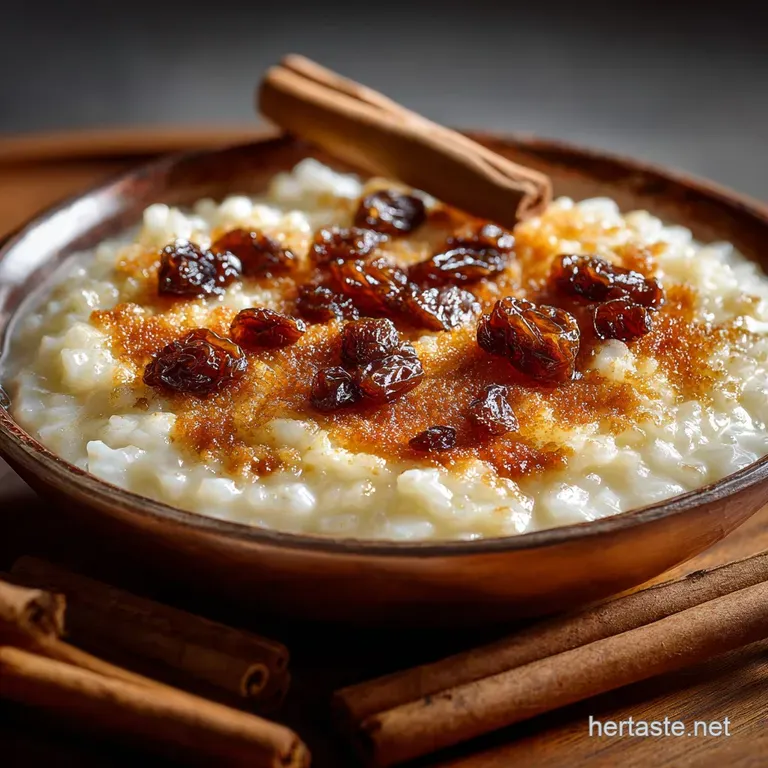
There are certain smells that just wrap you up in a hug, aren't there? For me, it’s the rich, creamy, vanilla aroma of Nana’s Grandmas Rice Pudding filling the kitchen. This isn't the thin, sad, watery stuff you find in tins; this is a thick, unctuous, custardy bowl of pure comfort.
This classic recipe, handed down through generations, is a total lifesaver. It uses pantry staples rice, milk, sugar and costs next to nothing to make. It’s perfect for a miserable Tuesday night when you need something warm and deeply satisfying, but it feels fancy enough for dessert after a holiday meal, too.
Trust me when I say the secret here is patience . We are committing to the slow simmer, allowing the starch and the rich dairy to meld into a heavenly, silky smooth finish. Let’s ditch the quick fixes and make the absolute Best Rice Pudding Recipe you will ever taste.
The Science of Silky: Why This Grandmas Rice Pudding Recipe is Inherently Creamy
This is where we put on our nerdy lab coats for a second, but I promise I'll keep it simple. The difference between a bland, gluey rice mess and this velvety pudding lies in two things: the rice type and the cooking speed.
Why Slow Cooking is Non-Negotiable for Texture
When you rush cooking milk based desserts, the heat blasts the rice grains. They break open too fast, releasing starch unevenly, and you end up with a watery base surrounding crunchy grains. Slow cooking, however, means the rice swells gently over a long period.
This controlled process releases the starch slowly, creating a naturally thick, emulsified custard, often called the "velvet effect."
The Difference Between Stovetop and Baked Methods
While baked rice pudding is lovely (it develops that famous, chewy skin), the stovetop method delivers the ultimate Grandmas Rice Pudding creaminess. Baking requires less stirring, but the stovetop method allows you to continuously redistribute the starches and fats, ensuring every grain is suspended in the thick, luscious custard.
It’s definitely more hands-on, but the texture payoff is worth the stirring arm workout.
Understanding the Power of Short Grain Rice Starch
We are not using long grain rice here it just doesn't work the same way. Short grain varieties like Arborio or actual "Pudding Rice" are plump and contain high levels of amylopectin starch.
When cooked slowly in liquid, this starch dissolves and acts like a natural thickener, exactly like cornstarch or flour, but without the chalky texture.
The Essential Role of Whole Milk and Double Cream
If you try to make this with low-fat or skim milk, you will be disappointed. I tried that once in my early twenties, thinking I was being "healthy," and it was a watery, thin disaster. Milk fat is crucial.
The fat content in the whole milk and heavy cream (double cream, if you’re being fancy) stabilizes the emulsion and coats the starches, preventing that gluey feeling while ensuring maximum richness and flavor.
Kitchen Prep: Essential Ingredients for the Perfect Custardy Finish
This recipe is beautifully simple, proving that great food doesn't need a massive ingredient list. We’re focusing on quality dairy and stellar vanilla.
The key is starting with room temperature milk if possible; cold milk takes much longer to heat and increases your risk of scorching the bottom of the pot. Always use a heavy bottomed pan. This is the secret weapon against burned milk!
Substitutions and Adjustments for Dietary Needs

Need to swap out an ingredient? No sweat. But heed my warnings, especially regarding the rice type.
| Ingredient | Substitute | Impact/Notes |
|---|---|---|
| Short Grain Rice | Carnaroli or Sushi Rice | Excellent substitutes; they have high starch content. DO NOT use Basmati. |
| Whole Milk | Full fat Oat Milk or Canned Coconut Milk | Oat milk is the closest non-dairy option for creaminess. Avoid thin almond milk. |
| Heavy Cream | Half and Half (use slightly less milk) | Reduces richness slightly but maintains good texture. |
| Granulated Sugar | Condensed Milk (Sweetened) | If using Grandma's rice pudding with condensed milk recipe easy , reduce the milk by 1 cup and add 1/2 can of condensed milk instead of granulated sugar. |
| Vanilla Pod | high-quality Vanilla Extract | Use 1 teaspoon of extract, added after the pudding is removed from the heat, not during cooking. |
Choosing the Right Rice: Arborio vs. Pudding Rice
Pudding rice is traditionally used, but Arborio (used for risotto) is actually often easier to find and works exactly the same way. The grains are robust, round, and ready to soak up all that beautiful dairy.
Dairy Notes: Why Milk Fat Content Matters Most
Fat doesn’t just add flavor; it buffers the rice grains, keeping them separate even as they swell. This means you get a silky, flowing custard rather than a sticky, homogenous mass. If you cut the fat, you cut the comfort.
Vanilla & Spice: Extract vs. Fresh Bean Paste
A fresh vanilla pod is superior because you infuse the entire cooking process with the flavor, but a good vanilla bean paste is a brilliant runner-up. Please skip the cheap, clear vanilla extract; it has a high alcohol content and will just taste disappointing here.
Smart Sweetening: Adjusting Sugar Levels Safely
My recipe sits on the low-to-medium sweetness scale because I like to add jam or fruit on top later. Taste the milk mixture before adding the rice. If it's not sweet enough for your palate at that point, add another tablespoon of sugar then.
Master the Stovetop Method: Achieving the Ultimate Creamy Puddin’
The method is divided into three crucial phases. You must pay attention in the middle phase, or you risk the dreaded scorch.
Troubleshooting Your Puddin': Tips from the Chef’s Notebook
Step 1: The Initial Simmer and Vanilla Infusion
Rinsing the rice is non-negotiable! You want to knock off that surface dust, but we don't want to rinse all the starch away, so just a quick, cold rinse is perfect. Bring your milk, cream, sugar, salt, and vanilla (pod and seeds) up to a bare simmer tiny bubbles only!
Step 2: Consistent Stirring and Patience (The 45 Minute Commitment)
Once the rice is added, reduce the heat to the absolute lowest setting. We are talking slow and steady. You need to stir every 3 to 5 minutes, scraping the bottom and the corners of the pan. This active stirring is your quality control and scorch prevention system. If you need a distraction during this stirring marathon, perhaps prep some dough for Grandmas Shortbread: The 3 Ingredient Recipe for Meltingly Tender Cookies to bake later.
Step 3: The Final Thickening and Rest
The total cook time is typically 60 to 75 minutes. The pudding should be thick but still slightly loose like a very creamy soup because it will set up significantly as it cools.
Always remove the cinnamon stick and vanilla pod before stirring in that final knob of butter. The butter adds a beautiful, professional gloss that melts perfectly into the finished custard.
Preventing Scorch and Stickiness on the Bottom
This is the number one failure point for Grandmas Rice Pudding . If you smell burning, you’re too late! The fix? If you catch a faint scorch smell, immediately transfer the unburnt portion of the pudding into a fresh, clean pot.
Do not scrape the bottom of the old pot or you’ll contaminate the whole batch.
Fixing Pudding That is Too Thin or Watery
If your rice is cooked but the pudding is too watery, simply turn the heat back up to a slightly faster simmer (medium low) and continue stirring frequently until it thickens. If you're out of patience, mix 1 tablespoon of cornstarch with 2 tablespoons of cold water to create a slurry.
Drizzle it slowly into the simmering pudding, stirring constantly, until it reaches the desired thickness. That's the chef's secret cheat code!
Keeping the Comfort: Storage and Reheating Guidelines for Grandmas Rice Pudding
This dish tastes even better the next day, if you manage to save any.
Shelf Life: How Long Does Homemade Rice Pudding Last?
Stored properly, homemade rice pudding is good for 4 to 5 days in the refrigerator. Make sure it cools down quickly before storage.
Best Practices for Refrigeration and Preventing Skin Formation
If you hate that rubbery skin that forms on top (I do!), here’s a tip: as soon as the pudding is finished cooking and resting, transfer it to an airtight container. While it is still hot, press a layer of cling film or plastic wrap directly onto the surface of the pudding, ensuring no air pockets remain.
Then seal the container and chill. This prevents that tough skin from forming.
Can You Freeze Cooked Rice Pudding? (And Should You?)
Yes, technically, you can freeze it for up to 2 months. However, freezing changes the texture. When thawed, the pudding tends to separate slightly, becoming grainier, and the creaminess is diminished.
If you must freeze it, thaw it slowly overnight in the fridge and give it a rigorous stir before reheating.
Serving Your Masterpiece: Traditional and Modern Pairings
This rich dessert deserves a proper presentation.
Chef's Note: If serving warm, always reheat gently on the stovetop, adding a splash of milk to loosen the texture, as it will thicken significantly in the fridge.
The Classic Finish: Cinnamon and Nutmeg Dusting
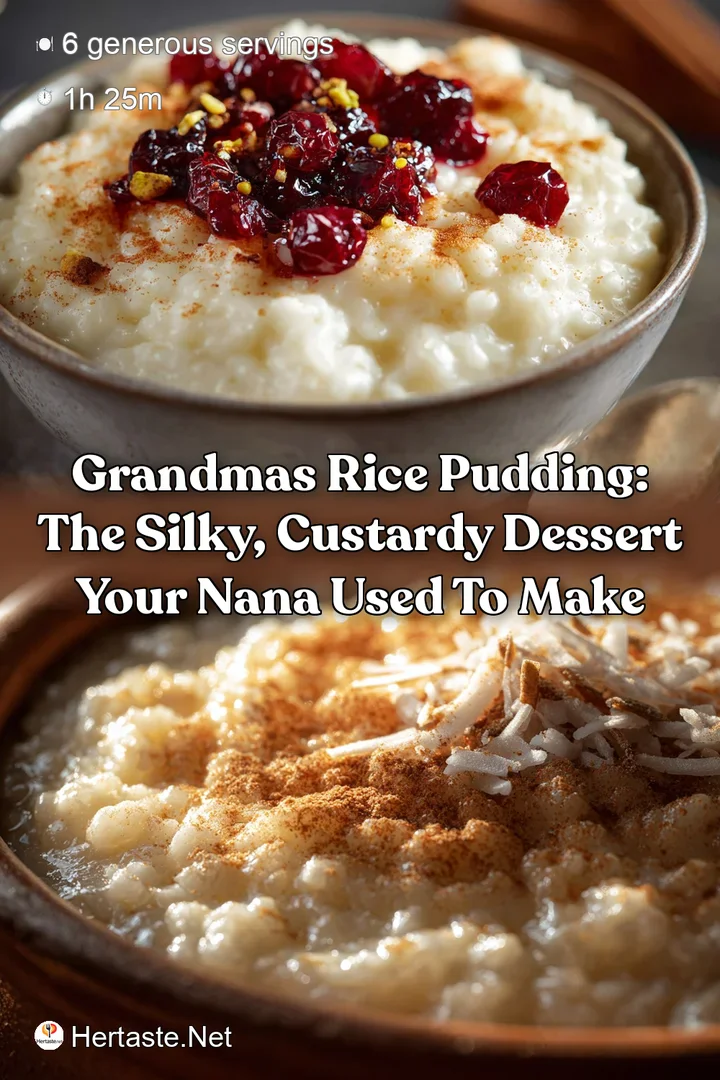
A generous dusting of fresh nutmeg and cinnamon is mandatory for that true classic Grandma's rice pudding taste of home experience. The warming spices contrast beautifully with the rich dairy.
Serving Temperature: Hot, Warm, or Chilled?
This is truly versatile. I love it piping hot in the winter, served with a splash of maple syrup. But it’s equally glorious chilled straight from the fridge, especially when topped with fresh berries or a sharp, tart jam.
It's the perfect easy, sweet counterpoint to something savory, much like my favorite Corn Pudding: The Ultimate Silky, Old Fashioned Recipe for Thanksgiving acts at a dinner table. Serve it however you feel most comfortable!
Recipe FAQs
Why is my rice pudding gluey or overly thick?
Too gluey means you simmered it too aggressively or didn't stir enough, causing excessive starch release and potential scorching. To fix this, you can thin it out by gently stirring in a little extra warmed whole milk or double cream right before serving until you achieve the desired flow and consistency.
Can I use long grain rice instead of short grain (pudding) rice?
While you can technically use long grain rice, it is highly discouraged for this specific recipe's classic texture. Short grain rice (like Arborio or specific pudding rice) is essential because its high amylopectin content ensures maximum starch release, which creates the signature creamy, custardy body we are aiming for.
How do I prevent the milk from scorching or sticking to the bottom of the pan?
Scorching is almost always caused by using heat that is too high or by failing to stir constantly toward the end of the cooking time. Ensure you are using a heavy bottomed saucepan for better heat distribution and keep the heat truly low, only allowing for the gentlest of slow simmers.
Can I make this rice pudding with non-dairy milk?
Yes, but results vary; choose a full fat, creamy alternative like canned coconut milk or a high-quality barista oat milk. Note that non-dairy liquids often do not thicken quite as well as whole dairy milk, so you may need to add a teaspoon of cornstarch mixed with water during the last 10 minutes of simmering to achieve the right richness.
What is the best way to store leftovers, and can I freeze the pudding?
Leftover rice pudding keeps well in an airtight container in the refrigerator for 3 to 4 days; you may need to add a splash of milk when reheating as it will thicken significantly upon cooling.
Freezing is generally not recommended as the high dairy content often degrades the texture upon thawing, leading to a somewhat grainy consistency.
I want a richer vanilla flavor. Should I use extract or a bean?
For the silkiest, deepest vanilla flavor that penetrates the entire pudding, always use a scraped vanilla bean or vanilla bean paste, adding it directly to the milk mixture at the start of cooking.
If you must use extract, it should be stirred in after the pudding is removed from the heat to prevent its delicate aroma from evaporating.
Can I bake this recipe instead of cooking it on the stovetop?
Absolutely; oven baking is a traditional method that produces a wonderful, thick 'skin' on top. To adapt, transfer the ingredients to a buttered casserole dish and bake low and slow at around 300°F (150°C) for 1.5 to 2 hours, stirring gently only once halfway through to prevent sticking.
Grandmas Silky Stovetop Rice Pudding
Ingredients:
Instructions:
Nutrition Facts:
| Calories | 450 kcal |
|---|---|
| Fat | 18 g |
| Fiber | 0.5 g |
