German Chocolate Dump Cake: Rich and Fudgy
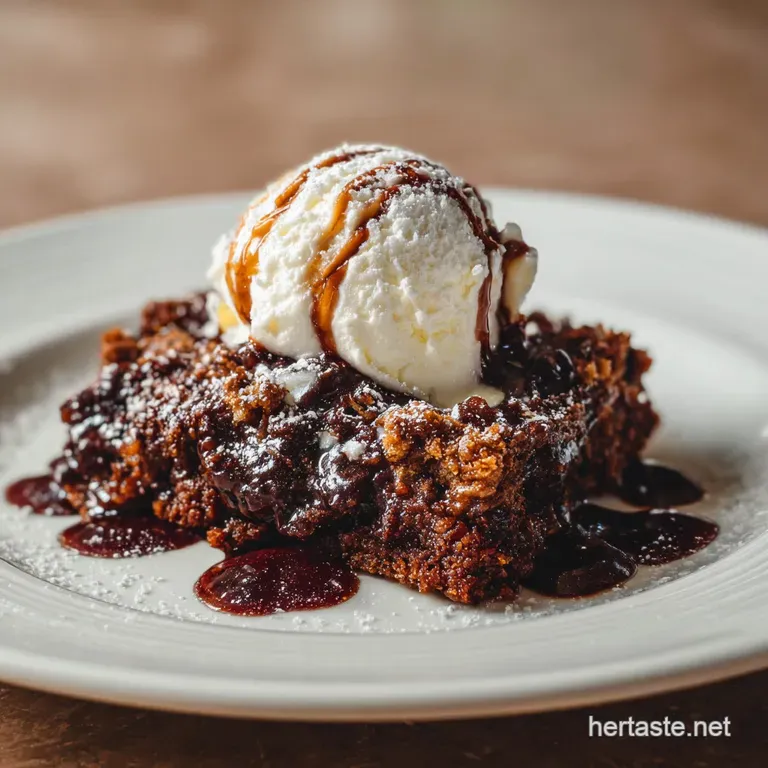
- Time: Active 10 minutes, Passive 45 minutes, Total 55 minutes
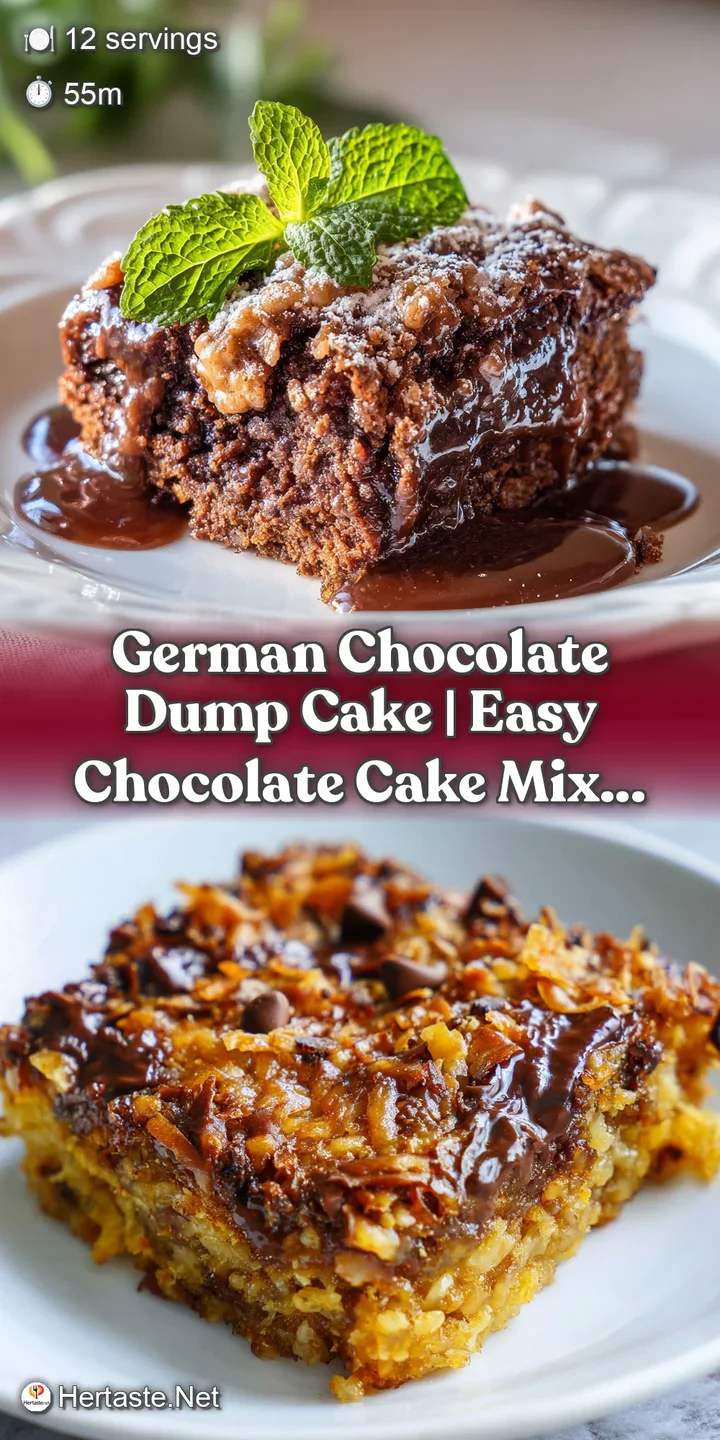
- Flavor/Texture Hook: A velvety, molten chocolate center topped with a shatter crisp coconut and pecan crust.
- Perfect for: Joyous family gatherings, rustic potlucks, or when you need a high impact dessert with minimal effort.
- Mastering The Ultimate German Chocolate Dump Cake
- The Secret To Success
- Essential Baking Precision Metrics
- Selecting Your Best Flavor Components
- Tools For Flawless Dessert Results
- The Step-By-Step Aroma Process
- Expert Fixes For Common Errors
- Fun Flavor Twists And Swaps
- Storing Your Cake For Freshness
- Beautiful Serving And Plating Ideas
- Recipe FAQs
- 📝 Recipe Card
Mastering The Ultimate German Chocolate Dump Cake
The first time I pulled this dish out of the oven, the aroma of toasted pecans and bubbling chocolate filled my kitchen with such a rustic, cozy warmth that I knew it would become a staple. It is a flavor profile that feels deeply American, rooted in a fascinating bit of history that many people actually get wrong.
You see, this cake isn't from Germany at all; it’s named after Samuel German, an Englishman who developed a dark baking chocolate for the Baker's Chocolate Company in 1852. His namesake chocolate became the foundation for a cake that eventually became a Texas icon in the late 1950s.
When we talk about comfort food, this is the gold standard for me. There is something profoundly joyous about watching simple layers of dry mix and liquid transform into a complex, multi textured masterpiece.
Unlike a traditional tiered cake that requires precise crumb coats and temperamental frosting, this rustic version embraces its imperfections. It’s meant to be served warm, scooped into bowls with a bit of the molten center oozing out, contrasting with the crunch of the toasted coconut.
This recipe is about bringing people together without the stress of perfectionism. It’s about the sizzle of the butter as it melts through the chocolate layers and the way the kitchen smells like a caramel toffee dream as the pecans roast on top.
Whether you are making this for a holiday or a quiet Sunday evening, it delivers a level of indulgence that feels far more sophisticated than the simple "dump and bake" method suggests.
The Secret To Success
Capillary Action: The zig zag pouring of condensed milk creates channels that pull moisture deep into the dry cake mix fibers. This ensures every bite is hydrated without the need for mechanical stirring.
Thermal Insulation: The top layer of pecans and coconut acts as a heat shield for the chocolate pudding underneath. This prevents the delicate chocolate from scorching while allowing the top to reach a shatter crisp texture.
Starch Gelatinization: As the whole milk and butter reach boiling point inside the pan, they swell the starch granules in the dry mixes. This creates a thick, velvety custard like consistency that sets beautifully during the cooling phase.
| Texture Target | Visual Indicator | Sound Cues | Doneness Feel |
|---|---|---|---|
| Fudgy & Molten | Edges bubbling dark brown | Subtle sizzle at the corners | Center wobbles like jelly |
| Set & Cake like | Edges pulling away from pan | No audible bubbling | Center resists light pressure |
| Crisp Topping | Coconut turns deep golden | Pecans make a "snap" sound | Surface feels firm to touch |
The beauty of this method lies in the lack of intervention. Resisting the urge to stir is what allows these distinct layers to form. When you stir a dump cake, you lose the textural contrast between the gooey chocolate interior and the crunch of the topping.
The layers need to stay separate to achieve that signature "self frosting" effect that makes this dish so special.
Essential Baking Precision Metrics
When we are aiming for that perfect balance of textures, precision with your timing and temperatures is everything. I have found that a standard 9x13 inch glass or ceramic baking dish provides the most even heat distribution.
Metal pans tend to heat up faster, which can lead to the sugar in the condensed milk caramelizing too quickly on the bottom before the center has fully hydrated.
| Ingredient Detail | Quantity | Importance Level |
|---|---|---|
| German Chocolate Mix | 15.25 oz | Primary structure and cocoa base |
| Instant Pudding Mix | 3.9 oz | Creates the velvety, molten center |
| Unsalted Butter | 0.75 cup | The fat source that "cooks" the dry mix |
While the recipe is incredibly forgiving, these specific measurements ensure the moisture to dry ratio is spot on. If you use a larger pan, the cake will be thinner and potentially drier; if you use a smaller one, the center may remain too liquid.
Sticking to the 350°F (175°C) temperature is the sweet spot where the butter melts at the same rate the cake mix absorbs the liquid.
Selecting Your Best Flavor Components
For the best results, every element should be chosen for its contribution to the final aroma and bite. I always reach for semi sweet chocolate chips because they provide a necessary bitterness to balance the sweetness of the condensed milk.
- German Chocolate Cake Mix (1 box): This provides a milder chocolate flavor than Devil’s Food, which allows the coconut to shine.
- Instant Chocolate Pudding Mix (1 package): This is the secret to the "lava" texture.
- Semi Sweet Chocolate Chips (1.5 cups): These melt into little pockets of intense chocolate.
- Sweetened Condensed Milk (1 can): The "glue" that creates a caramel like fudge.
- Whole Milk (0.5 cup): thins the condensed milk so it can travel through the cake mix.
- Shredded Sweetened Coconut (1.5 cups): Provides the classic tropical sweetness and chew.
- Chopped Pecans (1 cup): Adds a much needed earthy crunch.
- Unsalted Butter (0.75 cup): Use high-quality butter for a richer flavor. Why this? Salted butter can make the chocolate taste metallic; unsalted gives you control.
| Original Ingredient | Substitute | Why It Works |
|---|---|---|
| Sweetened Coconut | Unsweetened Coconut | Reduces sugar; requires 2 mins less baking time to avoid burning |
| Chopped Pecans | Walnuts | Similar fat content. Note: Adds a slightly bitter, tannic edge to the finish |
| Whole Milk | Heavy Cream | Creates an even denser, truffle like texture in the center |
If you find yourself craving an even more intense chocolate experience, you might consider how this pairs with other bakes. While this cake is incredibly moist on its own, I've noticed that people who enjoy the density of a Pound Cake recipe often find the dump cake to be a wonderful, gooey alternative for special occasions.
Tools For Flawless Dessert Results
You won't need a heavy stand mixer or any complicated gadgets for this one, which is part of its rustic charm. However, a few specific tools will make the process smoother and the results more consistent.
- 9x13 Inch Baking Dish: Glass is my preference here so I can see the bubbling layers.
- A Sharp Knife: Needed for slicing the butter into very thin, even pats.
- Measuring Cups: Accuracy with the milk and chocolate chips ensures the texture isn't too runny.
- Non Stick Cooking Spray: Crucial for the edges where the sugar tends to stick.
Using a butter slicer or even a cheese plane can help you get those paper thin slices of butter. The goal is to cover as much of the dry cake mix surface as possible. Large chunks of butter leave "dry islands" of flour, whereas thin slices create a golden, uniform seal that cooks the mix perfectly.
The step-by-step Aroma Process
- Preheat your oven to 350°F (175°C). Liberally coat a 9x13 inch baking dish with non stick cooking spray. Note: This prevents the condensed milk from bonding to the dish.
- Sprinkle half of the shredded coconut and half of the chopped pecans directly onto the bottom of the prepared pan. Expect a nutty, earthy aroma as these begin to warm against the pan.
- Evenly sprinkle the dry German chocolate cake mix over the nut and coconut layer. Level it gently with a fork without packing it down. Note: Loose powder allows liquid to flow better.
- Layer the dry instant chocolate pudding mix and the semi sweet chocolate chips over the cake mix.
- Pour the sweetened condensed milk and the whole milk in a zig zag pattern across the entire surface. Watch for the milk to slowly disappear into the cracks of the chocolate powder.
- Arrange the butter slices over the top, ensuring maximum surface coverage. Sprinkle the remaining coconut and pecans over the butter.
- Bake for 45-50 minutes until the edges are bubbling and the coconut is toasted. The kitchen will begin to smell like warm caramel and toasted nuts around the 30 minute mark.
- Let the cake rest for 15 minutes before serving. Listen for the faint crackling as the sugar sets and the internal temperature stabilizes.
During the baking process, pay attention to the scent. If the smell of toasted nuts becomes very sharp or smells "dark," your pecans might be browning too quickly. This usually happens if your oven has a strong top heat element.
If that's the case, a loose tent of foil for the last 10 minutes will protect the topping while the center continues to set.
Expert Fixes For Common Errors
Sometimes, despite our best efforts, the "dump" doesn't go quite as planned. The most common issue is finding a pocket of dry, unbaked cake mix in the center. This is almost always caused by uneven liquid distribution or butter slices that were too thick.
Dealing With Dry Flour Pockets
If you scoop into the cake and find dry powder, the moisture didn't penetrate that area. This often happens if the cake mix was packed down too tightly or the milk was poured too quickly in one spot. Next time, use a fork to lightly "fluff" the dry mix before adding liquids.
Preventing A Greasy Finish
If the cake seems excessively oily, the butter might have separated before the starch could absorb it. This happens if the oven temperature is too low, causing the butter to melt slowly over a long period rather than "frying" the cake mix into a crust.
| Problem | Root Cause | Solution |
|---|---|---|
| Burnt Topping | Rack too high in oven | Move to middle rack; tent with foil halfway through |
| Runny Center | Underbaked or too much milk | Bake 5 mins longer; check for "jiggly" vs "liquid" center |
| Dry Surface | Gaps between butter slices | Ensure butter covers 90% of the surface area |
Common Mistakes Checklist
- ✓ Never stir the layers; stirring ruins the distinct fudge and crunch texture.
- ✓ Slice butter while cold to get thinner, more even pieces for better coverage.
- ✓ Use "Instant" pudding only; "Cook and Serve" pudding will not set properly in this environment.
- ✓ Check your oven temperature with a thermometer to ensure a true 350°F.
- ✓ Do not skip the resting time; the pudding needs those 15 minutes to firm up into a velvety scoop.
Fun Flavor Twists And Swaps
While the classic version is hard to beat, I love experimenting with seasonal variations or different textures. If you're feeling adventurous, you can create a "German Chocolate Earthquake Cake" by dollops of cream cheese mixed with powdered sugar into the layers before baking.
This creates "fault lines" of tangy cheesecake throughout the chocolate.
For those who enjoy a brighter finish, adding a layer of crushed pineapple (drained well) under the cake mix provides a tropical acidity that cuts through the heavy chocolate. This "German Chocolate Dump Cake with pineapple" is actually a vintage variation that was very popular in the 1970s.
| Feature | Fresh Method | Shortcut Method |
|---|---|---|
| Flavor Depth | Complex, layered sweetness | Strong cocoa hit |
| Texture | Rustic and variable | Uniformly soft |
| Effort | High (Multi step) | Very low (One pan) |
If you are looking for a way to add even more decadence, serving this with a drizzle of warm chocolate sauce can take it from a casual family treat to a restaurant quality dessert. The extra layer of liquid chocolate emphasizes the molten center of the cake.
Storing Your Cake For Freshness
This cake is at its absolute best when served warm, but it keeps surprisingly well due to the high moisture content from the condensed milk and pudding. I actually find that the flavors "marry" even more overnight, making the leftovers a real joy.
- Fridge: Store in an airtight container for up to 5 days. Because of the dairy content, I don't recommend leaving it on the counter for more than a few hours.
- Freezer: You can freeze the baked cake for up to 3 months. Wrap individual portions in plastic wrap and then foil to prevent freezer burn.
- Reheating: Use the microwave for 20-30 seconds to restore the molten texture. If reheating a large portion, use the oven at 300°F for 10 minutes.
- Zero Waste: If you have leftover crumbs or small broken pieces, they make an incredible topping for vanilla bean ice cream. You can also layer them into a trifle with whipped cream and fresh berries.
The myths surrounding dump cakes usually suggest they are "low quality" because they use a mix. However, once the butter and condensed milk undergo the Maillard reaction with the pecans and coconut, the chemical profile is virtually identical to a "from scratch" caramel.
The convenience doesn't sacrifice the science of flavor.
Beautiful Serving And Plating Ideas
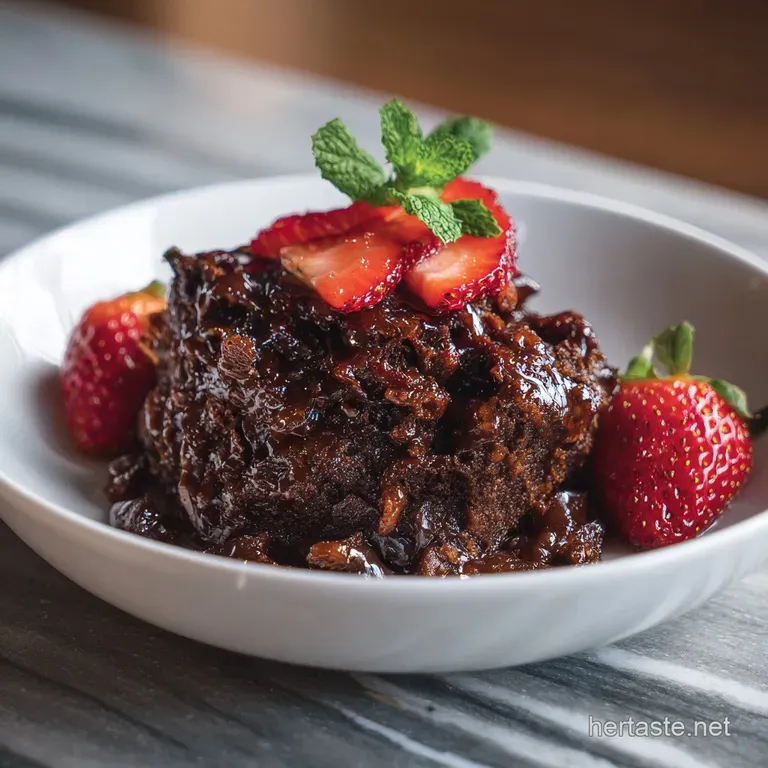
To really emphasize the joy of this dish, I suggest serving it in wide, shallow bowls rather than on flat plates. This catches any of the gooey chocolate pudding that might escape.
A dollop of unsweetened whipped cream or a scoop of high-quality vanilla bean ice cream is the perfect companion, as the cold cream begins to melt against the hot chocolate.
For a professional finish, you can reserve a handful of fresh pecans to sprinkle on top right before serving, giving a contrast between the roasted, crunchy nuts and the fresh, buttery ones. A light dusting of sea salt can also heighten the chocolate notes and balance the sweetness of the condensed milk.
Whether you're sharing this at a bustling holiday party or enjoying a quiet bowl by yourself, the combination of textures and the nostalgic aroma is guaranteed to bring a smile. It’s a testament to the fact that some of the best kitchen memories are made with simple layers and a little bit of patience.
Enjoy every bubbling, chocolatey bite!
Recipe FAQs
What is the biggest mistake to avoid when making a dump cake?
Never stir the layers after assembling them. If you stir, you destroy the distinct fudge and crunch texture layers that define this dessert.
What is german chocolate dump cake?
It is a decadent, layered dessert created by "dumping" ingredients into a pan without mixing. The combination of German chocolate cake mix, instant pudding, condensed milk, coconut, and pecans creates a rich, gooey texture that forms its own sauce during baking.
Which cake is lowest in calories?
This specific recipe is not a low-calorie dessert, as it contains 601 kcal per serving. If you are looking for a lighter alternative to practice your baking fundamentals, you might enjoy our classic vanilla cake recipe.
What is special about German chocolate cake?
It features a unique combination of sweet coconut and crunchy pecans. In this dump cake version, these ingredients create a crust like layer that provides a satisfying contrast to the soft, fudgy center.
How to ensure the topping does not burn?
Arrange butter slices to ensure maximum surface coverage across the entire pan. This protects the coconut and pecans from direct heat and allows the ingredients to meld properly during the 45 50 minute bake time at 350°F.
How to get the perfect texture after baking?
Let the cake rest for 15 minutes before serving. This wait time is essential because it allows the instant pudding and condensed milk to firm up into a velvety consistency rather than remaining runny.
Is it true I must use cook and-serve pudding for a better set?
False. You must use instant pudding; cook and-serve pudding will not set properly in this recipe because it requires heat activated thickening that doesn't occur in this specific baking environment.
German Chocolate Dump Cake
Ingredients:
Instructions:
Nutrition Facts:
| Calories | 601 kcal |
|---|---|
| Protein | 6.6g |
| Fat | 33g |
| Carbs | 75g |
| Fiber | 3.4g |
| Sugar | 52g |
| Sodium | 445mg |
