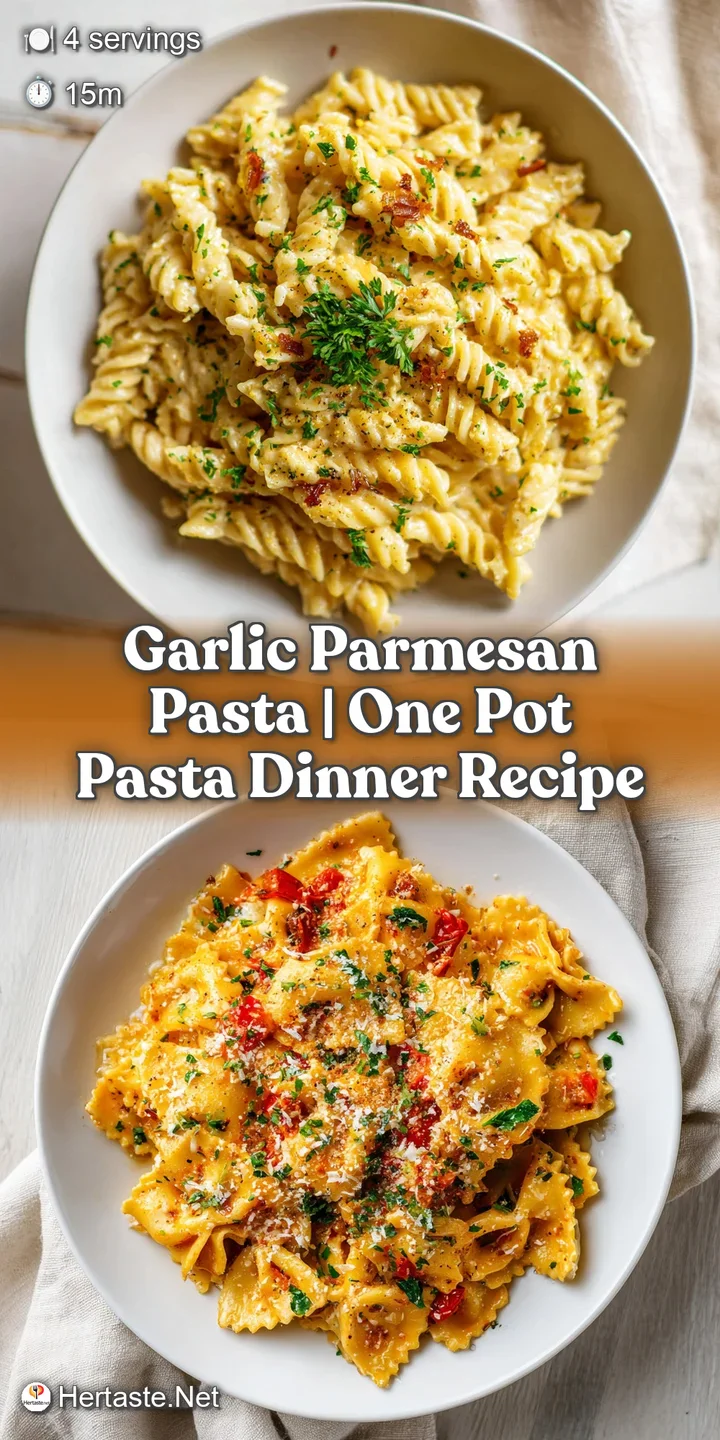
Garlic Parmesan Pasta: Silky and One-Pot
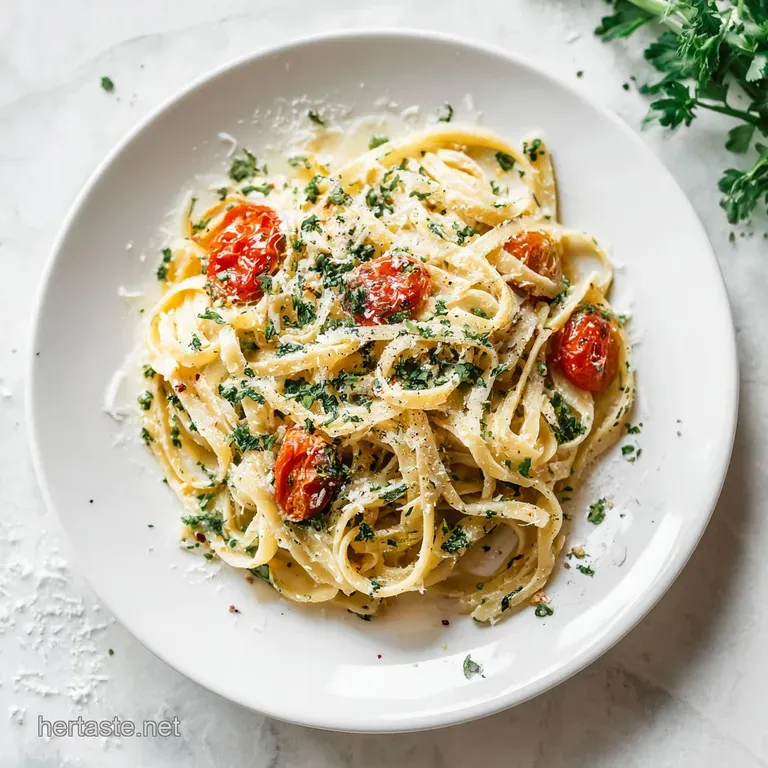
- Time: Active 5 minutes, Passive 10 minutes, Total 15 minutes
- Flavor/Texture Hook: Silky, garlic forward sauce with a salty, aged cheese finish
- Perfect for: Busy weeknights where you need high impact flavor on a budget
- The Authentic Roots of Garlic Parmesan Pasta
- Why Traditional Methods Often Fail
- Ingredient Deep Dive Analysis
- Pantry Elements and Smart Substitutes
- Essential Kitchen Tools Needed
- A Guided Prep to Plate
- Avoid These Common Pasta Pitfalls
- Scaling the Recipe Properly
- Myths About Cooking Pasta
- Storage and Zero Waste Tips
- Best Pairings for This Meal
- Recipe FAQs
- 📝 Recipe Card
The Authentic Roots of Garlic Parmesan Pasta
The aroma of garlic hitting warm oil is a universal language of comfort, but the cultural heritage of this specific dish is a fascinating bridge between two worlds. In Italy, the minimalist ancestor is Aglio e Olio, a masterclass in using just four or five pantry staples to create something profound.
It relies on the quality of the olive oil and the precision of the garlic sauté. However, as these traditions crossed the Atlantic, the American influence introduced a love for dairy and aged cheeses, forging what we now recognize as this creamy, decadent version.
We are not just boiling noodles here; we are engaging in a technique that respects the Italian focus on "mantecatura," the process of finishing pasta in its own sauce to achieve a cohesive, glossy coating.
By merging the sharp, nutty profile of Parmigiano Reggiano with the gentle sweetness of milk and chicken broth, we create a profile that feels both nostalgic and innovative. It is a dish born from necessity, proving that you do not need a massive grocery bill to eat like a king.
When I first started experimenting with this, I realized that the true secret lies in the liquid ratio. Traditional recipes have you drain the water, effectively throwing the "liquid gold" starch down the sink.
In this version, we keep every drop of that starch to emulsify the fats, ensuring the sauce clings to every strand of spaghetti. It is about working smarter, not harder, and using basic kitchen physics to our advantage.
Why Traditional Methods Often Fail
Most home cooks struggle with a sauce that separates or a texture that feels gritty rather than velvety. The reason is usually temperature control or the timing of the cheese addition.
If you add your Parmesan while the pasta is still over high heat, the proteins in the cheese will seize and clump together, leaving you with oily noodles and a rubbery mess.
Cold Start Infusion: By placing garlic in a cold pan with butter and oil, we slowly raise the temperature to draw out essential oils without scorching the exterior of the minced cloves.
Starch Concentration: Using exactly 480ml of chicken broth and 240ml of milk for 225g of pasta ensures that as the liquid reduces, the starch concentration becomes high enough to naturally thicken the sauce into a glaze.
Emulsion Stability: The addition of fresh lemon juice at the end does more than add brightness, it helps stabilize the fat in-water emulsion, keeping the sauce silky even as it cools slightly on the plate.
| Premium Ingredient | Budget Alternative | Flavor Impact | Savings |
|---|---|---|---|
| Parmigiano Reggiano | Domestic Parmesan | Slightly less sharp, more salty | Save $5-7 |
| Fresh Garlic Bulbs | Jarred Minced Garlic | Less pungent, slightly sweeter | Save $1-2 |
| Extra Virgin Olive Oil | Vegetable Oil | Loses the peppery finishing notes | Save $3-5 |
The choice of liquid also plays a massive role in the final mouthfeel of the dish. While some might reach for heavy cream, the mix of low sodium chicken broth and whole milk provides a more complex savory base without the cloying heaviness of pure cream.
This balance is what makes the Garlic Parmesan Pasta feel light enough for a Tuesday but rich enough to impress a guest.
Ingredient Deep Dive Analysis
| Ingredient | Science Role | Pro Secret |
|---|---|---|
| Unsalted Butter (30g) | Primary Fat Source | Use cold butter to start for a slower melt and better garlic infusion |
| Dried Spaghetti (225g) | Starch Provider | Avoid "no boil" or quick cook varieties; they don't release enough starch |
| Parmigiano Reggiano (75g) | Emulsifier & Flavor | Grate it yourself on the finest setting to ensure it melts instantly |
| Fresh Lemon Juice (5ml) | Acid Balance | It cuts through the fat and prevents the sauce from feeling "one note" |
Selecting the right pasta shape is actually quite important for this method. While linguine works beautifully, standard spaghetti offers the best surface area to starch ratio for a one pot simmer. If you're looking for a different profile, you might enjoy experimenting with Broccoli Pasta which uses a similar quick cook philosophy but focuses on different vegetable textures.
Pantry Elements and Smart Substitutes
This recipe is designed to be accessible, using items you likely already have tucked away in your cupboards. The 225g (8 oz) of dried spaghetti is the backbone here, but you can swap in linguine or even fettuccine if that's what you have on hand.
Just keep in mind that thicker noodles might require an extra 60ml (1/4 cup) of broth to reach the same level of doneness.
- 30g (2 tbsp) Unsalted butter: If using salted butter, reduce the added sea salt by half.
- 15ml (1 tbsp) Extra virgin olive oil: You can use avocado oil, but you'll miss the fruity aroma.
- 6 cloves Fresh garlic: Why this? Microplaning releases more juices than chopping for a deeper flavor.
- 480ml (2 cups) Chicken broth: Vegetable broth works, though it has a less "meaty" depth.
- 240ml (1 cup) Whole milk: 2% works in a pinch, but the sauce will be slightly thinner.
- 75g (3/4 cup) Parmigiano Reggiano: Pecorino Romano is a great swap for a funkier, saltier kick.
- 15g (1/4 cup) Fresh Italian parsley: Why this? Adds essential color and a fresh, peppery counterpoint to the garlic.
When substituting ingredients, it's vital to think about the salt content. Since we are reducing the liquid significantly, any salt present in the broth or butter will become concentrated. This is why I always recommend low sodium chicken broth.
You can always add more salt at the end, but you can't take it away once the pasta has absorbed it.
| Original Ingredient | Substitute | Why It Works |
|---|---|---|
| Whole Milk (1 cup) | Evaporated Milk (1 cup) | Provides even more protein for an ultra creamy, stable sauce |
| Sea Salt (1/2 tsp) | Kosher Salt (3/4 tsp) | Larger crystals mean you need slightly more volume for the same salinity |
| Lemon Juice (1 tsp) | White Wine Vinegar (1/2 tsp) | Provides a similar acidic punch to balance the heavy fats |
Essential Kitchen Tools Needed
To get that shatter thin garlic and a perfectly emulsified sauce, your equipment choice matters. A large skillet or a Dutch oven is the way to go. You want enough surface area so the pasta can lay flat and the liquid can evaporate at a controlled rate.
If the pan is too narrow, the noodles will clump together and cook unevenly.
A microplane is my favorite "innovative" tool for this dish. By grating the garlic into a paste rather than mincing it with a knife, you ensure that the flavor is distributed evenly throughout every bite. You won't find any large, bitter chunks of garlic here. Finally, use silicone tongs.
They are essential for gently moving the pasta during the simmer without breaking the strands or scratching your pan.
A Guided Prep to Plate
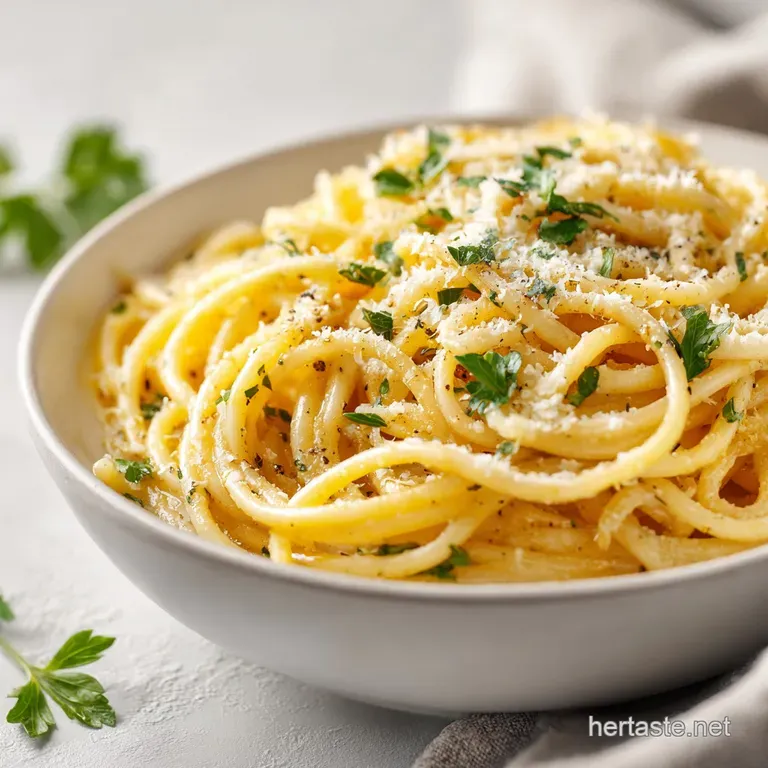
- Place the 30g of butter, 15ml of olive oil, and 6 microplaned garlic cloves into a cold large skillet.
- Turn the heat to medium low. Sweat the garlic for 2-3 minutes until translucent and fragrant. Note: Do not let it brown or it will turn bitter.
- Add the 1.25g of red pepper flakes and toast for 30 seconds to wake up the spice.
- Pour in the 480ml of chicken broth, 240ml of milk, 2.5g of salt, and 1.25g of black pepper.
- Add the 225g of dry pasta directly into the liquid.
- Increase heat to bring the mixture to a gentle boil, then immediately drop to a simmer.
- Simmer for 7-9 minutes, stirring frequently with tongs until the pasta is al dente and the liquid looks creamy.
- Remove the pan from the heat entirely. Note: Residual heat will finish the sauce without breaking it.
- Fold in the 75g of Parmigiano Reggiano, 15g of parsley, and 5ml of lemon juice.
- Toss vigorously for 60 seconds until the sauce is glossy and coats the noodles perfectly.
| Feature | Fresh Garlic & Pasta | Shortcut (Jarred/Pre cooked) |
|---|---|---|
| Flavor Profile | Sharp, pungent, clean | Muted, slightly metallic |
| Texture | Firm "al dente" bite | Often mushy or overly soft |
| Aroma | Fills the entire kitchen | Barely noticeable |
Avoid These Common Pasta Pitfalls
The biggest mistake I see people make with Garlic Parmesan Pasta is leaving the heat on when adding the cheese. Parmesan is a high protein cheese, and high heat causes those proteins to tighten into hard, rubbery clumps.
By pulling the pan off the burner, you allow the cheese to melt gently into the remaining liquid, creating a "veloce" emulsion that stays smooth even as you eat.
Another pitfall is walking away from the pan. Unlike boiling pasta in a large pot of water, the one pot method requires active participation. You need to stir frequently to ensure the starches are being released into the liquid and that the noodles aren't sticking to the bottom of the pan.
Think of it more like making a risotto than boiling noodles.
To Prevent a Gritty Texture
If your sauce feels grainy, it's usually because the cheese was pre shredded in a bag. Those products are coated in cellulose to prevent clumping in the package, but that same coating prevents them from melting smoothly into a sauce. Always grate your cheese fresh from a block.
For a Deeply Infused Aroma
Don't rush the sweating process. Those 2-3 minutes at the start are where the flavor is forged. If you see the garlic turning golden brown, your heat is too high. You want it to look soft and almost "melted" into the fat before you ever add the liquid.
Common Mistakes Checklist
- ✓ Never add cheese to a bubbling, boiling pan (causes clumping)
- ✓ Use a microplane for the garlic to maximize surface area and flavor
- ✓ Keep the pasta submerged during the entire simmering process
- ✓ Stir constantly in the final 3 minutes to maximize starch release
- ✓ Don't skip the lemon juice it provides the necessary "lift" to the heavy fats
| Problem | Root Cause | Solution |
|---|---|---|
| Sauce is too thin | Not enough liquid evaporated | Simmer for 1-2 more minutes or add extra cheese |
| Pasta is sticking | Not enough stirring | Use tongs to frequently agitate the noodles |
| Cheese is clumping | Heat was too high | Remove from heat and add a splash of warm broth to loosen |
Scaling the Recipe Properly
If you're cooking for a crowd and want to double this to 8 servings, keep an eye on your liquid ratios. You should double the pasta and the fats, but only increase the chicken broth and milk by 1.75x.
Because you are using a larger volume, the evaporation rate changes, and using a full 2x liquid often results in a soupy mess. Use a very wide pot, such as a large Dutch oven, to ensure even cooking.
When scaling down for a solo dinner, follow the measurements exactly in half. You’ll need to watch the cook time closely, as a smaller volume of liquid will reach a simmer much faster. Use a smaller 10 inch skillet to ensure the liquid still covers the pasta.
For the egg lovers, if a recipe calls for half an egg, beat it in a bowl first and then measure out half of the liquid.
Myths About Cooking Pasta
One of the most persistent myths is that you need a "ocean sized" pot of water to cook pasta properly. This simply isn't true for most home applications. Cooking pasta in a small amount of liquid actually concentrates the starch, which is exactly what we want for a creamy Garlic Parmesan Pasta.
The starch acts as a natural bridge between the water based broth and the fat based butter and cheese.
Another common misconception is that adding oil to the pasta water prevents sticking. In reality, the oil just floats on top and then coats the noodles as you drain them, which actually prevents the sauce from sticking to the pasta.
In this one pot method, the constant stirring and the presence of the fats from the beginning manage the sticking far more effectively than a glug of oil in a boiling pot ever could.
Storage and Zero Waste Tips
This dish is best served immediately, but it will keep in the fridge for up to 3 days. When reheating, do not use the microwave if you can avoid it, as it will cause the fats to separate and leave the noodles oily. Instead, place the leftovers in a skillet with a splash of milk or chicken broth over low heat.
Toss gently until the sauce comes back together and the pasta is warmed through.
To practice zero waste, save your Parmesan rinds! You can throw a rind into the pan while the pasta is simmering to add even more umami depth. Also, if you have parsley stems left over, don't toss them finely mince them and add them along with the garlic at the start of the recipe.
They have a ton of flavor and provide a nice crunch that complements the silky sauce.
Best Pairings for This Meal
This pasta is a star on its own, but it pairs beautifully with a lean protein to make it a more substantial feast. For a cohesive theme, I often serve this alongside my Garlic Parmesan Chicken. The creamy sauce from the pasta acts almost like a side gravy for the chicken, creating a restaurant quality experience right at your kitchen table.
If you want to keep things lighter, a simple arugula salad with a lemon vinaigrette provides a sharp, peppery contrast to the richness of the cheese and butter. You could also toss in some roasted shrimp during the last 2 minutes of the pasta's cook time.
The residual heat will cook the shrimp perfectly without making them rubbery, turning this into a decadent seafood feast in the same 15 minutes.
- 1. Garlic Sweating
- 2-3 minutes at medium low heat.
- 2. Simmer Time
- 7-9 minutes total for al dente texture.
- 3. Internal Temp
- The sauce should reach approximately 165°F before adding cheese to ensure a safe and smooth melt.
If you are looking to round out your menu with more Italian inspired favorites, consider checking out this Penne Alfredo for a different take on the white sauce classic. Whether you're forging a new weeknight tradition or just looking to use up that block of Parmesan in the fridge, this method ensures a result that feels far more expensive than it actually is. It is all about the technique, the starch, and that beautiful "cold start" garlic.
Recipe FAQs
What pairs well with garlic parmesan pasta?
Serve with crisp greens or crusty bread. A side salad with a sharp vinaigrette or some toasted garlic bread helps cut through the richness of the creamy sauce.
What is Gordon Ramsay's 10 minute pasta recipe?
This is a common misconception. Gordon Ramsay does not have a 10-minute pasta recipe; this dish specifically takes 15 minutes total, consisting of 5 minutes prep and 10 minutes cook time.
How to make poor man's parmesan?
Use toasted breadcrumbs seasoned with salt and herbs. While not a direct substitute for the umami punch of real cheese, these provide a similar crunch and salty finish to your final pasta bowl.
What can you do with garlic parmesan sauce?
Use it as a base for chicken or vegetables. If you enjoyed mastering emulsion techniques here, you can apply that same starchy liquid binding method to create silky coatings for roasted proteins or steamed broccoli.
Is it possible to use frozen garlic?
Yes, but fresh is superior. Microplaning fresh cloves provides a higher surface area for flavor release that frozen alternatives often lack, which is critical for a recipe relying on just six cloves.
Why is my sauce clumping after adding cheese?
You added cheese while the pan was too hot. Never add Parmigiano Reggiano to a bubbling or boiling pan; always remove the skillet from the heat first to ensure the cheese melts into a glossy emulsion rather than separating into oily clumps.
How to reheat leftovers without separating the sauce?
Warm in a skillet over low heat with a splash of liquid. Adding a tiny bit of milk or chicken broth helps re-emulsify the fats, whereas the microwave tends to overheat the dairy and cause the oil to split from the starch.
Garlic Parmesan Pasta
Ingredients:
Instructions:
Nutrition Facts:
| Calories | 421 kcal |
|---|---|
| Protein | 17.1g |
| Fat | 17.3g |
| Carbs | 48.2g |
| Fiber | 2.1g |
| Sugar | 3.8g |
| Sodium | 625mg |
