Summer Minestrone Soup with Fresh Pesto Drizzle
- A Taste of the Riviera: Redefining Summer Minestrone
- The Science of Seasonal Soups: Why This Combination Sings
- Gathering Your Market Haul: Essential Ingredients and Smart Swaps (Summer Minestrone Soup #7)
- Building the Bowl: Step-by-Step Guide to the Riviera Minestrone
- Mastering the Technique: Chef's Tips and Troubleshooting Minestrone (Summer Minestrone Soup #13)
- Keeping it Fresh: Storage and Make-Ahead Strategies
- Complete the Meal: Ideal Pairings for Your Vibrant Summer Soup (Summer Minestrone Soup #17)
- Recipe FAQs
- 📝 Recipe Card
A Taste of the Riviera: Redefining Summer Minestrone
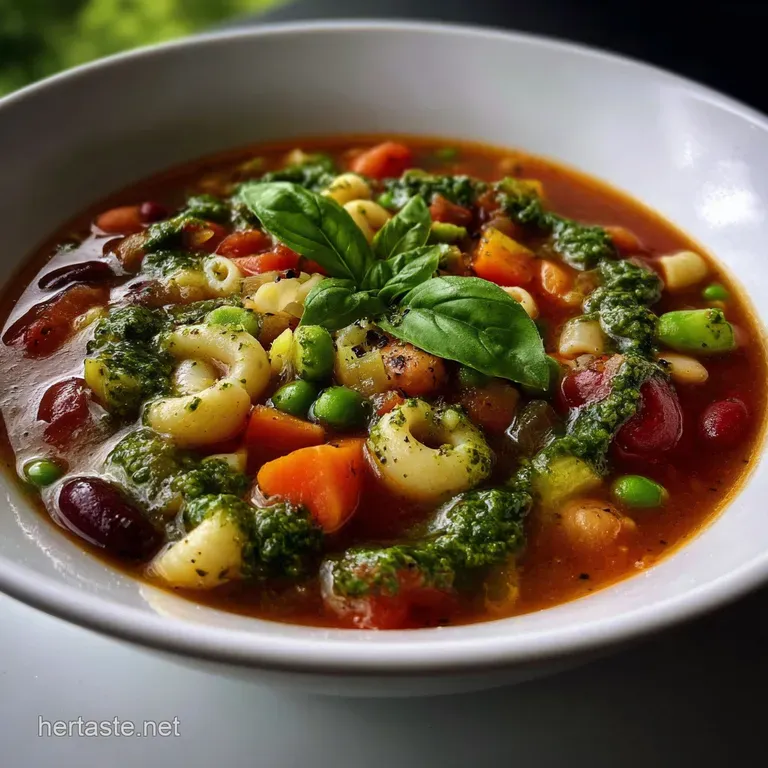
Summer is finally here, and honestly, the last thing I want is a hot, heavy meal that makes me feel like I need a nap. But I crave flavor, right? When the produce market is exploding with basil and green beans, the only thing that hits the spot is a restorative, bright, and utterly addictive bowl of Summer Minestrone Soup .
It’s sunshine in a bowl, truly, and it smells like a perfect Italian afternoon the second you start sautéing the aromatics.
Forget everything you think you know about minestrone being thick, dark, and demanding hours of simmering. This iteration of Summer Minestrone Soup is built for speed and freshness.
It’s a complete lifesaver when you need a healthy, budget friendly meal ready in just over an hour, utilizing all those glorious vegetables before they turn sad in your crisper drawer.
I promise you, once you taste the vibrant contrast of tender crisp vegetables against that savory, deep broth, finished with a generous swirl of homemade basil pesto, you won't look back.
This is the only Summer Minestrone Soup recipe you’ll ever need, so let’s dive into the details and get this cooking.
The Science of Seasonal Soups: Why This Combination Sings
You might think soup is just throwing stuff in a pot and hoping for the best. Wrong! Especially with a delicate dish like this Summer Minestrone Soup . The key to making the best version isn't how long you cook it, but when you add the ingredients.
What Makes This Minestrone Light and Bright?
It’s the broth foundation and the vegetable staggering. We are specifically omitting any heavy cream or fat and relying on quality vegetable stock bolstered by the power of the Parmesan rind. That rind melts down, releasing rich umami without making the soup feel heavy.
This technique keeps the resulting Summer Minestrone Soup broth clear, deeply savory, and totally vibrant.
The Secret Weapon: Homemade Basil Pesto Drizzle
A crucial mistake people make with minestrone is trying to finish it with dried herbs, or stirring the pesto into the whole pot while it’s boiling. Don't do it! Pesto, rich in fresh basil and olive oil, has volatile flavors.
Adding it at the end, just before serving, means it retains all its pungent, bright intensity, transforming the simple base broth into a luxurious, complex meal. This truly elevates the final texture and taste of the Healthy Summer Minestrone Soup .
Is Minestrone Soup Meant to be Served Hot or Chilled?
Traditionally, minestrone is served hot, and that’s how I prefer this version. However, because it’s so light, this Fresh Summer Minestrone is fantastic served warm, or even lukewarm, especially on those sticky, humid evenings.
It holds up beautifully at room temperature for outdoor dining, unlike those heavy winter bowls.
Achieving the Perfect Al Dente Texture for Summer Vegetables
This is the hardest part, but stick with me. We are dealing with quick cooking courgettes and peas, which turn to sad little sponges if overcooked. You must add the ingredients based on their cooking time. Green beans go in first; they need a solid 5 minutes.
The courgettes and pasta go in next, cooking simultaneously. Then, the spinach and peas literally get stirred in for 90 seconds right before turning off the heat. This careful staggering is why this particular Summer Minestrone Soup recipe works so well.
The Magic of Aromatics: Building a Deep Flavor Base
The soffritto —the holy trinity of onion, carrot, and celery must be taken seriously. You want to sauté them gently in olive oil until they are completely translucent and soft. They shouldn't be browned or crunchy!
Cooking them low and slow, letting them sweeten, is essential for building a deep, savory foundation for the whole Summer Minestrone Soup .
Balancing Acidity and Sweetness with Fresh Tomatoes
We use canned crushed tomatoes for convenience and consistency, but adding a splash of dry white wine to deglaze the pot after the garlic step adds a crucial layer of acidity. This cuts through the richness and brightness in the tomato and broth, making the whole pot feel clean and focused.
It’s a little trick that makes your Summer Minestrone Soup taste like it simmered all day.
Gathering Your Market Haul: Essential Ingredients and Smart Swaps (Summer Minestrone Soup #7)
I always say, the better your raw ingredients, the less work you have to do to make them taste good. This simple rule is especially true for Light Summer Vegetable Soup .
Choosing the Best Produce: Courgettes, Green Beans, and Vine Ripened Tomatoes
Look for firm, shiny courgettes (zucchini) and bright green, snappy green beans. If you have an abundance of fresh garden tomatoes, feel free to peel and chop them use about 4 5 medium ones in place of the canned tomatoes. Just know that canned tomatoes usually offer better concentration of flavor.
| Ingredient | Swap If Necessary | Chef's Tip |
|---|---|---|
| Courgettes | Yellow squash, diced fennel | Keep the pieces uniform (1/2 inch cubes) for even cooking. |
| Pine Nuts (in Pesto) | Walnuts or blanched almonds | Toast them first for a richer, nutty base. |
| Fresh Basil (in Soup) | Fresh oregano or flat leaf parsley | These should also be added at the end for maximum flavour. |
Pasta Decisions: Finding the Right Small Shape for Soup
This is where things can go wrong if you pick a shape that's too big (like fusilli) or too delicate (like vermicelli). I swear by small, tubular pasta like Ditali or Orzo. They cook quickly and stay suspended in the broth without absorbing too much liquid right away.
If you want this Summer Minestrone Soup with Basil Pesto to be completely gluten-free, substitute the pasta with a can of drained Cannellini beans; they provide great texture and heartiness.
Elevating the Broth: Using Quality Stock vs. Water
Please, please, please do not use water. Use a decent low-sodium vegetable stock. If you have some good homemade Meat Stock: The Mother Sauce for Rich Gravies Soups frozen from a past project, use that! A flavorful broth is the backbone of the entire dish. Using high-quality stock is the difference between this being "okay soup" and "fantastic Summer Minestrone Soup ."
Ingredient Focus: The Role of Fresh Basil Pesto (Summer Minestrone Soup #9)
If you have 5 minutes, make the pesto fresh. It makes such a difference. The store-bought stuff is fine in a pinch, but the vibrant green color and intense freshness of homemade pesto is truly the pinnacle for topping off this Summer Minestrone Soup .
Remember, basil turns black and sad if it hits heat, so use it as a finishing garnish.
Building the Bowl: step-by-step Guide to the Riviera Minestrone
Phase I: Sautéing the Soffritto and Building the Base (Summer Minestrone Soup #10)
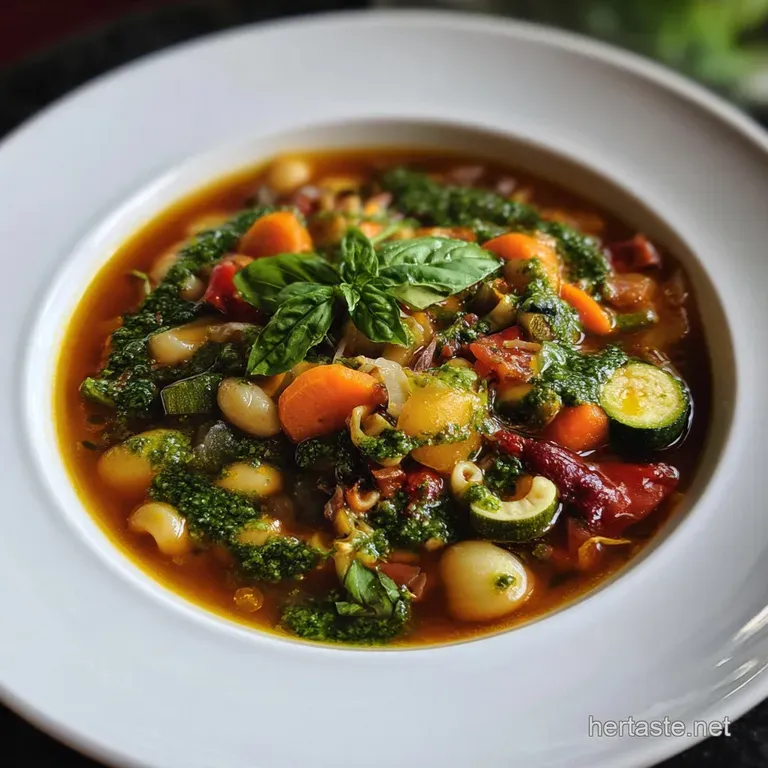
- Heat 3 Tbsp of olive oil in your large stockpot over medium heat. Add the diced onion, carrots, and celery. Listen to that gentle sizzle! Cook for 8– 10 minutes, stirring occasionally, until they are very soft and smell wonderfully sweet. This is the crucial foundation for your Summer Minestrone Soup .
- Stir in the minced garlic and cook for just 60 seconds until fragrant. Do not burn the garlic! If using, pour in the white wine and scrape the bottom of the pot vigorously, lifting all those caramelized brown bits. Let the wine bubble and reduce by half.
- Dump in the tinned chopped tomatoes, vegetable stock, the Parmesan rind, and the bay leaf. Bring this mixture to a rolling boil, then immediately reduce to the lowest simmer. Cover and let it bubble away gently for 15 minutes, allowing those flavors to marry.
Chef’s Note: That Parmesan rind is serious magic. If you don't use it, you'll miss a vital layer of savory depth. Fish it out with the bay leaf just before serving.
Phase II: Simmering the Stock and Cooking the Pasta (Summer Minestrone Soup #11)
- After the 15 minute simmer, add the trimmed, halved green beans. Cook for 5 minutes. They are the toughest vegetable, so they get a head start in the Summer Minestrone Soup .
- Now add the small pasta and the diced courgettes. Stir well to prevent the pasta from sticking to the bottom. Simmer, uncovered, according to the pasta's package directions usually 8 to 10 minutes. Test the pasta often! It needs to be cooked through but still have a firm bite (al dente).
Phase III: Timing the Delicate Summer Vegetable Additions (Summer Minestrone Soup #12)
- Once the pasta is almost ready, fish out the bay leaf and the Parmesan rind. Stir in the frozen peas and the coarsely chopped fresh spinach. Turn off the heat immediately. The residual heat in the Summer Minestrone Soup will wilt the spinach and brighten the peas beautifully in just 2 minutes.
Finishing Touches: Incorporating the Pesto Off Heat
- If you haven't made your pesto yet, stop everything and make it now! It’s essential for this recipe.
- Stir the fresh lemon zest and the shredded fresh basil into the finished soup. Taste, taste, and taste again. Add salt and pepper as needed. I usually find I need less salt than expected thanks to the Parmesan rind.
- Serve immediately, drizzling a generous spoonful of fresh basil pesto right on top of each bowl of Summer Minestrone Soup . Enjoy that amazing aroma!
Mastering the Technique: Chef's Tips and Troubleshooting Minestrone (Summer Minestrone Soup #13)
I've learned these lessons the hard way, usually involving mushy veg and bloated pasta. Save yourself the heartache and follow these rules when making Summer Soup Recipes .
Preventing Mushy Vegetables: Why Timing is Everything (Summer Minestrone Soup #14)
If you throw all the vegetables in at the beginning with the carrots, you’ll end up with courgette mush. It's sad, sticky, and completely ruins the light, fresh texture we are aiming for in this Fresh Summer Minestrone .
Stick to the schedule: green beans first, then courgettes, then peas/spinach at the very end. The courgettes only need 8- 10 minutes max.
Adjusting Seasoning: Salting the Soup in Layers
Salt is the ultimate flavor amplifier. You need to add a pinch of salt to the soffritto while it cooks to draw out moisture and deepen flavor. Then, you salt the stock lightly. Crucially, you taste and adjust at the very end.
Since the stock reduces and the Parmesan rind adds salt, you might not need as much as you think. Too much salt is a disaster, but too little makes your incredible Summer Minestrone Soup taste flat.
Reviving Day-Old Minestrone Texture
If your minestrone sits overnight, the pasta swells dramatically, absorbing much of that beautiful broth. If you’re planning on reheating leftovers, add a splash of extra stock or even just water when you warm it up on the stovetop. This brings the broth level back up and makes the soup luscious again.
Keeping it Fresh: Storage and make-ahead Strategies
The Pasta Problem: Storing Soup with Starchy Ingredients (Summer Minestrone Soup #15)
As mentioned, pasta is a liquid vampire. If you know you are making a double batch of Summer Minestrone Soup for meal prep, cook the pasta completely separately in salted water until just al dente .
Drain it, drizzle it with a tiny bit of olive oil to prevent clumping, and store it in an airtight container away from the broth. Then, you add the pasta to the hot broth just before serving.
Freezing Guidelines for Vegetable Heavy Soups
This Summer Minestrone Soup freezes exceptionally well, provided you heed the pasta warning above! If you plan to freeze, leave the pasta out entirely. The fresh green beans and courgettes will soften slightly upon thawing, but the flavor remains amazing.
Cool the soup completely, transfer it to freezer safe containers (leaving headspace!), and freeze for up to 3 months.
Best Practices for Refrigerating Leftovers (Summer Minestrone Soup #16)
Leftovers keep safely in the fridge for 3 4 days. Again, if the pasta was cooked directly in the pot, be prepared for a thicker, stew like consistency the next day. A little extra stock when reheating will fix it right up. Don't forget to keep any remaining pesto separate until serving!
Complete the Meal: Ideal Pairings for Your Vibrant Summer Soup (Summer Minestrone Soup #17)
This Summer Minestrone Soup is hearty enough to be a main course, but it plays beautifully with a few simple sides.
For a truly Italian experience, serve a beautiful Caprese Salad: The Ultimate Fresh Italian Summer Dish alongside it. The pairing of fresh mozzarella, tomatoes, and basil mirrors the flavors in the soup and pesto, creating a cohesive, light menu.
Alternatively, if you want to keep the meal simple, a huge slice of warm, garlic rubbed country bread is all you need to soak up every last drop of the fragrant broth. This Summer Minestrone Soup with Basil Pesto is honestly perfection on its own.
I hope you love this as much as I do. It’s the perfect way to Use Up Summer Produce With This Super Fresh Summer Minestrone Soup and keep dinner light and delightful all season long. Seriously, get cooking! You deserve this Summer Minestrone Soup .

Recipe FAQs
How long does Summer Minestrone last, and can I freeze it?
The soup keeps well refrigerated in an airtight container for 3 to 4 days. While you can freeze the broth and vegetables for up to 3 months, it is highly recommended to cook and add the pasta, rice, or orzo after thawing and reheating.
Pasta tends to absorb excess liquid, becoming mushy and changing the texture drastically when frozen.
My summer vegetables (zucchini, beans) turned mushy. How do I keep them crisp/al dente?
The key to vibrant summer minestrone is precise timing. Add quick cooking vegetables like zucchini, spinach, and green beans in the last 5 to 7 minutes of simmering to preserve their color and texture. For best results, remove the soup from the heat immediately once the vegetables are just tender crisp.
Can I make this minestrone completely vegan or gluten-free?
The soup base is inherently vegetarian and easily made vegan by substituting Parmesan cheese in the pesto with nutritional yeast, or by using a store-bought vegan pesto. For a gluten-free variation, simply swap out traditional ditalini or small pasta shapes for certified gluten-free alternatives, or use rice, quinoa, or potatoes instead.
I don’t have cannellini beans. What is a good substitute?
Great Northern beans or navy beans are excellent substitutes for cannellini beans, offering a similar creamy texture and mild flavor that blends seamlessly into the broth. If you prefer a bean with a bit more structure, garbanzo beans (chickpeas) also work very well in this light summer application.
My soup tastes a little flat or bland. What went wrong?
Blandness usually stems from insufficient seasoning or lack of acid ensure you are seasoning the soup appropriately throughout the cooking process. To instantly brighten and balance the flavor profile, finish the soup with a small squeeze of fresh lemon juice or a dash of red wine vinegar just before serving.
Is the fresh basil pesto drizzle necessary, or can I omit it?
While the soup is enjoyable on its own, the pesto drizzle is absolutely crucial for achieving the full intended flavor profile of the Riviera style. It provides the necessary fat, richness, and herbaceous depth to contrast the light, bright vegetable broth.
If you must omit it for dietary reasons, ensure you finish the soup with generous fresh herbs and high-quality olive oil.
Can I prep the vegetables ahead of time to save time during cooking?
Yes, prepping the aromatic vegetables (onions, carrots, celery) up to 24 hours in advance is a great time saver. Store them chopped in an airtight container in the refrigerator. However, it is best to dice quick browning items like potatoes or zucchini right before use, or store them submerged in cold water to prevent oxidation.
Fresh Summer Minestrone Soup
Ingredients:
Instructions:
Nutrition Facts:
| Calories | 874 kcal |
|---|---|
| Protein | 27.8 g |
| Fat | 46.9 g |
| Carbs | 61.4 g |
