The Bakers Best Light Fluffy Sourdough Donuts with a Hint of Tang
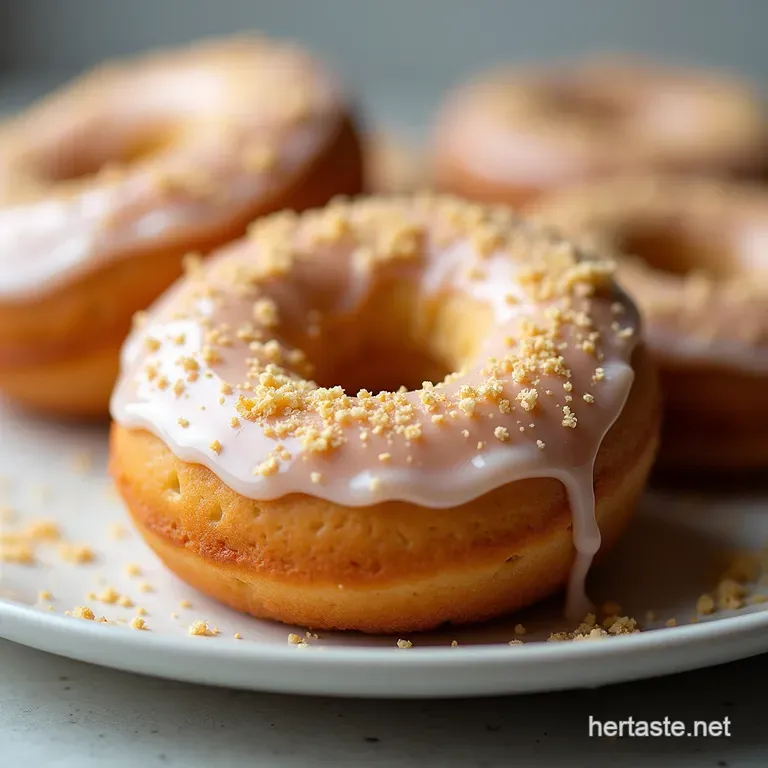
- Elevating Breakfast: Why Tangy Sourdough Donuts Trump Standard Doughnuts
- The Magic of Fermentation: Unlocking Superior Texture
- Gathering Your Artisan Components for Perfect Sourdough Donuts
- The Dough Development Phase: Mixing, Kneading, and Initial Rise
- Shaping the Rings: From Mass to Meticulously Cut Donuts
- The Crucial Second Ascent: Perfecting the Proof Before Frying
- Troubleshooting Common Issues in Sourdough Baking
- Glaze Glory: Crafting the Silky Vanilla Bean Topping
- Beyond the Glaze: Creative Topping Inspirations
- Recipe FAQs
- 📝 Recipe Card
Elevating Breakfast: Why Tangy Sourdough Donuts Trump Standard Doughnuts
There is a certain magic that happens when you introduce the complex, slightly acidic nature of a mature sourdough starter to a deep fried treat. Standard donuts, while undeniably comforting, often rely solely on sugar for flavour.
However, when crafting a batch of Sourdough Donuts , the natural fermentation process introduces a subtle, intriguing tang that elegantly balances the inherent richness of the dough and the resulting sweetness of the glaze.
This depth of flavour is precisely why home bakers dedicated to the craft seek out this rewarding challenge. These aren't just morning pastries; they are an experience, offering an airy, tender crumb structure that elevates the entire concept of fried dough.
The Magic of Fermentation: Unlocking Superior Texture
The key to achieving these exceptionally light, yet satisfyingly chewy rings lies entirely within the slow, controlled fermentation imparted by the levain. This process works wonders not only on flavour but on the physical structure of the final product.
A Culinary Bridge Between Bread and Bliss
What we are attempting here is taking the principles used in artisan bread making where long fermentation develops gluten structure and complexity and applying them to a rich, enriched dough intended for frying.
The inclusion of 1 cup (225g) of active Sourdough Starter Donuts feeds the dough over hours, predigesting starches and creating a more pliable network. This allows the dough to trap steam during the quick, hot fry, resulting in that coveted hollow centre and cloud like interior we all dream about.
Demystifying the Tang: A Flavor Profile Deep Dive
The signature flavour notes of these delights a hallmark of any good Sour Dough Doughnut Recipe —come directly from the lactic and acetic acids produced by your starter. If you use discard that has been resting slightly longer, you will notice a more pronounced tang.
Conversely, a very recently fed, sweet starter yields a milder flavour profile. The goal isn't sour bread; it's a subtle background note that prevents the finished product from tasting flat or overwhelmingly sweet.
Essential Equipment for Frying Perfection
While the flavour relies on biology, the texture relies on physics, specifically heat management. To successfully execute this Sourdough Donuts Recipe , a reliable thermometer is non-negotiable. You will need a heavy bottomed pot or dedicated deep fryer capable of holding a stable temperature.
The oil, typically 4 to 6 cups of neutral vegetable or sunflower oil, must hit exactly 350° F ( 175° C) before the dough makes contact. A slotted spoon or spider strainer is also essential for gently lowering and retrieving the delicate rings.
Gathering Your Artisan Components for Perfect Sourdough Donuts
Creating truly superior Sourdough Donuts demands attention to ingredient quality. Because the dough contains relatively few components flour, eggs, butter, milk, and starter each plays a significant role in the final outcome.
The Starter Status Check: Ensuring Active Levain Readiness
Before you even think about mixing, confirm your starter is active. For this recipe, which requires a significant lift, you need 1 cup (225g) of 100% hydration starter that is actively bubbly and has recently doubled after feeding.
A sluggish starter will yield a sluggish dough, delaying the crucial proofing stages required for this Sourdough Instructions guide.
Flour Power: Selecting the Right Blends for Structure
We call for 3 1/2 cups (420g) of All-Purpose Flour. This blend strikes the perfect balance. While high protein bread flour can create a structure too tough for a light donut, AP flour provides enough gluten potential to handle the richness of the eggs and butter while remaining tender after frying.
Ensure you measure accurately, as too much flour will result in dry, dense rings.
Beyond the Basics: Necessary Fats and Dairy Choices
The richness comes from softened, room temperature unsalted butter 4 tablespoons (56g) to be exact added during the later stages of kneading. We also incorporate 2 room temperature large eggs and 1/2 cup (120ml) of lukewarm milk, warmed gently to about 105° F ( 40° C) to encourage yeast activity without shocking the starter.
The Dough Development Phase: Mixing, Kneading, and Initial Rise
The process of How To Make Sourdough Donuts begins with gentle mixing. Start by whisking the active starter, lukewarm milk, and sugar together in a stand mixer bowl. Incorporate the eggs, followed by the flour and 1 teaspoon of fine sea salt.
Mix on low speed until a shaggy dough just comes together.
Incorporating the Sourdough Starter Smoothly
The starter is blended in early alongside the wet ingredients. This allows the wild yeasts and bacteria to begin their work immediately. Resist the urge to overmix at this stage; we want to develop the structure gradually.
Achieving Windowpane: Indicators of a Well Developed Dough
Once the shaggy dough has formed, begin incorporating the softened butter, adding it slowly, one tablespoon at a time. This is the crucial enrichment step. Continue kneading on medium low speed for 10 to 12 minutes total until the dough passes the windowpane test: you should be able to gently stretch a small piece thin enough to see light through it without tearing.
This indicates maximum gluten development, essential for a light donut. The dough will then require its first proof, being left covered in an oiled bowl until doubled, typically 2 to 3 hours.
Related Recipes Worth Trying
- The Ultimate Sourdough Baguette Recipe Crisp Crust Open Crumb — Master the classic Sourdough Baguette at home This artisan bread recipe focuses on technique for that perfect airy interior and shatteringly crisp crust...
- Artisan Sourdough DemiBaguettes Open Crumb Crisp Crust — Master homemade baguettes This sourdough demi baguette recipe yields crusty loaves perfect for sandwiches or soup Get that airy crumb today
- The Soft Crumb Classic Achievably Chewy Sourdough Bread — Tired of frisbee sourdough This simple sourdough bread recipe delivers a truly soft chewy sourdough sandwich bread interior Get the proper crumb guide
Shaping the Rings: From Mass to Meticulously Cut Donuts
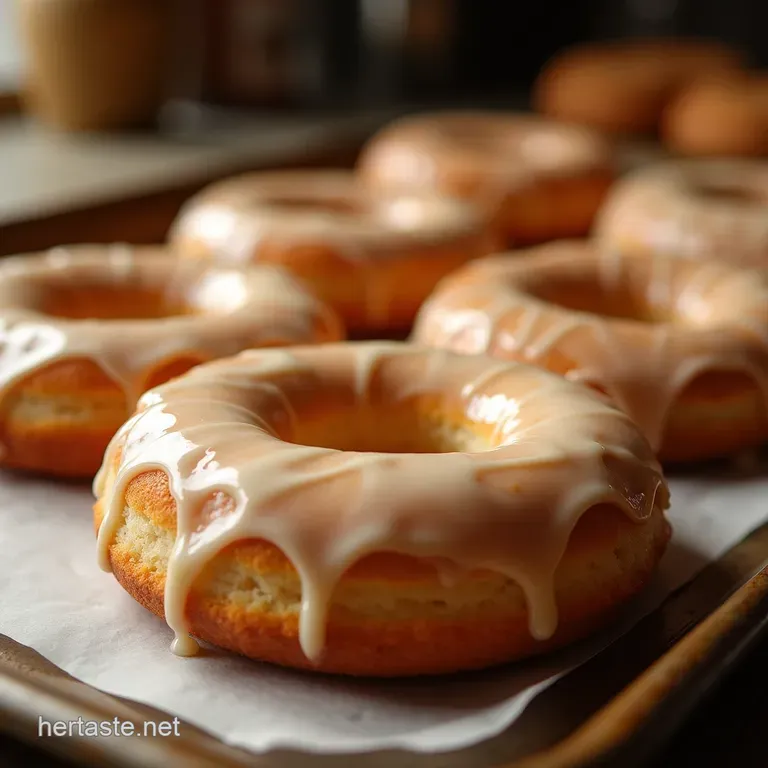
Once the dough has successfully bulk fermented, it needs to be handled delicately to preserve the gas bubbles. Gently deflate the dough and turn it out onto a lightly floured surface. Using a rolling pin, evenly roll the dough to a uniform thickness of about 1/2 inch (1.25 cm).
Use a 2.5 or 3 inch round cutter to stamp out the donuts. Once cut, use a smaller cutter or bottle cap to remove the centre hole. For best results in frying, ensure you place these shapes onto individual squares of parchment paper this paper sling will become your best friend when transferring the fragile dough to the hot oil.
The Crucial Second Ascent: Perfecting the Proof Before Frying
This is the most important stage for any Sourdough Instructions involving fried dough: the final proof. After shaping, place the parchment lined donuts on baking sheets, cover them loosely, and transfer them to the refrigerator for a minimum of 6 hours, though overnight (cold proofing) is highly recommended.
Managing Temperature for Optimal Second Fermentation
The slow, cold proof develops incredible flavour and allows the structure to firm up, preventing deflation when frying. When ready to cook, remove the donuts from the fridge about one hour prior. They should warm slightly, becoming puffy but still cool to the touch before they hit the oil.
The Hot Oil Baptism: Frying Techniques for Golden Results
The true test of any Sourdough Donuts preparation is the fry. Heat your oil precisely to 350° F ( 175° C).
Using the parchment paper sling, carefully lower one or two donuts into the oil, peeling the paper away gently once they are submerged. Fry for only 1 to 2 minutes per side until they achieve a deep, even golden brown. They should puff up dramatically.
Use a spider to lift them out, allowing excess oil to drip off before moving them briefly to paper towels. Immediately toss the warm donuts in plain granulated sugar before placing them on a wire rack to cool completely.
Troubleshooting Common Issues in Sourdough Baking
Even with careful adherence to the recipe, issues can arise. Understanding potential pitfalls ensures future success when making your Sourdough Donuts Baked Recipe variations or classic fried rings.
Fixing Flat Donuts: Troubleshooting Under Proofing
If your donuts emerge from the oil flat, pale, or saturated with grease, it almost always signals under proofing. If the dough hasn't developed enough internal structure during the second proof, the gluten network collapses immediately upon hitting the heat, absorbing oil instead of puffing.
Ensure your second proof leaves the donuts airy and jiggly, not dense.
Flavor Twists: Incorporating Spices or Citrus Zest
While the base recipe focuses on the pure flavour of fermented dough enhanced by vanilla glaze, you can easily adapt the flavour profile. When you incorporate the flour in Step 1 of the dough phase, add 1 teaspoon of ground nutmeg or 1/2 teaspoon of fresh orange zest.
These additions pair beautifully with the tang before the glaze is applied.
Storing Leftover Sourdough Donuts Safely
These are best eaten the day they are made, but if you must store them, place cooled, glazed donuts in an airtight container at room temperature for up to two days. Do not refrigerate, as this dries out the crumb quickly.
For longer storage, freeze plain, unfrosted donuts and thaw them before glazing and warming slightly.
Yield Expectations and Scaling the Recipe
This recipe is designed to yield between 12 and 14 medium sized donuts and their corresponding holes. If you need more, scaling is straightforward: simply double all measurements. However, be aware that when scaling up the Sourdough Starter Donuts Recipe , you must increase your rising times slightly, as a larger mass takes longer to ferment evenly.
Glaze Glory: Crafting the Silky Vanilla Bean Topping
Once your donuts have cooled entirely on the rack, it is time for the crowning touch. A perfect glaze needs to set quickly but remain slightly soft and glossy.
For the Silky Vanilla Bean Glaze, you will need 2 cups (240g) of sifted powdered sugar. Sifting is crucial to prevent lumps. Whisk this with 1 teaspoon of vanilla extract and 1/2 teaspoon of vanilla bean paste or the seeds scraped from half a pod for visual appeal.
Gradually add 3 to 4 tablespoons of whole milk or water, adding it slowly until you reach a pourable, thick consistency that coats the back of a spoon. Dip the cooled donuts into this mixture, lift, allow excess to drip back into the bowl, and set them back on the rack to allow the glaze to fully crystallize.
Beyond the Glaze: Creative Topping Inspirations
While the classic sugar coating or vanilla bean glaze is divine, these artisanal donuts beg for creative finishes. Consider rolling the still warm, sugar tossed donuts in a mixture of 1/2 cup sugar blended with 2 tablespoons of finely ground espresso powder for a rich mocha flavour.
Alternatively, a drizzle of homemade salted caramel after the vanilla glaze has set offers an incredible textural contrast to the tender crumb of your Baked Sourdough Donuts (if you choose to bake a batch instead of fry).
These Sourdough Instructions open the door to endless flavour experimentation!

Recipe FAQs
Why do my Sourdough Donuts taste more like regular fried dough and less sour?
That lovely tang comes from the slow fermentation process, so if you rush it, you miss out! Make sure your sourdough starter is active and mature, and commit to the overnight cold proof at least 6 hours in the fridge.
This slow chill allows the lactic acid to develop, giving you that characteristic subtle bite that cuts through the sweetness.
The dough feels really sticky; should I add more flour when making these Sourdough Donuts?
It’s tempting, but hold your horses! Sourdough dough, especially when enriched with butter and eggs, is naturally stickier than standard bread dough. Resist the urge to add too much extra flour during kneading, as this leads to dense donuts.
Use a light dusting of flour just for rolling out, and consider chilling the dough briefly if it becomes too unruly to handle.
What’s the secret to getting the perfect texture light and fluffy, not greasy sponges?
The secret is temperature control, plain and simple. You absolutely must use a thermometer to keep your oil pegged precisely at 350°F (175°C). If the oil is too cool, the donuts soak it up like a hungry student after a night out and become greasy; too hot, and they burn before cooking inside.
Can I bake these Sourdough Donuts instead of frying them?
You certainly can, but be warned, they won't be the same experience! Baked sourdough donuts will have a cake like texture rather than the airy, chewy structure achieved through frying.
If you choose to bake, use a donut pan and aim for about 375°F (190°C) for 12 15 minutes, making sure to brush them with melted butter before glazing.
How should I store leftover Sourdough Donuts, and will the glaze hold up?
These are best eaten the day they are made they are never quite the same the next morning, I’m afraid! If you must store them, place unglazed donuts in an airtight container at room temperature for up to 2 days.
If they are glazed, they can get sticky, so place parchment between layers, but try to eat them within 24 hours for the best results.
Can I use sourdough discard instead of an active, fed starter for this recipe?
Yes, using discard is a brilliant way to reduce waste! However, since discard isn't at its peak activity, you might need to slightly increase the overall proofing time, or perhaps add a tiny pinch of instant yeast (1/4 tsp) if your discard is particularly sluggish.
The flavour will still develop nicely due to the acidity present in the discard.
Fluffy Sourdough Donuts
Ingredients:
Instructions:
Nutrition Facts:
| Calories | 683 kcal |
|---|---|
| Protein | 8.7 g |
| Fat | 22.4 g |
| Carbs | 39.3 g |
| Fiber | 2.8 g |
| Sodium | 3410 mg |
