The Sunday Best Seriously Fluffy Milk Honey Dinner Rolls
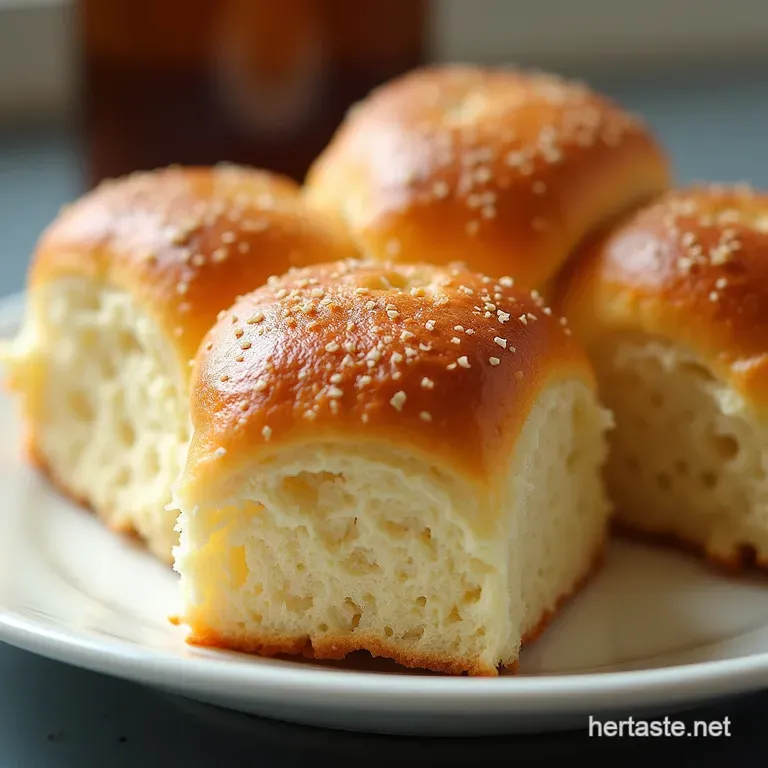
- Why These Cloud-Like Bakes Redefine Comfort Food
- Unlocking the Secret to Ultra-Light Dinner Rolls
- Gathering Your Components for Superior Fluffy Dinner Rolls
- Essential Equipment for Dough Development
- Mastering the Mix: From Shaggy Mass to Silky Dough
- The Crucial Wait: Developing Flavor Through Proofing Stages
- Shaping and Baking for Maximum Rise
- Troubleshooting Common Hurdles in Roll Making
- Storage Strategies to Maintain Freshness Post-Bake
- Creative Twists on Your Fluffy Dinner Rolls Base Recipe
- Recipe FAQs
- 📝 Recipe Card
Why These Cloud Like Bakes Redefine Comfort Food
There is an undeniable magic that happens when simple ingredients transform under the heat of an oven, and nowhere is this more apparent than in a batch of truly exceptional bread.
Forget the dense, slightly dry buns you might pick up at the grocery store; we are embarking on a culinary adventure to create Fluffy Dinner Rolls that demand to be eaten warm, preferably straight from the baking dish.
These are not merely side dishes; they are the centerpiece of Homemade Comfort Food Rolls , ready to sop up every last drop of sauce or gravy from your plate. The secret lies in using whole milk and just a hint of honey, creating a tender crumb structure that lives up to its lofty description.
Unlocking the Secret to Ultra Light Dinner Rolls
Achieving that cloud like texture requires attention to detail, but don't let the "Medium" difficulty level deter you; this is about learning good habits rather than complex techniques.
We are creating The Sunday Best: Seriously Fluffy Milk & Honey Dinner Rolls , yielding 12 perfect portions. This recipe balances richness with airy lightness, taking about 30 minutes of active preparation time, with a total commitment of roughly three hours, most of which is hands off rising time.
The Irresistible Allure of Homemade Bread Aroma
If you need motivation, let the anticipation of the aroma serve as your fuel. Baking bread releases volatile compounds that flood the kitchen, signaling warmth, hospitality, and satisfaction.
This pervasive, welcoming smell is the signature element of Homemade Dinner Rolls that store-bought alternatives can never replicate.
Setting Expectations: Achieve True Pull Apart Perfection
Our goal is explicit: structural perfection that allows for that satisfying "pull apart" experience. The rolls should nestle close together in the pan during their final proof, creating soft, pale sides where they touch, while the tops bake to a beautiful golden hue.
When pulled apart, the interior strands should stretch slightly, proving the success of the gluten development.
A Note on Why Milk and Honey Elevate This Recipe
While water can certainly hydrate dough, substituting whole milk brings necessary fat and protein, yielding a richer flavor and a noticeably softer crumb texture. The addition of honey doesn't just sweeten; it acts as a mild preservative, helping the rolls stay soft longer, while also feeding the yeast efficiently.
This subtle sweetness enhances the overall experience, making these truly special.
Gathering Your Components for Superior Fluffy Dinner Rolls
Before we begin mixing, assembling your ingredients correctly is the foundation of success. We require 1 cup (240 ml) of whole milk, 2 ¼ teaspoons of active dry yeast, ¼ cup (50g) of granulated sugar, 4 tablespoons (57g) of softened unsalted butter, one lightly beaten large egg, 3 to 3 ½ cups (360 420g) of all-purpose flour, and 1 teaspoon of fine sea salt for the dough.
For the final flourish, you’ll want 2 tablespoons of melted butter and 1 tablespoon of honey reserved for the Fluffy Dinner Rolls Honey Butter Glaze .
Essential Equipment for Dough Development
While you can certainly achieve great results with just bowls and muscle, having the right tools makes the process smoother and more predictable, especially when aiming for Best Fluffy Dinner Rolls .
Precision Measuring: The Core Dry Goods
Accuracy matters in baking. Use proper measuring cups for flour (scoop and level, rather than scooping directly from the bag, which compacts it) and dedicated measuring spoons for the yeast and salt. Consistency here prevents a dough that is either too tight or too slack.
Liquid Gold: Warming the Milk and Activating the Yeast
The most delicate step involves preparing your liquid base. You must warm 1 cup of milk until it reaches 105– 115° F (lukewarm). Whisk in the ¼ cup of sugar and the yeast.
This initial proofing, watching for that foamy cap after 5 to 10 minutes, confirms your yeast is active and ready to work its magic.
Must Have Tools: From Mixer Bowls to Baking Pans
While this recipe is designed to be achievable without specialized gear (making it a great No Stand Mixer Dinner Rolls option), a sturdy large mixing bowl is vital. If you do use a mixer, the dough hook attachment is invaluable for the long kneading period.
For baking, a standard 9x13 inch baking dish is perfect for spacing the 12 rolls correctly.
Mastering the Mix: From Shaggy Mass to Silky Dough
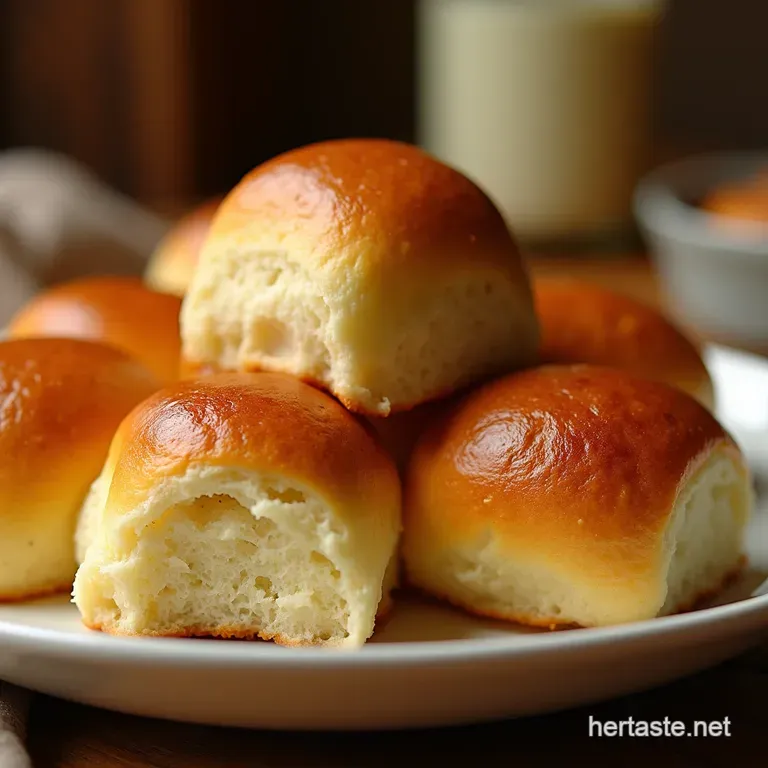
Once your yeast is frothy, incorporate the softened butter and the beaten egg into the yeast mixture. Then, begin adding your flour, along with the 1 teaspoon of salt, about a half cup at a time. Mix until a shaggy mass forms.
This is where you decide if you are truly aiming for Easy Fluffy Dinner Rolls by hand or utilizing machine power.
Kneading Techniques: Achieving the Windowpane Test
Whether by hand or hook, the kneading phase is non-negotiable for superior texture. Knead for 8 to 10 minutes. The dough should transition from sticky and rough to perfectly smooth, supple, and slightly tacky to the touch.
If it tears cleanly when stretched thin allowing you to briefly see light through it without ripping you have achieved the "windowpane test," signifying ideal gluten development necessary for that airy structure.
Related Recipes Worth Trying
- The Speedy Supper Rolls Fluffy Homemade Dinner Rolls in Just One Hour — Ditch the bread machine Learn how to make fluffy homemade dinner rollslight buttery and perfect for Sunday lunchin under 90 minutes total Get the foolproof...
- Easy Homemade Dinner Rolls Recipe Fluffy Fast — Forget dry shopbought buns This Dinner Rolls Recipe delivers pillowsoft homemade rolls in under two hours Perfect for Sunday lunch
- The Best Overnight Sourdough Cinnamon Rolls Recipe — Wake up to the Best Sourdough Cinnamon Rolls unbelievably soft thanks to an overnight cold proof This sourdough discard recipe delivers amazing flavour Get...
The Crucial Wait: Developing Flavor Through Proofing Stages
Bread making is as much about patience as it is about chemistry. We use two distinct rising periods to build structure and deepen flavor.
First Rise Protocol: Warmth Without Overheating
Place your kneaded dough in a lightly oiled bowl, ensuring it’s turned once to coat. Cover it tightly. The first rise, or bulk fermentation, requires a warm, draft free environment, ideally around 75– 80° F.
Allow it to rest until it has doubled in volume, typically 60 to 90 minutes. This stage develops the majority of the bread's initial flavor profile.
Perfect Portioning: How to Shape Your Individual Rolls Uniformly
Gently deflate the dough and divide it precisely into 12 equal pieces. For the best rise, cup your hands around each piece and gently tuck the edges underneath, forming a tight, smooth ball with tension on the top surface.
Arrange these uniformly in your prepared pan, ensuring they are close enough to touch during the second rise, which guarantees those soft, pale sides.
Shaping and Baking for Maximum Rise
The final rise and the bake itself are where we achieve that lofty height.
The Final Glaze and Bake: Achieving a Golden Crust
Preheat your oven to 375° F ( 190° C). Cover the pan loosely and let the rolls proof a second time for 45 to 60 minutes until they look puffy and have puffed up against their neighbors.
Bake for 15 to 18 minutes, turning the pan halfway through to ensure even color.
Troubleshooting Common Hurdles in Roll Making
Even with the best intentions, bread can be temperamental. Understanding why something isn't working keeps you from giving up on baking entirely!
What to Do If Your Dough Isn't Rising Properly
If your dough hasn't doubled after 90 minutes during the first rise, the culprit is usually temperature. Check the warmth of your environment; you may need to place the bowl near a slightly warm oven (turned off ) or in a sunny spot.
If the dough was very sticky and required excessive flour during kneading, it might also be too tight to expand properly. Next time, trust the stickiness!
Nutritional Snapshot: Understanding the Goodness Within
While these are certainly indulgent, they provide wholesome energy. Estimating roughly 185 calories per roll, they offer a modest contribution of protein (around 5g) and carbohydrates (about 28g), fueled by quality flour and enriched with milk fat, making them a satisfying component of any meal.
Reheating Leftovers: Bringing Back That Oven Fresh Texture
If you are enjoying day-old rolls, reheating is key. Wrap a few rolls loosely in foil and place them in a 300° F ( 150° C) oven for about 10 minutes.
For an immediate fix, microwave a single roll wrapped in a damp paper towel for 15 20 seconds to restore that tender crumb.
Flavor Infusions: Incorporating Herbs or Cheese
To elevate these beyond the basic, consider adding savory notes directly to the dough. Incorporate 1 teaspoon of dried garlic powder and 1 teaspoon of dried parsley during the dry mixing stage.
Alternatively, brush the tops with milk before the final rise and sprinkle generously with Parmesan cheese for a sharp, salty crust that pairs beautifully with the underlying sweetness.
Storage Strategies to Maintain Freshness Post Bake
To keep these Kid Approved Dinner Rolls at their peak, avoid refrigeration, which quickly turns bread stale. Store them at room temperature in an airtight container or well sealed plastic bag for up to three days.
For longer storage, they freeze exceptionally well; simply cool completely, place in a freezer bag, and freeze for up to three months. Thaw overnight before reheating.
Creative Twists on Your Fluffy Dinner Rolls Base Recipe
This Milk & Honey base is versatile enough to adapt to many different meals. If you love savory, try the garlic herb infusion mentioned above, and swap the honey glaze for a brush of melted butter mixed with fresh rosemary.
If you prefer a sweet finish, substitute the honey in the glaze with cinnamon sugar mixed with the melted butter for a roll reminiscent of a soft cinnamon bun swirl.

Recipe FAQs
Why aren't my Fluffy Dinner Rolls rising as much as they should?
This is usually down to one of two things: the temperature of your milk or the age of your yeast. Ensure your milk is lukewarm (around 110°F/43°C) to properly activate the yeast if it’s too cold, the yeast won't wake up, and if it’s too hot, you’ll kill them off.
Also, check your yeast packet; if it’s old, it might have lost its power.
Can I use Instant Yeast instead of Active Dry Yeast in this recipe?
Absolutely, Instant Yeast is often easier for beginners! If you use Instant Yeast, you can skip Step 1 (the initial foaming/proofing) entirely. Simply mix the yeast directly into your dry ingredients (flour and salt) and proceed with adding the wet ingredients.
My dough felt really sticky; how much extra flour should I add to get those beautiful Fluffy Dinner Rolls?
Resist the urge to add too much flour! A slightly tacky dough is the secret to softness; too much flour results in dry, heavy rolls. Knead for the full 8-10 minutes, and the gluten development should absorb most of that stickiness.
Only add flour one tablespoon at a time if it’s completely unmanageable on the counter.
How far ahead of time can I make these rolls, and how should I store leftovers?
These are best served the day they are baked, but you can definitely make them the day before. Store them tightly wrapped at room temperature for up to two days avoid the fridge, as it makes bread go stale faster.
To refresh them, sprinkle lightly with water and microwave for 10-15 seconds, or heat them briefly in a low oven.
I want to make them ahead of time can I freeze the dough?
Yes, freezing dough is a brilliant trick for having fresh bread ready without the fuss! After shaping the rolls but before the second rise (Step 7), freeze the unbaked rolls on the tray, then transfer them to a freezer bag.
When ready to bake, let them thaw overnight in the pan in the fridge, then let them proof at room temperature until puffy before baking as directed.
What can I substitute for milk if I need a dairy-free option?
For a dairy-free version, unsweetened Oat Milk or Soy Milk works wonderfully well, as they both have good fat content similar to whole milk. Just ensure the liquid temperature is correct for activating the yeast, and the final texture should still be deliciously light and soft.
Fluffy Honey Dinner Rolls

Ingredients:
Instructions:
Nutrition Facts:
| Calories | 243 kcal |
|---|---|
| Protein | 8.7 g |
| Fat | 16.3 g |
| Carbs | 18.9 g |
| Fiber | 2.2 g |
| Sodium | 3500 mg |
