The Ultimate Homestyle White Sandwich Loaf Simple Soft and Truly Sublime
- Reclaiming the Classic: Why This Homemade White Bread Recipe Wins
- The Soul of Softness: Unlocking True Childhood Comfort Food
- The Essential Pantry Stock for Fluffy Dough
- Precision Measuring: Tools and Components for Success
- The Step-by-Step Alchemy of Dough Creation
- From Proofing to Perfect Crust: Baking Mastery Unveiled
- Maximizing Your Loaf: Storage, Freezing, and Serving Suggestions
- Recipe FAQs
- 📝 Recipe Card
Reclaiming the Classic: Why This Homemade White Bread Recipe Wins
There’s a certain magic that happens when flour, water, yeast, and salt combine under expert hands. It’s more than just baking; it’s alchemy that results in the perfect White Bread .
Forget the airy, preservative laden loaves that line supermarket shelves; we are talking about recreating that deeply comforting, slightly sweet, and utterly tender bread of yesteryear.
This Classic white bread recipe isn't merely a guide; it’s a portal to the satisfying warmth of your own kitchen filled with the irresistible scent of make fresh bread .
If you've ever hesitated to embark on your bread making journey, this recipe is designed to convert you into a confident home baker, yielding a loaf so good it will redefine your sandwich standards.
The Soul of Softness: Unlocking True Childhood Comfort Food
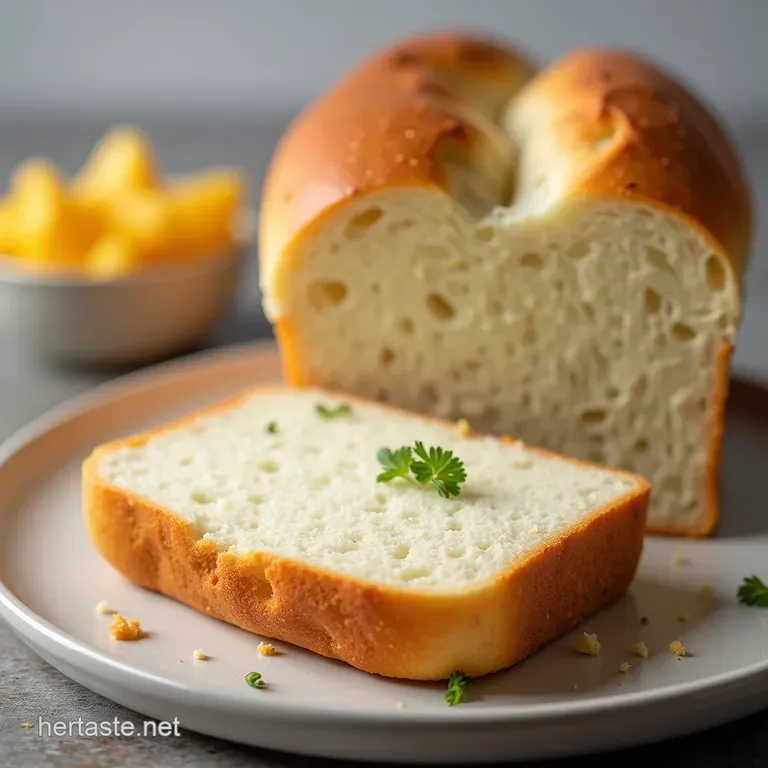
The goal here is textural perfection. We aim for a fluffy white bread recipe result: a tight, fine crumb structure encased in a delicate, golden brown crust. This isn't a rustic sourdough; this is the epitome of soft, accessible, sandwich ready goodness.
This easy white bread recipe relies on simple components transformed by precise technique, leading to the kind of bread that begs to be devoured simply slathered with salted butter.
A Nostalgic Journey to the Perfect Loaf
Think back to those moments where bread was the centerpiece: a warm slice pulled straight from the oven, steam curling up as you buttered it, or perhaps the flawless base for a delicate cucumber sandwich.
This specific formula, utilizing milk and a small amount of butter, ensures a richer crumb than water based recipes, locking in moisture and providing that quintessential softness associated with true comfort food. Achieving this nostalgic quality is completely within reach with this method.
Why Skip the store-bought Shelf Life for This Recipe?
The difference between a loaf baked this morning and one that’s been sitting wrapped on a shelf is monumental, impacting texture, flavour, and aroma. store-bought bread often relies on emulsifiers and stabilizers to maintain structure over weeks.
By contrast, our homemade white bread offers an immediate reward: unparalleled freshness and a subtle, natural sweetness derived only from the ingredients themselves, without chemical intervention.
What Makes Our White Bread Distinctly Superior?
The secret to transforming simple ingredients into an exceptional white bread loaf lies in the enrichment the use of milk and butter, alongside a precise amount of sugar to feed the yeast properly.
This enrichment tenderizes the gluten strands, resulting in a loaf that is far softer and stays moist longer than lean doughs. It’s this attention to the dough's hydration and fat content that marks this as a truly superior soft white bread recipe .
The Essential Pantry Stock for Fluffy Dough
Embarking on any successful baking adventure starts with having the right components ready. For this quintessential sandwich loaf, the ingredients are humble, yet their quality and preparation are paramount to achieving that desired airy texture.
Having these items on hand ensures you’re ready when the baking urge strikes.
Related Recipes Worth Trying
- Foolproof Unleavened Flatbread Recipe No Yeast Ready Fast — Need bread in a hurry This easy unleavened flatbread recipe is foolproof yielding chewy perfect rounds every time A brilliant no yeast flatbread for...
- Easy Homemade Unleavened Bread Recipe in Under 30 Minutes — Need a simple unleavened flatbread recipe This quick version is perfect for dipping and requires just flour and watera true pantry hero
- Authentic Effortless Passover Unleavened Bread Recipe Matzah Masterclass — Forget bland brittle Matzah Learn how to make authentic Passover Unleavened Bread that snaps perfectly This easy unleavened bread recipe is ready in 30...
Precision Measuring: Tools and Components for Success
Accuracy is the bridge between a good loaf and a truly great one. For this recipe, where we are aiming for a specific crumb, weighing ingredients is ideal, but carefully spooning and leveling flour is the next best practice.
We start with milk, the primary source of hydration, which must be perfectly tempered to awaken our yeast.
Activating the Yeast: Water Temperature Matters
The foundation of any yeasted bread is waking up that essential microorganism. For this White Bread recipe , we use warm milk ideally between 105° F and 115° F ( 40° C– 46° C).
If the milk is too cool, the yeast will remain sluggish, leading to a slow, dense rise. If it’s too hot (above 130° F), you risk killing the yeast entirely.
Once mixed with the granulated sugar (which acts as the yeast’s initial food source), this mixture should bloom into a frothy, active layer within ten minutes, confirming its readiness to work its magic.
Flour Focus: Selecting the Ideal Baker’s White Flour
While all-purpose flour works well for a standard loaf, achieving that ultimate softness often benefits from using high protein Bread Flour. This higher protein content allows for greater gluten development during the kneading stage, which is necessary to trap the gases produced by the yeast effectively.
When measuring, remember to spoon the flour lightly into your measuring cup and level it off; scooping directly compresses the flour, leading to a dough that is too dry.
Beyond Basics: Optional Enhancements for Flavor Depth
Although the core recipe is perfection in its simplicity, flavor layering is an option for those who want to push the envelope slightly. Consider adding a teaspoon of high-quality vanilla extract to the wet ingredients for a subtle sweetness, or a touch of malted milk powder to the dry ingredients if you can source it.
These minor additions can subtly elevate the perceived sweetness and depth of flavour in your final White Bread loaf .
The step-by-step Alchemy of Dough Creation
Once your yeast is bubbling happily and your dry ingredients are measured, the transformation begins. We bring the wet and dry elements together, moving swiftly to incorporate the fat softened butter and the egg, which adds richness and structure. The initial mixing phase should result in a shaggy mass.
This is the time to trust the process and move into the development phase: kneading. This is where the structure of your Homemade White Bread is built, setting the stage for that signature springiness.
From Proofing to Perfect Crust: Baking Mastery Unveiled
The period where the dough rests and expands is just as critical as the active mixing. Yeast activity dictates the rise, and understanding the two necessary proofs ensures you achieve the proper volume and internal texture.
Kneading Techniques: Achieving Peak Gluten Development
For a truly fluffy white bread recipe , you must develop the gluten network robustly. Whether using the powerful paddle of a stand mixer fitted with a dough hook or employing satisfying hand kneading, this process requires consistency.
Continue kneading until the dough transitions from being sticky and tearing easily to becoming smooth, elastic, and resilient. A successful knead should last between 8 to 10 minutes on medium low speed, resulting in a dough that passes the windowpane test a thin sheet that you can see light through without it ripping immediately.
The Crucial Double Rise Schedule Explained
Bread requires two distinct opportunities to rise. The First Proof , or bulk fermentation, allows the yeast to multiply and create the primary flavour profile and structure, often doubling the dough's size over 60 to 90 minutes in a warm place.
Following this, the dough is gently knocked back, shaped precisely to fit the loaf tin, and subjected to the Second Proof . This final rise, often shorter (around 45 minutes), is where the dough gains the final volume needed to rise beautifully above the tin during baking, ensuring a tall, even loaf.
Oven Calibration: Setting the Stage for Golden Perfection
Preheating your oven accurately is non-negotiable; we aim for a steady 375° F ( 190° C). Just before sliding the tin in, a light brush of milk or water over the top helps the crust develop a beautiful sheen and rich golden colour.
During the 30 to 35-minute bake time, the internal temperature must reach at least 200° F ( 93° C). If the top browns too quickly, a loose tent of foil can protect it while the interior finishes cooking, ensuring a fully baked center, vital for this First time bread recipe .
Maximizing Your Loaf: Storage, Freezing, and Serving Suggestions
The final, and perhaps hardest, step is waiting for the loaf to cool completely on a wire rack. Slicing it too soon releases essential trapped steam, resulting in a slightly gummy texture. Once cooled, this bread is versatile, offering supreme quality for almost any application.
Nutritional Snapshot of Your Homemade Sandwich Staple
Understanding what goes into your food is empowering. While this is a white bread, enriched with milk and butter, it remains a staple carbohydrate source. It provides satisfying energy, and compared to many commercial loaves, you control the exact sodium and sugar levels, making your White Bread a much cleaner choice for daily consumption.
Creative Twists: Personalizing Your Next Batch of White Bread
Once you master the base technique, personalization becomes fun. Consider infusing the milk with herbs like rosemary or thyme before warming it, or stirring in finely grated sharp cheddar cheese during the final minutes of kneading for a savoury treat.
You can even swap the sugar for brown sugar for a deeper molasses note in your next batch of make fresh bread .
Troubleshooting Common Dough Dilemmas
If your dough fails to double during the first rise, the temperature was likely too cold, or your yeast was inactive. If the finished loaf is dense, it usually points to insufficient kneading (poor gluten development) or over proofing during the second rise (where the dough collapses in the oven).
These slight setbacks are part of learning, and knowing the cause helps perfect your next attempt at the Ultimate Homestyle White Sandwich Loaf .
The Definitive Method for Long Term Freshness Preservation
To maintain the signature softness of your Soft White Bread recipe , avoid refrigeration, as it accelerates staling. The best strategy is slicing the completely cooled loaf and freezing the unused portions immediately in airtight, freezer safe bags.
Thaw slices overnight on the counter or pop them directly into the toaster for a nearly fresh experience, ensuring you get maximum enjoyment from every bake.

Recipe FAQs
My homemade White Bread didn't rise much, what went wrong?
This is usually down to two culprits: either your yeast wasn't active (check that your milk temperature wasn't too hot and killed it off), or you didn't knead it long enough. Proper kneading develops the gluten structure necessary to trap those lovely gas bubbles, so make sure you hit that 8-10 minute mark on the mixer for a good rise.
Can I make this loaf ahead of time, or does it need eating right away?
Once cooled, this white bread keeps beautifully in a bread bin or loosely wrapped at room temperature for about 3 4 days; it's best enjoyed within the first 48 hours, though.
If you want it to last longer, slice it once fully cool, place parchment paper between the slices, and freeze it it’s fantastic popped straight into the toaster from frozen!
Is it okay to use standard All-Purpose flour instead of Bread Flour for this recipe?
Absolutely, you can use All-Purpose flour, as detailed in the recipe, but be aware that the resulting texture will be slightly softer and less chewy. Bread flour has a higher protein content, which leads to stronger gluten development, making the loaf structure a bit firmer perfect for those serious toast enthusiasts!
I prefer a tangier loaf; how can I adjust this recipe to make it less sweet?
To cut down on sweetness and introduce a lovely tang, you can substitute about half of the required milk volume with buttermilk; this reacts nicely with the yeast. Furthermore, reduce the initial added sugar down to just one tablespoon, as the sugar is mainly there to feed the yeast, not necessarily to flavour the final slice heavily.
Why does the recipe stress waiting until the bread is completely cool before slicing?
That critical cooling step is vital for achieving that fine, fluffy interior crumb! While the bread is still hot, the internal structure is still setting, and slicing it releases all the internal steam too quickly.
This often results in a gummy, slightly squashed texture trust me, waiting is worth it for that perfect slice.
What internal temperature should the loaf reach to be considered perfectly baked?
For a perfectly baked white loaf, you are aiming for an internal temperature between 200°F and 205°F (93°C to 96°C) when checked with an instant read thermometer in the centre of the loaf.
If it looks golden brown but hasn't hit that temperature, pop it back in for a few minutes; better to be safe than serving up raw dough!
Fluffy Homestyle White Bread
Ingredients:
Instructions:
Nutrition Facts:
| Calories | 2966 kcal |
|---|---|
| Protein | 70.3 g |
| Fat | 126.6 g |
| Carbs | 343.1 g |
| Fiber | 30.5 g |
| Sodium | 40510 mg |
