Chefs Fiery Peruvian Lomo Saltado the Ultimate Beef Stirfry
The Heritage Dish: Why Lomo Saltado Defines Chifa Cuisine
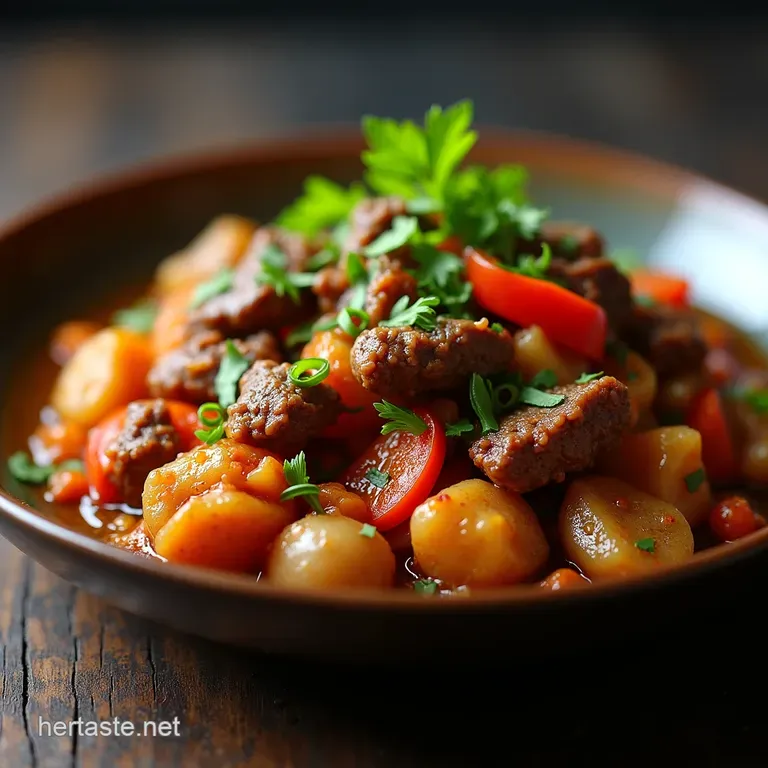
Lomo Saltado is more than just a quick stir fry; it is a vibrant, edible narrative of cultural exchange. As the flagship dish of Chifa cuisine the culinary tradition born from Chinese immigrants bringing their wok techniques to Peru in the 19th century it perfectly illustrates how distinct culinary worlds can merge to create something entirely new and beloved.
This Peruvian Beef Stir Fry exemplifies the seamless blending of Chinese high heat cooking methods with indigenous Peruvian ingredients like the Aji Amarillo pepper.
When you sit down to enjoy a plate of Lomo Saltado , you are tasting history, migration, and masterful culinary adaptation.
A Culinary Love Letter: Fusion Born from Immigration
The brilliance of Lomo Saltado Peruvian food lies in its unexpected pairings. Chinese immigrants introduced the wok, the concept of rapid sautéing, and the use of soy sauce. Peruvian kitchens offered beef, tomatoes, onions, and the fiery heart of their cuisine, the aji peppers.
The result is a dish that manages to be simultaneously savoury, tangy, and slightly smoky a testament to culinary resourcefulness. This Beef Sirloin Stir Fry is unapologetically bold, making it a central pillar of modern Peruvian Cuisine .
What Makes This Beef Stir Fry Unforgettable (Beyond the Fries)
While the accompanying french fries often steal the show, the magic truly happens within the sauce and the beef preparation. The marinade tenderizes the meat while imparting deep umami notes from the soy sauce, which are then brightened by the sharp acidity of vinegar.
This interplay is what transforms simple ingredients into the complex flavour profile of Lomo Saltado . It’s this perfectly balanced internal structure that makes people seek out an Authentic Lomo Saltado experience.
Setting Expectations: The Smoke and Sizzle You Need
Achieving true wok hei —that ethereal, smoky flavour imparted by extreme heat is the goal when making this dish. Whether you are utilizing a traditional wok or a large stainless steel skillet, the pan must be scorching hot.
If your pan isn't hot enough, the beef will stew in its own juices instead of achieving that desirable, quick sear. This high heat requirement is the single most important technical aspect of mastering this Easy Lomo Saltado approach at home.
Essential Components for Authentic Flavor Layers
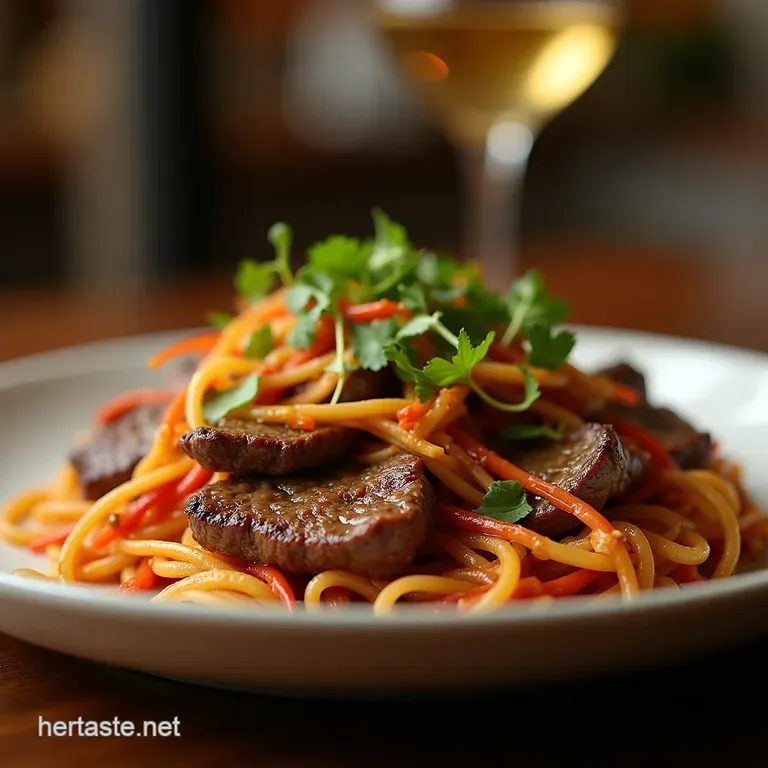
Creating a truly memorable Lomo Saltado requires attention to detail in both the selection of premium ingredients and the precision of their preparation. The final harmony of this dish relies on the quality of the beef, the vibrancy of the fresh produce, and the depth achieved in the Lomo Saltado Sauce Recipe .
Procuring the Prime Cut: Selecting Your Beef for the Sauté
For this recipe, which utilizes a fast, high heat cooking method, you need beef that sears beautifully without drying out. The best choice is high-quality beef sirloin or tenderloin, trimmed of any excess fat.
It must be sliced thinly, approximately one-quarter inch thick, and importantly, sliced against the grain. Slicing correctly ensures that even with rapid cooking, the meat remains tender and chewable, avoiding stringiness in your final Beef Sirloin Stir Fry .
The Marinade Matrix: Soy, Vinegar, and Secret Spices
The initial seasoning is fundamental. Before the searing begins, the beef strips are bathed in a mixture dominated by low-sodium soy sauce, which provides the base umami. This is supported by aromatic ground cumin and dried oregano, lending an earthy, almost rustic warmth often found in traditional Andean cooking.
A simple combination of salt and pepper rounds out this initial flavour injection, setting the stage for the high heat transformation.
Vegetable Preparation: Slicing for Optimal Caramelization
The supporting cast of vegetables onions and tomatoes must be cut correctly to ensure they cook in sync with the rapid searing of the beef. Both should be cut into thick wedges. This substantial cut prevents the vegetables from breaking down into a mush during the quick stir fry.
They need just enough time over the heat to soften slightly while retaining a pleasant, fresh crunch, adding necessary textural contrast to the tender beef.
Beyond the Basics: Sourcing the Aji Kick (If You Can't Find Fresh)
The signature Peruvian taste comes from the Aji Amarillo chili. This pepper offers a fruity warmth rather than overwhelming heat, providing depth rather than simple spice. If you cannot find fresh or pickled peppers, a good quality Aji Amarillo paste is an excellent substitute.
Start conservatively with the paste, as its concentration can vary widely, but incorporating this ingredient is essential for achieving that Authentic Lomo Saltado profile.
The Necessary Kitchen Arsenal for High Heat Cooking
Success in this demanding technique hinges on your equipment. While a traditional wok is ideal for its curved bottom that promotes even, fierce heat distribution, a very large, heavy bottomed stainless steel skillet is the next best thing.
Avoid non-stick pans if possible, as they often cannot handle the sustained, searing temperatures required to develop the crust on the beef properly.
Related Recipes Worth Trying
- Authentic Lomo Saltado Recipe The Best Peruvian Beef Stir Fry — Master the ultimate Peruvian Lomo Saltado dinner at home This recipe delivers smoky beef crisp veg and the perfect sauce combination in under 40 minutes Get...
Sequential Mastery: Building the Perfect Lomo Saltado Assembly
Making Lomo Saltado is a performance in speed. Every component must be prepped and ready to go before the stove is turned on, because once the heat hits the pan, the entire cooking process takes mere minutes.
We build this dish in distinct, rapid stages to ensure every ingredient hits the pan at its peak textural moment.
The Crucial High Heat Searing Process Explained
The first action is to establish intense heat in your cooking vessel and add the searing oil. Once the oil shimmers or just begins to smoke lightly, you introduce the marinated beef. The absolute key here is batch cooking .
If you overcrowd the pan, the temperature plummets, and the beef boils instead of searing. Cook the beef quickly until nicely browned on the outside it doesn't need to be cooked through yet and immediately remove it to a warm plate. This step locks in the flavour and develops the critical caramelized crust.
Prep Stage One: Tossing the Tenderloin in its Acid Bath
While the beef is resting after its initial sear, you have a brief window to build the aromatic foundation. A splash more oil is added, and the thick wedges of red onion are quickly tossed over high heat until they just begin to yield their sharpness.
Next, the minced garlic and the Aji Amarillo paste are introduced for a 30-second fragrance infusion before the entire dish moves into its final, saucy phase.
The Double Cook Method: Achieving Crisp Potatoes Separately
An Authentic Lomo Saltado demands that the french fries remain crisp despite being smothered in the sauce and juices. Therefore, they must be cooked entirely separately, usually deep fried until golden, and added only at the final plating stage.
Attempting to cook the potatoes in the wok alongside the beef will result in soft, oil-logged fries that compromise the texture of the entire dish.
Stage Two: Flash Frying the Vegetables for Crunch
Once the aromatics are fragrant, the remaining sauce elements beef broth, the essential red wine vinegar for that necessary tang, additional soy sauce, and optional oyster sauce for body are poured in to deglaze the pan and create the foundation of the Lomo Saltado Sauce Recipe .
The reserved beef is returned to this liquid, followed immediately by the thick tomato wedges. This entire addition and-toss process should take under a minute, ensuring the tomatoes remain vibrant and firm.
Final Marriage: Combining Sauces, Beef, and Produce
The final moments are about melding these intense flavours without overcooking the produce. The vigorous tossing ensures the beef is cooked through and coated completely in the glossy, tangy reduction.
A quick shower of fresh cilantro is stirred in right before the pan comes off the heat, providing a final layer of herbaceous brightness to complement the smoky char of the Peruvian Beef Stir Fry .
Troubleshooting and Expert Secrets for Next Level Results
Even with careful adherence to the process, home cooks can encounter minor hurdles. Knowing how to adjust mid-cook or perfect the accompaniments ensures every serving of your Lomo Saltado shines.
Fixing Under Seasoning: The Secret to Boosting Savory Depth
If, after the final toss, you find the flavour lacks the savoury depth expected from a good Lomo Saltado Recipe , don't panic. The fix is usually twofold: a tiny, careful splash more soy sauce to boost umami, followed by a few drops of high-quality Worcestershire sauce (which contains similar fermented ingredients to beef broth) to enhance richness without adding too much liquid.
Storing Leftover Lomo Saltado and Reheating for Texture
Because the textures are so distinct crisp fries, firm vegetables, tender beef leftovers require care. Store the beef mixture separate from the rice and fries. When reheating the beef mixture, use a very hot skillet (no oil needed) and reheat quickly.
The goal is to evaporate any excess liquid that has softened the vegetables during storage, restoring some of that necessary Saltado vibrancy.
Vegetarian Adaptations: Transforming the Stir Fry Profile
While traditionally meat centric, this Peruvian Cuisine staple adapts beautifully. For a vegetarian take, substitute the beef with thick slabs of firm tofu or hefty portobello mushrooms, following the same searing technique.
The soy and vinegar based sauce works perfectly with these alternatives, making for an equally satisfying Easy Lomo Saltado meal.
Pairing Peruvian Wines with Your Fiery Meal
The robust, savoury, and slightly acidic nature of the Lomo Saltado pairs best with wines that possess good acidity themselves to cut through the richness. A dry, slightly herbaceous white like a Sauvignon Blanc is an excellent match, cooling the palate against the heat of the Aji.
For red wine drinkers, a light, earthy Pinot Noir offers enough structure without overpowering the delicate balance of the soy and vinegar glaze.
Recipe FAQs
My Lomo Saltado beef always ends up grey and chewy. What am I doing wrong?
That’s the classic stir fry woe! You are almost certainly overcrowding the pan. To get that lovely, seared crust (the wok hei we’re chasing), you must cook the beef in small batches over screaming high heat.
If the pan is too full, the temperature drops, and the meat steams instead of searing, resulting in tough meat.
Can I make this Lomo Saltado ahead of time, or is it best fresh?
This dish is definitely best served immediately, piping hot, straight from the pan. The magic is in the texture the crispy fries mixing with the hot sauce, and the vegetables retaining their bite.
If you must prep ahead, marinate the beef and chop everything, but only cook the beef and assemble the stir fry right before you plan to eat.
I can't find Aji Amarillo paste; what’s a good substitute for that authentic Peruvian flavour?
Aji Amarillo gives a unique fruity heat, but don't fret if you can't find it in your local supermarket. You can achieve a comparable flavour profile by mixing a teaspoon of Dijon mustard with a tablespoon of Sriracha or another mild red pepper sauce.
This provides both the slight tang and the necessary warmth without dominating the soy and vinegar notes.
I love the sound of this, but I need a lighter version. Can I skip the french fries?
Absolutely! While the fries soaking up the sauce alongside the rice is traditional Peruvian comfort food, you can certainly skip them for a lighter meal. Just ensure you serve it with extra rice, or even over some quinoa if you fancy a healthier grain swap.
The core flavour of the Lomo Saltado remains perfectly intact.
How should I store leftovers, and are they any good the next day?
Store any leftovers in an airtight container in the fridge for up to three days. Be warned, though: the fries will definitely be soggy by morning that’s just the law of leftovers!
Reheat the beef and vegetable mixture gently on the stovetop, and consider serving it with fresh fries or toast for the best experience.
Easy Lomo Saltado Stirfry
Instructions:
Nutrition Facts:
| Calories | 450 kcal |
|---|---|
| Fat | 18g |
| Fiber | 3g |
