The Sticky Sweet Secret Perfectly Glazed Honey Roasted Carrots with Fresh Thyme
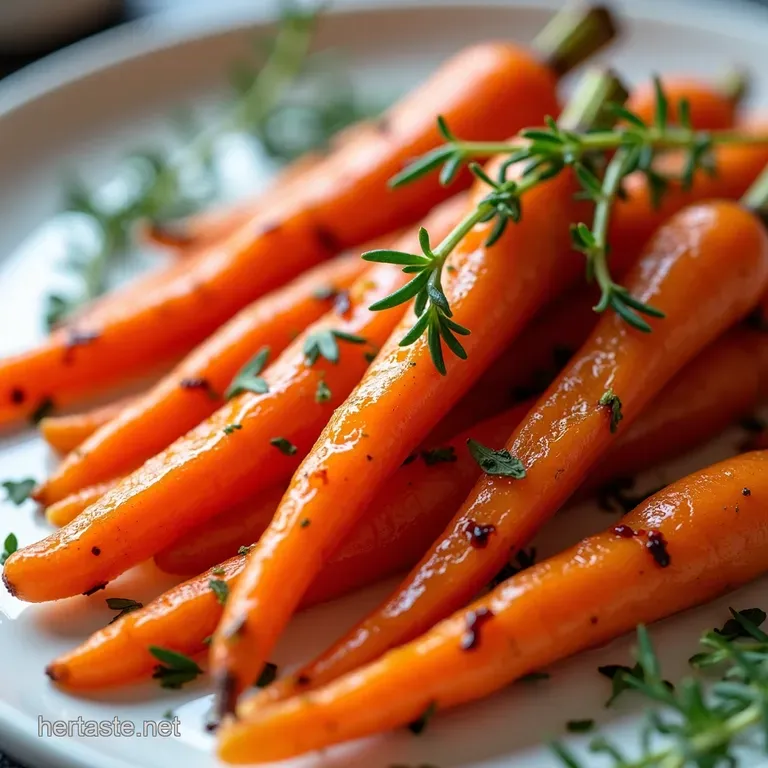
- Elevating the Humble Root Vegetable: Why These Honey Roasted Carrots Shine
- The Allure of Perfect Caramelization: Sweetness Meets Savory
- Gathering the Necessities for Superior Honey Roasted Carrots
- A Deep Dive into Component Quality
- The Seamless Method for Creating Ultra-Flavorful Honey Roasted Carrots
- Achieving Maximum Surface Sizzle
- Troubleshooting and Advanced Techniques for Your Side Dish
- Maximizing Flavor and Shelf Life
- Frequently Asked Questions
- 📝 Recipe Card
Elevating the Humble Root Vegetable: Why These Honey Roasted Carrots Shine
There is something deeply satisfying about transforming the humble carrot from a simple, crunchy snack into a side dish masterpiece. When we talk about truly great vegetable preparations, Honey Roasted Carrots invariably rise to the top of the list.
They possess an unparalleled balance: a natural, earthy sweetness boosted by a sticky, golden glaze that clings perfectly to every surface. This isn't just about cooking a vegetable; it’s about maximizing its inherent potential through the magic of heat.
If you are searching for Carrot Side Dishes that impress guests yet remain wonderfully straightforward to execute, look no further than this stellar recipe.
The Allure of Perfect Caramelization: Sweetness Meets Savory
The goal when roasting vegetables like carrots is to achieve deep flavour concentration. This is accomplished through caramelization the chemical process where natural sugars break down under high heat, creating complex, nutty, and intensely sweet new compounds.
Our recipe leverages the high fructose content of honey to achieve this beautiful browning without burning, resulting in intensely Caramelized Carrots .
Why This Recipe Triumphs Over Standard Roasting
Many basic roasting methods rely solely on salt and oil, which are certainly fine, but they miss the transformative power of a true glaze. By introducing honey and butter, we create a medium that browns beautifully and bastes the carrots as they cook.
On top of that,, incorporating aromatic elements like fresh thyme ensures that the final product is layered, moving beyond mere sweetness into sophisticated savoury territory. This careful balance is what sets these Sweet Glazed Carrots apart from simpler preparations.
Pairing Suggestions for Your Glazed Carrots
These carrots are incredibly versatile. They serve as a brilliant counterpoint to rich, salty meats, such as roasted pork loin or glazed ham. For a complete vegetarian experience, they shine alongside grain bowls featuring farro or quinoa, or paired with a creamy alternative like Honey Roasted Carrots with Whipped Feta for a contrasting cool element.
You can even expand the root vegetable repertoire by incorporating potatoes or parsnips alongside them, making for a lovely tray of Honey Roasted Carrots and Parsnips .
A Quick Introduction to Flavor Chemistry
The combination of fat (butter/oil) and sugar (honey) is foundational to this glaze. The fat helps conduct the heat evenly across the carrot surface, while the honey melts and begins to caramelize.
The addition of an aromatic herb like thyme cuts through the richness, ensuring that the final taste is bright rather than heavy. Understanding this simple chemical interplay is the key to mastering this Honey Roasted Carrots Recipe .
Gathering the Necessities for Superior Honey Roasted Carrots
The beauty of this dish lies in its simplicity, which means the quality of your ingredients directly impacts the final result. Since there are so few components, selecting the best quality within your budget makes a noticeable difference in flavor depth.
We are aiming for a truly Easy Roasted Carrots experience that delivers maximum payoff.
A Deep Dive into Component Quality
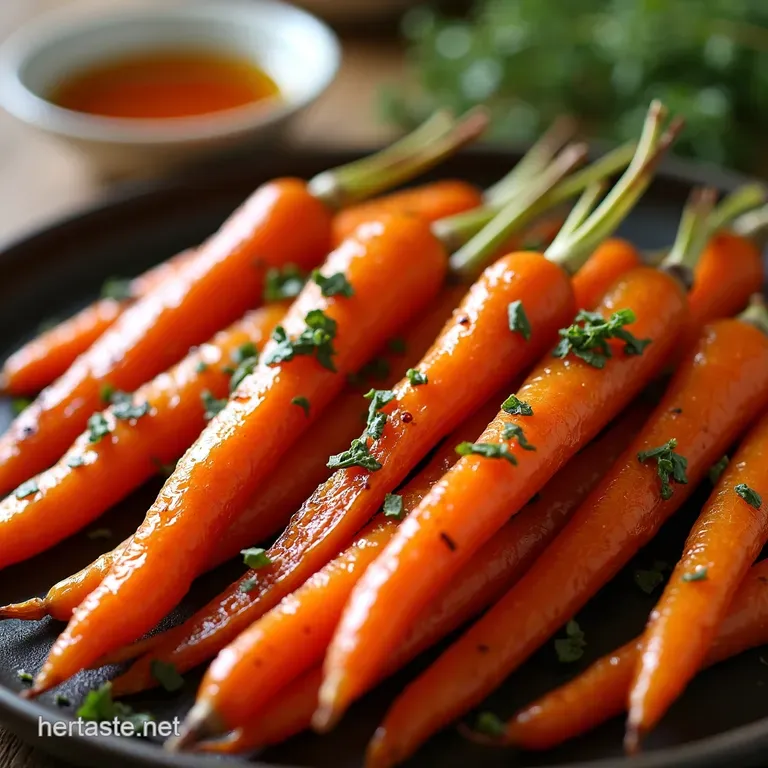
When a recipe hinges on just a handful of core ingredients, taking a moment to appreciate each one elevates the entire cooking experience. We want the final dish to be undeniably golden and sticky, indicative of properly cooked Honey Roasted Carrots .
Core Ingredients for the Golden Glaze
The heart of the glaze is, naturally, the honey. I highly recommend using a good quality, runny honey clover or wildflower are excellent choices. Avoid crystallized honey if possible, as it requires excessive heating to melt, which can degrade its delicate flavour profile.
Paired with this sweetness, we use a combination of unsalted butter for richness and olive oil for its lower smoking point, ensuring the glaze coats beautifully without scorching too quickly in the oven. Don't forget the fresh thyme; its slightly piney, earthy aroma prevents the glaze from becoming cloyingly sweet.
Essential Equipment for Flawless Roasting
While you can technically roast carrots on any old pan, using a large, sturdy baking sheet lined with parchment paper is crucial for this recipe. Parchment paper prevents sticking a significant concern when working with sticky glazes and makes cleanup virtually nonexistent.
Ensure your baking sheet is large enough that the carrots can spread out into a single layer, which is non-negotiable for achieving true roasting versus steaming.
Choosing Carrots: Selection and Prepping Tips
For optimal results in this Honey Roasted Carrots Recipe , select medium sized, firm carrots. Avoid overly thick carrots, as they will take significantly longer to tenderize, and very thin carrots, which risk burning before the centre is soft.
The prep work involves peeling them thoroughly and slicing them on a diagonal, aiming for pieces about one inch thick. Uniformity in size is the single most important factor for ensuring every single carrot finishes cooking at the exact same moment.
Related Recipes Worth Trying
- Sticky Quick Honey Garlic Lamb Chops with My FailProof Cast Iron Sear — Lets get cracking Try the ultimate Honey Garlic Lamb Chops with a gorgeous sticky Asian glaze This quick lamb chop dinner is panseared perfection in a cast...
- Homemade Nougat Bars My Oh My Goodness Honey Recipe — Craving chewy nutty Homemade Nougat Bars This honey nougat recipe is like a sophisticated Mars Bar upgrade Easy enough for a weeknight treat special enough...
- Sticky Garlicky HoneyGlazed Beef Cubes Your New Fave — Ready for the BEST Garlicky HoneyGlazed Beef Cubes These Asianglazed beef bites are sticky sweet savoury perfection Quick easy and totally addictive Get the...
The Seamless Method for Creating Ultra Flavorful Honey Roasted Carrots
This cooking process is designed to be straightforward, requiring minimal hands-on time once the prep work is complete. The oven does the heavy lifting, transforming simple ingredients into something truly memorable.
Achieving Maximum Surface Sizzle
The right preparation sets the stage for the ultimate caramelization that makes these Honey Roasted Carrots so addictive.
Preheating and Initial Carrot Tossing
Begin by setting your oven to a robust 400° F ( 200° C). This high temperature is necessary to quickly develop that appealing exterior crust. While the oven heats, toss your uniformly sliced carrots in a large bowl.
The goal here is simply to ensure they are dry enough to accept the glaze evenly a slight pat down with a clean cloth can help remove excess surface moisture.
Applying the Sweet Honey Thyme Coating
Next, prepare the glaze: gently melt two tablespoons of butter, then whisk it vigorously in a small bowl with three tablespoons of honey, one tablespoon of olive oil, the salt, pepper, and the teaspoon of fresh thyme leaves.
Pour this entire mixture over the carrots and toss meticulously until every surface gleams with the coating.
The Roasting Timeline: Timing is Everything
Spread the thoroughly coated carrots onto your parchment lined baking sheet in a single layer. If the tray looks crowded, use a second one this prevents steaming. Roast for 15 minutes. At this point, the honey will have begun to bubble and liquefy.
Carefully remove the tray, use a spatula to give the carrots a gentle stir, turning them over to expose new surfaces to the direct heat. Return them to the oven for another 15 to 20 minutes. They are done when a fork slides in easily and the edges are beautifully browned and slightly sticky.
Final Touch: Resting and Serving Instructions
Once perfectly tender and glazed, remove the Caramelized Carrots from the oven immediately. Transfer them to your serving dish right away; letting them sit on the hot tray can cause them to overcook slightly or stick to the parchment.
Serve them hot to best appreciate the sticky texture of the glaze.
Troubleshooting and Advanced Techniques for Your Side Dish
Even with an Easy recipe, slight adjustments sometimes need to be made based on your oven's temperament or carrot density. Knowing how to course correct ensures success every time you whip up these Honey Roasted Carrots .
Maximizing Flavor and Shelf Life
Once you have mastered the core technique, you can explore methods to enhance flavour stability or adapt the recipe for different culinary needs.
Avoiding the Soggy Pitfall: Essential Humidity Control
The number one reason roasted vegetables fail is steam, which is caused by overcrowding the pan. If your carrots seem to be steaming instead of browning (often appearing pale and wet after the initial roast), immediately spread them out further.
If they are already cooked but seem a bit soft, you can return the tray to the 400° F oven for a final 5 minutes, keeping a very close eye on them, to encourage any remaining surface moisture to evaporate and concentrate the glaze.
Creative Variations on the Honey Glaze Profile
While thyme is classic, feel free to experiment with other seasonings that complement the sweetness. Consider adding a small pinch of smoked paprika or a dash of apple cider vinegar to the glaze for depth.
If you plan on using these as a feature alongside spiced main courses, a tiny grating of fresh ginger stirred into the honey before tossing can provide an unexpected, vibrant warmth, making this a truly unique Carrot Side Dishes option.
Storage Methods for Leftover Roasted Goodness
Should you be fortunate enough to have leftovers of these delicious Honey Roasted Carrots , allow them to cool completely before storing. Transfer them to an airtight container and refrigerate. They will generally maintain good quality for up to three days.
To reheat, place them in a dry skillet over medium heat, tossing occasionally, to re-crisp the edges, or use a moderate oven setting. They reheat beautifully, retaining much of their sweet, tender structure.
Frequently Asked Questions
How do I stop my Honey Roasted Carrots from getting soggy instead of crispy?
The key, my friend, is airflow! Make sure you spread your carrots in a very thin, single layer on your baking sheet; never let them pile up. Piling them up traps steam, which is the enemy of crispiness. Also, roasting at a higher temperature (400°F or 200°C) helps burn off that moisture quickly.
Can I make Honey Roasted Carrots ahead of time, or do they store well?
They are best eaten fresh from the oven, much like a perfectly brewed cuppa! If you do have leftovers, store them in an airtight container in the fridge for up to three days. To revive them, reheat them in a moderate oven (about 350°F or 175°C) for 5 10 minutes rather than microwaving, which tends to make them a bit limp.
What’s the best way to ensure all the carrots cook evenly?
It all comes down to preparation think uniformity! Try to slice your carrots into pieces that are roughly the same thickness, using a diagonal cut as suggested. If you have very thick carrots, consider cutting them in half lengthwise first.
This ensures that you don't end up with some bits that are soft as anything and others still stubbornly crunchy.
I don't have fresh thyme; what spice variations work well with Honey Roasted Carrots?
No sweat, we’ve all been there when the herb rack is looking a bit bare! If you use dried thyme, stick to half the amount suggested. For a totally different flavour, try adding a pinch of ground ginger or a dash of cinnamon to the glaze for warmth, or even a bit of smoked paprika for a deeper, savoury note smashing with bacon bits if you’re feeling indulgent!
Are these Honey Roasted Carrots suitable for a vegan diet?
They are easily adaptable for a vegan spread, bless their hearts! The only non-vegan item is the butter, which you can swap directly for an equal volume of high-quality vegan butter block or simply use an extra tablespoon of olive oil. Maple syrup can also replace the honey for a fully plant based, sweet glaze.
Easy Honey Roasted Carrots
Ingredients:
Instructions:
Nutrition Facts:
| Calories | 652 kcal |
|---|---|
| Protein | 6.2 g |
| Fat | 47.1 g |
| Carbs | 45.2 g |
| Fiber | 15.9 g |
| Sodium | 9706 mg |
