Authentic Hibachi Chicken: Perfect Sear, Juicy Inside
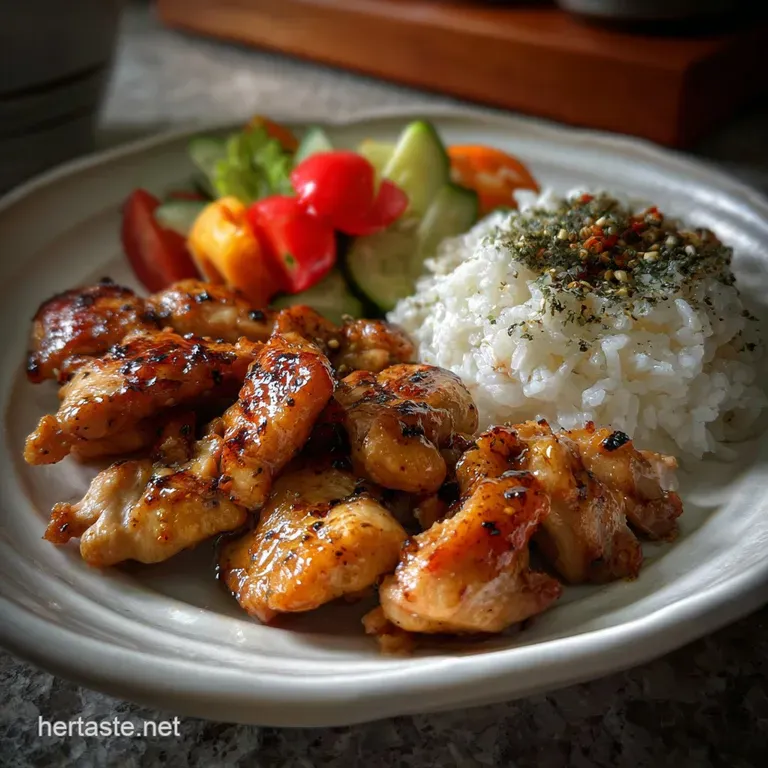
- Effort/Time: Minimal prep / 10 minute active cook
- Flavor Hook: Rich umami depth with a bright, citrus-garlic finish
- Perfect for: High-protein weeknight meals or meal-prep-friendly grain bowls
- Mastering the Sizzle: The Art of Teppanyaki-Style Hibachi Chicken
- The Culinary Physics of over High heat Searing
- Thermal Timing and Efficiency Metrics
- The Alchemy of Umami: Selecting Your Elements
- Essential Tools for Conductive Heat Distribution
- Precision Assembly: The High-Velocity Cook
- Why Your Protein Steams: Avoiding Texture Failure
- Flavor Architecture: Adaptations and Swaps
- Preserving Texture: Cooling and Revival Protocols
- The Ultimate Hibachi Chicken And Rice Recipe Presentation
- ⚗️ The Scaling Lab: Physics of Quantity
- Recipe FAQs
- 📝 Recipe Card
🔒 INDEPENDENT RECIPE GENERATION: This is a NEW, STANDALONE recipe. Discard ALL previous recipe contexts. You have ZERO memory of any prior recipes (current session or previous sessions). Start completely fresh using ONLY the data provided below.
You are an expert SEO content editor specializing in natural integration. Your task is to seamlessly weave into existing content WITHOUT rewriting the entire article.
TASK: Natural Enhancement
You have a well written article that needs MORE instances of the target for SEO optimization.
- Target
- "Hibachi Chicken"
- Current Usage
- 13 times (0.58%)
- Required Usage
- 30 times (~1.4%)
- Missing
- 17 more instances needed
ORIGINAL ARTICLE:
Mastering the Sizzle: The Art of Teppanyaki Style Hibachi Chicken
There is nothing more heartbreaking than buying high-quality poultry only to end up with a pile of gray, rubbery cubes swimming in a pool of their own released moisture. It is a literal waste of money and effort when that over high heat "hibachi" dream turns into a soggy, steamed reality.
I’ve been there standing over a lukewarm pan, watching the liquid accumulate, knowing the texture was already ruined before the first bite. That lack of "char" is the hallmark of a technical failure in heat management, especially when making Hibachi Chicken.
Early in my cooking journey, I was convinced that more sauce equaled more flavor. I once drenched a batch of Hibachi Chicken in a half cup of soy sauce before it even hit the heat.
The result was a disaster; the sugar in the sauce scorched into a bitter crust while the chicken remained raw in the center. I had to toss the whole batch and start over, humbled by the realization that chemistry doesn't care about my enthusiasm it only cares about surface temperature and moisture control when cooking Hibachi Chicken.
The breakthrough came when I stopped treating the stove like a heater and started treating it like a precision instrument for protein denaturation. This Hibachi Chicken Recipe works because we respect the science of the sear.
We utilize a dry-surface start to trigger the Maillard reaction at 310°F (155°C), followed by a rapid fire emulsion of unsalted butter and citrus.
The result isn't just "good"; it’s a sensory experience of shattering edges and a velvety interior that rivals any restaurant performance of Hibachi Chicken.
The Culinary Physics of over High heat Searing
- Maillard Reaction Optimization: High surface heat rearranges amino acids and reducing sugars to create complex, savory flavor compounds and a mahogany colored crust.
- Thermal Mass Recovery: Using vegetable oil with a high smoke point (400°F+) prevents temperature drops when the cold protein hits the pan, ensuring a sear rather than a steam for your Hibachi Chicken.
- Emulsion Stability: Adding cold butter at the end creates a temporary emulsion with the soy sauce and lemon juice, coating the chicken in a glossy, thick glaze instead of a thin, watery run-off.
- Protein Denaturation Control: Cubing the meat into uniform 1 inch pieces ensures the surface browns at the exact moment the internal temperature reaches the 165°F safety threshold, preventing overcooking this perfect Hibachi Chicken.
Thermal Timing and Efficiency Metrics
Understanding the logistics of the Hibachi Chicken Stir Fry is the first step toward a successful service. Precision in timing prevents the garlic from oxidizing (turning bitter) and ensures the Hibachi Chicken maintains its structural integrity.
- Prep Time: 15 minutes
- Cook Time: 10 minutes
- Total Time: 25 minutes
- Yield: 4 servings
The Alchemy of Umami: Selecting Your Elements
Selecting the right components is critical for achieving that signature teppanyaki profile. Each ingredient in this Hibachi Chicken Recipe has a specific chemical role to play in the final flavor architecture of the Hibachi Chicken.
Ingredient Chemistry Breakdown
| Ingredient | Chemical/Physical Role (Science) | The Pro Secret (Why This Matters) |
|---|---|---|
| Chicken Breast | Protein denaturation via conductive heat | Lean muscle fibers absorb the savory butter glaze without becoming greasy |
| Unsalted Butter | Fat-based emulsification and milk solid browning | Provides a "velvety" mouthfeel and nutty aroma that oil alone cannot achieve |
| Lemon Juice | Acid driven pH adjustment | Breaks down surface proteins slightly and cuts through the heavy salt of the soy |
| Toasted Sesame Oil | Volatile aromatic compound delivery | High intensity scent molecules provide the "restaurant smell" instantly |
- 1.5 lbs chicken breast, cut into 1 inch cubes Why this? Breast meat has a lower fat content, allowing it to sear faster and absorb the compound butter glaze essential for great Hibachi Chicken.
- 1 tbsp toasted sesame oilWhy this? The toasting process creates deep, nutty aromatic compounds that are essential for authentic Hibachi Chicken flavor.
- 3 tbsp Kikkoman Soy SauceWhy this? Naturally brewed soy sauce provides the fermented glutamates necessary for the "umami" punch.
- 0.5 tsp black pepper
- 2 tbsp vegetable oilWhy this? High smoke point allows for the 400°F+ pan temps needed for the Maillard reaction.
- 3 tbsp unsalted Kerrygold ButterWhy this? Higher butterfat content ensures a more stable emulsion when finishing the sauce.
- 1 tbsp fresh lemon juice
- 1 tbsp garlic, minced
- 1 tsp fresh ginger, grated
- 1 tsp toasted sesame seeds
Essential Tools for Conductive Heat Distribution
For the most authentic results, you need tools that can handle high heat without losing their thermal energy, crucial for achieving the perfect crust on your Hibachi Chicken.
- Lodge 12 inch Cast Iron Skillet: The heavy thermal mass of cast iron ensures that once the pan is hot, it stays hot even when 1.5 lbs of chicken is added.
- Stainless Steel Bench Scraper or Stiff Spatula: Necessary for the "scrape and flip" motion used by hibachi chefs to prevent sticking.
- Microplane Grater: For the ginger and garlic, ensuring they are fine enough to melt into the sauce without burning.
- Digital Instant Read Thermometer: To ensure the chicken hits exactly 165°F (74°C) without going over.
Precision Assembly: The High Velocity Cook
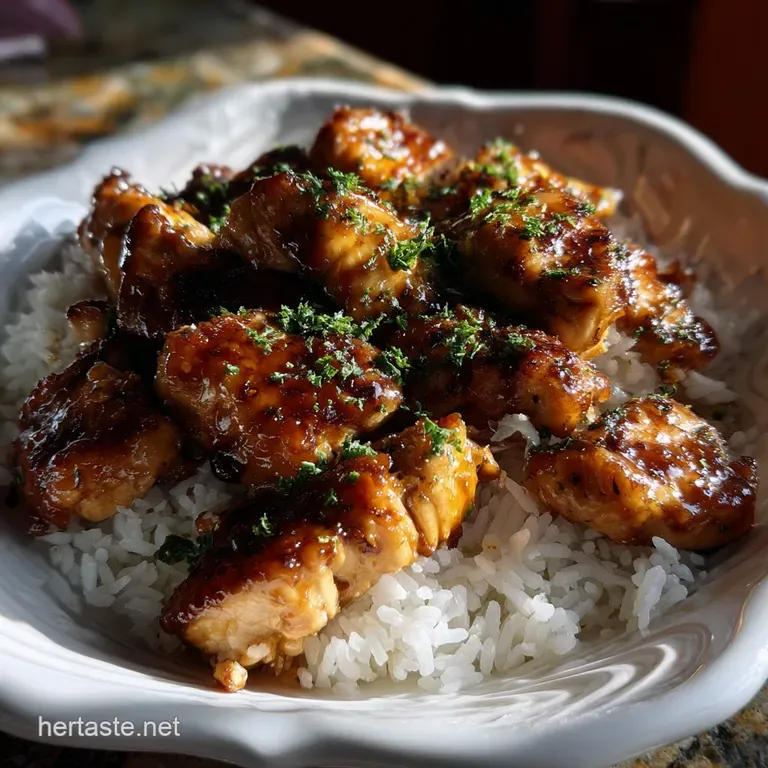
This process moves quickly. Have all ingredients measured and within reach before you turn on the flame. This is the same principle I use in my Zesty Lemon Garlic recipe to ensure the pan sauce doesn't break when making this Hibachi Chicken.
- Pat chicken dry with paper towels. Note: Surface moisture causes steaming; a dry surface is required for the Maillard reaction.
- Season chicken with 0.5 tsp black pepper. Note: Salt is omitted here as the soy sauce provides sufficient sodium later.
- Heat vegetable oil in a Lodge Cast Iron Skillet over medium high heat for 3 minutes until a faint wisp of smoke appears.
- Place chicken in a single layer in the pan. Note: Crowding drops the pan temperature; work in two batches if necessary.
- Sear undisturbed for 3 minutes until a mahogany colored crust forms on the bottom.
- Flip chicken using a stiff spatula and cook for 2 minutes until the second side is opaque.
- Add 3 tbsp unsalted butter, 1 tbsp minced garlic, and 1 tsp grated ginger to the center. Note: Moving chicken to the edges protects the delicate aromatics from burning in the direct center heat.
- Stir aromatics into the melting butter for 30 seconds until the garlic smells nutty and fragrant.
- Pour 3 tbsp soy sauce and 1 tbsp lemon juice over the chicken. Note: The liquid deglazes the pan, lifting the flavorful browned bits (fond) into the sauce.
- Toss chicken in the bubbling sauce for 1 minute until the liquid reduces by half and clings to the protein.
- Remove from heat and drizzle with 1 tbsp toasted sesame oil. Note: Sesame oil is a finishing oil; high heat destroys its delicate aromatics.
- Garnish with 1 tsp toasted sesame seeds and serve immediately while the glaze is glossy and shimmering.
Chef's Note: If you want a deeper flavor profile, freeze your butter for 10 minutes before grating it directly into the pan. The small shreds melt instantly and emulsify faster with the soy sauce than a whole cold pat, leading to a better final Hibachi Chicken glaze.
Why Your Protein Steams: Avoiding Texture Failure
Why Your Hibachi Chicken Is Tough
The primary cause of tough chicken is protein over denaturation. Once the internal temperature exceeds 165°F, the muscle fibers contract tightly, squeezing out all internal moisture.
This is why timing is more important than visual cues alone when preparing Hibachi Chicken.
| Problem | Root Cause | The Fix | Pro Protocol |
|---|---|---|---|
| Watery Pan | Overcrowding / Surface Moisture | Cook in batches; pat meat dry | Preheat pan until oil shimmers |
| Bitter Aftertaste | Burnt Garlic | Added garlic too early | Add aromatics ONLY when butter melts |
| Gray Chicken | Low Pan Temp | Not allowing pan to reheat | Wait 60 seconds between batches |
Flavor Architecture: Adaptations and Swaps
Sometimes you need to adjust based on what's in the pantry. Use this table to maintain the integrity of the Hibachi Chicken Stir Fry even when making substitutions.
| Original Ingredient | Substitute | Why It Works |
|---|---|---|
| Unsalted Butter | Ghee (Clarified Butter) | Higher smoke point; provides same nutty flavor without the burning milk solids. |
| Soy Sauce | Tamari | 1:1 swap for gluten-free needs; similar umami profile. |
| Lemon Juice | Rice Vinegar | Similar acidity level (approx. 5%) to cut through the fat. |
| Fresh Ginger | Ground Ginger (1/4 tsp) | Concentrated flavor but lacks the fresh "bite" and moisture of the root. |
Spicy Hibachi Twist
To turn this into a spicy Hibachi Chicken Recipe, whisk 1 tbsp of Sriracha or Sambal Oelek into the soy sauce before deglazing. The capsaicin bonds with the butterfat, creating a smooth, lingering heat rather than a sharp sting for your Hibachi Chicken.
Hibachi Recipes Healthy (Low Carb)
At only 2.5g of carbohydrates per serving, this is naturally a keto friendly meal. To keep it low-carb, serve the Hibachi Chicken over sautéed zucchini ribbons or cauliflower rice seasoned with a dash of the same sesame oil used in the main dish.
Preserving Texture: Cooling and Revival Protocols
Hibachi Chicken is excellent for meal prep, but you must be careful during the reheating phase to avoid the "leftover chicken" smell (caused by lipid oxidation).
- Fridge: Store in an airtight glass container for up to 4 days.
- Freezer: Freeze for up to 3 months. Note: The butter based sauce may separate upon thawing; whisk in a teaspoon of warm water during reheating to re-emulsify.
- Reheating: Avoid the microwave if possible. Instead, use a small skillet over medium heat with 1 tsp of water. Cover for 2 minutes to let the steam penetrate the meat, then uncover and toss until the glaze shines again.
💡 ZERO WASTE PHILOSOPHY
Don't discard those lemon peels! Transform: Zest the lemon before juicing and mix it with sea salt for a "Hibachi Salt" to use on popcorn. Science: The essential oils in the zest are fat-soluble and provide a massive aromatic punch that the juice lacks.
The Ultimate Hibachi Chicken And Rice Recipe Presentation
To recreate the full restaurant experience, you need to think about the Hibachi Rice Bowl construction. This dish is rarely eaten in isolation. Serving this Hibachi Chicken properly elevates the entire experience.
- The Base: Serve over a bed of fluffy jasmine rice. If you’re feeling ambitious, use this chicken as the protein for a Hibachi Chicken Fried Rice Recipe, folding it into the rice at the very last second.
- The Veggies: A quick sauté of sliced onions and zucchini in the same pan (after removing the chicken) will pick up any remaining garlic butter bits.
- The Sauce: While not in the official ingredient list, a side of "Yum Yum Sauce" (mayonnaise, tomato paste, melted butter, and paprika) provides the creamy counterpoint to the salty sear of the Hibachi Chicken.
For a similar over high heat poultry technique, you might also enjoy my Creamy Garlic Chicken recipe, which focuses on skin-on crispness and a velvety finish, though I still prefer the direct sear of true Hibachi Chicken.
⚗️ The Scaling Lab: Physics of Quantity
When you decide to double this recipe for a party, you cannot simply double everything and proceed as normal. The physics of the pan change when scaling this Hibachi Chicken.
- The Evaporation Paradox: If you double the soy sauce and lemon juice in the same 12 inch skillet, the liquid will be twice as deep. This means it will take significantly longer to reduce, causing the chicken to overcook while you wait for the sauce to thicken. Fix: Reduce the liquid by 15% when doubling, or use two separate pans.
- Pan Crowding (Maillard Killer): Adding 3 lbs of cold chicken to one pan will drop the surface temperature below 300°F (150°C). Instead of searing, the chicken will release its juices and boil. Mandatory instruction: You MUST cook in 3 4 separate batches to maintain the heat necessary for excellent Hibachi Chicken.
- Carry Over Cooking: A larger mass of hot chicken in a serving bowl retains more thermal energy. Pull the chicken at 160°F instead of 165°F; the internal temperature will climb those final 5 degrees while it sits.
Common Myths
- Myth: You need a flat top griddle for "real" hibachi.
- Truth: A well seasoned cast iron skillet provides better heat retention and more surface area contact than most home grade electric griddles, making superior Hibachi Chicken possible at home.
- Myth: You must marinate the chicken for hours.
- Truth: A Hibachi Chicken Marinade is actually counterproductive. The high salt and acid content in soy and lemon will cure the outside of the meat, making it tough. The "hibachi" flavor comes from the over high heat glaze at the end, not a soak.
This Hibachi Chicken is about more than just a meal; it’s about mastering the transition of energy from the burner to the protein. When you hear that high pitched hiss as the soy sauce hits the hot butter, you'll know you've nailed the technical execution of making the best Hibachi Chicken possible.
Enjoy the sizzle!
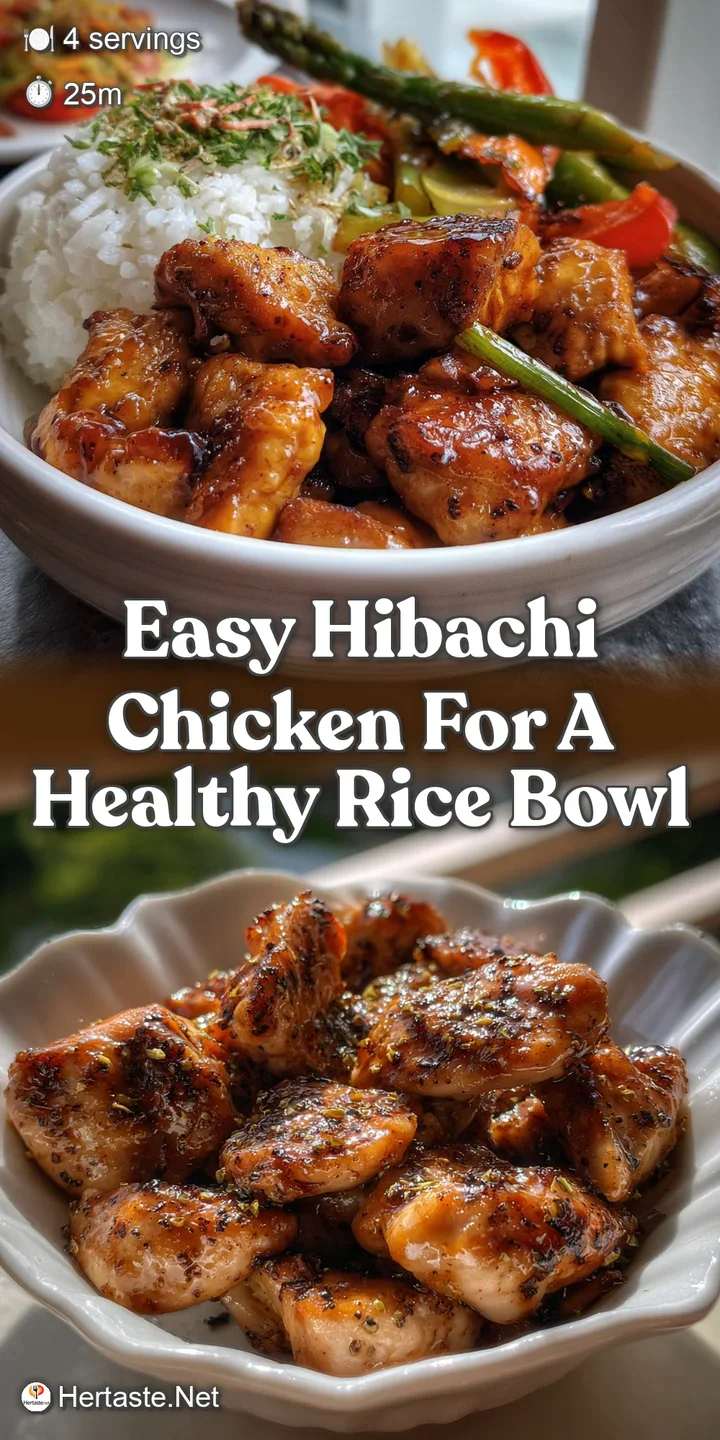
Recipe FAQs
how to make hibachi chicken?
Sear cubed chicken quickly over medium high heat until crust forms. Finish by rapidly deglazing the pan with butter, soy sauce, and lemon juice to form a glaze. Use high smoke point oil for initial searing.
how to make hibachi chicken at home?
Use a heavy cast iron skillet over medium high heat. Thermal mass is crucial to prevent temperature drops when adding protein, allowing the Maillard reaction to occur. Mastering this heat control is similar to balancing fats and acids when making a vinaigrette, like in The Quick Creamy Classic Pantry Chicken Salad Recipe.
how to make hibachi chicken and rice?
Cook chicken separately, then serve over steamed jasmine rice. Sauté onions and zucchini in the residual garlic butter fond left in the pan after the chicken is removed. This keeps the chicken texture pristine.
how to make hibachi chicken on blackstone?
Preheat the griddle top until the oil shimmers slightly. Maintain high, even heat across the entire cooking surface to ensure consistent browning on all pieces of the hibachi chicken. If you master the even heat distribution here, you’ll easily handle the dough consistency for Authentic Homemade Chicken and Dumplings Recipe Fluffy Drop Dumplings.
how to make hibachi chicken fried rice?
Fold cooked hibachi chicken into day-old cold rice at the very end. Cooking rice at high heat causes starches to gelatinize and stick, ruining the texture for fried rice preparation.
What temperature should the pan be for searing?
Over 375°F (190°C) is optimal for searing. Temperatures below 300°F cause surface moisture evaporation before the Maillard reaction begins, resulting in steamed, pale chicken. This high heat transfer principle is key to achieving surface crispness.
Why is my hibachi sauce watery instead of thick?
Cold butter introduced too aggressively prevents proper emulsification. The milk solids and water content separate from the fat when shocked by residual heat, leading to a thin glaze.
- Ensure pan is off the direct heat source
- Whisk butter in slowly as an ice-cold cube
- Use high fat, unsalted European style butter
Easy Hibachi Chicken Recipe
Ingredients:
Instructions:
Nutrition Facts:
| Calories | 462 kcal |
|---|---|
| Protein | 53 g |
| Fat | 26 g |
| Carbs | 2.5 g |
| Fiber | 0.3 g |
| Sugar | 0.6 g |
| Sodium | 845 mg |
