Eggless Peanut Butter Cookies: Cracking Good Recipe
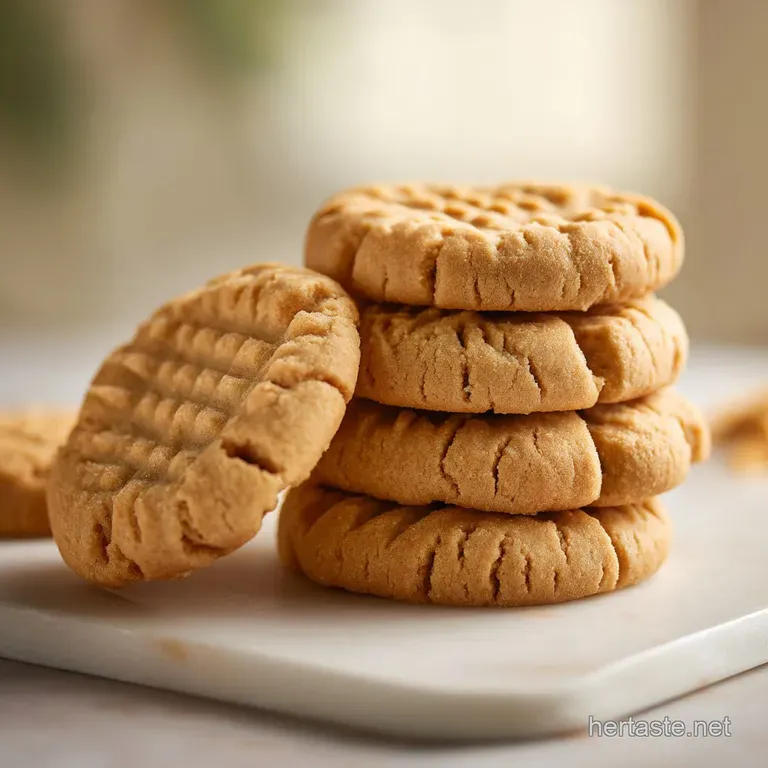
- The Definitive Guide to Eggless Peanut Butter Perfection
- The Science of Structure: How We Replace the Egg for a Perfect Chewy Bake
- Essential Pantry Staples for Your Peanut Butter Dough
- The Step-by-Step Method for Cracking Good Eggless Peanut Butter Cookies
- Expert Tips and Troubleshooting Common Baking Errors
- Storing and Freezing Your Baked Peanut Butter Treats
- Perfect Pairings and Presentation Ideas
- Recipe FAQs
- 📝 Recipe Card
The Definitive Guide to Eggless Peanut Butter Perfection
The smell alone is a hug, isn't it? That deep, comforting cloud of roasted peanuts and sweet, caramelized sugar filling your kitchen honestly, nothing beats it. If you’ve ever craved that classic, deeply ridged treat but needed to skip the eggs, you are about to meet your new best friend.
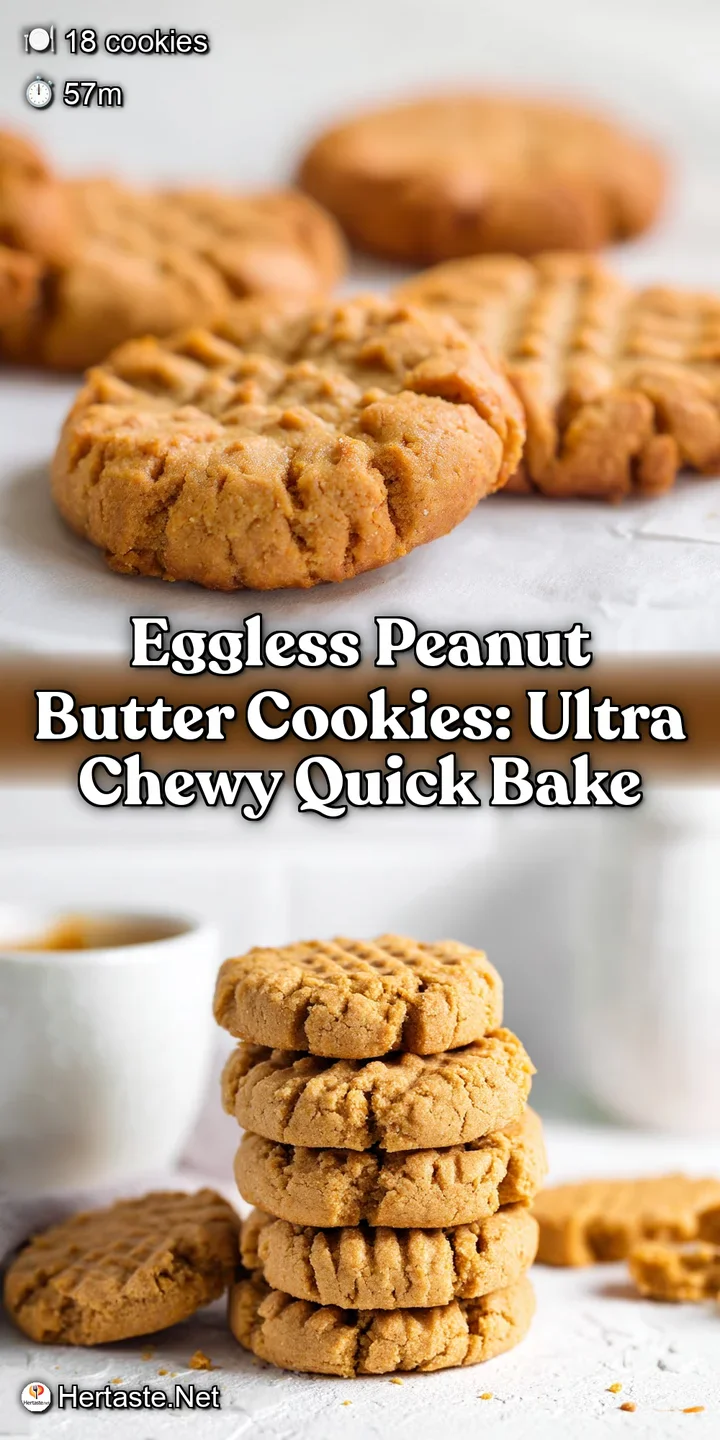
This recipe for eggless peanut butter cookies delivers everything you want: soft centers, chewy edges, and that distinct, nostalgic flavor profile. Trust me, these are truly the best!
This specific method is a total lifesaver, especially when you open the fridge only to find you're short on eggs, or maybe you're baking for a friend with an allergy. They come together in a flash, are gloriously cheap to make, and require zero fancy ingredients.
We bypass complicated egg replacers entirely, relying on clever fat and liquid ratios to create structure. You are going to be shocked by how chewy and perfect these eggless peanut butter cookies turn out every single time.
So, ditch the complicated alternatives and the sad, crumbly cookies of the past. We’re going back to basics with a foolproof formula that guarantees a perfect bake, resulting in truly magnificent eggless peanut butter cookies . Get your mixer ready; we are making magic happen.
The Science of Structure: How We Replace the Egg for a Perfect Chewy Bake
When you take the egg out of a cookie recipe, things get dicey quickly. Eggs provide crucial emulsification and lift, meaning without them, your cookies risk spreading into sad, oily puddles or becoming dry, sandy discs.
The secret to great chewy eggless peanut butter cookies is recognizing the job the egg was doing and replicating that structure using other, readily available ingredients.
Beyond the Basic Bake: Why This Egg-Free Method Excels
Traditional eggless cookies often rely on applesauce or flax eggs, which can sometimes mute the peanut butter flavor or lead to a slightly gummy texture. This recipe throws all that out the window.
We increase the ratio of moisture (a little milk, or even water works!) and rely heavily on the peanut butter itself to provide the necessary fat and protein structure. By using just two tablespoons of milk, we bind the dry ingredients without introducing a flavor change, ensuring we get truly authentic tasting eggless peanut butter cookies .
Effortless Baking: What Makes This Recipe So Quick and Easy?
Seriously, the hardest part of making these is waiting for the oven to preheat. The use of a standard creaming method (mixing butter and sugars first) ensures even lift and aeration, which is key to light and airy, yet soft eggless peanut butter cookies .
Because we skip the step of whisking eggs, the mixing process is faster, simpler, and less prone to user error. This is a brilliant beginner recipe, perfect for that sudden late night craving.
The Proper Peanut: Achieving That Classic Deeply Nutty Flavor
We’re not messing around here; the quality of your peanut butter directly translates to the quality of your finished cookie. We use standard, processed, smooth peanut butter (think Jif or Skippy) because the stabilized fats and added sugars give us reliable consistency.
Natural, oil-separated peanut butter is gorgeous, but it can lead to overly oily and unpredictable eggless peanut butter cookies . Stick to the creamy, shelf stable stuff for this specific bake, especially if you want a reliable result.
The Role of Fat: Balancing Peanut Butter and Butter Ratios
The balance of the fats is paramount. Peanut butter is fat, yes, but it’s also protein and solids. We need that full half cup of softened butter to introduce enough air when creaming the sugars.
This aeration ensures the cookies lift instead of collapsing, giving these easy eggless peanut butter cookies their perfect height and chewiness.
Texture Secrets: Ensuring a Chewy, Not Crumbly, Finish
Brown sugar is your texture hero here. We use an equal measure of brown and granulated sugar. The molasses in the brown sugar is hydrophilic (it loves water!), locking in moisture and ensuring the finished eggless peanut butter cookies stay beautifully soft and chewy for days.
Skip the brown sugar and you risk dry, brittle results.
The Magic of Moisture: Hydration Ratios for Reliable Dough
When making no egg peanut butter cookies , you need a small amount of external liquid to activate the flour and hold everything together in the absence of egg protein. We use milk (dairy or plant based) in a very small amount.
It acts as the binder, preventing the dough from being too crumbly, which is a common issue with many quick peanut butter cookies .
Essential Pantry Staples for Your Peanut Butter Dough
Getting the ingredients right is half the battle, especially when you’re attempting truly great eggless peanut butter cookies . Measure everything accurately, and remember my little tip about weighing the flour if you can it changes everything!
Choosing Your Peanut Butter: Creamy vs. Natural Considerations
| Type of Peanut Butter | Result in Cookies | Recommendation |
|---|---|---|
| Standard/Stabilized | Reliable shape, consistent texture, intense flavor. | HIGHLY RECOMMENDED for these specific eggless peanut butter cookies . |
| Natural/Oil-Separated | Oiler dough, often leads to thinner, greasier cookies. | Avoid for this recipe unless you blot the oil thoroughly. |
Optimizing the Cookie Spread: Butter, Margarine, or Shortening?
I prefer unsalted butter because the flavor is unmatched, but if you need a non-dairy option, vegetable shortening or high-quality vegan butter blocks work beautifully. Shortening tends to keep cookies slightly thicker, resulting in super soft eggless peanut butter cookies , while butter offers superior flavor.
Just ensure whatever you use is genuinely softened to room temperature before creaming.
Flour Power: Measuring Dry Ingredients Accurately
I cannot stress this enough: too much flour leads to crumbly, dry eggless peanut butter cookies . When using volume measurements (cups), spoon the flour lightly into the cup, then level it off with a knife. Never scoop straight from the bag; you compact the flour and end up adding 25% too much!
Key Ingredient Swaps: Making These Cookies dairy-free or Gluten Friendly
Chef’s Note: Making simple ingredient swaps doesn't mean sacrificing quality. These adjustments are easy and maintain the delicious nature of your eggless peanut butter cookies .
| Ingredient | Substitute | Impact |
|---|---|---|
| Dairy Butter | Vegan Butter or Solid Shortening | Slight texture change (may spread less). |
| Whole Milk | Any Plant Milk (Oat/Almond) | None. Used solely for binding moisture. |
| All-Purpose Flour | 1:1 gluten-free Baking Blend | May need 1 tsp extra liquid. |
We even use these same principles for binding when making our Eggless Cookies: The Best Chewy Chocolate Chip Recipe — it's a technique that truly works for all eggless cookies .
The step-by-step Method for Cracking Good Eggless Peanut Butter Cookies
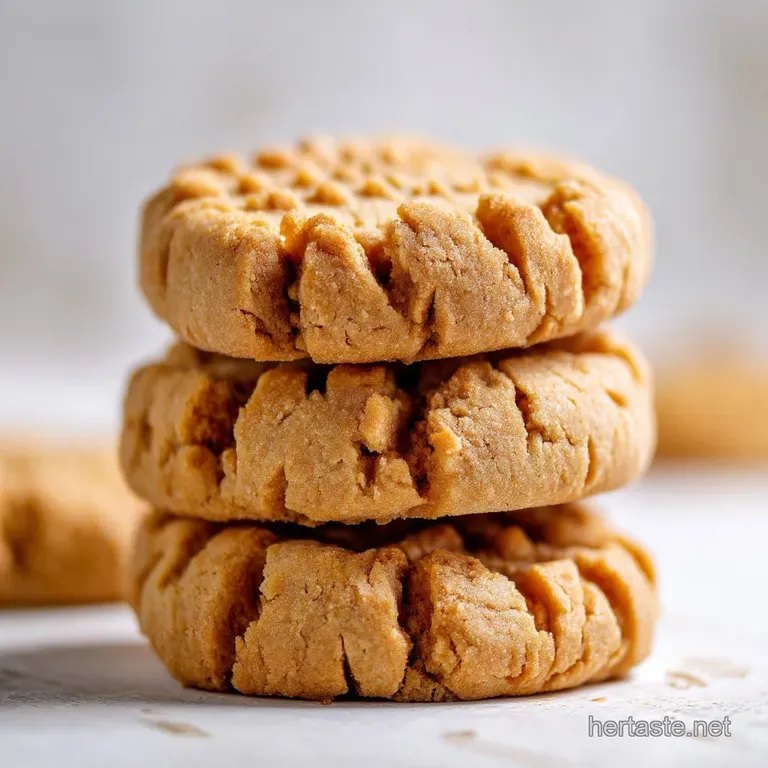
This process is straightforward, but attention to temperature and timing is key to mastering these perfect eggless peanut butter cookies . Follow along precisely, and you’ll be rewarded!
Step 1: Creaming the Fats and Sugars for Maximum Volume
First things first: preheat the oven to 350°F (175°C) and line two baking sheets with parchment paper. In your mixing bowl, combine the softened butter, brown sugar, and granulated sugar.
Beat them on medium high speed for a good 2 to 3 minutes until the mixture looks light, fluffy, and significantly paler. This is called 'creaming' and it traps tiny air bubbles that will give your soft eggless peanut butter cookies their structure.
Next, beat in the peanut butter until smooth. Finally, add the milk and vanilla, mixing just until incorporated.
Step 2: Incorporating the Dry Ingredients Without Overmixing
In a separate bowl, whisk together the flour, baking soda, and salt. Turn your mixer down to the lowest speed. Add the dry ingredients gradually, mixing only until just combined. The moment you see no more streaks of white flour, stop.
Overmixing develops the gluten in the flour, which results in tough, dense eggless peanut butter cookies. I once overmixed a batch and they came out like hockey pucks lesson learned!
Step 3: Forming the Dough Balls and Creating the Signature Crisscross
Cover the dough and refrigerate for 30 minutes. Trust me, the wait is worth it for perfectly formed chewy eggless peanut butter cookies . Once chilled, use a 2 Tbsp scoop to portion the dough, then roll it smoothly between your palms.
If you like a sparkly finish, roll the dough balls in extra granulated sugar now. Place them on the baking sheet and use a fork to press the classic criss cross pattern. This slightly flattens the dough, ensuring even cooking and that signature look of the perfect eggless peanut butter cookies .
Step 4: Mastering the Bake Time for Soft Centers and Golden Edges
Bake for 10 to 12 minutes. You are looking for edges that are set and lightly golden, while the center still looks slightly soft or underbaked. This is the secret to wonderfully soft eggless peanut butter cookies !
Remove them from the oven and here’s the crucial part: DO NOT MOVE THEM. Allow them to cool and firm up on the hot baking sheet for 5 minutes before transferring them to a wire rack to finish cooling. If you move them too early, they will simply fall apart.
Expert Tips and Troubleshooting Common Baking Errors
Even with the best recipe for eggless peanut butter cookies , things can sometimes go sideways. Here’s how to save the day and guarantee perfection every single time.
Why Dough Chilling Is Non-Negotiable for Cookie Structure
When you bake without eggs, the fat content of the butter and peanut butter is the primary structure support. If the fats are warm, they melt too quickly in the oven, causing massive spreading. Chilling the dough solidifies those fats.
The 30 minutes in the fridge ensures your eggless peanut butter cookies hold their shape and stay thick and chewy. If you try to skip this step, expect flat discs.
Preventing Flat Cookies: The Secret to High Centers
Flat cookies usually boil down to one of two things: warm dough (see above!) or softened butter that was too warm. Your butter should be pliable, but still slightly cool to the touch.
If you live somewhere hot, try popping the cookie sheets (with the dough balls ready) back in the fridge for 10 minutes right before they go into the hot oven. This temperature shock helps maintain the height of these easy eggless peanut butter cookies .
Dealing with Crumbly Dough: Quick Fixes and Adjustments
If your dough feels dry or crumbly after mixing, it’s usually because you measured too much flour, or perhaps your peanut butter was on the drier side. The fix is simple: add liquid, half a teaspoon at a time, until the dough comes together easily without sticking to your hands.
You want it pliable, perfect for rolling out those chewy eggless peanut butter cookies .
Storing and Freezing Your Baked Peanut Butter Treats
Baked cookies are great, but being able to grab raw peanut butter cookie dough from the freezer? That’s true convenience. Here’s how to keep them fresh.
Best Practices for Short Term Freshness
Once your eggless peanut butter cookies are completely cool, store them in an airtight container at room temperature. They will stay wonderfully soft for about 3 to 4 days. If they start to feel a little tough, throw half a slice of bread into the container overnight.
The cookies will absorb moisture from the bread, softening them right back up!
Freezing Options: Raw Dough vs. Fully Baked Cookies
I highly recommend freezing the raw dough. Scoop and roll the dough balls, flatten them with the fork (criss cross), and then arrange them on a parchment lined tray. Freeze until solid, then transfer the solid portions to a freezer bag or container. They last beautifully for up to 3 months.
When the craving for eggless peanut butter cookies hits, bake them directly from frozen, adding 2– 3 minutes to the total baking time.
You can also freeze fully baked soft eggless peanut butter cookies ; just ensure they are fully cooled before freezing, and thaw them overnight at room temperature.
Perfect Pairings and Presentation Ideas
Ideal Drinks: What to Serve Alongside Nutty Cookies
The classic pairing, of course, is a tall glass of cold milk the perfect counterpoint to the rich, salty sweetness of the eggless peanut butter cookies . For a sophisticated twist, try serving them alongside a strong coffee or an espresso. If you want to elevate the dessert experience, they are absolutely divine with a drizzle of our White Chocolate Frosting: Silky Swiss Meringue Buttercream for a super rich, decadent treat.
Making these easy eggless peanut butter cookies isn't just baking; it’s creating a moment of pure comfort. They are so satisfying, so rich, and so reliable. Enjoy every last crumb!
Now go grab your ingredients and make the very best batch of eggless peanut butter cookies you’ve ever tasted. You deserve it!
Recipe FAQs
Why did my eggless cookies spread too much?
Excessive spreading often happens if your butter was too soft or the dough was not sufficiently chilled. Ensure you use cold or slightly softened butter (not melted) and chill the shaped dough balls for at least 30 minutes before baking. Warmer dough melts faster, causing premature spreading in the oven.
What ingredient is replacing the structure normally provided by the egg?
In many rich, eggless cookie recipes, the high fat content and natural emulsifiers found in peanut butter act as sufficient binding agents. We also compensate by ensuring the correct ratios of flour and often a slight increase in liquid fat (butter) to provide the necessary structure and moisture for a chewy texture.
Can I use natural (runny) peanut butter for this recipe?
It is strongly advised against using natural, oil-separated peanut butter. These varieties have a much higher oil content and less stabilized structure, which will result in greasy, flat, and overly fragile cookies. Always use standard, processed, shelf stable creamy peanut butter for reliable baking results.
Can I make these eggless peanut butter cookies fully vegan?
Yes, this recipe is easily adapted to be fully vegan. Simply substitute the dairy butter with a solid, high-quality vegan butter stick, ensuring it has a fat content similar to standard butter. Also, check that any granulated sugars used are certified vegan, as some brands process them with bone char.
How should I store leftover cookies to maintain freshness?
Store the completely cooled cookies in an airtight container at room temperature for up to five days. If you find the cookies hardening, you can place a half slice of bread in the container overnight, which will help transfer moisture back into the cookies.
My baked cookies look dry and crumbly; what went wrong?
This is usually the result of over baking or using too much flour. Ensure you measure your flour accurately using the spoon and-level method, and remove the cookies from the oven when the edges are golden but the centers still look slightly pale and soft. They will continue to set on the hot baking sheet.
Can I freeze the unbaked dough for later use?
Absolutely. Scoop and shape the dough balls as directed, place them on a baking sheet, and freeze until solid. Once frozen, transfer them to a resealable freezer bag and store for up to three months; bake straight from frozen, adding 2 4 minutes to the usual baking time.
Easy Eggless Peanut Butter Cookies
Ingredients:
Instructions:
Nutrition Facts:
| Calories | 79 kcal |
|---|---|
| Protein | 2.0 g |
| Fat | 4.0 g |
| Carbs | 10.0 g |
