Convection Oven Recipes: Crispy Herb Chicken Roast
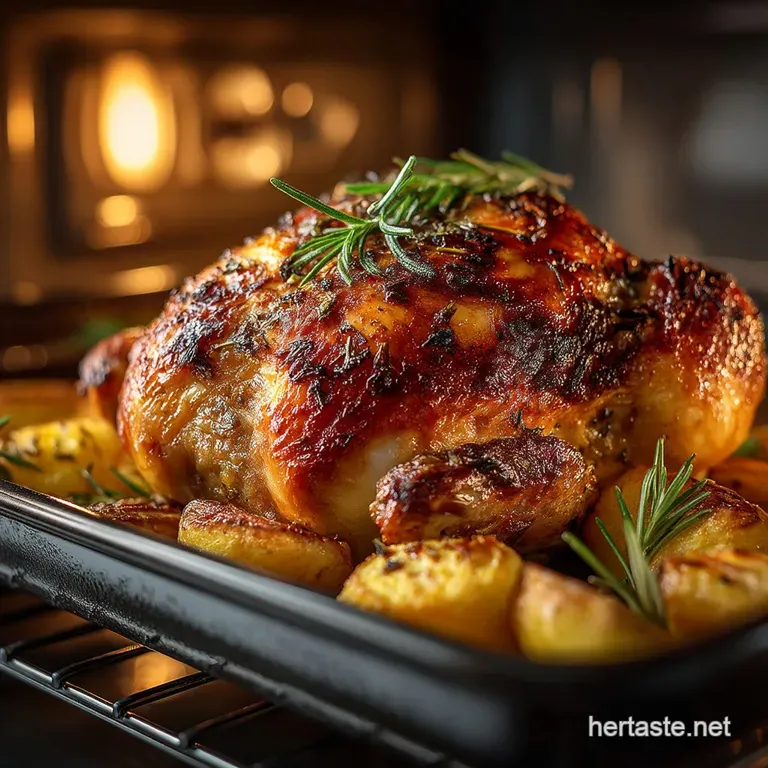
- The Sunday Best Bird: Mastering the Convection Roast
- The Science of Convection Crispness: Why Air Flow Matters
- Gather Your Supplies: Essential Ingredients for the Herb Chicken and Autumnal Vegetables
- Method: A Convection Guide to a Flawless, Single-Tray Dinner
- Troubleshooting Your Roast: Expert Tips for Convection Cooking
- Extending the Feast: Storage, Reheating, and Repurposing Leftovers
- Pairing Your Centerpiece: The Best Sides and Sauces for Convection-Roasted Dishes
- Recipe FAQs
- 📝 Recipe Card
The Sunday Best Bird: Mastering the Convection Roast
I swear, the sound of the skin crackling when you slice into a perfectly roasted bird is better than any podcast. It’s the ultimate payoff for Sunday dinner efforts, right? That aroma of garlic, rosemary, and caramelized root vegetables hitting you the moment you open the oven door pure magic.
If you’ve ever struggled to get that perfect, even, shatteringly crisp skin, you need this recipe, because mastering Convection Oven Recipes completely changed my game. This method guarantees a glorious centerpiece that looks complicated but is surprisingly simple.
Why bother with complicated steps when you can throw everything into one pan? This recipe is a genuine lifesaver because the convection fan slices the cooking time dramatically and ensures everything cooks evenly.
It's fast, relatively cheap, and produces the kind of tender meat and crisp vegetables that make you feel like a kitchen deity. Forget soggy bottoms and dry breast meat; we’re using technology to nail the texture every time.
We are diving deep into the technical side of the fan setting today, moving beyond basic sheet pan bakes. This comprehensive guide will walk you through the precise steps, temperatures, and timing required to transform a simple bird and some root veg into one of the best Convection Oven Recipes you will ever make.
Trust me, once you nail this technique, you’ll never go back to standard roasting.
The Science of Convection Crispness: Why Air Flow Matters
When you activate the convection setting, you turn on a fan that circulates the heated air continuously around the food. This isn't just about speed; it's about uniformity. Standard ovens have hot and cold spots, forcing you to rotate pans constantly.
Convection eliminates that nonsense, ensuring every square inch of your roast is exposed to the same temperature at the same time.
What Makes Convection Roasting Superior for Poultry?
The moving air rapidly strips moisture away from the surface of the chicken skin, which is exactly what we want for superior crispness. Think of it like a turbo charged hairdryer focused entirely on browning your meal.
Because the heat transfer is so efficient, you typically need to lower the temperature by 25°F (about 15°C) from what traditional Convection Oven Recipes might call for, otherwise, the outside will burn before the interior is done.
Achieving the Trifecta: Crisp Skin, Juicy Meat, and Perfectly Roasted Vegetables
The key to achieving this perfect trifecta lies in the rack placement and the timing of the vegetables. We use a rack to lift the bird, allowing the hot air to hit the underside, and we rely on that amazing herb butter under the skin to keep the breast meat moist while the high convection heat works its magic on the exterior.
This approach is fundamental to all successful Convection Oven Recipes .
Prepping Your Convection Oven for Success
Before you even think about seasoning, ensure your oven is clean and preheated fully. The fan needs to be operating efficiently. If your oven has a "true convection" setting (which uses a third heating element near the fan), use it.
If you only have "standard convection," that’s fine too just remember to stick to the reduced temperature of 375°F (190°C) as listed in many successful Convection Oven Recipes .
The Maillard Reaction Accelerator: Turbo Charging the Browning Process
The Maillard reaction is that glorious chemical process responsible for browning and flavor development. In a convection oven, this reaction happens faster and more intensely because the circulating air prevents a boundary layer of cool, moist air from settling on the surface of your roast.
This turbo charging effect is why Convection Oven Recipes often result in food that looks and tastes deeper and more complexly roasted.
Maintaining Moisture: How Even Heat Prevents Dryness
Paradoxically, while convection dries out the skin for crispness, the even heat helps maintain internal juiciness. Because the heat penetrates evenly and quickly, the center reaches the safe internal temperature (165°F / 74°C) without the outer layers having to overcook and seize up.
This precise temperature control is a major benefit when you’re comparing convection versus conventional methods in your favorite Convection Oven Recipes .
Temperature Calibration: Adjusting Cook Times for Convection Efficiency
Here is the rule I live by: When adapting a conventional recipe, drop the temperature by 25°F and reduce the overall cook time by about 25%. For this specific bird, we are skipping the traditional 400°F (200°C) setting and going straight to 375°F (190°C) on convection.
This ensures the vegetables don't turn into charcoal while the chicken finishes cooking. Learning these subtle adjustments is crucial for maximizing the potential of Convection Oven Recipes .
Gather Your Supplies: Essential Ingredients for the Herb Chicken and Autumnal Vegetables
This isn’t just about slathering butter on a bird; it's about building layers of flavor. We use a powerful herb blend that melts directly into the meat, ensuring every bite is succulent.
The Essential Herb Rub: Maximizing Flavor Penetration
I used to just rub dried herbs on the outside. Mistake! They burn before the skin crisps. Now I rely on compound butter fresh rosemary, thyme, garlic, and lemon zest shoved right under the skin.
This insulates the meat, adds massive flavor, and prevents the herbs from scorching in the high speed convection environment. This method is the foundation for truly memorable Convection Oven Recipes .
Choosing Your Root Vegetables (Potatoes, Carrots, etc.) for High Heat Roasting
The best vegetables for convection roasting are hardy root vegetables potatoes (Russet or Yukon Gold), carrots, and parsnips. They hold up beautifully to the high, dry heat. Cut them roughly the same size so they cook evenly. Adding a large, quartered onion provides a lovely sweetness and caramelization.
Ingredient Swaps and Adaptations for Dietary Needs
Flexibility is essential in the kitchen! If you’re out of something, don't panic. Here are my go-to swaps when tackling Convection Oven Recipes :
| If You Need... | Substitute With... |
|---|---|
| Unsalted Butter | Ghee or Duck Fat (for dairy-free) |
| Fresh Rosemary/Thyme | 1 Tbsp Dried Italian Seasoning Blend |
| Grapeseed/Canola Oil | Melted Coconut Oil (neutral flavor) |
| Parsnips | Butternut Squash or Sweet Potatoes |
Chef’s Note: If you need a good substitute for the standard butter, mixing quality olive oil with nutritional yeast and using that as your rub will still give you a rich, deeply flavored skin and satisfy any dairy-free requirements for these great Convection Oven Recipes .
Method: A Convection Guide to a Flawless, Single Tray Dinner
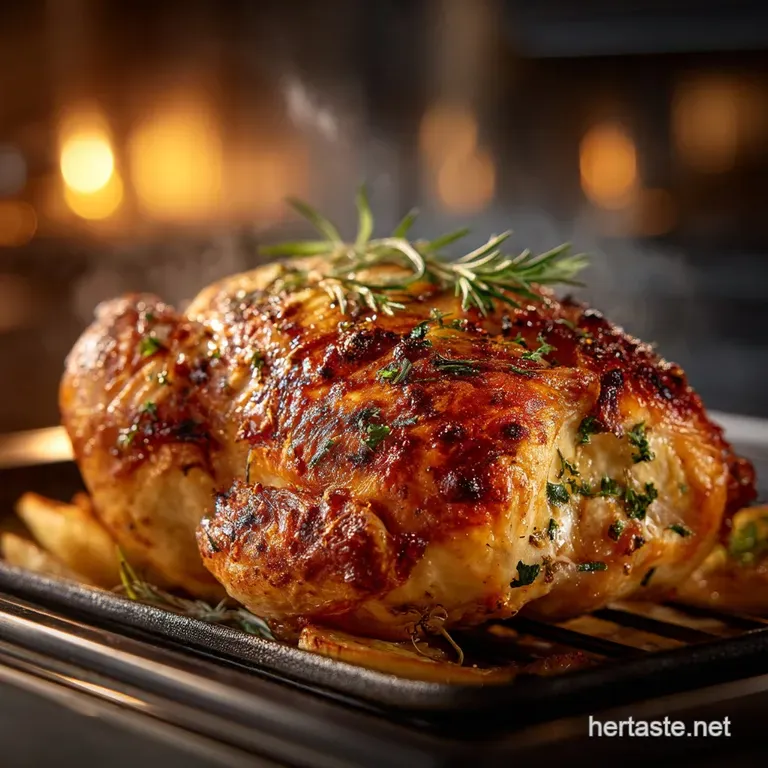
Ready to get started? This preparation sequence is critical. Don't skip the drying step it really is the secret weapon for crispy skin in all your Convection Oven Recipes .
Prepping the Chicken: Ensuring Maximum Surface Area for Crispness
- Dry the Bird: Pat the chicken aggressively dry with paper towels. You want zero moisture. Place the dried chicken, uncovered, on a plate in the fridge for 30 minutes. This mandatory step is the key to that desirable "shatter" texture.
- Make the Butter: Combine the softened butter with rosemary, thyme, minced garlic, smoked paprika, and lemon zest. Season heavily with salt and pepper. If you want to experiment with other flavors, check out my guide on [Compound Butter Recipes: Six Essential Flavors for Instant Upgrade]!
- Seasoning: Preheat the convection oven to 375°F (190° C) . Gently slide your fingers under the skin over the breast and thighs, creating pockets. Smear about two-thirds of the herb butter directly onto the meat under the skin. Rub the remaining butter over the entire exterior of the skin and apply a heavy layer of salt.
The Strategic Placement: How to Load the Roasting Pan Evenly
- Rack It Up: Place the seasoned chicken breast side up on a V-rack or standard roasting rack inside your pan. Using a rack is non-negotiable for Convection Oven Recipes because it allows the fan to circulate the air beneath the bird.
- Initial Roast (40 Minutes): Roast for 40 minutes undisturbed.
- Prep the Veggies: While the chicken roasts, toss the carrots, parsnips, potatoes, and onion wedges with olive oil, salt, and pepper.
- Add the Vegetables: Remove the pan after 40 minutes. Scatter the prepared, seasoned vegetables around the chicken. Do not crowd the pan. If your pan is overflowing, use a second smaller sheet tray. Baste the chicken lightly with any pan juices, if desired.
- Continue Roasting: Return to the oven and roast for another 20 to 35 minutes.
Monitoring Internal Temperature: The Key to Perfectly Cooked Poultry
- Check Doneness: This is where that instant read thermometer earns its keep. Insert it into the thickest part of the thigh (making sure you don't hit the bone). The chicken is done when it reaches 165°F (74° C) . The vegetables should be tender, fork pierced easily, and beautifully caramelized. We rely on the speed of Convection Oven Recipes to deliver this quickly.
Resting the Bird: Why Post Oven Patience is Non-Negotiable
- The Crucial Wait: Transfer the finished chicken to a cutting board. Tent loosely with foil and allow it to rest for 15 minutes . Seriously, don’t touch it! This rest allows the muscle fibers to relax and redistribute those glorious juices throughout the meat, guaranteeing a moist, tender result. Skipping the rest time is the number one cause of dry roast chicken, regardless of how perfectly you followed the rest of the steps in these Convection Oven Recipes .
Troubleshooting Your Roast: Expert Tips for Convection Cooking
Even experienced cooks mess up the roast sometimes. I certainly have I once forgot to dry the skin and ended up with a slightly rubbery surface, which taught me that moisture control is paramount in the world of Convection Oven Recipes .
The Vents Are Key: Avoiding Overcrowding Your Convection Oven
Convection works only if the air moves freely. If you jam the pan too full of root vegetables, you block the airflow, creating steaming pockets instead of roasting zones. This is especially true if you are stacking trays. Always ensure 1 2 inches of clearance around the chicken and between pieces of vegetables.
If you notice steaming, use a second tray immediately. This advice applies universally to all successful Convection Oven Recipes .
Addressing Uneven Browning or Partially Cooked Potatoes
If one side of the bird is browning faster, or if the potatoes on the edges look done but the ones near the center are still firm, your oven might have a slightly weak fan or you might have overloaded the tray. Next time, try rotating the pan halfway through the cooking time.
For potatoes, if they are still firm, pull the chicken out to rest ( 15 minutes!) and let the potatoes finish cooking alone in the high heat for another 5– 10 minutes.
When trying out various Convection Oven Recipes , minor adjustments are often needed based on your specific appliance.
Why Butter or Oil is Essential for That Signature Crisp Finish
Fat acts as a heat conductor and provides the medium for that beautiful Maillard reaction. Using oil on the vegetables prevents them from drying out entirely and promotes rich caramelization.
The butter under and over the skin is the hero of this specific roast it melts, basting the meat from the inside out and turning the skin into a lacquered, glorious sheet. Without enough fat, you risk simply drying out the surface without achieving the coveted crispness inherent to the best Convection Oven Recipes .
Extending the Feast: Storage, Reheating, and Repurposing Leftovers
This bird is delicious fresh, but the leftovers are equally useful. Don't let that succulent meat go to waste!
How to Safely Store Cooked Chicken and Roasted Vegetables
Once completely cool, carve the remaining chicken meat off the bone and store it in an airtight container. It keeps beautifully in the fridge for 3 to 4 days. The roasted vegetables should be stored separately; they will keep for about the same amount of time.
If you leave the meat attached to the bone, it tends to dry out faster. If you plan on freezing, portion the meat into freezer bags or containers, squeezing out all the excess air. Properly stored roast chicken can last up to 3 months in the freezer.
Best Practices for Reheating in a Convection Toaster Oven
Forget the microwave it turns beautiful roast chicken rubbery. If you have a small convection toaster oven, use it! Reheat the meat gently at 300°F (150°C) until warm, adding a splash of broth to prevent drying.
For the vegetables, crank the heat up to 400°F (200°C) on convection for about 5– 8 minutes. This high, dry heat crisps them up exactly like they were fresh, which is a massive advantage when considering future Convection Oven Recipes for meal prep.
Creative Ways to Use the Remaining Herb Chicken Meat
Leftover herb chicken is incredibly versatile.
- Sandwiches: Mix diced chicken with a bit of mayo and use some of my six essential flavors found in [Compound Butter Recipes: Six Essential Flavors for Instant Upgrade] on your bread for an instant flavor bomb.
- Soup Starter: Use the carcass to make a quick broth, then toss in the leftover shredded meat and any remaining vegetables for a hearty meal. This is a classic component in many traditional Convection Oven Recipes meant to maximize ingredients.
- Shepherd's Pie Topping: Chop the chicken small, mix with gravy and vegetables, and top with mashed potatoes for a quick weeknight comfort food dinner.
Pairing Your Centerpiece: The Best Sides and Sauces for Convection Roasted Dishes
While this roast is a meal in itself, every glorious centerpiece deserves stellar supporting characters.
We already have the beautiful roasted roots, but a side that adds a bit of lightness is always welcome. A quick pan sauce made from the degreased pan drippings is essential, thickened slightly with flour or cornstarch.
For a fresh, velvety contrast, consider making a batch of [Immersion Blender Recipes: Velvet Roasted Pepper Soup] to serve as a starter.
For a grain side, nothing beats a lightly acidic counterpoint to the richness of the roast. I often whip up a simple version of my [Rice Side Dish Recipes: Elevated Brown Butter Pilaf], replacing the standard white rice with brown rice for extra fiber.
The nuttiness of the brown butter and the lemon zing cuts beautifully through the richness of the herb butter coating the chicken, truly enhancing the experience of these classic Convection Oven Recipes .

Recipe FAQs
Do I need to adjust the temperature when converting a standard oven recipe to convection?
Yes, as a general rule, you should reduce the temperature by 25°F (about 15°C) when using the convection setting. Convection ovens circulate heat extremely efficiently, causing food to cook faster and brown more quickly than in a conventional oven.
My chicken skin didn't get crispy what could have gone wrong?
Lack of crispness usually stems from excessive moisture. Before seasoning, ensure the chicken skin is thoroughly patted dry using paper towels; moisture turns the high convection heat into steam. Also, avoid overcrowding the roasting pan, as this restricts airflow around the bird.
Why are my vegetables burning before the chicken is fully cooked?
Convection heat can be intense on ingredients positioned closest to the fan. To prevent burning, ensure the vegetables are cut into larger, uniform pieces and are lightly oiled to create a protective barrier. If they begin to char, relocate them to a lower rack or cover them loosely with foil.
Can I substitute a different type of meat, like pork shoulder, in this recipe?
While you can use convection for pork shoulder, the cooking time will be significantly longer and may require a lower temperature setting for a slow roast. Convection excels at roasting and crisping, but large cuts like pork shoulder require extended, moist cooking times to break down connective tissue effectively.
How can I tell if the chicken is truly done without drying it out?
The only reliable method is using a meat thermometer inserted into the thickest part of the thigh, avoiding contact with the bone. The chicken is perfectly safe and juicy when the internal temperature reaches 165°F (74°C).
Should I cover the chicken with foil at any point during convection roasting?
Generally, you should avoid covering the chicken, as this traps steam and defeats the purpose of the fan circulating dry heat for crisping. If the breast skin browns too quickly, you can very loosely tent it with foil during the last 15 to 20 minutes to slow the surface cooking, but do not seal the foil tightly.
How should I store leftover roast chicken and vegetables?
Store leftovers in separate, airtight containers in the refrigerator within two hours of cooking to minimize bacteria growth. The roast chicken and vegetables will remain fresh and safe to consume for three to four days. Reheat the chicken gently to avoid drying it out.
Crispy Chicken Convection Oven Recipes
Ingredients:
Instructions:
Nutrition Facts:
| Calories | 301 kcal |
|---|---|
| Protein | 4.0 g |
| Fat | 17.2 g |
| Carbs | 36.1 g |
