Basic Sugar Cookies Recipe: Crisp & Tender
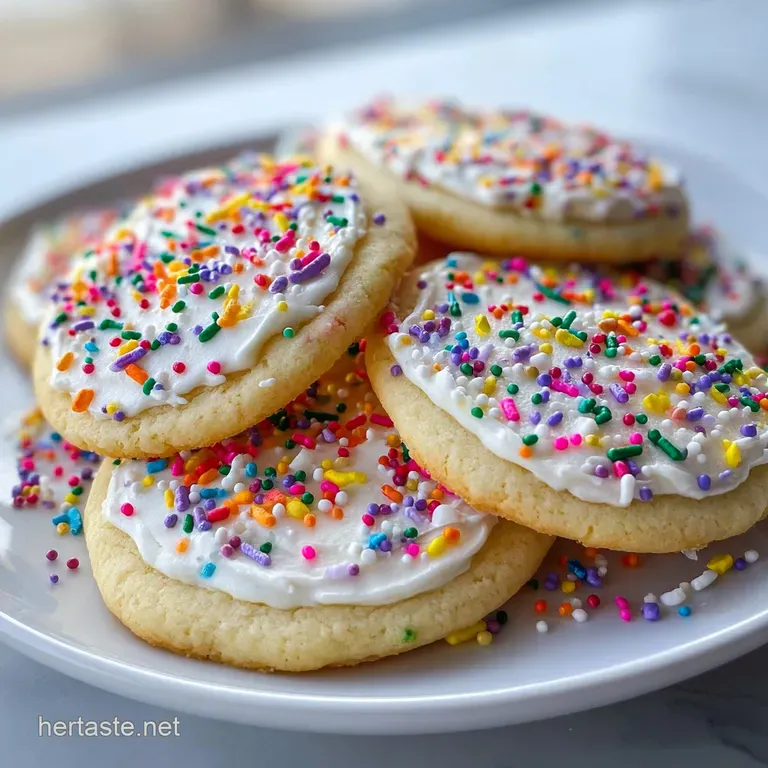
- Time: Active 30 minutes, Passive 10 minutes, Total 40 minutes
- Flavor/Texture Hook: Buttery, vanilla forward with a crisp shatter
- Perfect for: Holiday gift boxes, birthday parties, or a cozy rainy day activity with kids
- Why Cold Butter Creates the Ideal Sugar Cookie Snap
- The Practical Numbers Behind a Batch of Homemade Cookies
- Selecting The Right Elements for a Velvety Cookie Dough
- The Essential Tools for Rolling and Cutting Your Cookies
- Steps for Baking Golden and Gently Crisp Sugar Cookies
- Preventing Dull Edges and Dough That Spreads Too Much
- Adding Flavor Accents and Creative Touches to Your Batch
- Cookie Yield Adjustments for Larger Gatherings
- Keeping Your Baked Treats Tender and Fresh for Days
- Cozy Pairings for Your Freshly Baked Sugar Cookie Platter
- Debunking Common Cookie Myths
- Recipe FAQs
- 📝 Recipe Card
Why Cold Butter Creates the Ideal Sugar Cookie Snap
The foundation of a great bake isn't just the ingredients; it's the physics behind them. Many recipes call for "room temperature" butter, but for a cutout cookie, that’s often a mistake. We want the butter to be "slightly cool" pliant enough to cream with sugar, but cold enough to maintain its structure.
- Fat Suspension: Slightly cool butter traps tiny air pockets during creaming that expand in the oven without causing the dough to collapse prematurely.
- Gluten Inhibition: Keeping the dough cool prevents the flour proteins from becoming too elastic, which ensures the texture stays tender rather than chewy.
- Sugar Saturation: Using granulated sugar creates micro tears in the butter, building a stable matrix that holds those sharp, clean edges during the bake.
- Evaporation Control: The inclusion of corn syrup in the glaze slows down water loss, resulting in a high gloss finish that doesn't crack as it dries.
The Science of the "No Spread" Ratio
The secret to this basic sugar cookies recipe lies in the lack of chemical leaveners like baking powder or soda. By omitting these, we stop the cookie from puffing up and losing its definition.
The lift comes entirely from the mechanical aeration of the butter and sugar, which provides just enough rise to keep things light without distorting your beautiful snowflake or star shapes.
| Cookie Style | Prep Method | Final Texture | Best Use Case |
|---|---|---|---|
| Fast Method | Melted butter, no chill | Soft, chewy, messy edges | Rough drop cookies for snacking |
| Classic Cutout | Cool butter, 1 hour chill | Crisp edges, velvety bite | Detailed shapes and heavy decorating |
| Shortbread Style | High fat, low sugar | Crumbly, sandy, rich | Plain tea cookies or dipped in chocolate |
The Practical Numbers Behind a Batch of Homemade Cookies
Before we reach for the mixing bowl, let's look at what each component brings to the party. Baking is essentially edible chemistry, and understanding your materials makes you a much more confident cook.
For instance, the almond extract isn't just there for flavor; it actually enhances the perception of sweetness without adding more sugar.
| Ingredient | Science Role | Pro Secret |
|---|---|---|
| Unsalted Butter | Provides tender fat structure | Use 82% fat butter for the most luxurious mouthfeel |
| All Purpose Flour | Build the skeletal frame | Weigh your flour (375g) to avoid dry, crumbly dough |
| Light Corn Syrup | Acts as a humectant in glaze | This is what gives professional cookies that mirror like shine |
| Granulated Sugar | Aerates and sweetens | Don't reduce the sugar; it’s vital for the cookie's structural integrity |
The salt might seem like a small addition, but it's the most important balancer in the recipe. It cuts through the richness of the butter and prevents the sugar from becoming cloying. If you're interested in how flavor balance works in other treats, you might enjoy the technique used in my SugarFree Caramel Sauce recipe, which uses similar principles to achieve depth.
Selecting The Right Elements for a Velvety Cookie Dough
When you're shopping, quality matters. Since there are so few ingredients in this cookies recipe, each one has a big job to do. Get the best vanilla you can find; those little brown bottles of "imitation" flavor just won't give you that nostalgic, deep aroma we're looking for.
- 226g (1 cup) Unsalted Butter: Slightly cool to the touch.
- Substitute: Salted butter (just omit the extra 0.5 tsp salt).
- Why this? Controlled fat content is key for the "no spread" factor.
- 200g (1 cup) Granulated White Sugar: Standard fine grain.
- Substitute: Caster sugar for an even smoother dough.
- 1 Large Egg: Room temperature to ensure it emulsifies properly with the fat.
- Substitute: 1/4 cup unsweetened applesauce (yields a softer, puffier cookie).
- 1.5 tsp Pure Vanilla Extract: Use the good stuff!
- Substitute: Vanilla bean paste for those pretty little flecks.
- 0.5 tsp Almond Extract: The "secret" bakery flavor.
- Substitute: Lemon extract for a bright, summery twist.
- 375g (3 cups) All Purpose Flour: The backbone of the cookie.
- Substitute: 1 to-1 gluten-free flour blend (ensure it contains xanthan gum).
- 0.5 tsp Salt: Fine sea salt or table salt.
- Substitute: Kosher salt (use 0.75 tsp).
- 240g (2 cups) Powdered Sugar: Sifted to avoid lumps in your glaze.
- Substitute: Erythritol powder for a lower sugar icing.
- 3 tbsp Whole Milk: To thin the glaze.
- Substitute: Heavy cream for a thicker, more opaque finish.
- 1 tbsp Light Corn Syrup: For the shine and flexibility.
- Substitute: Honey or agave (though it may slightly tint the glaze).
| Original Ingredient | Substitute | Why It Works |
|---|---|---|
| Whole Milk | Coconut Milk | Similar fat content. Note: Adds a subtle tropical flavor profile. |
| AP Flour | Oat Flour | Provides a nuttier taste. Note: Cookies will be more fragile and crumbly. |
| Granulated Sugar | Coconut Sugar | Rich, caramel like notes. Note: Will turn the dough a dark brown color. |
The Essential Tools for Rolling and Cutting Your Cookies
You don't need a professional kitchen, but a few specific tools make the process much smoother. I personally swear by a stand mixer, such as a KitchenAid, because it creams the butter and sugar with a consistency that’s hard to match by hand. If you're doing this with kids, though, a hand mixer works just fine!
One of my biggest "mistakes I once made" was rolling dough directly on a floured counter. It adds too much extra flour to the cookies, making them tough. Now, I always roll between two sheets of parchment paper. It's a game changer.
It keeps the kitchen clean and ensures the dough stays the exact same thickness from edge to edge.
If you find yourself enjoying the precision of this process, it's very similar to the focus required for my How to Bake recipe, where we focus on those small details that make a massive difference in the final product. Having a set of sharp metal cookie cutters is also better than plastic ones; they give you a cleaner "snap" through the dough, which prevents warping.
Steps for Baking Golden and Gently Crisp Sugar Cookies
Now, let's get into the fun part. The key here is patience don't try to rush the chilling process. If the dough is too warm, the butter will leak out in the oven, and you'll lose that velvety texture.
- Cream the fats. Beat the 226g cool butter and 200g sugar together for about 3 minutes until the mixture looks pale and fluffy. Note: This creates the air pockets needed for lift.
- Add liquids. Mix in the egg, 1.5 tsp vanilla, and 0.5 tsp almond extract. Beat until fully combined and glossy.
- Incorporate dry ingredients. Gradually add the 375g flour and salt on low speed. Mix until the flour streaks just disappear. Note: Do not overmix here or the cookies will be tough.
- Chill the dough. Divide the dough into two disks, wrap in plastic, and refrigerate for at least 1 hour. The dough should feel firm but slightly yielding.
- Preheat and prep. Set your oven to 175°C (350°F) and line your baking sheets with parchment paper.
- Roll out. On a lightly floured surface (or between parchment), roll the dough to 6mm thickness. Ensure even thickness for uniform baking.
- Cut shapes. Use your cutters to stamp out shapes and transfer them to the baking sheet. Note: Leave 2cm of space between each cookie.
- Bake the batch. Bake for 8 to 10 minutes until the edges are just barely set and bottom is golden. They will look slightly underdone in the center; that's what we want!
- Cool completely. Let them sit on the tray for 5 minutes before moving to a wire rack. They must be cold before you add any glaze.
- Glaze and garnish. Whisk the powdered sugar, milk, and corn syrup. Dip or drizzle over the cookies until they are fully coated and shimmering.
Chef's Tip: Grate your cold butter into the sugar using a box grater before creaming. This allows the butter to incorporate faster while staying at the perfect cool temperature, preventing the dough from getting too warm from the friction of the mixer.
Preventing Dull Edges and Dough That Spreads Too Much
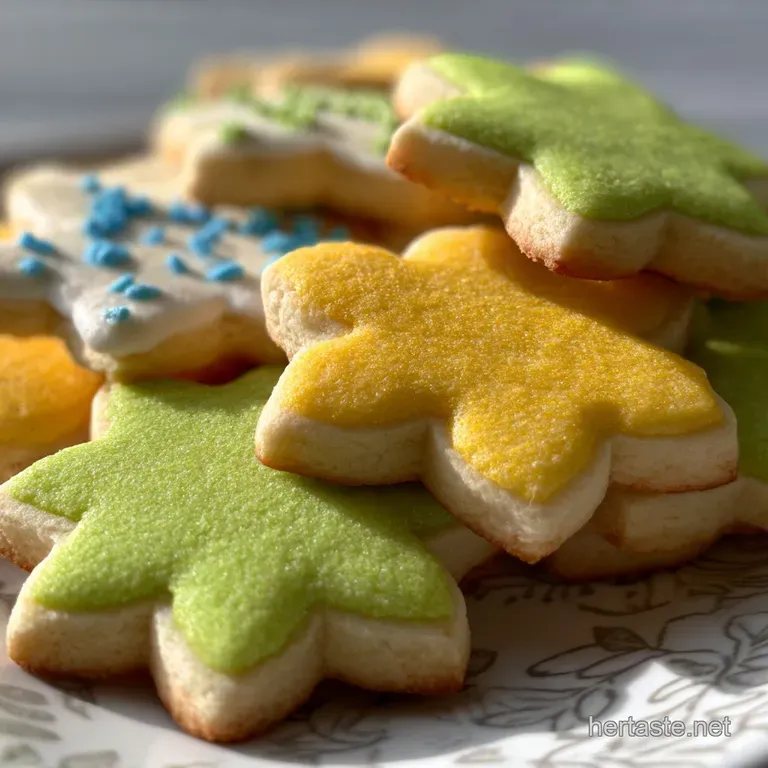
Even with a basic sugar cookies recipe, things can go sideways. If your cookies look like puddles, your butter was likely too warm. If they’re crumbly, you might have packed too much flour into your measuring cup. Let's look at how to save a batch that's gone rogue.
Why Your Dough Is Crumbly
If your dough looks like sand and won't come together, it’s usually a hydration issue. AP flour can vary in how much moisture it absorbs depending on the humidity in your kitchen. Adding a teaspoon of milk at a time can bring it back to life, but be careful not to overwork it.
My Cookies Lost Their Shape!
This is the most common heartbreak. If your stars are looking like circles, it’s because the fat melted before the flour structure set. Always pop your cut out shapes into the freezer for 5 minutes right before they go into the oven. This "flash chill" ensures the edges stay sharp.
The Edges Are Dry and Brown
Sugar cookies should be pale. If the edges are getting dark brown while the middle is still raw, your oven might be running hot. Grab an oven thermometer they’re cheap and will save your baking life.
Also, check that you aren't using a dark colored baking sheet, which absorbs more heat and scorches the bottoms.
| Problem | Root Cause | Solution |
|---|---|---|
| Cookies Spreading | Butter too warm or over creaming | Chill dough for 30 mins after cutting shapes. |
| Tough, Hard Bite | Overworking the dough | Mix flour only until "just" combined. |
| Icing Won't Set | Too much milk or high humidity | Add more powdered sugar 1 tbsp at a time to thicken. |
Common Mistakes Checklist:
- ✓ Weigh your flour using a digital scale instead of using measuring cups.
- ✓ Never place raw dough onto a hot baking sheet from a previous batch.
- ✓ Use a "cool" touch when handling dough; your body heat can melt the butter.
- ✓ Sift your powdered sugar for the glaze to ensure a velvety, lump free finish.
- ✓ Ensure your egg is truly at room temperature so it doesn't seize the cool butter.
Adding Flavor Accents and Creative Touches to Your Batch
Once you've mastered the classic version, the variations are endless. I love playing with the visual balance of these cookies. Since we're going for a "presentation" focus, think about using three specific color accents for your garnish:
- Vibrant Citrus: Add fresh lemon or orange zest directly into the dough. Garnish with a tiny strip of candied peel.
- Metallic Shimmer: Once the glaze is tacky (not wet, not dry), use a soft brush to apply edible gold or silver leaf to one corner.
- Floral Elegance: Sprinkle dried, food grade cornflowers or rose petals over the wet glaze. The blue and pink against the white icing is stunning.
If you're feeling adventurous, try the "Brown Butter Upgrade." Melt your butter in a pan until it smells nutty and has little brown flecks, then chill it back to a solid state before starting the recipe. The depth of flavor is unreal. It reminds me of the richness in The Only Homemade recipe — it’s that extra level of decadence that makes people ask for the recipe.
The "Between Parchment" Rolling Method
Instead of flouring your surface, place your dough ball between two large sheets of parchment paper. Roll it out to your desired thickness. This prevents the dough from sticking and, more importantly, stops you from adding extra flour that would make the cookies dry and tough.
Cookie Yield Adjustments for Larger Gatherings
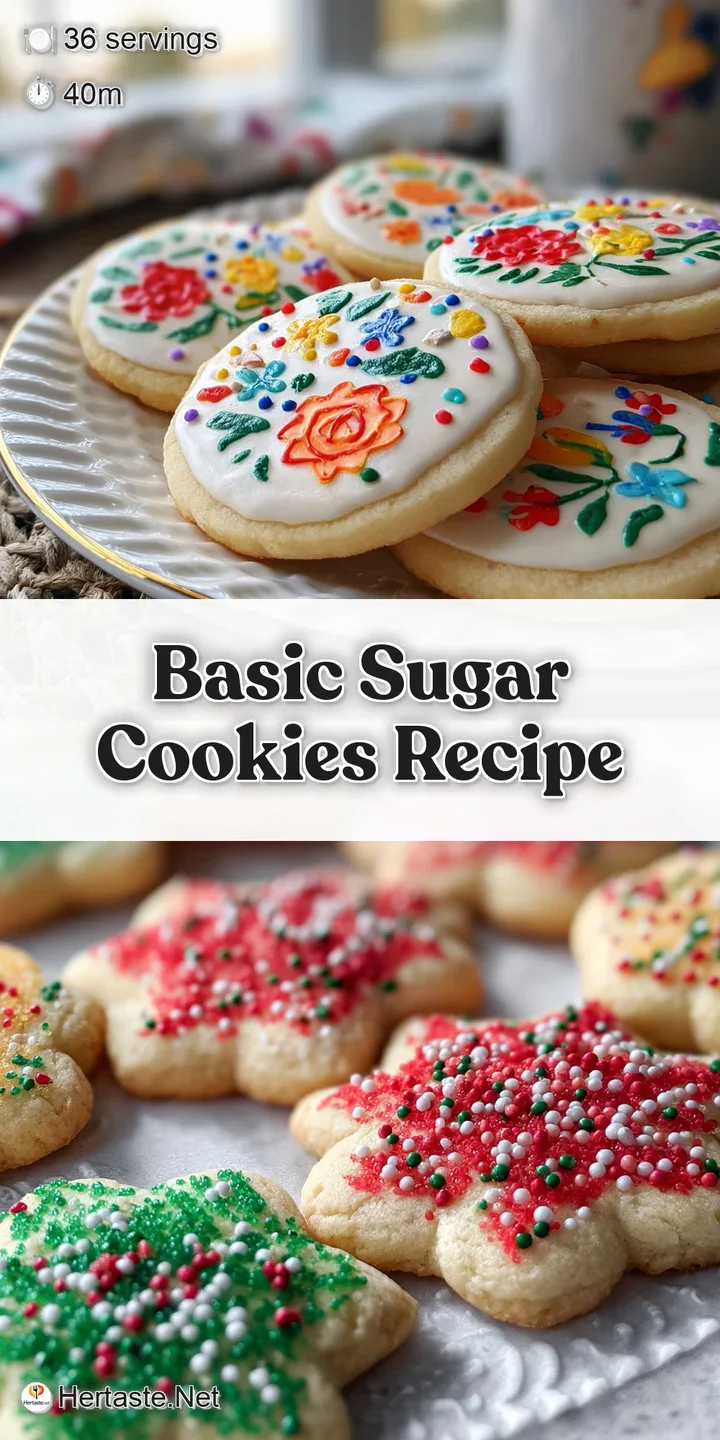
When you're baking for a bake sale or a large party, you might need to scale this up. This recipe yields 36 medium cookies, but it's easy to double. Just be mindful of your mixer's capacity!
| Batch Size | Flour Needed | Butter Needed | Suggested Pan Count |
|---|---|---|---|
| Half (18 cookies) | 188g | 113g | 1-2 baking sheets |
| Standard (36 cookies) | 375g | 226g | 3-4 baking sheets |
| Double (72 cookies) | 750g | 452g | 6-8 baking sheets |
- Scaling Down
- If you only need half a batch, beat one egg in a small bowl and use exactly 2 tablespoons of it. It’s more accurate than trying to "half" an egg visually.
- Scaling Up
- Don't just double the salt and extracts; increase them by 1.5x first, then taste the dough. Spices and extracts can become overwhelming when doubled.
- Baking Large Batches
- Rotate your pans halfway through the bake time. Most ovens have "hot spots," and this ensures every cookie gets that same golden finish.
Keeping Your Baked Treats Tender and Fresh for Days
To keep that perfect snap, storage is everything. These cookies are quite sturdy, but they will absorb moisture from the air if left out.
- Room Temperature: Store in an airtight container for up to 7 days. If you've used the glaze, make sure it is completely hard (usually takes 4-6 hours) before stacking them with parchment paper between layers.
- Freezer (Dough): Wrap the dough disks tightly in plastic wrap and then foil. It stays fresh for up to 3 months. Just thaw in the fridge overnight before rolling.
- Freezer (Baked): You can freeze the un iced cookies for 2 months. Thaw them, then add the fresh glaze for the best texture.
- Zero Waste Tip: Don't throw away those tiny scraps of dough after cutting! Roll them into small "snack balls" or press them into a mini muffin tin for "cookie cups" that can be filled with jam or chocolate later.
Cozy Pairings for Your Freshly Baked Sugar Cookie Platter
What's a cookie without a companion? For a sophisticated afternoon tea, I love serving these alongside a sharp lemon curd or a bitter dark chocolate ganache. The sweetness of the cookie is the perfect foil for something more acidic or intense.
If you're looking for something more comforting, these are a dream when dipped into a warm drink. They hold their structure just long enough to soak up a bit of liquid without crumbling into the bottom of your mug. For a real treat, try pairing them with a homemade syrup based drink. The flavor profile is a natural match for the cocoa notes in my Rich Homemade Chocolate Syrup.
Debunking Common Cookie Myths
Myth: You must use room temperature eggs. Actually, for this specific cutout recipe, using a cold egg won't ruin the batch, but it might make the butter clump slightly. The goal is a smooth emulsion, so while "room temperature" is best, don't panic if you forgot to take them out of the fridge.
Just soak the egg in warm water for 5 minutes.
Myth: More flour means easier cutting. It feels easier because the dough is less sticky, but you're sacrificing flavor and texture. A sticky dough is a hydrated dough. If it's too difficult to handle, the solution is more time in the fridge, not more flour on the board.
Myth: Chilling dough is optional. Chilling isn't just about temperature; it’s about hydration. While the dough sits, the flour fully absorbs the moisture from the eggs and butter. This leads to a more uniform crumb and a cookie that doesn't feel "grainy" or sandy when you eat it.
Trust the process and give it that hour in the cold!
Recipe FAQs
What are the ingredients for sugar cookies?
Butter, sugar, flour, eggs, vanilla, salt, and powdered sugar for the glaze. These core components create the necessary fat structure and dryness for a crisp cutout cookie. Omitting chemical leaveners ensures sharp edges remain defined during baking.
What are the five main ingredients in cookies?
Flour, sugar, fat (butter), eggs, and leavener (though leavener is often omitted here). For a traditional cutout, the core structure relies on the ratio of flour to fat, while sugar controls spread and tenderness. If you enjoyed controlling the fat ratio here, see how the same principle applies to our How to Make recipe.
What is the secret to a good sugar cookie?
Keeping the butter slightly cool and chilling the dough thoroughly after cutting. Slightly cool butter creams just enough for aeration without melting immediately in the oven, preventing excessive spread. This focus on temperature control is similar to what you must master for perfect results in our Decadent Boston Cream recipe.
What are the ingredients in 3 ingredient sugar cookies?
Typically cream cheese, butter, and flour. This variation creates a very soft, cake like cookie rather than the crisp, traditional cutout style. It lacks the structure provided by sugar and eggs, leading to a much softer final texture.
How do I prevent my cutout sugar cookies from spreading?
Chill the cut shapes in the freezer for 5 minutes before baking. This flash chilling step ensures the edges are rock solid when they hit the hot oven, locking in your precise design. Always use unbleached, cold butter for the best structural integrity.
When should I add the glaze for the shiniest finish?
Apply the glaze only after the cookies have cooled completely to room temperature. The cookies must not be warm, or the glaze will absorb into the surface rather than setting on top. Adding corn syrup to the glaze is crucial as it acts as a humectant, slowing moisture loss for a durable shine.
Should I use baking soda to make the cookies puffier?
No, avoid chemical leaveners entirely for crisp cutouts. This basic recipe relies only on air mechanically incorporated into the butter and sugar during creaming to achieve a tender lift. Baking soda or powder causes puffing and rapid spread, distorting detailed shapes.
Crisp Sugar Cookies From Scratch

Ingredients:
Instructions:
Nutrition Facts:
| Calories | 135 kcal |
|---|---|
| Protein | 1.3 g |
| Fat | 5.4 g |
| Carbs | 20.7 g |
| Fiber | 0.3 g |
| Sugar | 12.7 g |
| Sodium | 35 mg |
